
Setting Stated Limits During Initial Systems Architecture
Stated limits during initial systems architecture transfer operational load from human regulators to structural walls by defining availability in explicit terms.

Gate
Operational channels at peak capacity often receive incoming request traffic from multiple client services simultaneously. Without explicit architectural parameters, every incoming request reaches the core execution layer directly. The human regulator in this environment operates as the default buffer, evaluating priority, triaging queue backlogs, and absorbing the operational friction generated by unconstrained demand.
When system volume scales, this configuration produces unsustainable allostatic load on the operator. The regulator attempts to maintain system balance through continuous manual intervention, substituting personal stamina for structural engineering control.

Establishing Operational Entry Thresholds Early
Defining architectural parameters prior to initial deployment prevents unconstrained system growth. An architectural wall functions as a fixed boundary that processes incoming load based on deterministic rules rather than real-time human discretion. Systems that publish explicit entry criteria evaluate request viability at the perimeter.
Requests exceeding defined parameters drop automatically at the ingress layer. The human regulator recedes from the execution path, allowing automated rate limiters and payload validators to filter traffic before internal resource allocation occurs.
Initial systems architecture must establish hard boundaries during the design phase rather than during operational crises. Stating limits early establishes a predictable operational baseline for both internal teams and external counterparties. A client system interacting with an explicitly bounded infrastructure adapts its retry logic and request framing to match published specifications.
Conversely, an infrastructure that accepts unbounded inputs invites continuous overload, conditioning counterparties to treat system capacity as infinitely elastic.
An unstated operational limit forces the human regulator to act as the primary barrier against incoming system demand.
Separating Human Oversight From Capacity Boundary
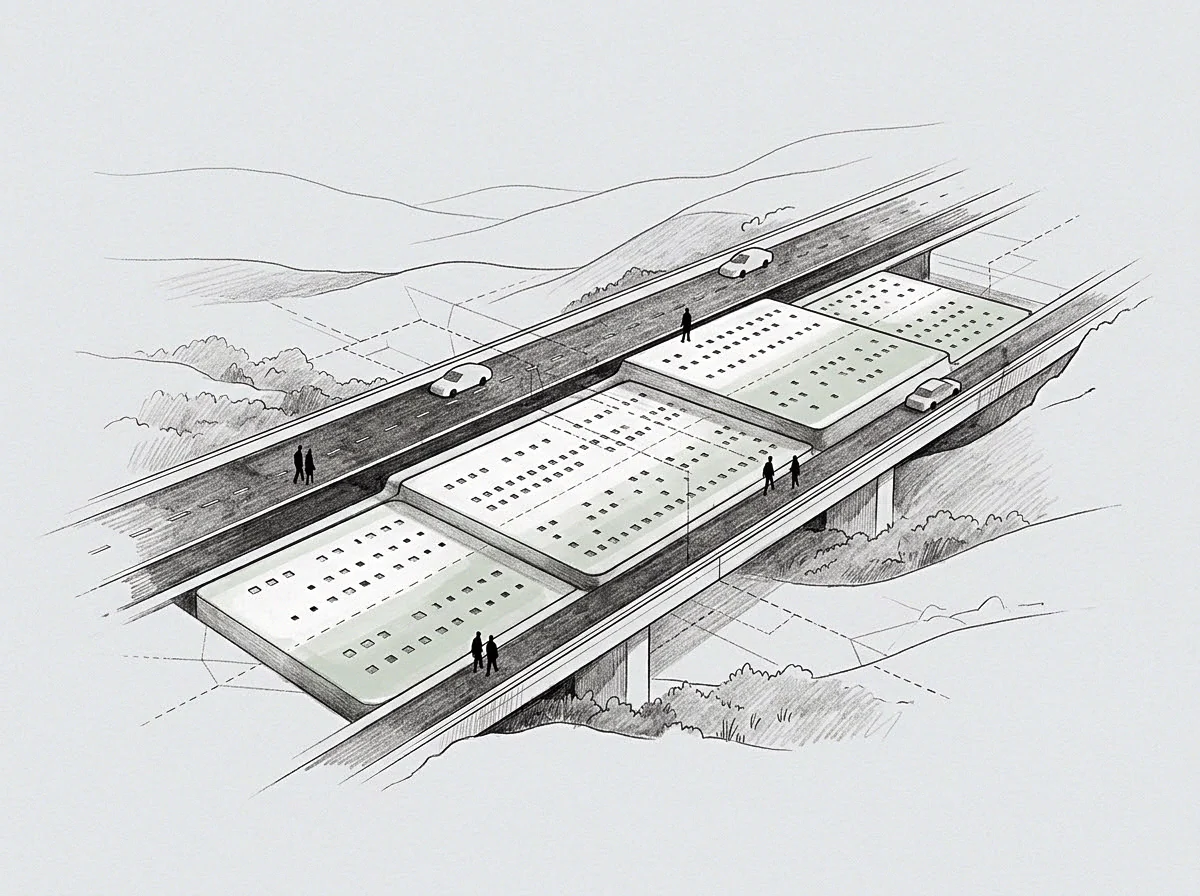
Manual intervention degrades rapidly when software components push past baseline design parameters. When an application lacks clear concurrency limits, the operator attempts to regulate traffic through subjective decision-making during load spikes. This dynamic converts the operator into a single point of failure and a continuous bottleneck.
The system meets resistance only when the person monitoring the metrics reaches physical or cognitive exhaustion. Load moves to the wall.
Replacing human discretion with stated limits transforms how counterparty expectations form. When a system enforces clear entry conditions, external callers derive available capacity from immediate response codes rather than subjective negotiation. The system rejects excess traffic cleanly, preserving core stability while communicating operational state through standard error signals.
Clause 3.2 defines a hard cap of one hundred concurrent requests per second, which converts manual operator intervention into automated service rejection.
Ceiling
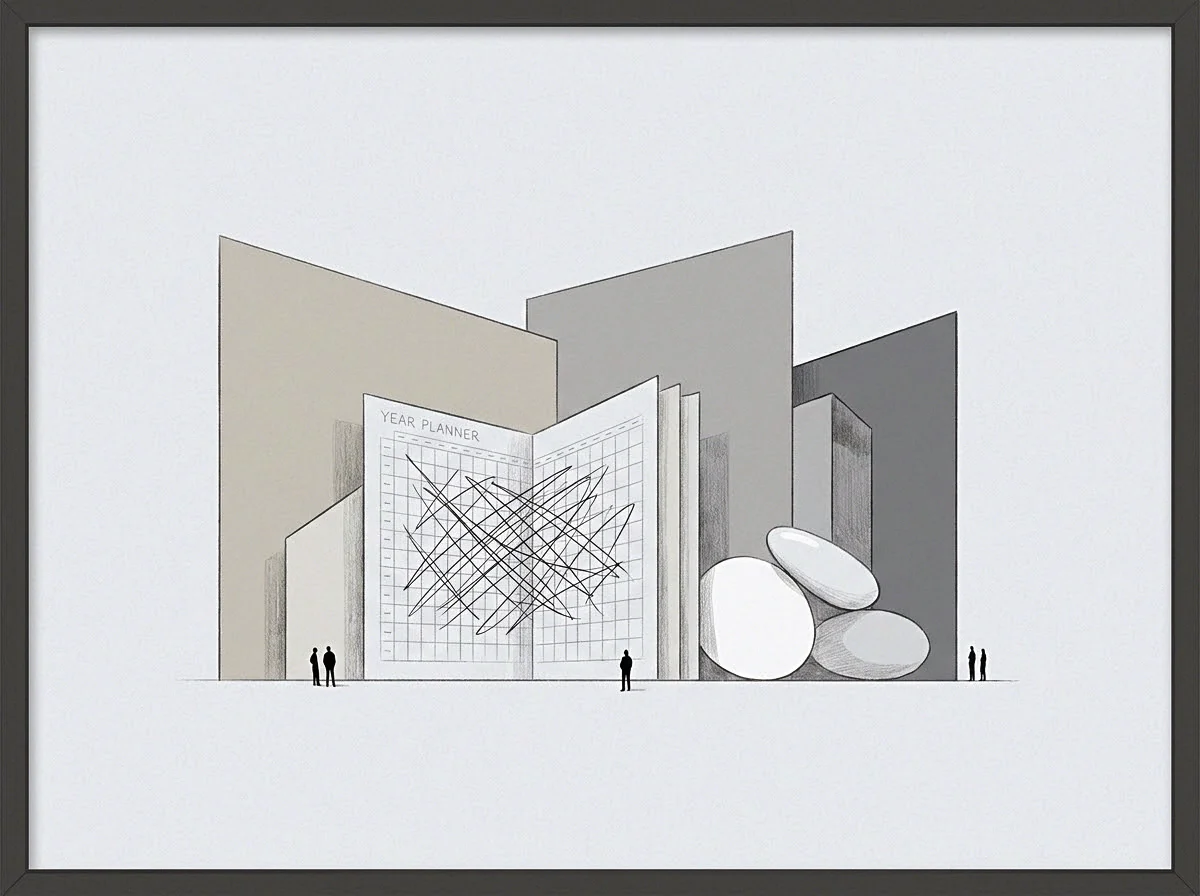
Systems design requires explicit boundaries to prevent unthrottled load from overwhelming underlying infrastructure. Consider a worked situation involving an early-stage infrastructure platform built over three years. Assume two founders build the platform without stating explicit concurrency limits to client engineering teams in early contracts.
In month twelve, client request volume increases by four hundred percent over seventy-two hours due to downstream end-user growth. In Arrangement A, the platform architecture features no stated limits or automated execution throttles. The founders manually monitor database connections, scale instance clusters late at night, and negotiate load reduction directly with client engineers over messaging channels.
The human regulator functions as the load-absorbing mechanism, resulting in severe operational strain and missed product milestones.
In Arrangement B, the same infrastructure platform incorporates explicit contractual and technical limits from inception. Contract terms specify a hard concurrency ceiling of fifty concurrent worker processes per client organization, backed by automated API gateway throttling that returns HTTP 429 status codes when exceeded. When client request volume spikes by four hundred percent, the platform edge layer enforces the stated limit automatically.
Excess traffic drops at the perimeter. The core database connection pool remains within stable operating parameters, internal queues do not overflow, and the founders perform zero emergency interventions. The client engineering team receives deterministic rejection signals and activates their internal queuing systems to manage outbound velocity.
Explicit terms govern incoming traffic.
The difference between these arrangements highlights how stated limits protect system capacity and operator headroom. The wall absorbs the push. The structural boundary executes load shedding independently of human availability or mood.
By embedding capacity constraints directly into system architecture and legal agreements, the platform establishes clear operational boundaries before stress events occur.
When a system encounters a stated limit, operational load shifts from the human regulator to the structural boundary.
Comparing Load Dynamics Under Explicit Contractual Terms
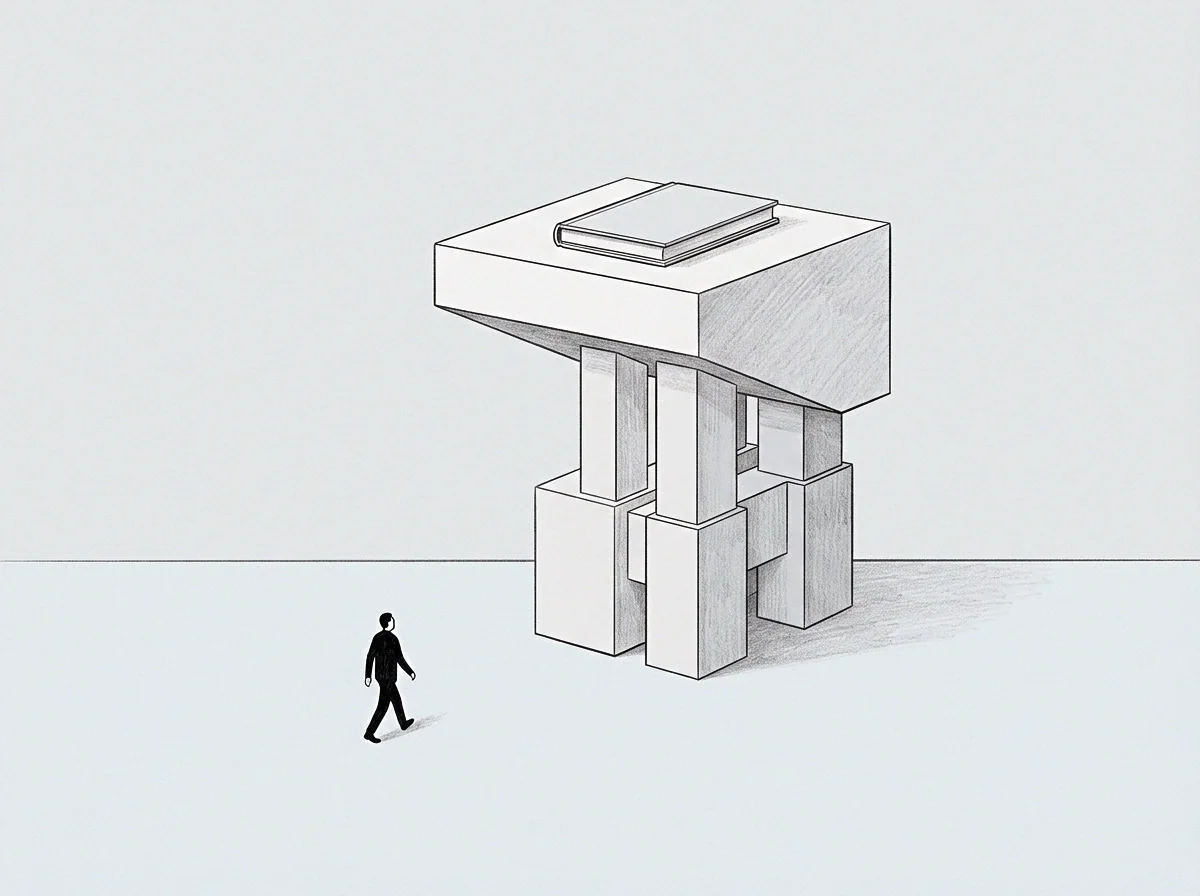
System performance varies predictably based on whether client integrations encounter structural walls or flexible human responses. The structural wall provides an unambiguous boundary that processes inputs deterministically. Flexible human responses create ambiguity, encouraging clients to treat capacity as negotiable.
The comparison below outlines the operational dynamics across both governance modes.
| Architectural Boundary Mode | Load Transfer Mechanism | Regulator Allostatic Load | Availability Signal to Counterparty |
|---|---|---|---|
| Unstated Capacity (Flexible) | Manual operator triage and real-time intervention | Continuous escalation toward capacity ceiling | Derived from operator response time and stamina |
| Stated Throttle (Structural Boundary) | Automated perimeter rejection and rate limiting | Static baseline load isolated from traffic spikes | Derived from deterministic response codes and SLA terms |
| Negotiated Exception (Hybrid) | Ad-hoc queue prioritization via direct messaging | Intermittent spikes during unannounced client releases | Derived from relationship leverage and channel ping frequency |
Implementing stated limits requires defining capacity metrics clearly within software architecture. When engineering teams build services without explicit ceilings, downstream dependencies implicitly absorb whatever volume upstream callers generate. Database connections saturate, memory allocations reach limits, and thread pools lock up.
Introducing explicit limits early protects core architecture while establishing clear terms for system access. The contract fixes the ceiling.
Failing to define explicit concurrency limits early shifts all operational strain onto human regulators, accelerating structural exhaustion across the organization.

State
Internal transfer functions dictate how an application responds to external pressure. System state reflects the real-time configuration of processing capacity, active memory allocation, available queue depth, and open connection handles. Mood represents an external, uncalibrated output that carries zero structural information about system capability.
Effective systems architecture gates execution strictly on verified state variables rather than human operator sentiment or external client urgency.

State Gated Execution Against Operator Decision
Automated controls enforce rules based on live operational telemetry. When an incoming workload arrives, a state-gated system checks current resource headroom before accepting the payload for processing. If memory utilization exceeds eighty-five percent or connection pools reach capacity, the system refuses additional tasks automatically.
No amount of manual operator decision-making can force execution against a live state objection without risking cascading infrastructure failure. State governs processing outputs.
Conversely, decision-gated architectures rely on human judgment to override or manage system operational bounds. An operator deciding to accept additional client workloads despite degraded performance metrics introduces unpredictable failure modes. Memory allocations set hard boundaries.
Human decisions cannot alter underlying physical compute constraints. Building state-gated limits directly into initial architecture ensures that system safety remains independent of operator pressure or emotional compliance.
A state-gated execution halts automatically when operational headroom drops below fifteen percent, preventing systemic collapse.
Systems engineers evaluate state transitions by mapping inputs to predictable outputs through concrete mechanisms. The following structural components establish state-gated operational boundaries:
- State-Gated Act Execution steps that proceed strictly when underlying system headroom variables remain within predefined safety parameters.
- Decision-Gated Act Operational changes executed through manual operator intervention regardless of live telemetry or baseline constraints.
- Transfer Function The deterministic logic mapping incoming payload vectors directly to system response behaviors and resource allocations.
- Operational Headroom Preserved processing capacity held in reserve to buffer sudden traffic spikes without degrading core functions.
When state variables dictate system availability, external users receive precise feedback regarding platform stability. The limit holds. Client applications adapt to deterministic state responses, standardizing their retry mechanisms and payload sizes.
Capacity stays visible to clients.
The client engineering team observes that requests return immediate rejection codes whenever processing queues reach capacity during morning deployment surges.

Line
Communication channels carry operational signals alongside implicit messaging about platform stability. In initial systems architecture, the frequency and nature of channel pings reflect how effectively boundaries were stated. A high volume of direct messaging pings regarding system status indicates missing or unobserved architectural limits.
When counterparties must query human operators to determine system availability, operational transparency has failed.

What Stated Throttle Changes In System Behaviour?
Explicit capacity caps alter incoming traffic patterns before queue exhaustion occurs. When a platform publishes clear rate limits and enforces them at the API layer, client applications adjust outbound dispatch logic automatically. The throttle drops excess volume.
Incoming request bursts are buffered on the client side rather than flooding internal application buses. Priority signals travel through latency.
Enforcing stated limits quietens communication channels between operators and counterparties. The channel stays quiet. When clients understand that availability is governed by explicit terms rather than personal responsiveness, status pings decline.
Silence across status channels indicates that structural boundaries are holding load effectively.
Silence across operational channels indicates that architectural boundaries hold without manual intervention.

Deriving Availability Through Channel Latency
External partners assess system capacity by measuring execution response times over extended periods. Rather than relying on status page announcements or manual updates, counterparties derive platform health directly from API response latency and HTTP return codes. Predictable response latency communicates stability, while erratic response times signal underlying operational distress.
- The client system submits requests within agreed bandwidth parameters during peak operational windows.
- The infrastructure logs incoming metrics without triggering emergency operator interventions or manual adjustments.
- The counterparty derives processing availability directly from deterministic response times and published system terms.
Establishing clear boundaries early allows availability to be derived passively from performance metrics. Counterparties align their operational expectations with observed platform behavior. Position fixes the baseline capacity.
Whether external counterparties accept automated throttling without demanding custom SLA bypasses remains dependent on market leverage during contract renewal cycles.

Yield
Long-term operational stability remains tied to structural boundaries defined during initial design stages. When architecture relies on human regulators to absorb unconstrained demand, the organization incurs continuous allostatic load. Stating limits early converts subjective human resistance into objective structural walls.
System boundaries process incoming traffic deterministically, shedding excess load before core components experience degradation.
Availability lives in the silence of stated terms and positions. When infrastructure enforces rate limits, payload caps, and concurrency throttles, operational capacity becomes readable to external callers through standard telemetry. The human regulator recedes.
The system manages demand through explicit rules established in code and contract. Position sets the baseline.
When initial architecture incorporates stated limits as fixed walls, availability becomes a deterministic property of the system rather than a negotiated promise.