
Stated Response Windows Stabilize Sympathetic Tone During Product Sprints
Stated response windows limit autonomic vigilance during product sprints by replacing continuous availability with predictable communication intervals.
Post
Four notification badges remain active on a monitor at midnight during the second week of build execution. Direct messages from engineers, product managers, and investors sit unread in separate columns. The founder sits in front of the illuminated screen, evaluating which message carries the highest operational risk if left unaddressed until morning.
High sympathetic activation during sprints is sustained by the threat of unexpected incoming requests. When response windows are unstated, every ping triggers an immediate assessment of urgency.
The human autonomic nervous system evaluates unexpected notifications as potential environmental disruptions. Vigilance carries a physiological cost. Continuous message monitoring prevents the parasympathetic nervous system from down-regulating sympathetic arousal, maintaining an elevated heart rate and suppressed heart rate variability throughout the work cycle.
The ping acts as a stimulus. Without a defined intake interval, the brain remains in an open-loop scanning state, expecting demand at any hour.

Visualizing Sprint Vigilance
Product releases collapse traditional workplace schedules into continuous availability. Operators often mistake instant responsiveness for operational efficiency. When team members expect responses within minutes, they substitute real-time coordination for clear documentation and asynchronous planning.
This habit transfers the load of organizing work onto the continuous availability of individual team members. The baseline arousal stays elevated.
A founder operating under constant sympathetic activation experiences reduced executive function, narrowed attentional focus, and increased emotional reactivity. Small operational friction points register as immediate threats. Sympathetic tone dominates the autonomic state, shifting interpersonal interactions from calm processing to guarded defensive responses.
Unstated availability invites continuous intake.

The Mechanics of Unbounded Latency
Uncertainty regarding response timing forces counterparties to increase message frequency. When an engineer does not know when a founder will review a pull request, the engineer sends follow-up messages across multiple channels. This behavior is a rational response to an unstated limit.
The counterparty pushes against the silent regulator until meeting a defined structural wall.
Establishing explicit communication windows transforms an ambiguous delay into an expected operational pattern. When counterparties know messages receive review at 11:00 and 16:00, the silence between those hours carries clarity rather than rejection. Silence becomes predictable structure.
The explicit clause specifying response batch times shifts availability from real-time monitoring to scheduled processing.

Latency
Delay in communication often causes relational tension during intense delivery cycles when expectations remain implicit. Physiological measurements show that continuous task interruptions trigger micro-spikes in cortisol and alpha-wave suppression. Real-time responses create open loops.
The biological cost of constant task-switching accumulates over a fourteen-day sprint, leading to cognitive fatigue and defensive communication habits.
Stating explicit latency standards establishes an external boundary that protects focus blocks. Rather than forcing individuals to evaluate availability based on energy levels or emotional state, a published schedule dictates intake periods. Priority requires structural isolation.
This shift removes personal judgment from message timing, rendering intake a mechanical rule rather than a personal choice.

Biomarkers of Continuous Interruption
Continuous context switching elevates autonomic tone by keeping the amygdala sensitized to incoming signals. Heart rate variability, a primary indicator of parasympathetic recovery capacity, drops significantly during periods of unconstrained messaging. The nervous system demands predictable quiet.
Without scheduled breaks from incoming requests, recovery stays suppressed even during sleep hours.
| Metric | Continuous Availability Protocol | Stated Window Protocol |
|---|---|---|
| Baseline Sympathetic Activation | Elevated throughout 16-hour daily cycle | Confined to designated batch intervals |
| Daily Context Switches | 60 to 120 per team member | 8 to 12 per team member |
| Mean Recovery Interval Duration | 15 to 30 minutes unfragmented | 180 to 240 minutes unfragmented |
| Counterparty Escalation Frequency | High re-ping rate on open threads | Low re-ping rate within stated window |

Is Latency Tolerance Predictable Under High Arousal?
Counterparties maintain tolerance for communication delays when the parameters of the delay are explicit. Uncertainty, rather than time duration, generates friction. A four-hour response delay with an announced intake window produces zero relational tension.
Conversely, a twenty-minute delay with an expected real-time response frequently produces urgency escalations and relational anxiety.
During product launches, the impulse to monitor channels constantly stems from a fear of missed blockages. Continuous scanning drains executive capacity. Establishing explicit response windows limits monitoring to designated periods, allowing full cognitive bandwidth for complex problem-solving between windows.
Operating without defined response times forces the nervous system into persistent elevated tone, accelerating systemic exhaustion before product release.
Tether
Structural limits function as physical barriers between external demands and neural capacity. Stating a response window once eliminates the need to negotiate availability throughout the day. The setpoint shifts under load.
When an operator defines specific intake hours, the responsibility for managing communication timing transfers from personal restraint to an explicit system rule.
Consider two engineering teams executing a concurrent fortnight build cycle under identical specifications and deadlines. Team A operates under real-time Slack expectations. Team B operates under two stated daily processing windows at 11:00 and 16:00.
Team A experiences frequent context switches, elevated bug creation rates, and rising defensive tone in code reviews. Team B maintains deep work blocks, resolves pull requests during designated hours, and maintains low autonomic stress markers throughout the build cycle.
Structural Wall Construction
Implementing response windows requires operational protocol changes rather than vague intentions to check messages less often. Structural walls protect cognitive reserve. The following sequence establishes operational isolation during high-velocity production phases:
- The operator announces fixed batch processing hours in project documentation before production begins.
- Urgent escalations transition to a dedicated secondary audio line restricted to production halts.
- Incoming text channels are set to silent state outside designated intake hours.
- The team executes uninterrupted production blocks between stated processing periods.
Declaring fixed intake hours converts continuous scanning into discrete processing blocks, lowering baseline autonomic arousal.

Comparative Sprint Execution
The difference in output between real-time processing and batch processing lies in cognitive continuity. Re-entering complex code architectures after an interruption requires fifteen to twenty minutes of mental reconstruction. Continuous interrupts ensure that developers never reach deep analytical states.
Batch processing isolates interruptions to planned windows, preserving continuous analytical focus.
Counterparties adapt quickly to stated limits when enforcement remains consistent. A limit declared but frequently violated creates confusion and encourages counterparties to test availability. Consistency enforces the boundary, transforming an initial request for immediacy into structural compliance with stated windows.
The team knows messages are addressed during the afternoon window and holds non-critical queries until that block opens.
Window
Setting clear timeframes reduces counterparty anxiety because silence becomes informative rather than ambiguous. Silence without a stated limit suggests neglect or low priority. Silence inside a stated limit indicates active work within agreed boundaries.
Counterparties adapt to explicit intervals.
High-consequence environments such as air traffic control and electrical grid operations rely on deterministic transmission slots to prevent channel saturation. Communications occur at designated intervals to preserve cognitive overhead and eliminate continuous monitoring fatigue.

Counterparty State Transfer
Unstated communication expectations generate systemic instability. When response timing remains variable, counterparties infer priority from response speed. Quick responses reward aggressive messaging, while slow responses provoke repeated pings.
Stated windows eliminate this dynamic by standardizing access.
- Covert Urgency Creep occurs when unstated expectations cause non-critical queries to mimic emergency signals.
- Attention Fragmentation Rate measures the frequency of focus disruptions caused by incoming alerts during complex tasks.
- Relational Friction Index rises when counterparties interpret variable delay as personal prioritization choices.
Predictable delay stabilizes counterparty trust faster than inconsistent immediacy.
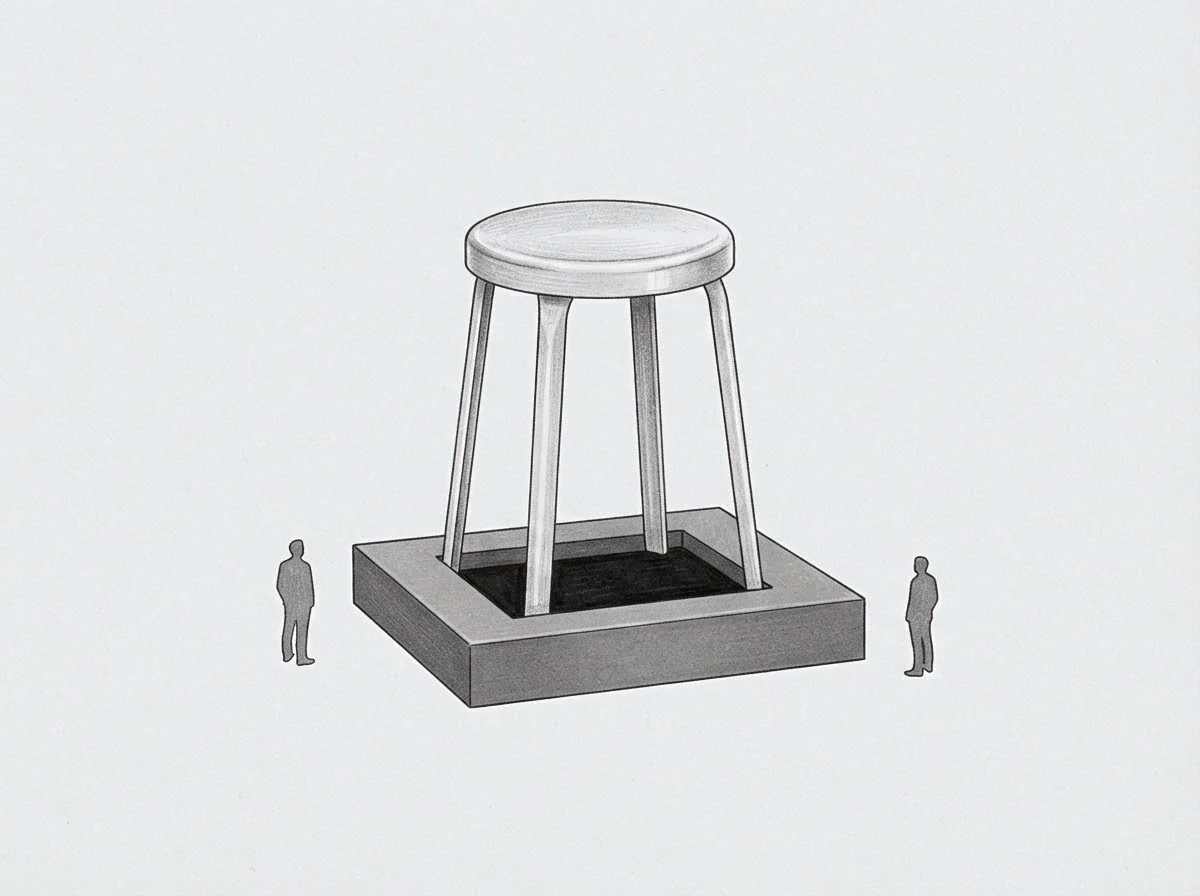
Signaling Priority Without Speed
Urgency management must rely on clear classification rather than immediate response. Establishing separate channels for catastrophic production failures isolates real emergencies from standard status inquiries. When counterparties know a emergency channel exists, their tolerance for delay on standard channels increases.
Lowering sympathetic arousal across a team requires protecting the lead operator from continuous availability. When leadership maintains constant responsiveness, the behavior propagates across all operational tiers. Enforcing response windows at the executive level establishes cultural permission for asynchronous focus across the entire organization.
Stating the limit early prevents the push that unstated availability invites.

Anchor
Preserving baseline nervous system recovery post-sprint requires protecting recovery windows during execution. State-gated acts depend on autonomic capacity, whereas decision-gated acts rely on conscious willpower. Under persistent sympathetic tone, decision capacity degrades rapidly.
Establishing structural walls preserves neural headroom and maintains analytical quality.
Allostatic load represents the cumulative physiological cost of chronic stress exposure. During sprints, this load accumulates through continuous hyper-vigilance, unmanaged context switching, and sleep disruption. Stated response windows act as allostatic buffers, creating daily parasympathetic recovery periods that limit total physiological stress accumulation.
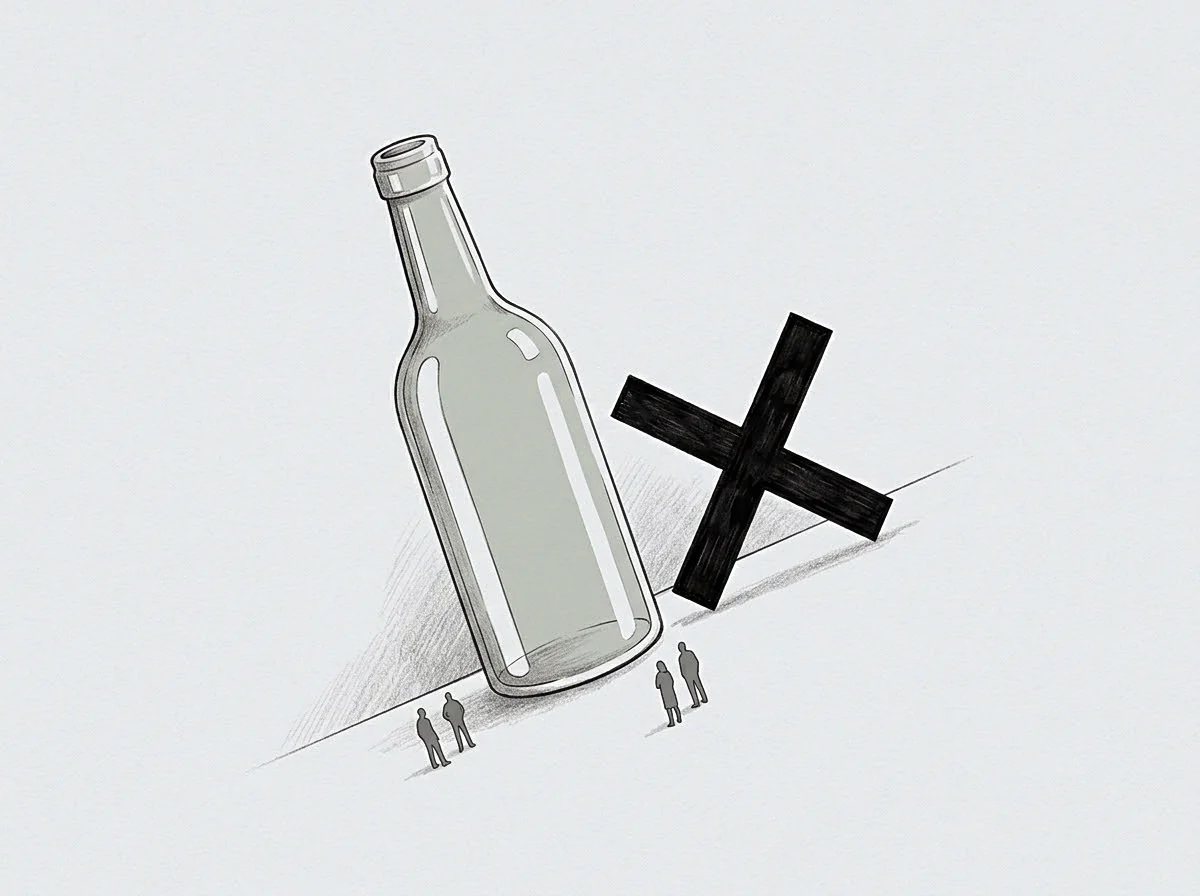
Preserving Autonomic Reserve
Long-term operational longevity demands structural management of physical energy reserves. Founders who run sprints on continuous availability exhaust their sympathetic reserve, leading to emotional detachment and operational drift. Protecting daily recovery windows ensures sustained output across multi-month delivery schedules.
When autonomic activation remains elevated through continuous vigilance, decision quality degrades long before production capacity fails.
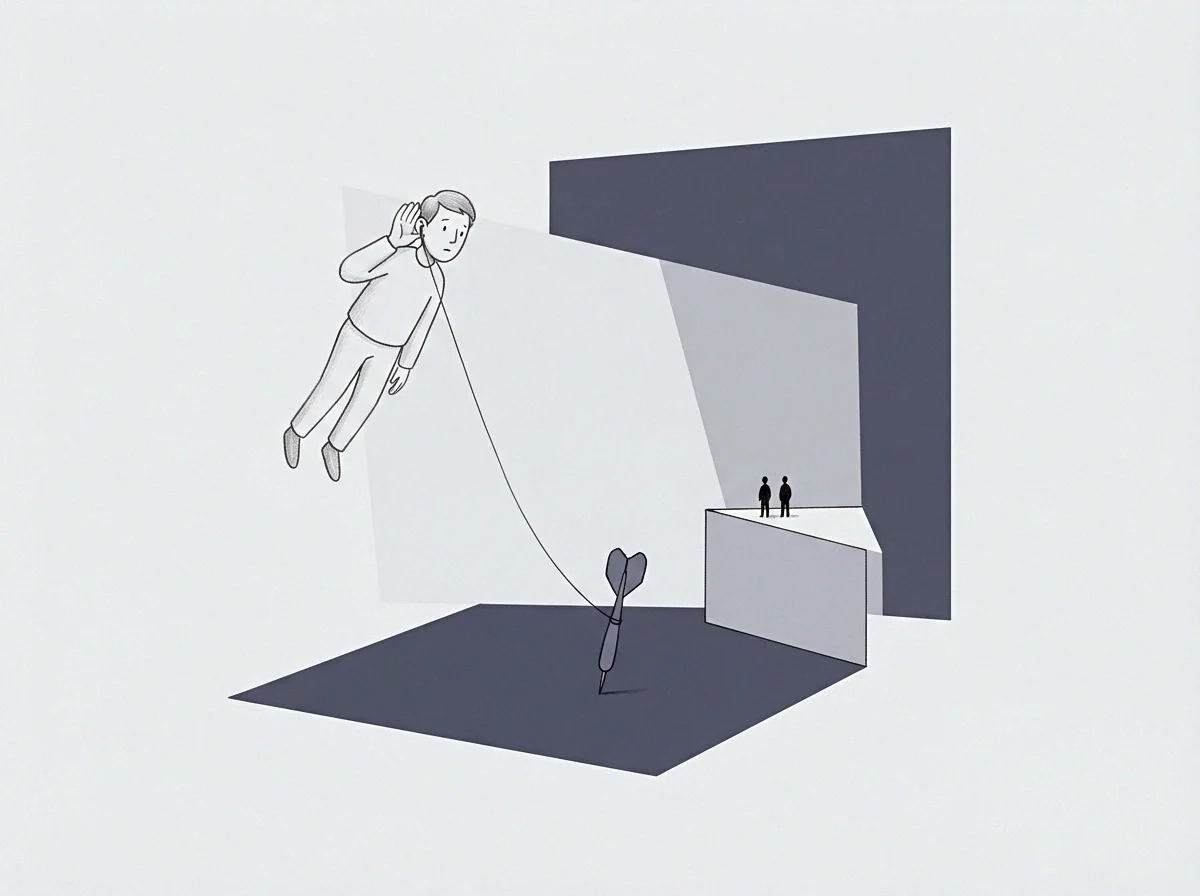
Longitudinal Load Transfer
Systemic resilience relies on transparent operational boundaries. When a founder protects focus time using stated response windows, the organization learns to solve localized problems independently rather than escalating every friction point immediately. This decentralized problem-solving strengthens operational autonomy across all teams.
The long-term health of an organization reflects the structural integrity of its communication rules. Unmanaged responsiveness consumes executive capacity, while structured availability yields sustained focus, baseline calm, and steady execution. Stated terms hold what willpower alone cannot defend.
What remains unknown is whether teams accustomed to real-time response patterns can maintain baseline psychological safety when transition latency extends beyond four hours.