Meaning
An adjustment process resets the internal standard of what constitutes a normal level of stress or exertion after a period of prolonged activation. When the demands on an individual remain high for years, baseline recalibration occurs as the brain accepts the intense workload as the new normal. The process prevents immediate failure but raises the risk of long-term fatigue because the individual no longer recognizes the early signs of exhaustion.
Cognitive Adjustment
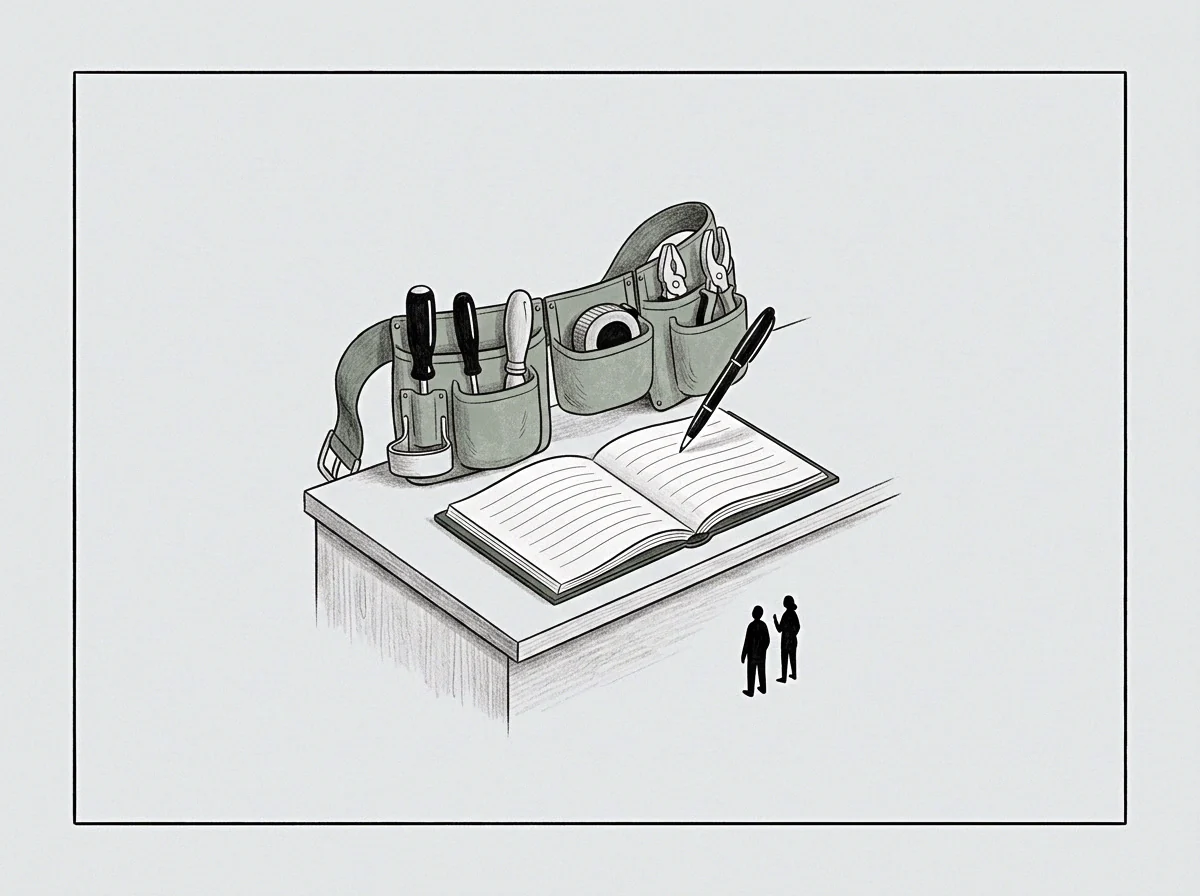
Mental systems require periods of rest to remain efficient, but chronic high performance alters these requirements. An individual undergoing baseline recalibration begins to view sixty-hour work weeks as light schedules and high-pressure crises as routine occurrences. This cognitive shift makes it difficult to assess personal health or the health of the organization accurately, as extreme conditions are treated as standard operational states.
Sensory Threshold
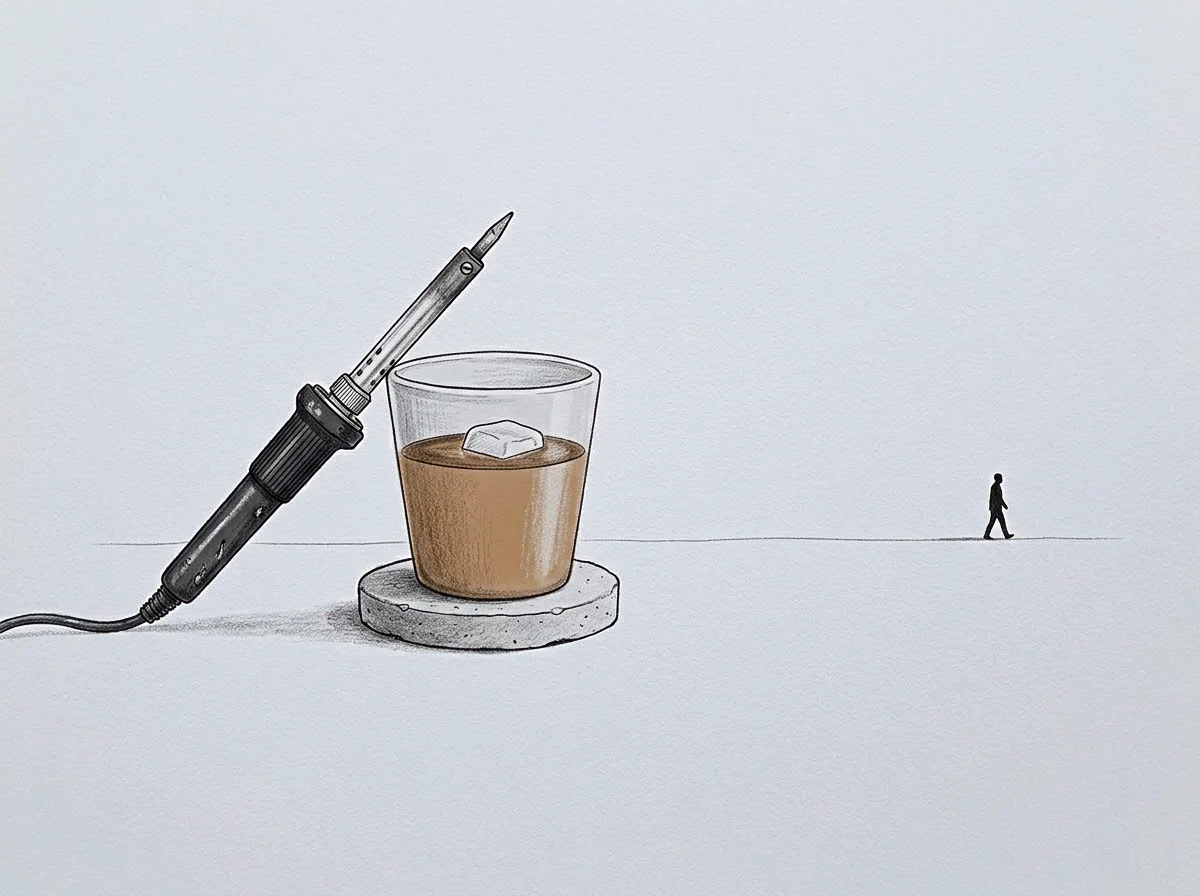
Sensory signals that would normally indicate a need for withdrawal are ignored or suppressed under this new regime. Because the nervous system has adjusted its sensitivity, the person fails to register muscle tension or sleep disturbances until these issues become severe. The change in perception creates a disconnect between actual bodily strain and the conscious experience of stress, allowing the individual to continue working despite advanced physical exhaustion.
Over months of high pressure, the brain downregulates its response to cortisol, making the person less sensitive to the chemical messengers of anxiety. This desensitization means that only extreme threats can register as stressful, which further drives the individual toward high-risk, high-reward scenarios.
Behavioral Alignment
Re-establishing a healthier baseline requires deliberate exposure to low-stress environments over several weeks or months. Without this restorative phase, the recalibrated individual will continuously seek out high-pressure situations to match their elevated internal setpoint, perpetuating a destructive cycle of overwork. Eventually, this pattern leads to a sudden drop in capacity, forcing an involuntary pause that could have been avoided with proactive intervention.