
Executive Throttling Identification Protocols Under High Allostatic Stress
Executive throttling is protective prefrontal capacity preservation under high allostatic wear, distinct from clinical depression or operational failure.

Index
Four unread operational messages sit on an illuminated screen at midnight while the person in the seat reads the same sentence three times without processing the clause. External observers routinely label this state as fatigue, burnout, or clinical depression. Physiology reveals a distinct state: executive throttling under acute allostatic load.
The endocrine system maintains elevated cortisol and sympathetic tone, holding the baseline active, while the prefrontal cortex restricts access to complex working memory slots to protect core systemic functions. Execution on routine tactical outputs continues without interruption, yet strategic synthesis, emotional availability, and novel decision making encounter an immediate wall.
Allostatic load measures the cumulative physical wear generated by repeated neural or neuroendocrine responses to chronic environmental stress. When incoming demands exceed available regulatory capacity, the central nervous system does not collapse randomly. The prefrontal architecture invokes defensive throttling, selectively disabling high-cost cognitive processes while keeping baseline execution online.
Misinterpreting this state as affective depression leads to incorrect interventions. Standard psychiatric protocols emphasizing rest or cognitive reframing fail to restore function because the underlying system lacks the raw regulatory headroom required to process those inputs.
The distinction between throttling and failure hinges on observable system responses under pressure. An executive experiencing clinical depression exhibits pervasive anhedonia, passive helplessness, and systemic motor retardation across all domains regardless of demand. A throttled executive displays localized cognitive freezing specifically at the decision gate, accompanied by normal or heightened speed on low-friction tactical tasks.
The throttled state represents active capacity preservation rather than systemic shutdown. Biological measures confirm persistent autonomic arousal, elevated heart rate variability suppression, and elevated basal catecholamines during throttling, confirming that the regulatory machinery operates at ceiling rather than in a collapsed state.
When governing boards or operational partners treat executive throttling as a personal mood deficit or a temporary loss of motivation, they apply pressure to force engagement. Escalating pressure on a system running at regulatory ceiling increases allostatic wear, forcing the central nervous system to shift from protective throttling into genuine, severe functional collapse.

Floor
Biological regulatory capacity operates with a concrete floor. Human cognitive architecture processes high-ambiguity inputs through a limited working memory buffer, historically quantified as four simultaneous information chunks. Under sustained allostatic load, the neural bandwidth allocated to this buffer contracts.
The contraction alters the physical floor of daily execution, reducing the number of un-gated open loops an individual can maintain without triggering sympathetic defensive reactions.
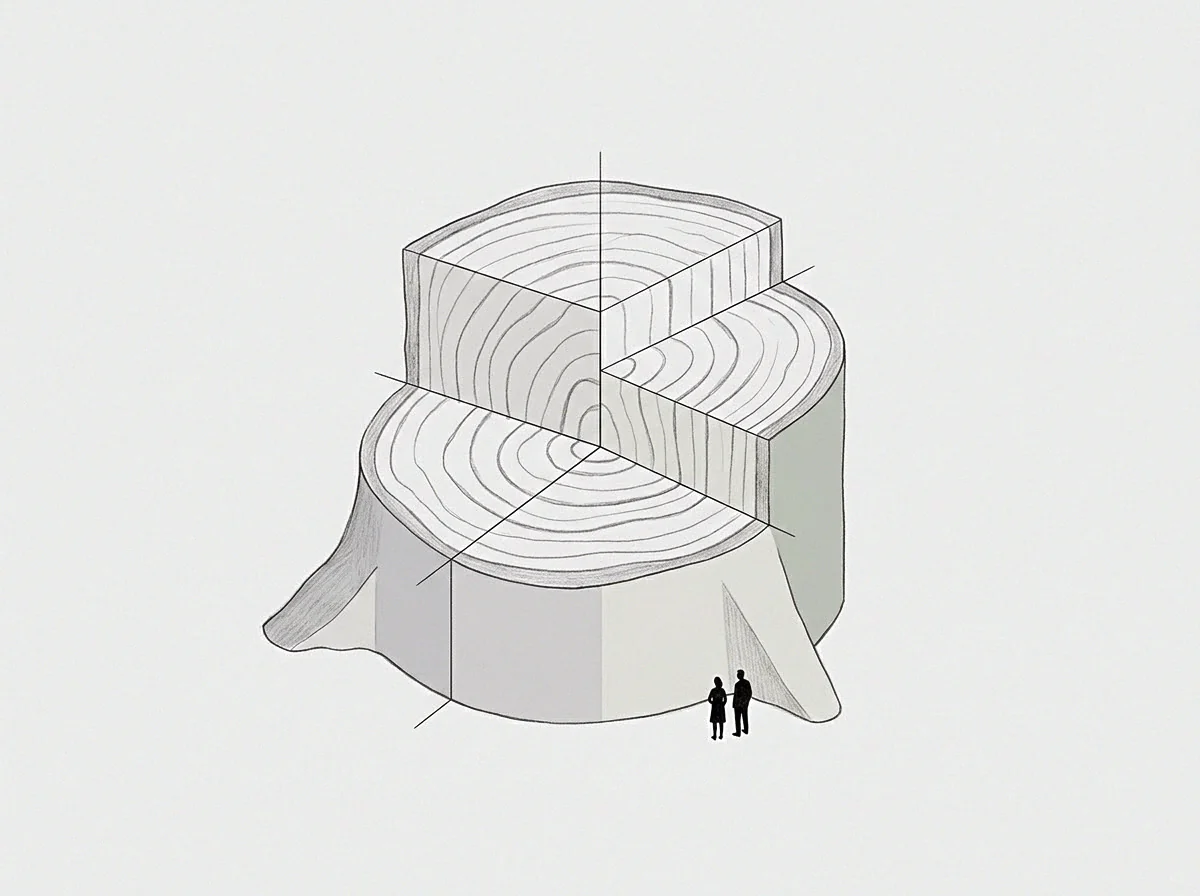
Which Operational Indicators Signal Severe Allostatic Wear?
The physical body registers regulatory exhaustion well before subjective self-reports reflect the breach. Gastrointestinal motility changes, altered sleep architecture featuring early morning awakening, and a sharp reduction in verbal fluidity mark the arrival of the physiological ceiling. The executive continues to enter the room, sign legal agreements, and review spreadsheets, but the cognitive operational buffer has shrunk from four active threads to one.
Attempting to force a second ambiguous thread into the active buffer causes immediate cognitive freezing or rapid irritability.
The physical body registers regulatory exhaustion well before subjective self-reports reflect the breach.
Recognizing the floor requires tracking concrete behavioral manifestations rather than internal emotional reflections. The manifest signatures of executive throttling follow a consistent pattern across high-demand environments:
- Working memory fragmentation manifests when simple numerical inputs or multi-step logical sequences require repeated reading, indicating prefrontal processing saturation.
- Affective flattening occurs during critical strategic discussions, serving as a biological dampening strategy to prevent complete autonomic overload.
- Selective task hyper-fixation emerges on non-essential, low-ambiguity tasks like inbox organization or document formatting while high-stakes decisions remain untouched.
- Somatic tension elevation presents as persistent jaw clenching, shallow thoracic breathing, and muscular rigidity during standard operational conversations.
Consider two executives managing identical company turnarounds involving thirty employees and constrained cash runways. The first operator maintains explicit boundaries around open loops, routing every inbound query into a scheduled review window with defined terms. The second operator leaves communication channels un-gated, receiving real-time notifications across six platforms.
Within ninety days, the second operator displays severe working memory fragmentation and affective flattening, while the first operator retains processing headroom despite identical macro stress. The difference stems not from internal mental toughness, but from the raw number of ungated loops consuming active working memory slots.
Regulatory headroom decays in direct proportion to the volume of un-gated incoming demands.

Loop
An open loop consumes prefrontal processing power regardless of its strategic weight. A complex merger negotiation, an unstated tension with a co-founder, and a pending decision about office furniture each occupy exactly one mental slot if left ungated. Executive throttling occurs when the total number of open loops exceeds available slot capacity under current allostatic load.
The brain treats every un-gated item as an urgent survival variable, continuously recycling background neural computations to maintain readiness.
The social environment routinely amplifies loop density through borrowed regulation. Founders and executive leaders frequently absorb the unprocessed anxiety of their management teams, functioning as external emotional stabilizers for the surrounding organization. When team members project un-gated panic upward, the executive central nervous system processes those inputs as additional active survival loops.
This passive absorption depletes the regulatory floor rapidly, leaving zero capacity for primary operational decisions.
| Evaluation Vector | Executive Throttling State | Clinical Depression State |
|---|---|---|
| Autonomic Nervous System Tone | Hyper-aroused, high basal sympathetic activity, reduced heart rate variability | Hypo-aroused, low drive, persistent baseline lethargy across systems |
| Response to Clear Scope and Terms | Immediate execution upon removal of ambiguity and reduction of open loops | Persistent inability to initiate action regardless of task clarity or structure |
| Working Memory Capacity | Locally constrained by open loops, fully functional on isolated single threads | Globally impaired memory retrieval and processing across all domains |
| Affective Range | Contextually flattened under load, intact during structured offline periods | Pervasively flat or melancholic across all environments continuously |
Systemic recovery cannot occur while un-gated loops remain active in memory buffers. Converting an open loop into a parked item requires specifying three variables: precise scope, defined completion date, and unambiguous success terms. A pending conversation regarding shareholder rights costs ten times more capacity when floating without an assigned review window than when assigned to a specific Thursday session with defined parameters.
Converting an un-gated loop into a parked item requires defining its scope, date, and terms.
The immediate introduction of explicit scope, date, and terms into floating operational items instantly restores usable prefrontal processing capacity.
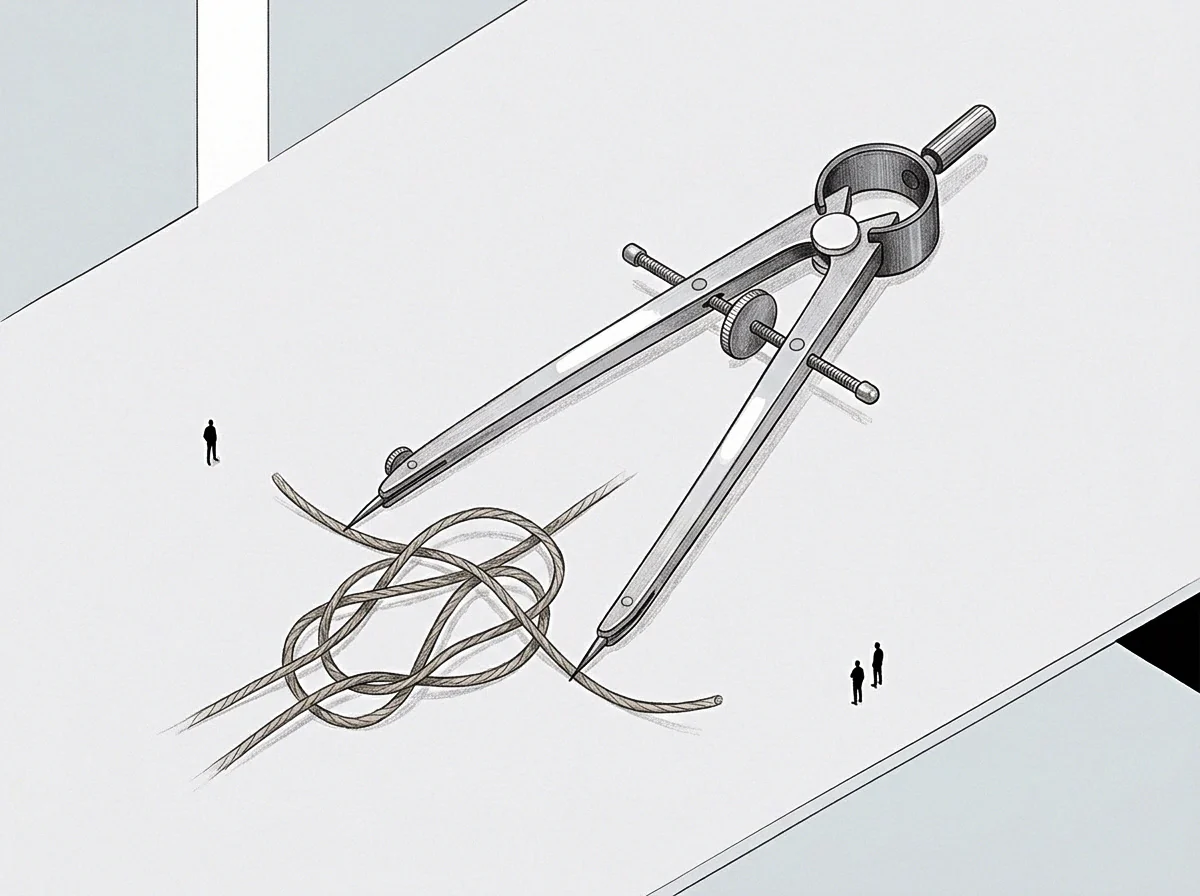
Ping
The modern enterprise environment exposes leadership seats to constant availability pings. Every un-gated message, notification, or informal check-in sends an implicit signal demanding regulatory evaluation. The central nervous system registers each incoming ping as a potential shift in environmental safety.
When an executive runs at regulatory ceiling, the arrival of ten pings an hour guarantees continuous high-frequency cognitive task switching, accelerating allostatic wear and precipitating severe functional throttling.
Counterparties routinely misinterpret the quiet produced by executive throttling. Co-founders, board members, and key operators read silent periods or delayed responses as disinterest, strategic misalignment, or personal negligence. They frequently respond by increasing communication frequency, sending follow-up pings that escalate the incoming load on an already throttled buffer.
The interaction forms a destructive feedback loop where counterparty panic compounds executive exhaustion.
Take an arrangement involving two co-founders during a series B fundraise. Founder A holds primary responsibility for board management and financial modeling, running at ceiling for six consecutive weeks. Founder B notices Founder A taking twenty-four hours to reply to internal updates and interprets this latency as a breach of commitment.
Founder B sends five urgent messages demanding clarification on alignment. The incoming pings breach Founder A’s remaining regulatory buffer, triggering complete communication withdrawal. Had Founder B understood the throttling mechanism, the correct move would have involved consolidating queries into a single structured summary with defined decision criteria.
Counterparty panic compounds executive exhaustion when communication latency is misread as disinterest.
Shedding ungated load under severe allostatic stress requires a systematic protocol rather than informal efforts to manage time:
- Audit active communication channels to identify un-gated ping streams entering working buffers.
- Establish explicit latency parameters, declaring fixed update windows for internal and external stakeholders.
- Convert floating verbal requests into structured written submissions specifying required inputs and decisions.
- Delegate operational triage gates to designated staff, preventing raw ambient noise from reaching the executive seat.
The team requires immediate answers, but the executive seat is completely empty and unresponsive.

Hook
Long-term operational resilience depends on designing structural gates around the executive seat. Relying on personal willpower or emotional regulation to manage chronic demand guarantees regulatory failure once allostatic load crosses critical thresholds. Structural gates function as biological circuit breakers, stopping un-gated inputs before they breach the prefrontal working memory buffer.
The design of these gates must remain completely independent of the executive’s day-to-day emotional state.
A functional gate transforms incoming ambiguous demands into structured items with pre-assigned processing slots. When an unscheduled operational crisis emerges, the gate protocol prevents real-time processing unless the issue meets pre-defined emergency criteria. Issues failing to meet those criteria route automatically to designated parking areas with fixed resolution timelines.
This isolation preserves the executive’s remaining regulatory headroom for genuine strategic inflection points.
A functional gate transforms incoming ambiguous demands into structured items with pre-assigned processing slots.
Setting hard limits on concurrency forms the second pillar of capacity protection. Managing three strategic initiatives with absolute focus yields higher operational throughput than attempting to advance eight initiatives simultaneously under throttled conditions. Reducing active concurrency frees system slots, allowing allostatic wear to decay naturally while core execution maintains quality.
The restoration of full regulatory headroom requires sustained periods where zero ungated loops enter active processing buffers. As allostatic wear recedes, working memory capacity expands naturally back toward its original floor. Leaders who systematically construct structural gates, constrain active concurrency, and convert open loops into defined parked lines preserve executive capacity through extreme operational stress, maintaining clear decision capabilities when surrounding systems encounter crisis.