
Quantifying Physiological Limits Of Continuous Coregulation In Enterprise Leadership Architecture
Continuous coregulation transfers organizational stress to the executive nervous system, inducing metabolic throttling when ungated threads exceed autonomic headroom.

Toll
Social baseline theory establishes that the human nervous system conserves internal metabolic resources by distributing regulatory demands across proximate, reliable conspecifics. Physical proximity, vocal tone, and predictable behavioral patterns allow individuals to offload the physiological cost of environmental monitoring and emotional stabilization onto others. In enterprise leadership architectures, the founder or chief executive operates as the primary regulatory anchor for the organization.
Subordinates, co-founders, and board members unconsciously utilize access to this anchor to settle their own autonomic nervous systems during periods of operational volatility.
This biological offloading creates a asymmetric metabolic drain. While downstream team members experience reduced sympathetic arousal following interactions with a grounded leader, the leader absorbs a continuous coregulatory debt. The physiology of the individual at the center of the organization must continuously adapt to accommodate the unresolved distress of multiple incoming signals.
Sustained allostatic load degrades cognitive flexibility. The regulatory node absorbs ambient shock.
Grounded presence during acute organizational distress transfers autonomic strain directly onto the central nervous system of the anchor.
When continuous coregulation runs without structured recovery windows, the baseline hypothalamic-pituitary-adrenal axis activity remains elevated. Glucocorticoid secretion persists past the point of acute utility, altering gene expression in neural tissue and downregulating hippocampal glucocorticoid receptors. The physiological cost is not felt immediately as emotional distress; it registers as subtle changes in heart rate variability, disrupted sleep architecture, and an elevated basal metabolic rate during rest.
The total metabolic expenditure required to maintain executive function under continuous coregulatory demand depends on three variables: signal volume, signal intensity, and the baseline autonomic stability of the counterparties. A leader interacting with five highly dysregulated direct reports expends significantly more glucose and neurochemical precursors per hour than a leader interacting with five self-regulating operators. The baseline cost remains measurable.
Whether an executive nervous system can maintain metabolic equilibrium when incoming coregulatory demand exceeds physiological synthesis capacity over a multi-year timeline remains unproven across occupational physiology literature.
Post
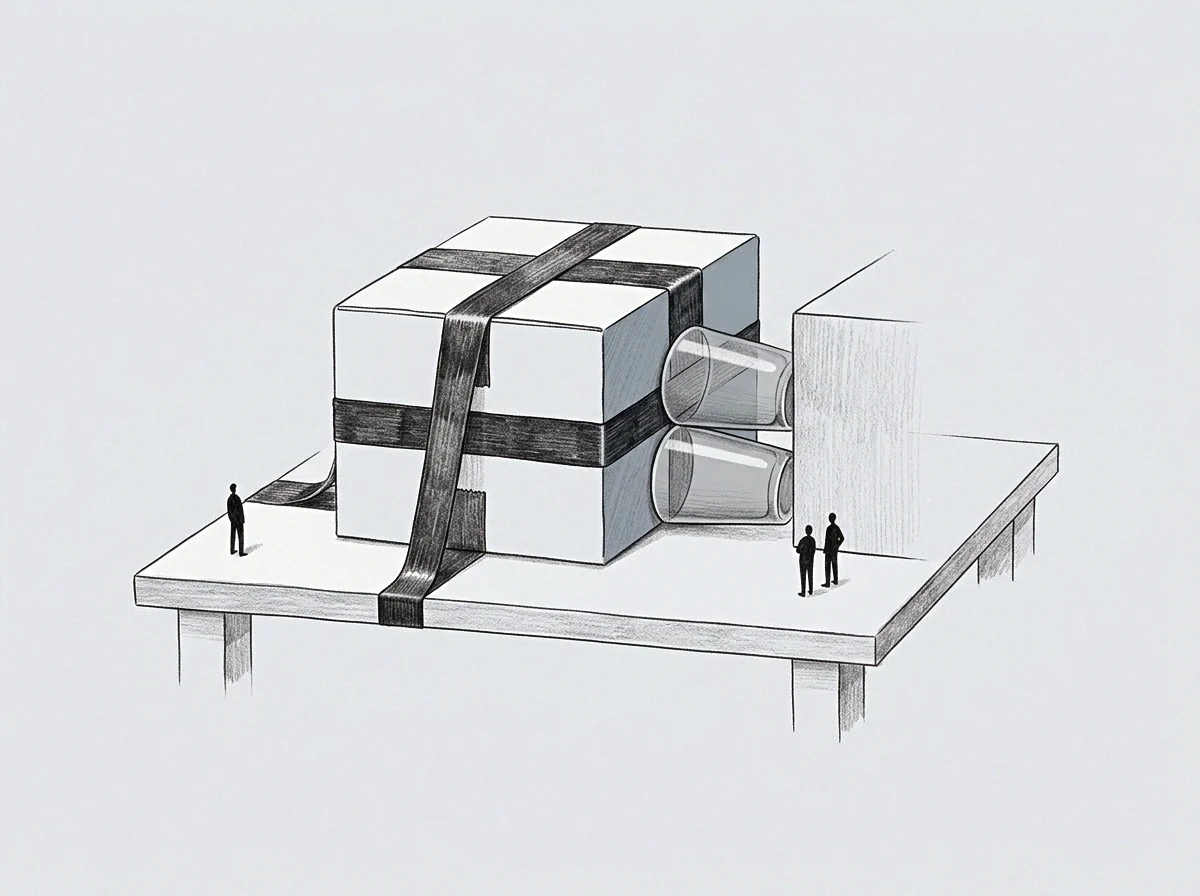
The physical and digital communication topography of the executive seat determines the velocity of incoming regulatory requests. Direct messaging channels, unscheduled drop-ins, and open-door policies convert the leadership desk into an unbuffered clearinghouse for ambient organizational anxiety. Every ping, notification, and emergency meeting request functions as a stimulus requiring an autonomic response.
The nervous system evaluates each input to determine whether the counterparty requires reassurance, strategic reorientation, or emotional grounding.
Unbuffered pings tax central nervous reserves. The cumulative toll of these low-amplitude interactions exceeds the cost of structured, high-stakes decision-making. Continuous micro-adjustments of facial expression, vocal pitch, and posture to reassure anxious team members consume significant physiological headroom.
- Autonomic Baseline Elevation occurs when continuous incoming coregulatory requests prevent the executive sympathetic nervous system from returning to a resting state during work hours.
- Attunement Exhaustion sets in as the prefrontal cortex loses the capacity to interpret subtle social signals accurately after hours of continuous interpersonal calibration.
- Regulatory Leakage manifests when the drained leader involuntarily projects micro-expressions of fatigue or irritation, which downstream teams interpret as organizational threat.
The physical structure of the work day frequently compounds this load. Executive schedules constructed as back-to-back thirty-minute allocations leave zero metabolic buffer between distinct coregulatory environments. Transitioning immediately from a tense investor conversation to an internal performance coaching session forces the nervous system to execute rapid physiological recalibrations without resetting its baseline state.
Open channels create continuous micro-demand that depletes autonomic headroom long before strategic capacity collapses.
The seat fixes the metabolic toll. Over time, the executive desk becomes biologically associated with continuous high-demand coregulation, triggering anticipatory sympathetic elevation the moment the leader enters the workplace or opens a communication portal. This biological conditioning ensures that even nominal administrative tasks performed at the primary desk incur the metabolic cost of high-stakes emotional regulation.
In an unbuffered communication environment, the volume of incoming coregulatory demands expands to match the physiological capacity of the person occupying the seat.

Valve
Under chronic coregulatory overload, the central nervous system initiates a protective physiological downregulation termed throttling. Throttling represents an adaptive autonomic defense mechanism designed to prevent systemic physiological damage when allostatic load approaches metabolic capacity. The brain purposefully dampens emotional responsiveness, narrows cognitive focus, and reduces social motivation to conserve remaining energetic resources.
Throttling protects systemic survival.
Diagnostic confusion frequently arises when organizational observers misinterpret this physiological throttling as clinical depression or a decline in professional competence. Where clinical depression involves pervasive feelings of worthlessness and cognitive despair across all domains, physiological throttling is a targeted conservation response. A throttled executive remains capable of executing cold strategic logic but loses the biological headroom required to offer warm, empathetic coregulation to surrounding team members.
| Evaluation Metric | Throttled Adaptation | Decompensated Failure | Depressive Reading |
|---|---|---|---|
| Autonomic Tone | Elevated sympathetic baseline with flattened parasympathetic recovery capacity | Complete autonomic exhaustion with unstable parasympathetic rebounds | Low overall autonomic arousal with blunted reactivity across states |
| Social Availability | Targeted withdrawal from coregulatory demands while maintaining task execution | Inability to process incoming social inputs or execute complex tasks | Generalized withdrawal driven by internal cognitive disengagement |
| Cognitive Processing | Narrowed focus, highly efficient for single-threaded logical problems | Fragmented attention, memory lapses, decision paralysis under load | Slowing of thought processing speed and persistent negative rumination |
| Recovery Trigger | Rapid restoration following absolute isolation and structural gating | Extended medical intervention and complete removal from stress sources | Pharmacological or therapeutic intervention targeting mood mechanisms |
Applying therapeutic interventions aimed at increasing emotional openness to a throttled executive deepens the metabolic deficit. Forcing an already overloaded nervous system to increase its coregulatory output accelerates the transition from structured throttling to decompensated system failure. The biological valve exists to limit throughput; attempting to override it forces the system past its metabolic breaking point.
Autonomic recovery requires absolute cognitive silence. When an organization responds to executive throttling by increasing meeting cadences, demanding more explicit communication, or scheduling relational alignment sessions, the total load escalates. The throttled leader either shuts down communication completely or experiences acute physiological decompensation.
Mistaking autonomic throttling for emotional disengagement causes organizations to apply corrective pressure that accelerates systemic collapse.
Pathologizing a functional biological defense mechanism causes leadership teams to implement interventions that systematically destroy remaining executive capacity.

Band
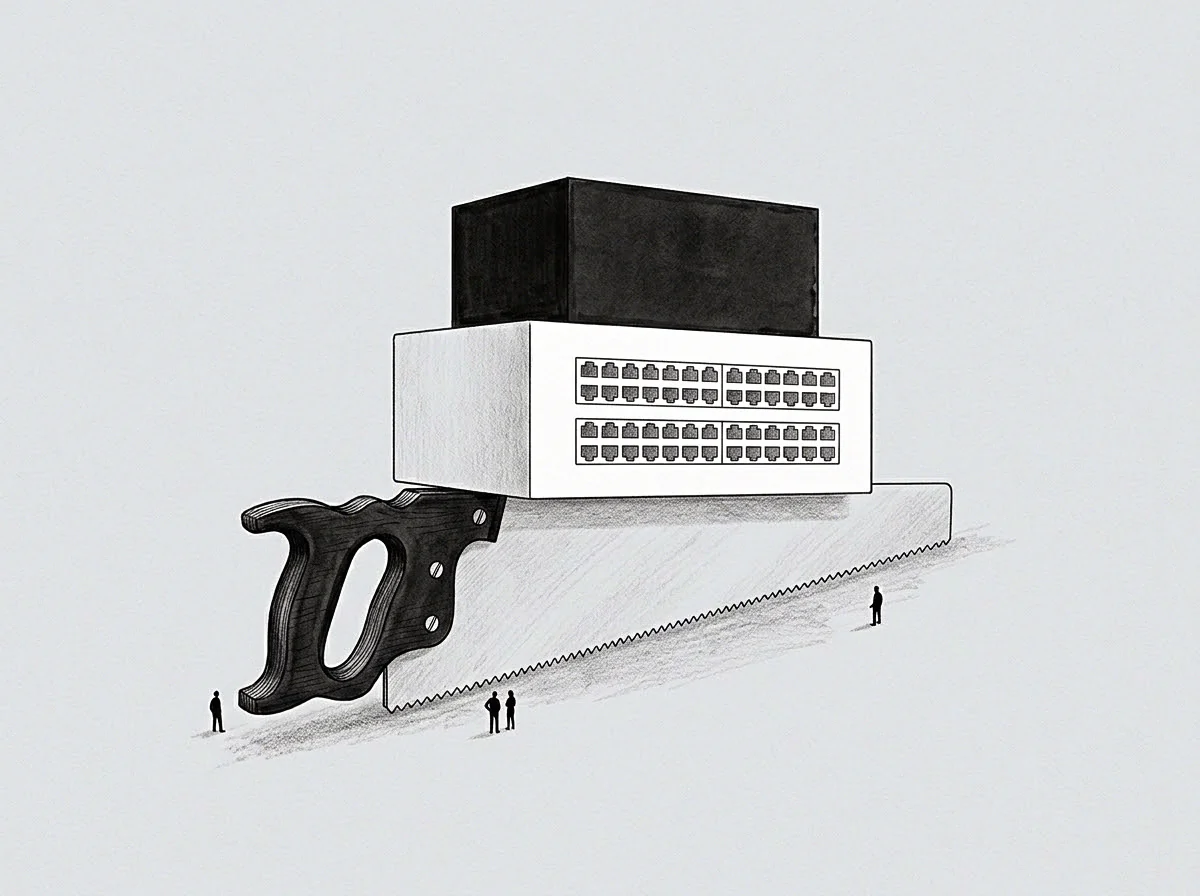
The capacity to sustain coregulation across an enterprise depends on the concurrency count of open loops rather than the total volume of formal projects. An open loop is an ambiguous organizational dynamic, an unstated equity dispute, an unresolved performance issue, or an unclear strategic direction. Every unhedged loop burns physiological headroom.
The nervous system tracks open threads. An ungated thread requires continuous background monitoring by the central nervous system. The brain treats unresolved interpersonal tension with a key co-founder as an active threat, allocating constant neural bandwidth to scan for potential outcomes.
When an executive holds twenty open loops simultaneously, the metabolic cost of maintaining that background state exhausts the daily glucose budget before any intentional strategic work begins.
How Does Thread Concurrency Deplete Metabolic Headroom?
Each active thread consumes one metabolic slot in the executive operating system. A fully gated thread, defined by clear terms, explicit dates, and defined scope, frees its slot regardless of the project’s actual completion date. An ungated thread of minor strategic importance consumes a full slot continuously as long as its parameters remain undefined.
The body registers ungated demand. When an executive attempts to coregulate an entire leadership team while holding fifteen ungated structural threads, the autonomic nervous system reaches its concurrency ceiling. At this threshold, the capacity to process new emotional inputs from team members drops to zero.
The leader experiences sudden cognitive friction, where standard interpersonal interactions evoke an intense urge to escape the immediate environment.
Consider an enterprise founder who manages four direct reports while navigating an unhedged board dispute regarding valuation metrics. If the board dispute remains ungated, with unstructured communication channels and no settled resolution timeline, it consumes three out of the founder’s available five high-capacity regulatory slots. The remaining two slots are quickly saturated by the daily coregulatory needs of the executive team.
When a minor operational conflict arises between the chief technology officer and the head of product, the founder has zero available slots to process the dynamic. The founder either reacts with explosive irritation or completely disengages from the discussion.
The team members leave the interaction with their own anxieties unassuaged, assuming the silence indicates an unstated operational disaster.

Frame
Protecting the coregulatory node of an enterprise requires structural architectural gates rather than behavioral self-regulation strategies. Behavioral strategies, such as intentional breathing or cognitive reframing, require active executive effort, drawing from the same finite pool of glucose and neurochemical reserves required for strategic decision-making. Structural gates reconfigure the flow of information and access to ensure incoming demands do not exceed biological limits.
Gated pathways preserve executive function. Establishing structural boundaries around the coregulation node preserves long-term organizational stability.
- Communication channels are strictly partitioned into asynchronous informational streams and real-time coregulatory slots, limiting real-time access to predefined hours.
- Escalation protocols require direct reports to present fully framed options with stated trade-offs before engaging the executive node, converting open-ended emotional dumps into discrete logic operations.
- Co-founder disputes are assigned explicit review dates and terms, moving the issue from an active background loop to a parked state until the scheduled window opens.
- Direct reports are systematically evaluated for their independent self-regulatory capacity, ensuring that individuals who place excessive, unbuffered demands on the central node are managed out or repositioned.
Clear terms restore regulatory headroom. Implementing structural gating initially generates friction within executive teams accustomed to continuous coregulatory access. Downstream managers may experience heightened anxiety when their primary regulatory anchor becomes structurally less available.
This short-term rise in manager anxiety is the necessary operational cost of preserving the long-term metabolic viability of the leadership architecture.
Architectural gating transfers the responsibility for autonomic regulation back to individual operators across the firm.
The transition from open coregulatory availability to gated structural access transforms the operating baseline of the leadership team. Downstream operators are forced to develop internal regulatory mechanisms or build peer-level support networks, distributing the coregulatory load across the firm rather than concentrating it at a single point of physiological failure.
A written agreement specifying that executive access is restricted to structured operational reviews except under stated emergency criteria converts an ungated coregulatory drain into a bounded, predictable transaction.