
Vagal Rebound Latency After Stepping Down From Management Seats
Executive departure produces delayed parasympathetic activation because the central nervous system maintains autonomic vigilance long after structural authority ends.
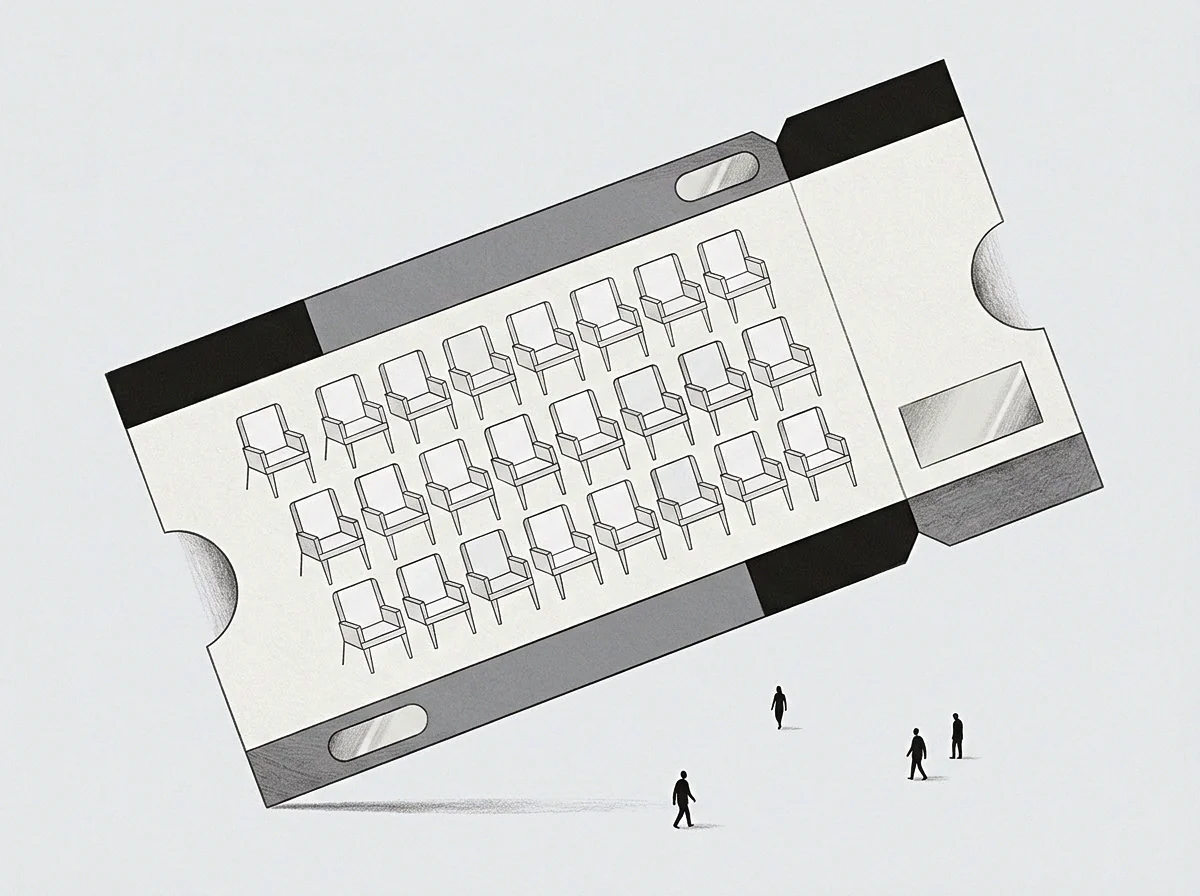
Shift
Formal resignation from an executive seat or founder role rarely produces immediate physiological relief. Four weeks after relinquishing operational control, the former chief executive sits in an empty room, yet heart rate dynamics remain identical to the period of active governance. The autonomic nervous system does not read legal execution dates or public announcements.
Central neuroendocrine activation persists as long as the neural circuitry senses ambient operational risk.
The temporal delay between structural departure and parasympathetic activation defines vagal rebound latency. During chronic leadership demands, the vagal brake remains chronically suppressed to sustain high sympathetic tonus, elevated cardiac output, and constant cognitive readiness. When the objective workload stops abruptly, the brainstem does not instantly re-engage parasympathetic outflow through the nucleus ambiguus.
The body maintains emergency readiness long after operational authority ends.
This prolonged lag stems from cumulative allostatic load. Chronic regulatory demand alters baroreflex sensitivity and blunts parasympathetic tone. The autonomic nervous system requires sustained evidence of safety before restoring cardiac vagal modulation.
The physiological cost accumulates over years of continuous responsibility. When the seat is vacated, neural pathways continue firing under the baseline assumption that an acute crisis requires immediate intervention.
The body remembers the seat. Removing an executive from an operational seat without addressing persistent ambient inputs keeps the autonomic system trapped in high-frequency vigilance. Transitioning out of high-stakes seats without structured neural de-escalation leads to chronic somatic exhaustion, sustained sleep architectural fragmentation, and prolonged parasympathetic suppression.
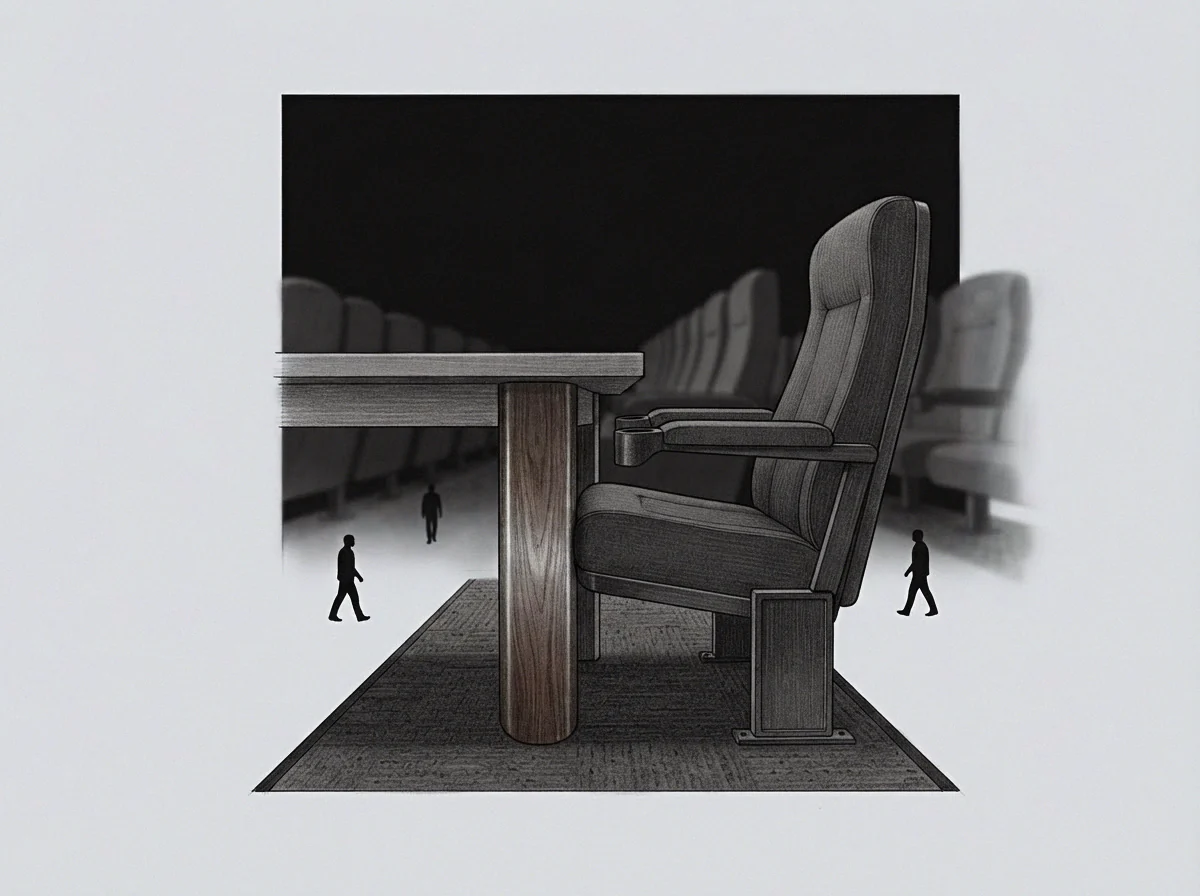
Chair
The executive chair functions as both a physical artifact and a neural node. Sitting in a position of final authority forces the central nervous system to hold continuous background threads. Every unread message, pending governance split, and unresolved strategic risk occupies an open slot in working memory and autonomic balance.
Stepping away physically does not automatically clear these slots.
When an individual surrenders the title, informal communication pathways often persist. A quick consultation request from a former partner or a brief look at financial statements reactivates the precise neural pathways that governed active management. The autonomic system treats partial detachment identically to full active oversight.
The open loop costs a slot.
Sustained sympathetic activation suppresses parasympathetic rebound until the central nervous system registers the complete removal of ambient vigilance demands.
Observations across executive transitions highlight distinct failure modes in autonomic recovery:
- Sustained vagal suppression occurs when real-time operational notifications continue arriving on personal communication hardware.
- Unresolved fiduciary open loops maintain central neural arousal even after board resignation documents are signed.
- Borrowed regulatory signaling collapses when daily structural interactions with operating teams cease abruptly without alternative physical anchors.
The social environment often misinterprets this post-exit physiological state. Former colleagues assume that relinquishing operational authority generates immediate cognitive freedom and physical rest. The outgoing founder remains expected to provide immediate clarity, continuous perspective, and historical memory without recognizing the ongoing autonomic price.

Lull
A distinct physiological state occurs in the weeks following full operational severance. Rather than experiencing energetic renewal, the individual frequently enters a phase marked by profound physical lethargy, uncharacteristic affective blunting, and dysregulated circadian rhythms. This period represents an acute drop in systemic catecholamines prior to the re-establishment of robust vagal tone.
The distinction between pathological depressive collapse and physiological vagal rebound latency centers on cardiac autonomic indices. In clinical depression, high-frequency heart rate variability remains chronically blunted alongside persistent dysregulation of the hypothalamic-pituitary-adrenal axis. In vagal rebound latency, systemic sympathetic tone drops sharply while parasympathetic reactivity exhibits a delayed, oscillatory recovery curve.
The system is resting its primary accelerators while waiting for the steering mechanisms to re-engage.
The physiological cost accumulates. The autonomic nervous system holds tone until the environment establishes persistent low-demand predictability. The table below outlines the physiological transition parameters across three distinct executive states.
| Physiological Metric | Chronically Throttled Seat | Vagal Rebound Latency | Normalized Baseline |
|---|---|---|---|
| High-Frequency HRV (ms²) | 12 to 22 | 18 to 30 (oscillatory) | 45 to 70 |
| Resting Heart Rate (BPM) | 72 to 86 | 64 to 78 | 54 to 62 |
| Salivary Cortisol Awakening Response | Flattened or hyper-reactive | Blunted morning peak | Normal diurnal rhythm |
| Cognitive Thread Capacity | Sustained (high wear) | Severely constrained | Fully restored |
Retaining informal advisory channels delays parasympathetic recovery by preserving ungated operational inputs.
Restoring autonomic flexibility requires managing the duration of the rebound latency phase. Attempting to force immediate cognitive productivity during this window deepens systemic wear. The organ demands rest.
The autonomic system recalibrates only when external demand remains consistently below current capacity over an extended temporal threshold.
Somatic recovery begins only after the calendar clears of unscripted external obligations.
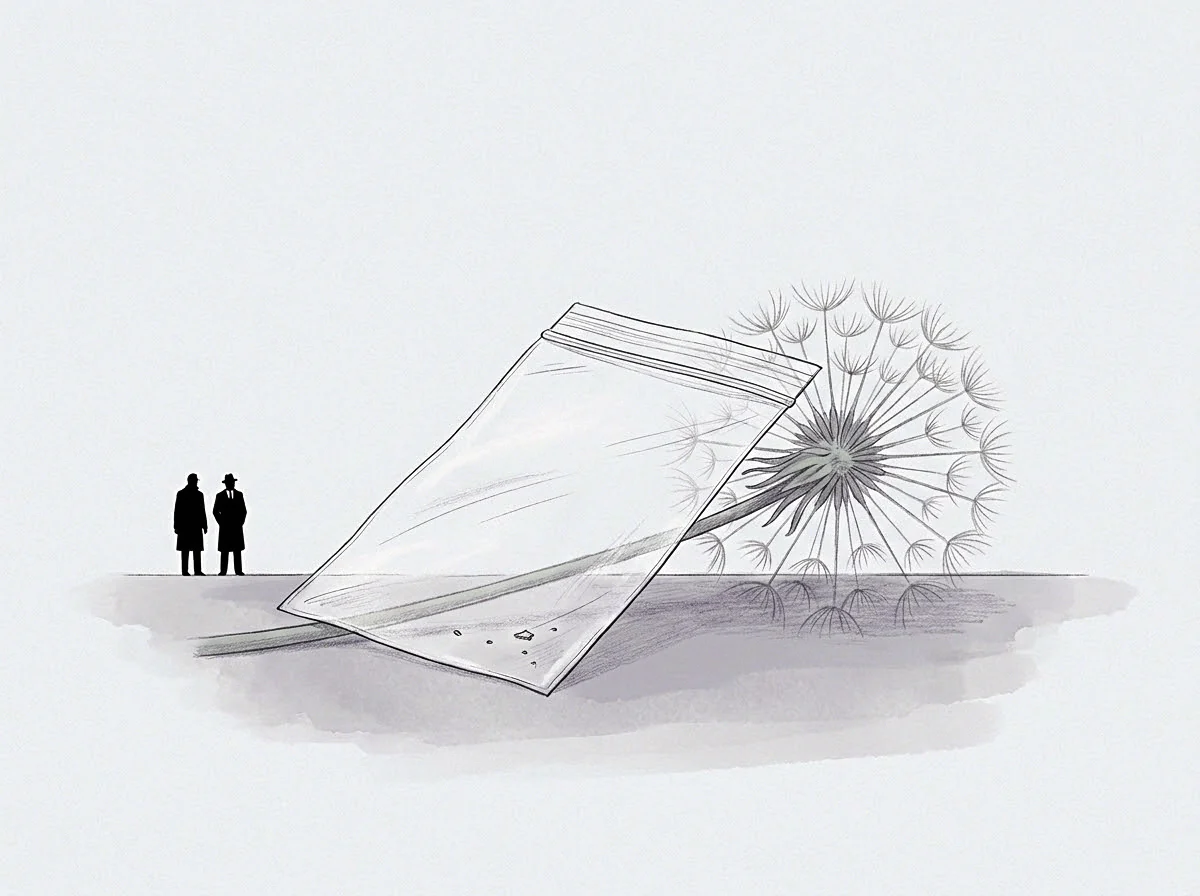
Drift
The phase following executive departure involves an unanchored temporal space where daily structure vanishes while internal tension persists. High-capacity individuals routinely attempt to fill this drift with new ventures, board appointments, or complex personal projects. Doing so immediately re-engages sympathetic dominance, short-circuiting the vagal recovery process before parasympathetic tonus normalizes.

How Long Does Autonomic Normalization Take?
Data from occupational stress physiology indicates that full parasympathetic normalization following chronic multi-year exposure to executive-level operational stress takes between three and twelve months. The recovery timeline depends directly on the strictness of the boundary conditions established upon departure.
The sequence for structural neurobiological recovery follows three defined steps:
- Complete severance of real-time operational communication channels for a minimum defined epoch.
- Transfer of all remaining governance decisions to explicit written escalation protocols with fixed response windows.
- Structured re-establishment of daily circadian anchor routines independent of external organizational demands.
The sympathetic drive remains high. The vagal nerve responds slowly. The signal never arrives if the incoming load remains active.
The body maintains emergency readiness long after the operational authority ends.
Establishing a hard structural boundary during the exit contract alters the slope of the vagal recovery curve, accelerating the return of baseline heart rate variability.

Relay
The final phase of executive transition requires transferring cognitive threads to successors without maintaining hidden monitoring loops. Holding residual oversight authority without formal operational responsibility represents the most high-cost physiological posture an individual can adopt. The central nervous system processes residual accountability without holding the direct levers of action, escalating internal strain.
True vagal rebound occurs when the brain registers that external outcomes no longer trigger personal systemic consequences. The slots remain occupied until accountability fully transfers. As parasympathetic tone recovers, resting heart rate stabilizes, sleep architecture normalizes, and broad cognitive headroom returns.
The individual regain the capacity for deep, unhurried focus that chronic management seats strip away.
The baseline takes time. The thread closes. The recovery begins later than expected, but the physiological system eventually adapts to the reality of an empty calendar and a quiet desk.
Whether an individual who has once operated at maximum continuous regulatory capacity can ever return to high-stakes management seats without re-triggering rapid vagal suppression remains an open question for stress physiology.