Meaning
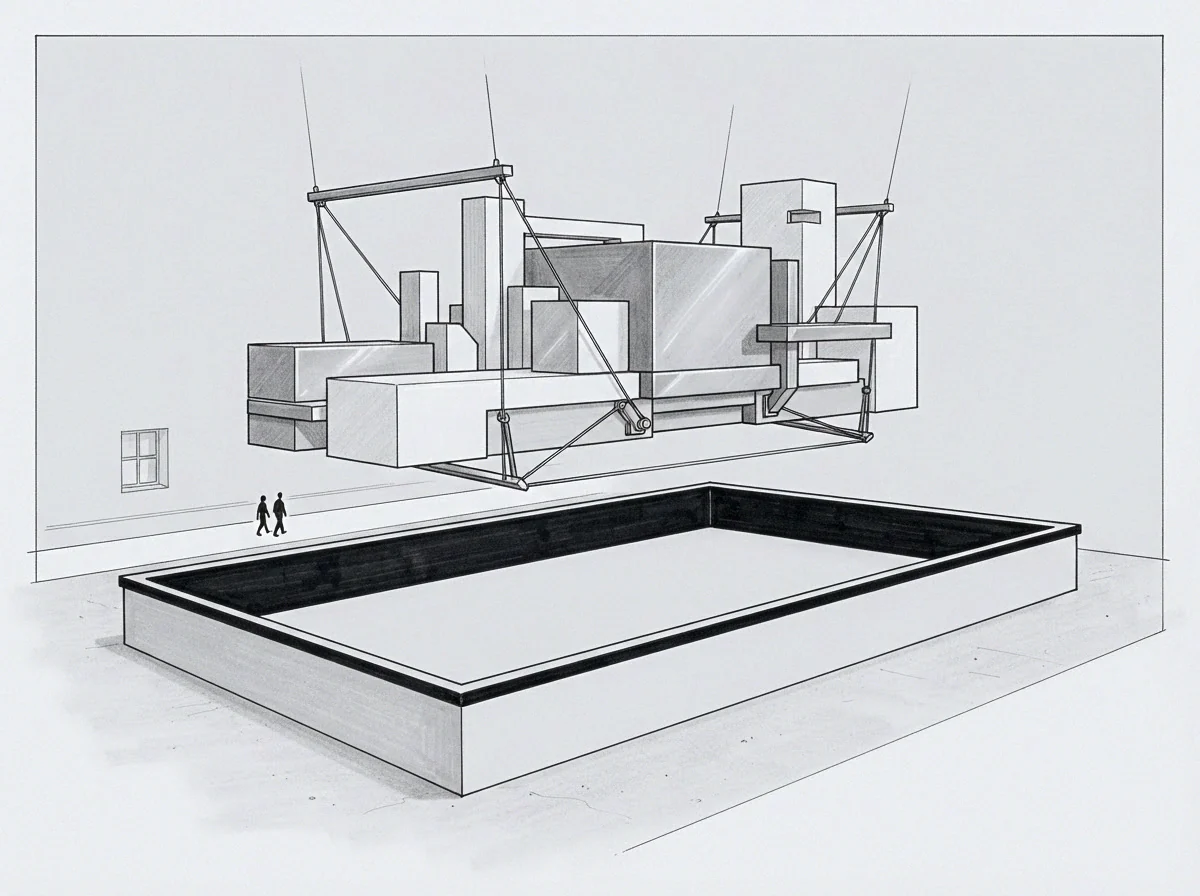
Reference metrics establish the initial operational state against which subsequent changes in capacity and throughput are evaluated. A baseline records the cognitive bandwidth and physical availability of an individual prior to the application of sustained operational load. By fixing a measured reference point under normal conditions, post-founding regulation tracks how much attention and executive function decline under pressure.
This tracking stops applying when structural reorganizations fundamentally alter the underlying operating environment.
Reference Standard
Establishing accurate initial conditions requires systematic measurement during periods of nominal workload. The baseline captures decision accuracy and emotional stability before acute demands accumulate. Without this initial calibration, subsequent declines in operational throughput remain invisible or get misattributed to temporary fatigue.
Measurement establishes facts.
Variance Measurement
Continuous monitoring reveals deviations from historical capacity across long working cycles. When an individual operates far from their established baseline, error rates in complex reasoning increase while reaction times slow down. Tracking these shifts provides clear evidence of accumulated strain across multiple weeks of continuous duty.
Capacity Limit
Homeostatic capacity sets an absolute floor below which performance collapses rapidly. The baseline defines the boundary between manageable load and chronic exhaustion, showing exactly when rest becomes mandatory rather than optional. Recovery becomes impossible when sustained performance demands exceed physiological limits for months.