Meaning
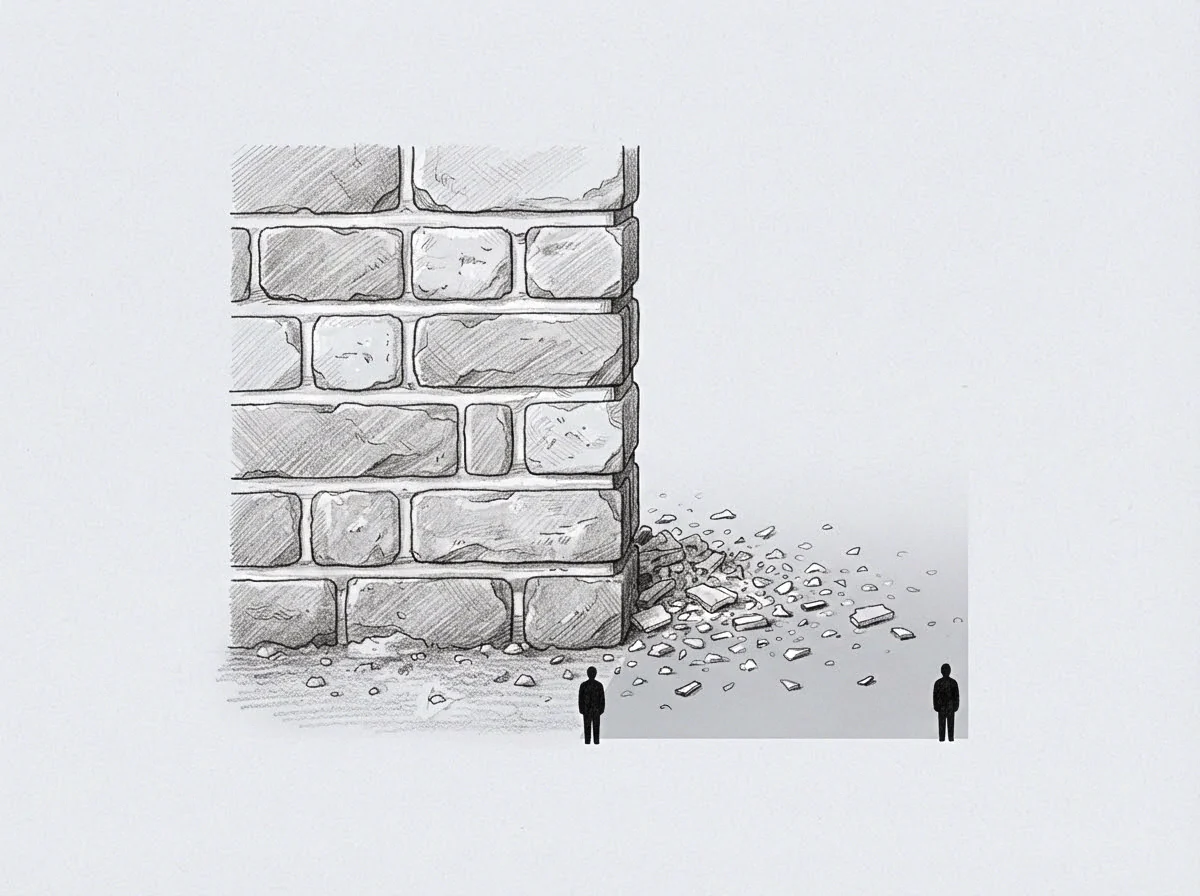
Structural division of relational roles, temporal availability, and regulatory duties establishes operational perimeters between a leader and the surrounding organization. The application of boundary mechanics regulates somatic resource allocation by determining who gains access to executive attention, what demands enter uninterrupted, and which operational stresses are held outside personal awareness. These operational barriers govern the threshold between private capacity and public exposure, setting definitive edges for interpersonal requests.
This structural isolation stops where formal contractual liability or statutory obligations compel direct personal involvement.
Permeability Regulation
Calibrating access channels prevents uncontrolled cognitive depletion across long managerial stretches. Through deliberate boundary mechanics, a founder filters unstructured interruptions, delegation leaks, and informal emotional venting from staff. Porous interfaces drain cognitive bandwidth, keeping autonomic systems locked in responsive vigilance.
Selective containment restores control over executive working memory. The operational perimeter acts as a dam, channeling systemic pressure through defined interfaces while safeguarding personal restorative capacity.
Spatial Containment
Physical and digital distancing reinforces structural perimeters across working environments. Founders operating without sharp spatial boundaries find home, rest, and strategic thinking zones infected by operational emergency cues. Enforcing clear boundary mechanics through isolated communication devices, dedicated working rooms, and hard temporal cutoffs blocks unannounced crisis escalation.
Somatic stabilization depends upon spaces free from corporate stimuli. Clear physical barriers prevent chronic sympathetic activation from bleeding into recovery periods.
Relational Friction
Enforcing structured access points invariably produces interpersonal friction with peers accustomed to unrestricted founder availability. The introduction of boundary mechanics breaks implicit social contracts forged during early operational stages, where open access served as informal co-regulation. Team members may perceive necessary perimeter enforcement as interpersonal coldness or structural abandonment.
Executive leadership requires absorbing this initial social cost without weakening the barrier. Compromised boundaries immediately reintroduce systemic exhaustion into founder physiology.