Meaning
Random or unintended signals in a communication stream degrade the clarity of the underlying message. Within this context, channel noise increases the energy required to interpret instructions or feedback correctly. This phenomenon governs the accuracy of information transfer between founders and their remaining teams.
It stops applying once the signal to noise ratio reaches a level where the message is indistinguishable from the background interference.
Signal Quality
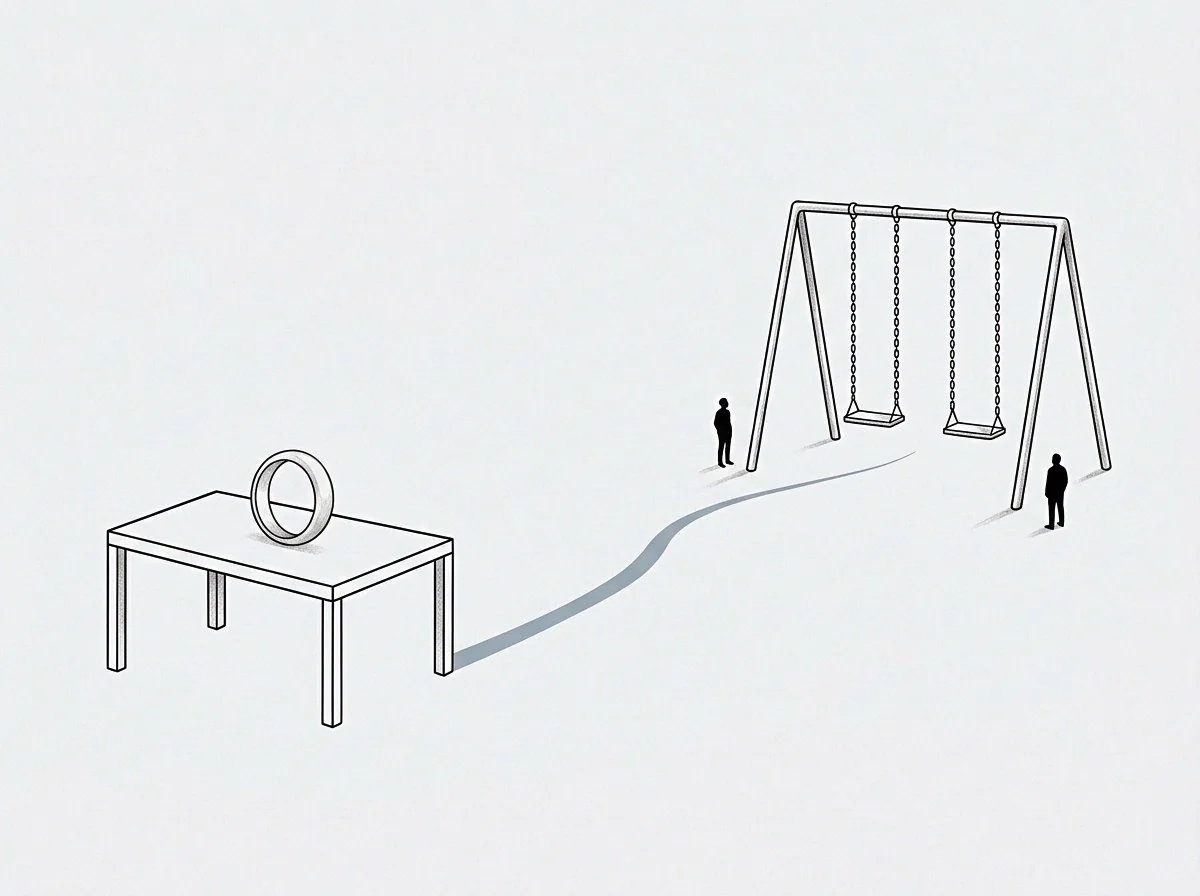
Clarity in transmission depends on the absence of distortion. The signal quality of channel noise determines how much of the original intent survives the journey to the recipient. When a medium is cluttered with excessive updates or irrelevant data, the core directive becomes obscured.
This forces the receiver to spend more time filtering, which reduces the hours available for acting.
Verification Effort
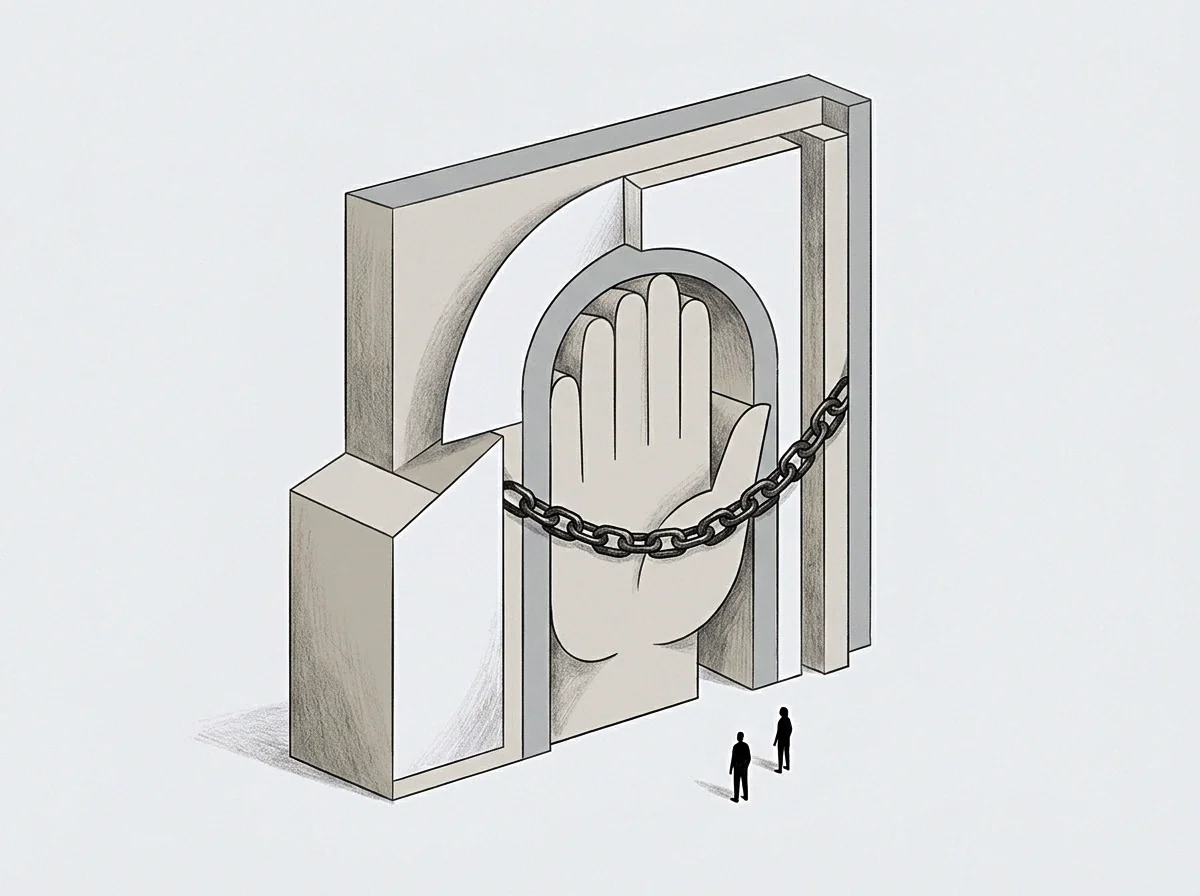
Confirming the accuracy of received data adds a layer of work to every interaction. The verification effort of channel noise involves the use of secondary channels to cross reference ambiguous points. A person might send a follow up text to confirm a vague email, doubling the number of transactions for a single decision.
This redundancy is a direct cost of a noisy environment.
Bandwidth Loss
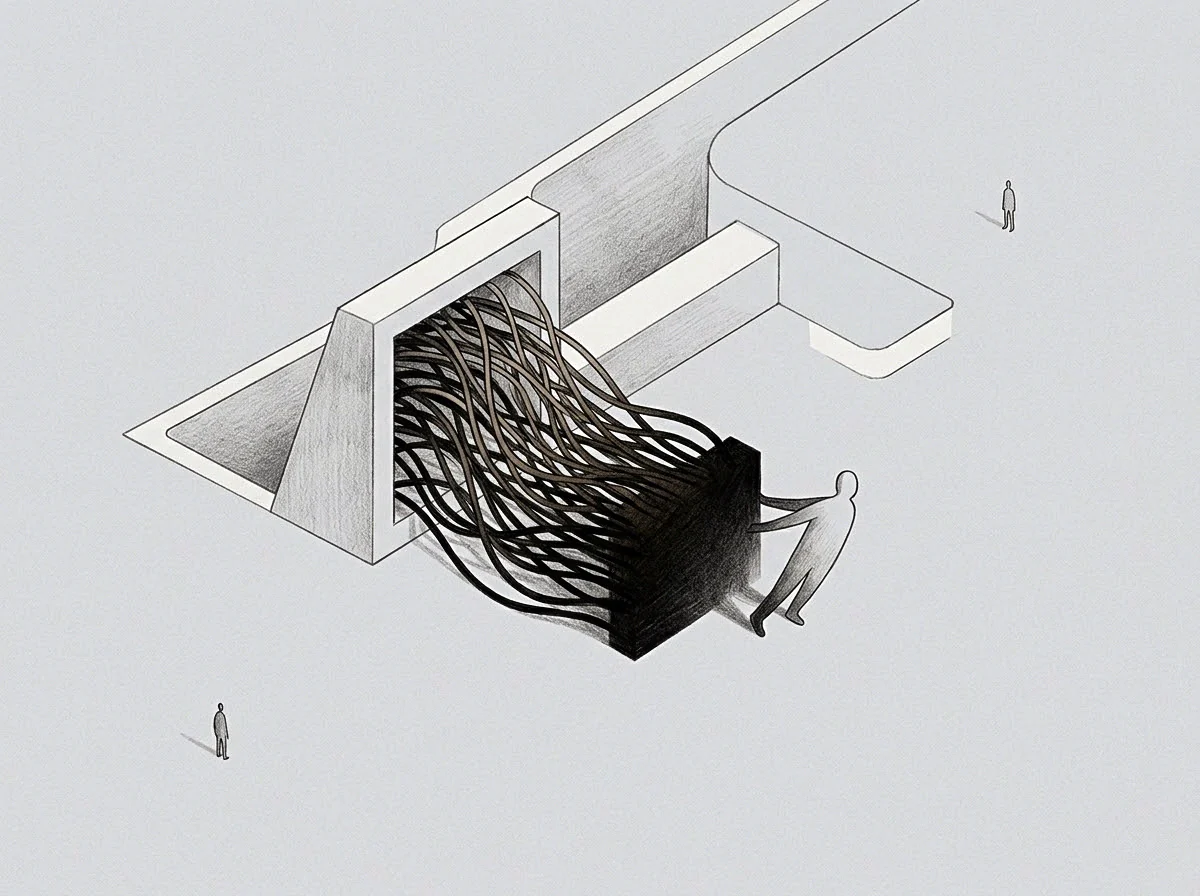
Interference reduces the total amount of useful information that a system can process in a given period. The bandwidth loss of channel noise results in a narrowing of the topics that a founder can effectively manage at once. Because each message requires more attention to decode, fewer messages can be handled before the person reaches a limit.
This throttling of throughput often appears as a backlog of unread communications and a feeling of being overwhelmed by the volume of input. Over time, the cost in hours spent clarifying misunderstandings can drain the resources needed for higher level thinking.