Meaning
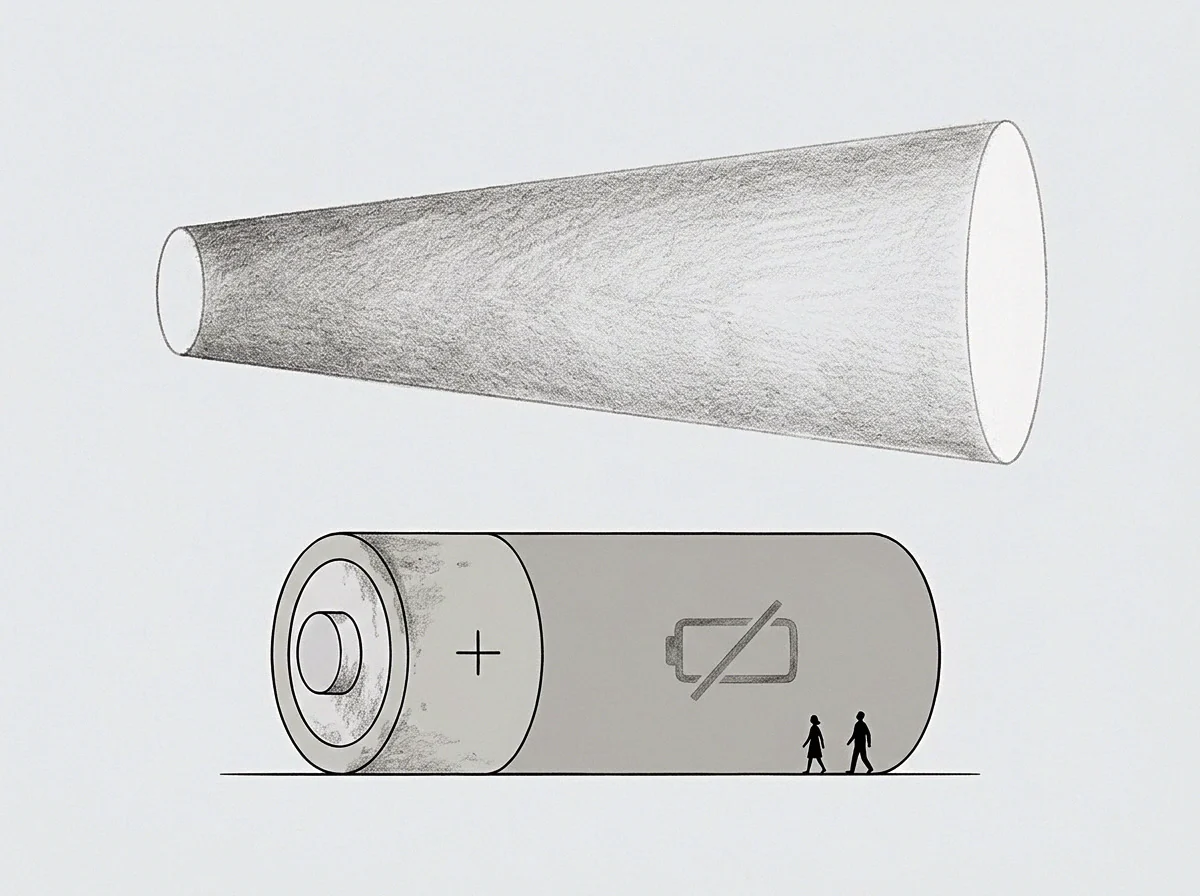
A structural impediment occurs when operational throughput stalls because a single individual retains sole authority for authorization across multiple functional domains. This decision bottleneck concentrates informational load within one physiological capacity, raising the daily expenditure of attention hours for the person sitting at the focal point. Founders frequently construct this constraint themselves by treating delegation as a risk transfer rather than a capacity expansion, which preserves centralized control while starving the surrounding organization of operational velocity.
The mechanism halts execution whenever incoming volume exceeds human processing limits, leaving teams waiting for clearance while capital is deployed elsewhere or blocked entirely.
Control Friction
Centralized authorization exacts a steady toll on cognitive bandwidth by forcing the founder to evaluate routine choices alongside existential ones. Every deferred signoff increases the backlog of pending items, turning minor operational adjustments into high-friction events that consume hours of concentrated attention. This regulatory self-imposition creates artificial scarcity within the firm, since the speed of execution drops to match the processing capacity of one nervous system.
Capacity Limit
Physiological fatigue sets a hard ceiling on daily throughput once the volume of required choices surpasses the threshold of sustained attention. Attention hours diminish rapidly under the weight of continuous evaluation, leading to delayed responses that cascade outward into missed operational windows. Teams compensate for this latency by pausing their own work to solicit clearance, which multiplies the total organizational drag beyond the hours spent directly by the founder.
Clearance Cost
Systemic latency compounds until the cost of waiting exceeds the perceived danger of decentralized action, forcing a reluctant redistribution of authority. Operating without prior signoff introduces new variance into daily outcomes, requiring the founder to accept lower fidelity in exchange for restored velocity. Letting go of authorization controls reduces the daily drain on attention hours, replacing a single point of failure with distributed operational judgment.