Meaning
Information processing systems rely on ordered arrangements of pending choices to manage the flow of executive action under constraint. A decision queue represents the structured sequence of issues awaiting resolution by a founder or leadership team. It defines which problems receive immediate focus and which are deferred to later periods.
This sequence restricts the intake of new issues once the capacity for analysis is exhausted, ensuring that every problem receives some level of scrutiny before action is taken.
Processing Order
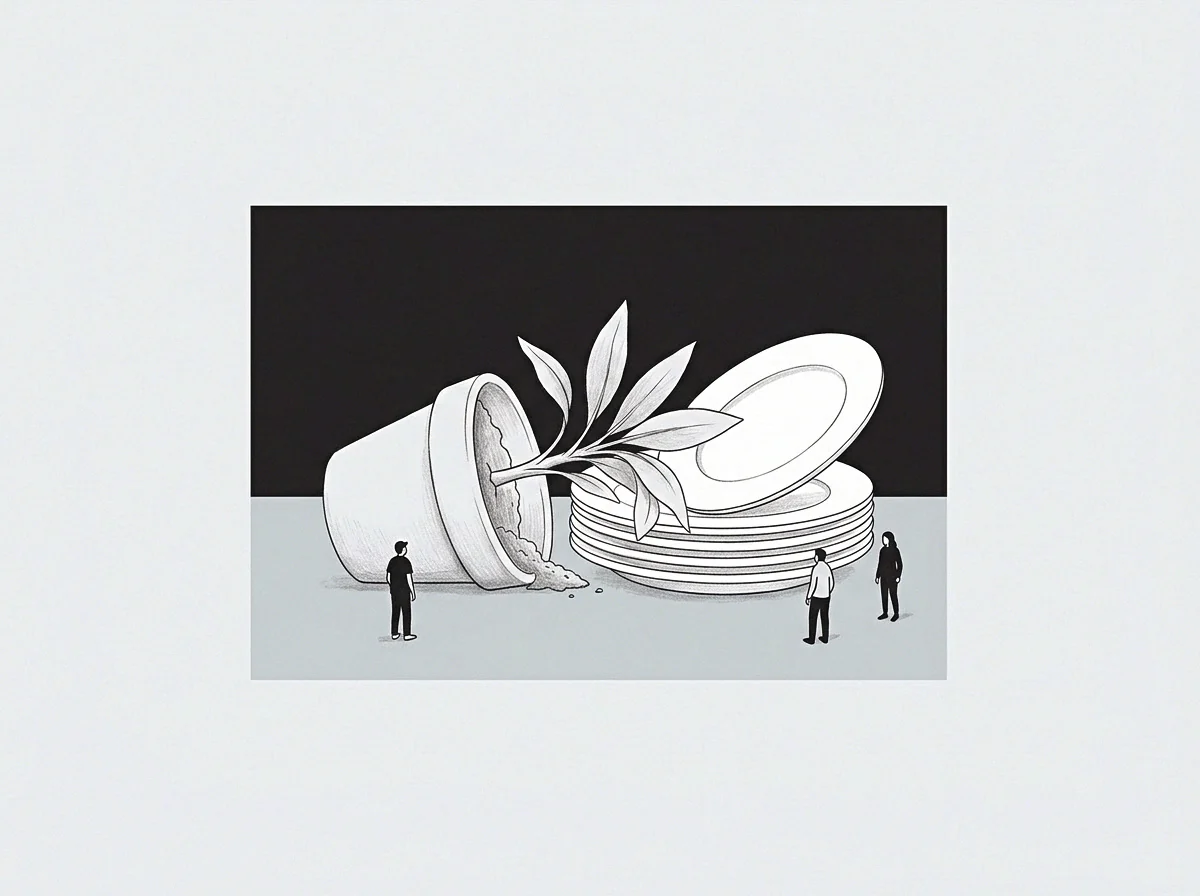
Organizational structure and immediate pressures dictate how items are positioned within the sequence of pending choices. The decision queue often experiences congestion when problems arrive faster than they can be evaluated. In these moments, less critical items are pushed down, sometimes remaining unresolved indefinitely.
This accumulation creates an administrative bottleneck that slows down the entire organization, as team members wait for choices that are stuck in the sequence. The delay in turn increases the complexity of each item as the context continues to shift during the waiting period.
Attention Drain
Each unresolved item in the sequence demands mental effort even before it is actively addressed. A decision queue that grows too long represents a substantial burden on executive focus, because the sheer volume of pending matters generates background anxiety. The founder must repeatedly review the sequence to ensure that no critical issues are being ignored.
This constant monitoring reduces the cognitive energy available for resolving the actual items.
Strategic Delay
Deliberate postponement of choices can serve as a protective mechanism to preserve analytical quality. When the sequence is managed carefully, it prevents premature actions and allows time for better data to arrive. This controlled lag acts as a buffer against volatile environments, ensuring that scarce attention is saved for choices that are truly ready to be made.