Meaning
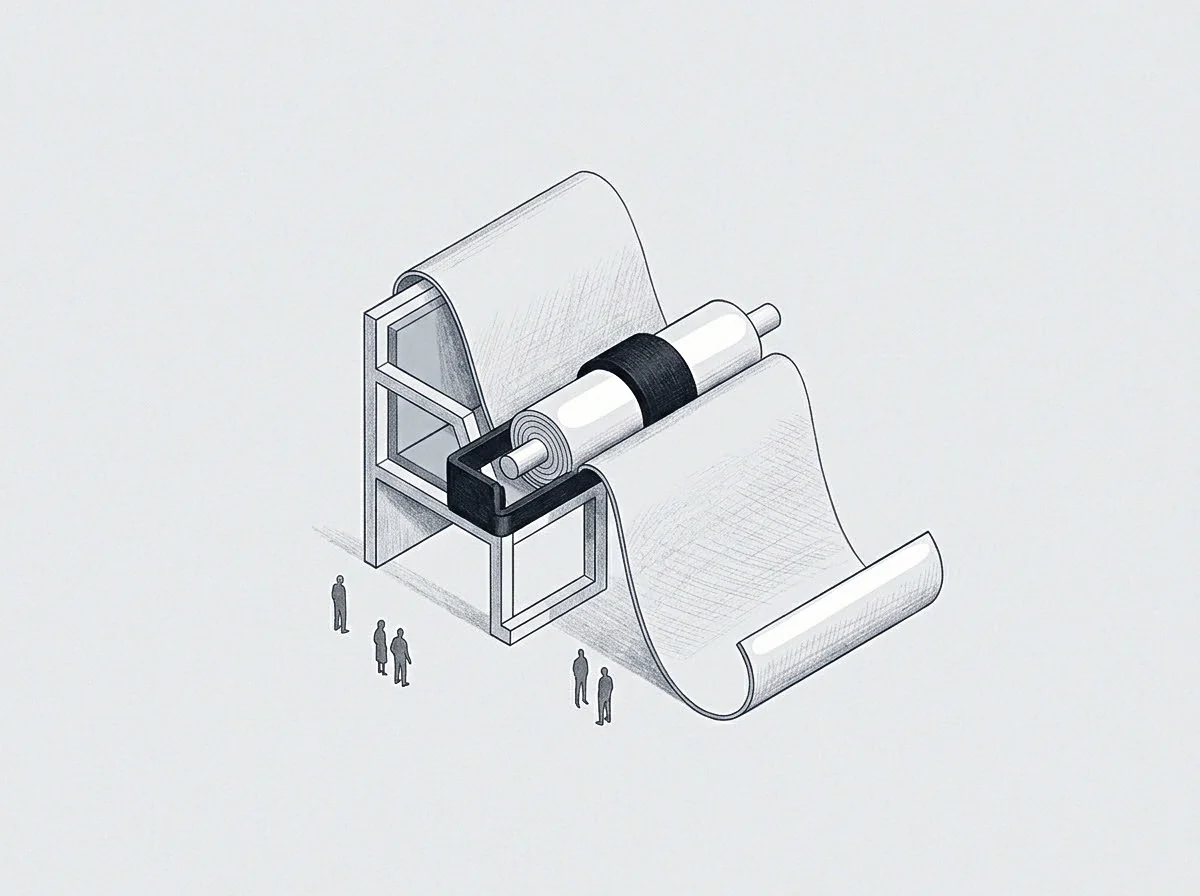
Infrastructure designed to prevent failure through redundant checks and manual overrides constitutes the primary layer of operational safety. In the context of a growing firm, defensive plumbing operates as the set of protocols that catch errors before they reach the external market or regulatory bodies. It governs the safety margin of the company and stops applying at the point where a process is fully automated or eliminated.
Resilience Margin
Reliability increases when multiple layers of verification are embedded into the daily workflow. The presence of defensive plumbing ensures that a single mistake by a distracted team member cannot trigger a chain reaction that compromises the entire entity. These systems often exist as checklists or validation scripts that run in the background.
Friction Cost
Implementing these safety measures requires a substantial commitment of attention and time from everyone involved in the process. While defensive plumbing protects the organization, it introduces a predictable delay in execution that must be accounted for in every project timeline. The cost is measured in the reduction of total throughput, as energy is diverted from creation to protection.
Teams experience frustration when the time spent on verification exceeds the time spent on the primary task.
Maintenance Burden
Constant updates are required to keep these safety protocols aligned with the changing needs of the business. If the defensive plumbing remains static while the underlying technology evolves, they become a source of false security or a bottleneck that encourages staff to find dangerous workarounds.