Meaning
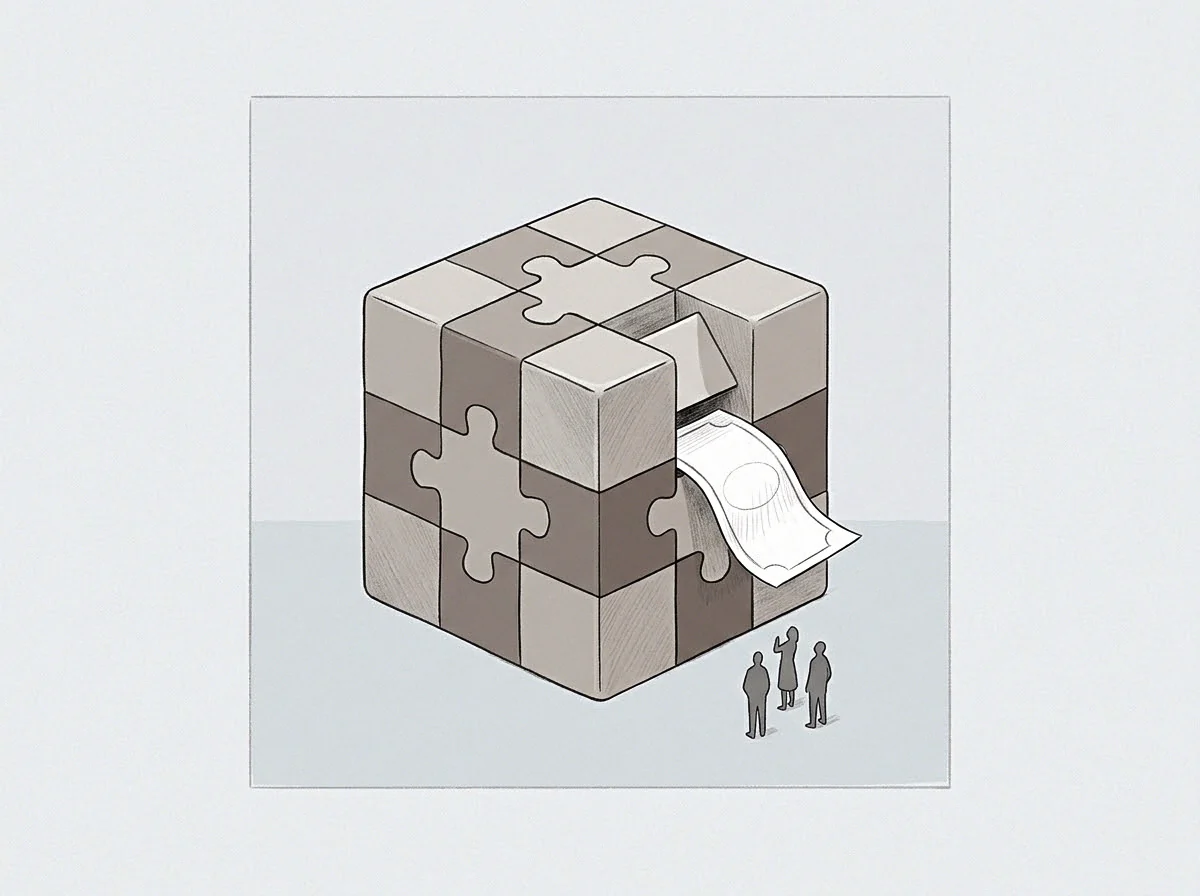
Operational barriers prevent the spillover of occupational stress into personal domains of life. Through domain isolation, a founder establishes strict divides between work responsibilities and private activities to ensure genuine mental recovery. This practice limits the continuous flow of professional worries into domestic settings, where the nervous system should otherwise downregulate.
Without these boundaries, the persistent demands of a business consume all available mental bandwidth, leading to allostatic overload.
Execution Friction
Creating and maintaining these boundaries requires a high degree of discipline and structured processes. It is difficult to practice domain isolation when mobile devices and remote work setups make professional demands instantly accessible. To counter this, many leaders employ physical interventions, such as having separate phones for work and personal use, or designating specific rooms where work is strictly forbidden.
These deliberate points of friction make it harder for professional stress to invade personal spaces, helping to secure the boundary.
Cognitive Recovery
The direct result of separating these spheres is a significant improvement in the brain’s ability to repair itself after high-stress tasks. When a leader successfully implements domain isolation, the mind is allowed to disengage from strategic problem-solving and enter a state of default mode network activation. This restorative mental state is essential for consolidating learning, processing emotions, and maintaining long-term psychological resilience.
It provides the cognitive distance necessary to return to the business with fresh perspective and renewed energy.
Relational Benefit
Personal relationships are critical support networks that are often damaged when work strain dominates the home environment. By keeping professional worries separate, the individual can be fully present with family and friends, which strengthens these essential social baselines. This presence prevents the emotional exhaustion and irritation that often lead to domestic conflict when professional challenges spill over.
The quality of personal interactions improves, offering a stable foundation of support that enhances the leader’s overall capacity to handle workplace demands. It ensures that the primary sources of emotional renewal remain undamaged by the pressures of the business.