Meaning
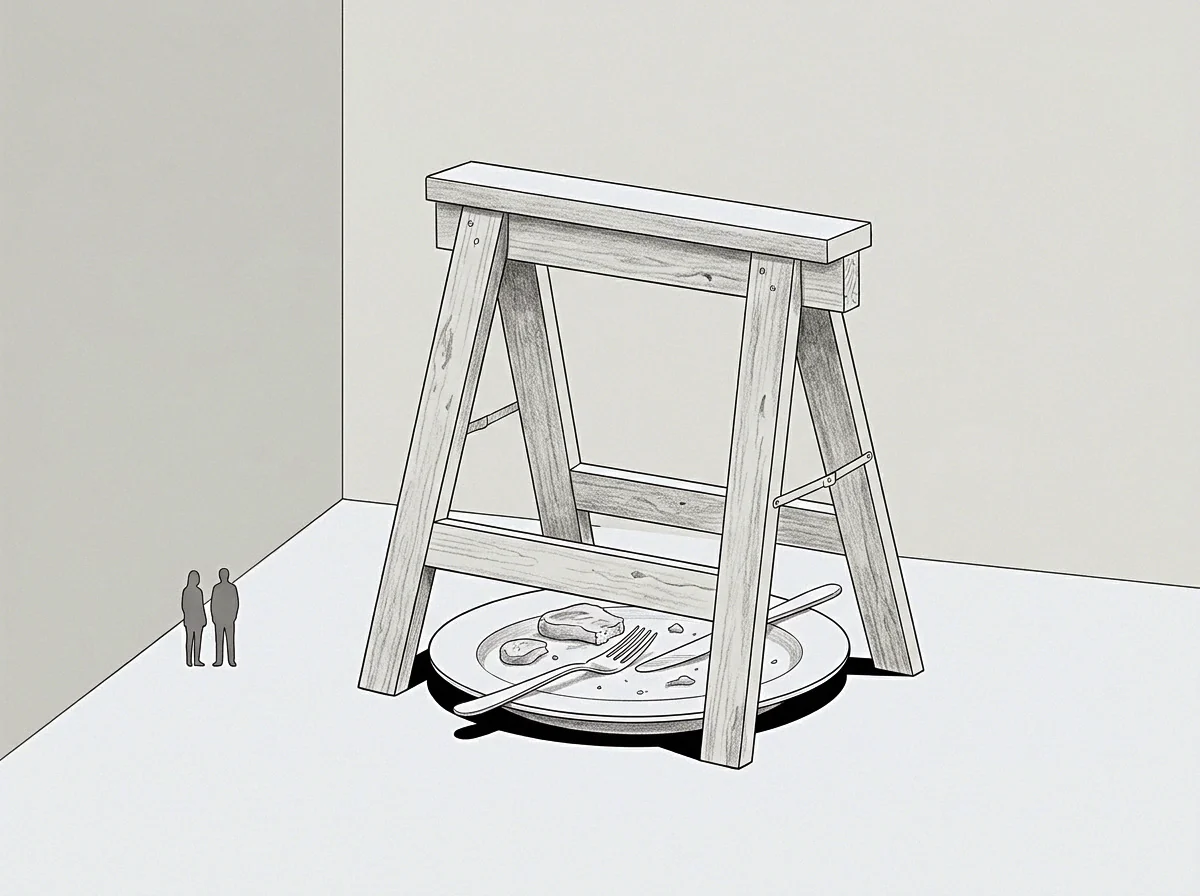
Neuroanatomical circuits governing the unmyelinated parasympathetic response regulate profound immobilization, metabolic conservation, and behavioural shutdown under conditions of perceived inescapable stress. The dorsal vagal complex operates as the phylogenetically oldest component of the autonomic nervous system, mediating visceral deceleration, lowered heart rate, and somatic disengagement. It governs involuntary physiological collapse states, functioning until sympathetic activation or ventral vagal social engagement systems re-establish homeostasis.
Involuntary Shutdown
Prolonged exposure to insoluble existential threats forces the autonomic apparatus into defensive hypoarousal. When extreme operating load overwhelms sympathetic mobilization, the dorsal vagal complex suppresses motor output and blunts sensory perception. The individual experiences sudden physical apathy, affective flatness, and an inability to initiate simple administrative actions.
This physiological state is frequently misidentified as passive defiance, motivational failure, or moral fatigue. In truth, the mammalian body is executing an ancient survival reflex designed to conserve metabolic fuel and minimize tissue trauma during severe duress. The operator becomes physically immobilized within their executive seat, unable to clear basic correspondence or engage in dialogue.
Somatic Retraction
Visceral downregulation produces profound changes across cardiovascular, digestive, and expressive human subsystems. Activation of the dorsal vagal complex reduces cardiac output, alters baseline breathing patterns, and diverts perfusion away from peripheral skeletal muscle. The countenance becomes neutral and unresponsive, accompanied by a heavy sensation of somatic leadenness in the limbs.
Verbal output drops to monosyllabic cadence as the neural substrates supporting vocal prosody lose vagal tone. High-level strategic synthesis becomes physiologically inaccessible while the brain prioritizes basic organ preservation over conceptual problem-solving. This neuroceptive collapse creates massive inertia, preventing the person from utilizing standard intellectual tools or organizational support systems.
Restoration Dynamics
Re-emerging from profound physiological immobilization requires incremental autonomic up-regulation supported by physical safety and structural predictability. Deactivating the dorsal vagal complex cannot be accomplished through intellectual willpower, verbal admonition, or sudden motivational demands. The nervous system requires low-demand environmental stabilization, gentle somatic reactivation, and cues of safety provided by consistent human co-regulation.
Restoring sympathetic tone through light movement or routine physical tasks prepares the organism to re-engage higher-order cognitive processing. Demanding immediate high-stakes strategic execution from an immobilized operator routinely triggers secondary autonomic collapse. Lasting recovery demands honoring biological pacing until ventral parasympathetic circuits re-establish control over behavioral engagement.