Meaning
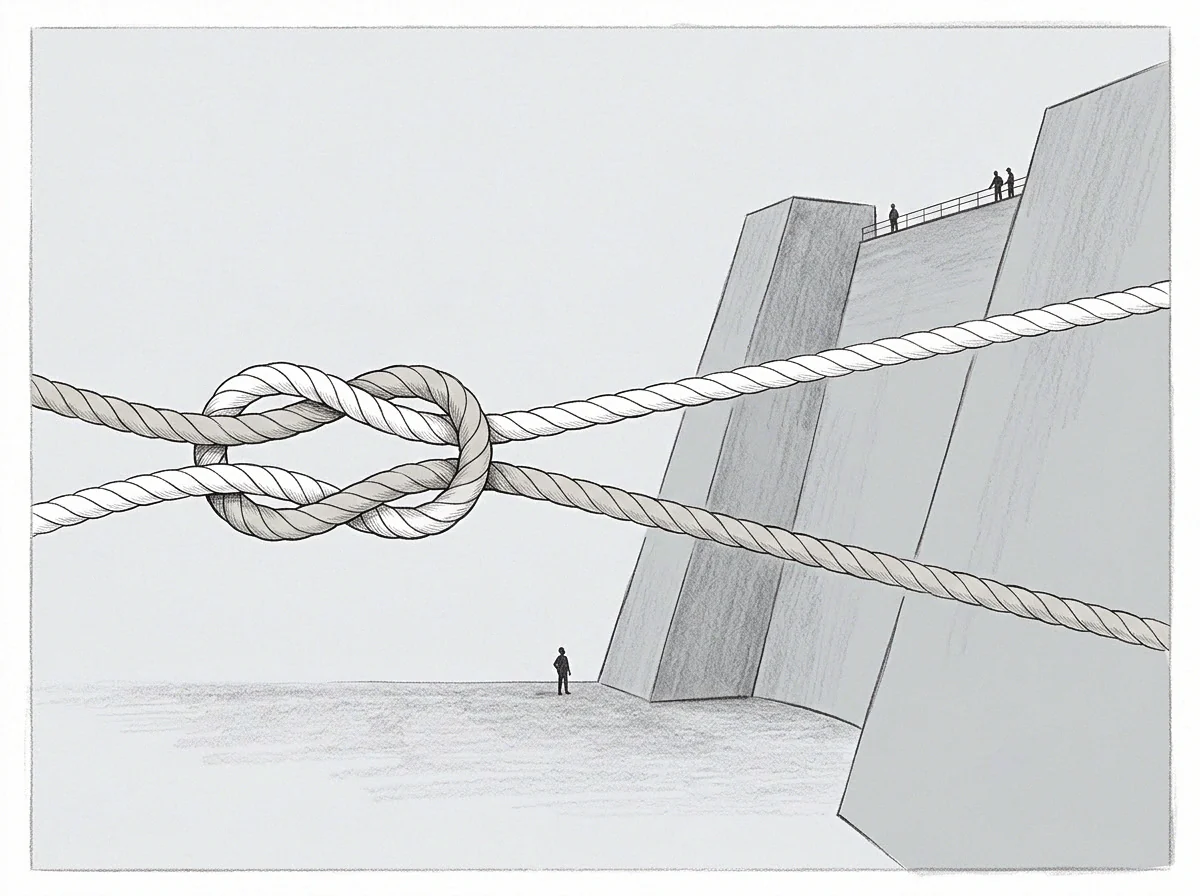
Procedural thresholds prevent an operational issue from automatically rising to the attention of senior leadership or board members. This specific mechanism, known as an escalation brake, forces teams to resolve incidents at the local level unless pre-defined criteria are met. It governs the flow of operational data up the corporate hierarchy.
Once the brake is bypassed, the issue requires the direct attention of the highest-level decision makers.
Intervention Threshold
Delaying the upward movement of a crisis requires clear, quantitative metrics that teams can assess without ambiguity. When an issue occurs, the escalation brake provides a structured delay during which local teams can attempt remediation. This period allows engineers or account managers to deploy standard recovery protocols before sounding the alarm.
If the metrics return to normal within this window, the incident is closed without senior involvement.
Attention Conservation
Protecting the time of senior executives is critical for maintaining long-term strategic direction. By utilizing an escalation brake, an organization ensures that the board and the founders are only interrupted by systemic, high-impact failures. This preservation of executive energy allows leaders to remain focused on market opportunities rather than daily fires.
However, if the threshold is set too high, serious problems can remain hidden from senior view for too long, causing significant damage before any corporate intervention occurs. Balancing this setting requires ongoing calibration based on team maturity and the complexity of the product.
Hierarchical Flow
Managing the communication path from the frontline to the boardroom determines how quickly an organization can pivot in a crisis. The flow must be restricted to ensure that only actionable data rises to the top. This restriction protects the integrity of executive decision-making during high-stress periods.