Meaning
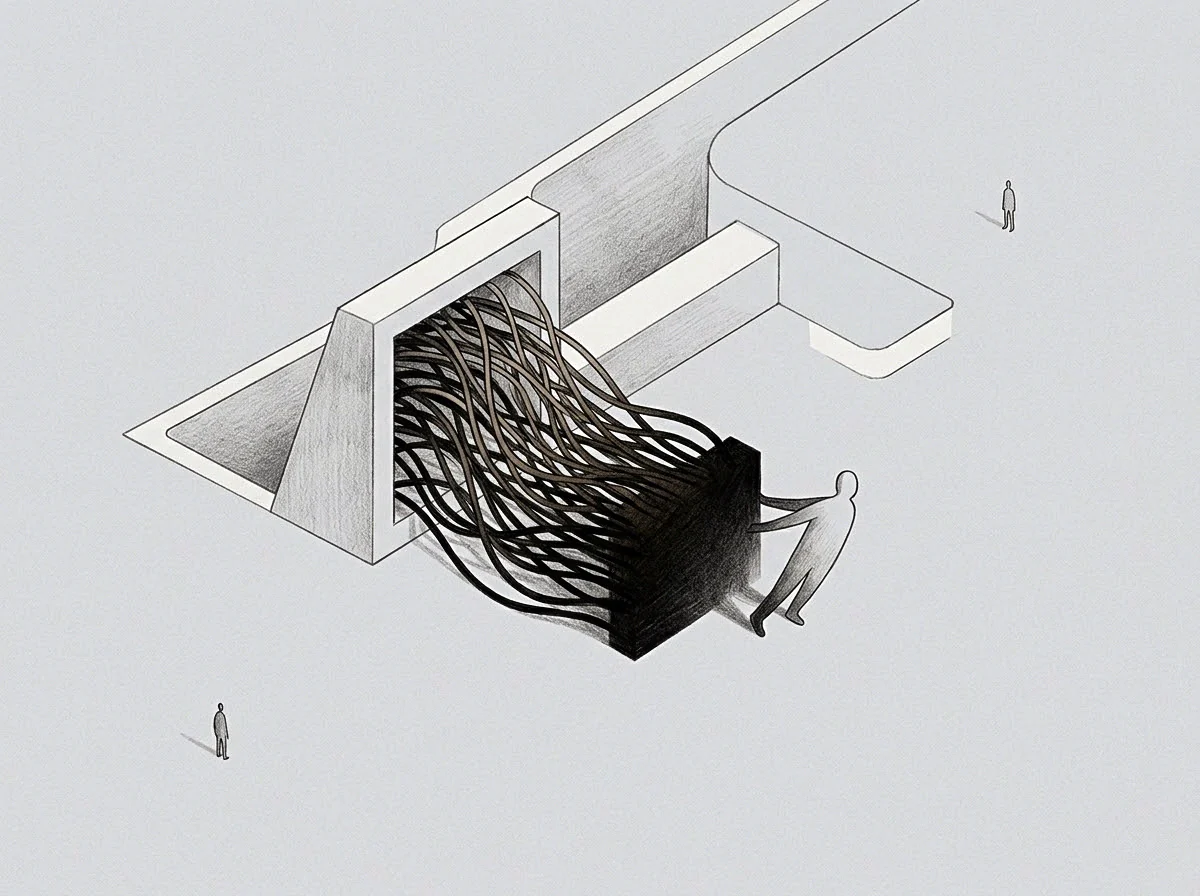
Technical boundary conditions define the range of direct inputs and outputs allowed during a transfer of authority from a principal to an agent. This execution interface acts as the buffer zone where operational intent converts into specific, measurable tasks without the need for constant supervision. Precise alignment of these parameters prevents the leakage of cognitive load from the principal to the agent by establishing unambiguous triggers for action.
The mechanism functions by isolating the necessary data streams from extraneous environmental noise, which allows the recipient to operate within a predefined envelope of autonomy. Whenever the required input falls outside the specified constraints, the system defaults to a halt state to prevent erratic performance.
Control Friction
Constraints within the protocol determine how much attention a founder consumes when monitoring the results of delegated tasks. High levels of friction arise when the interface requires frequent manual calibration to maintain the desired output quality. Proper configuration limits these demands on capacity by offloading the validation of incoming data to a secondary, automated layer.
This shift allows for the separation of tactical adjustments from the core strategic focus of the organization.
Capacity Allocation
Every connection point consumes a set amount of operational energy based on the complexity of the instructions being passed between participants. This consumption fluctuates according to the frequency of updates requested by the sender through the transmission port. Efficient interfaces minimize the hours spent on reconciliation by batching requests into predictable, recurring cycles.
Stability in these cycles protects the internal resources of the individual against sudden spikes in demand.
Performance Threshold
Reliability of the system depends on the clarity of the signals passing across the boundary during periods of high organizational pressure. Signals that fail to meet the established signal-to-noise ratio cause an immediate suspension of the associated process. Discrepancies between the intended action and the actual result indicate a mismatch in the threshold settings, which necessitates a recalibration of the baseline.
Robust protocols remain stationary even under extreme strain because the limitations are baked into the architecture itself.