Meaning
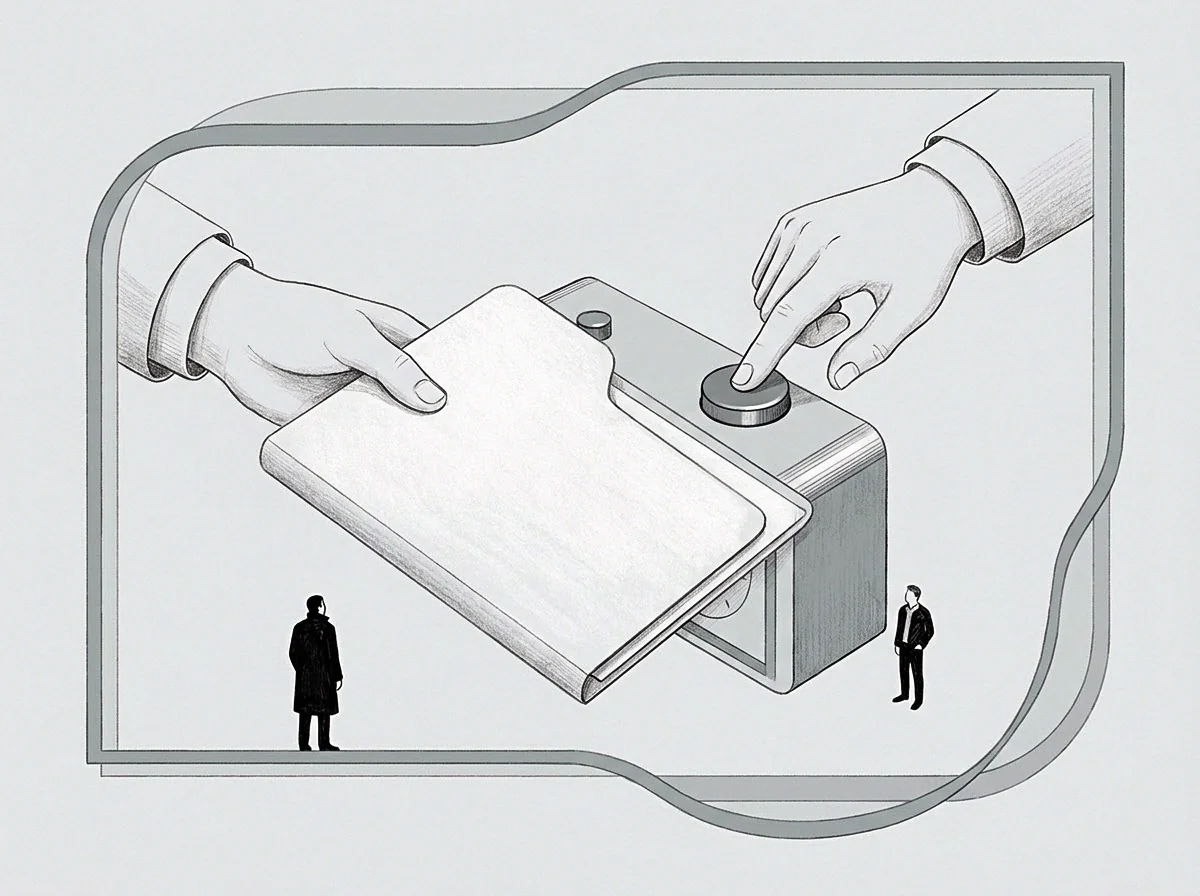
A biological and cognitive filter that regulates the volume of sensory stimuli and operational data entering a founder’s working memory during periods of acute enterprise instability. Input gating operates as a physiological self-regulation mechanism, allocating attention capacity according to perceived threat levels rather than incoming message volume. This neurological threshold prevents cognitive overload by dropping low-priority operational signals before conscious processing occurs.
Signal Filtration
External demands hit the nervous system as an unbroken wall of notifications, stakeholder inquiries and operational emergencies that exceed human processing limits. Input gating protects executive attention hours by severing the connection between incoming channel activity and conscious awareness. Operating parameters shift during high-stress phases, raising the threshold required for an external cue to reach active thought.
Founders experience this shift as an abrupt numbness or an inability to care about peripheral business issues while crises unfold.
Capacity Cost
Maintaining a high filter threshold demands substantial metabolic energy from the prefrontal cortex over extended durations. Attention hours spent suppressing operational noise leave fewer cognitive resources available for strategic reasoning and long-term planning. Physiological reserves deplete steadily as the central nervous system works overtime to keep the floodgates partially closed.
This energetic toll persists long after the immediate enterprise crisis resolves, manifesting as chronic fatigue and emotional flattening.
Boundary Failure
Chronic exposure to high-load conditions eventually degrades the selectivity of the filtration mechanism. Operational signals bypass the gating threshold indiscriminately, flooding conscious thought with trivial administrative demands alongside genuine emergencies. Executive decision-making capacity collapses entirely when the regulatory mechanism fails to distinguish between background noise and vital threat indicators.
Total exhaustion follows this structural breakdown, forcing prolonged withdrawal from daily enterprise operations until neurological recovery occurs.