Meaning
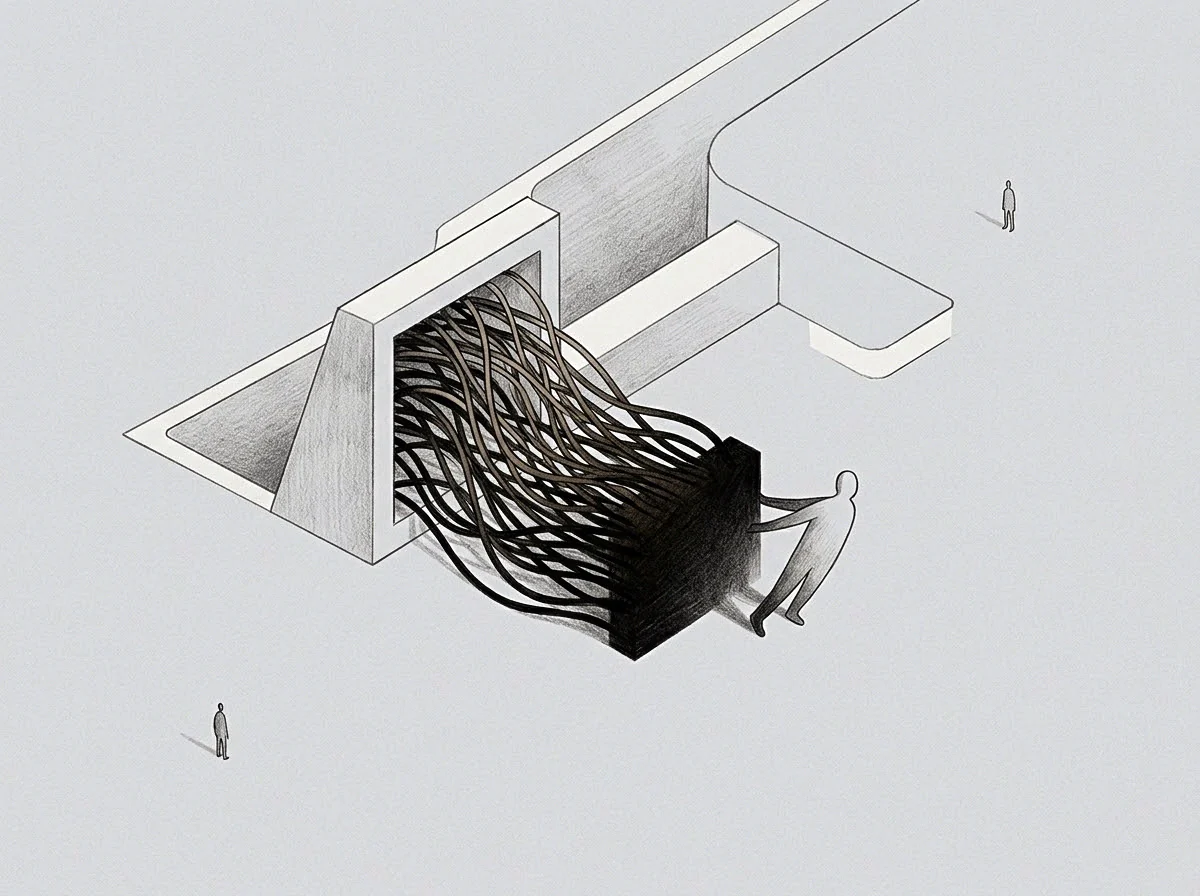
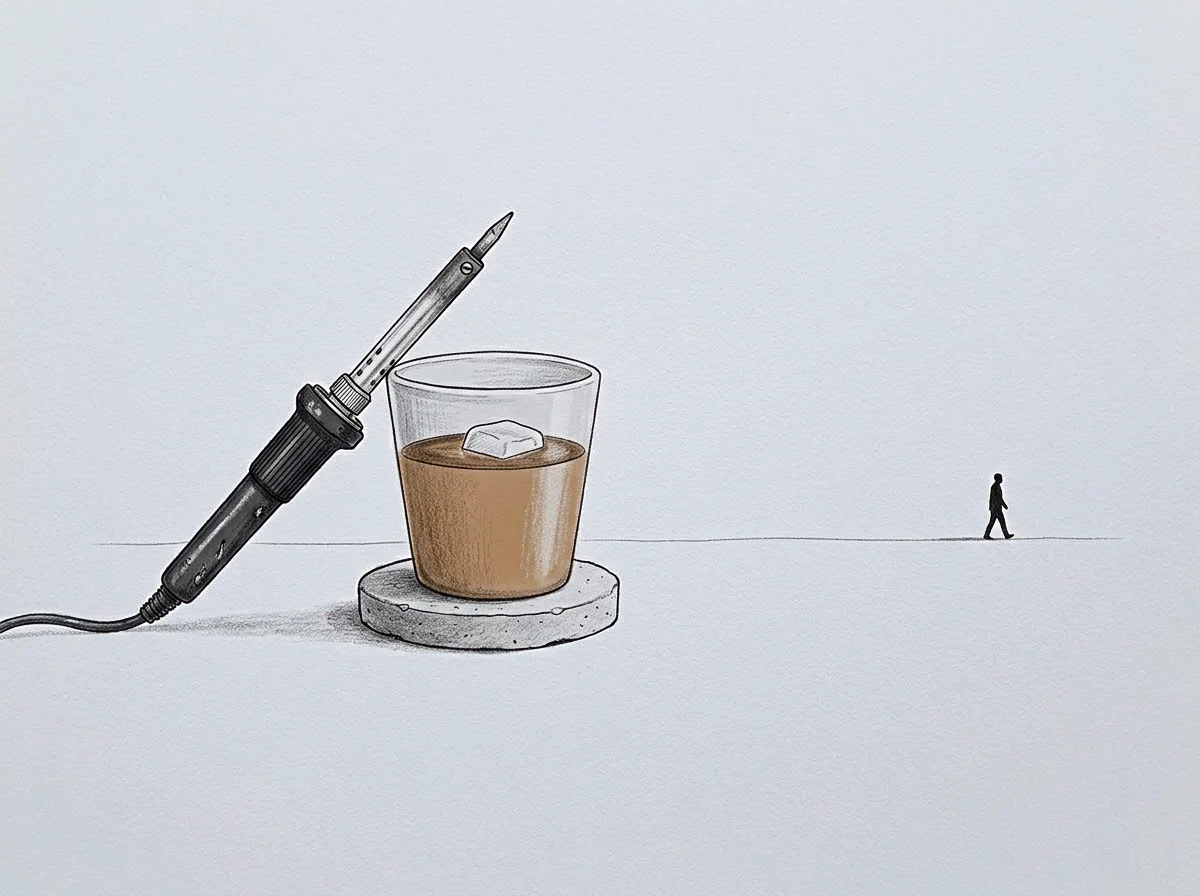
A cardiovascular pattern refers to the physiological drop in blood pressure that occurs during sleep to allow the circulatory system to recover. This natural reduction, known as nocturnal dipping, typically lowers systolic and diastolic measurements by ten to twenty percent overnight. It represents a core metric of autonomic health, indicating that the body has successfully transitioned from a state of alertness to one of rest.
When this pattern is absent, the heart and blood vessels remain under continuous strain.
Cardiac Recovery
Healthy sleep is characterized by a shift toward parasympathetic dominance, which allows blood pressure to fall and the heart rate to slow. Monitoring nocturnal dipping provides a clear window into how effectively an individual’s autonomic nervous system is resetting after a demanding day. If the dip is insufficient, the heart is forced to work harder during the very hours meant for repair.
This lack of rest limits the cardiovascular system’s capacity to handle the physical demands of the next day.
Stress Interference
Chronic professional anxiety and late-night work sessions can disrupt this restorative pattern by keeping the sympathetic nervous system active overnight. This disruption of nocturnal dipping is common among executives who struggle to detach from their responsibilities before bed. Even while asleep, the brain remains in a state of high vigilance, releasing stress hormones that keep blood pressure elevated.
This state of perpetual readiness prevents the body from completing essential maintenance tasks.
Health Outcome
Sustained absence of this blood pressure drop is associated with an increased risk of chronic cardiovascular issues and vascular wear. Re-establishing healthy nocturnal dipping requires a combination of strict sleep hygiene, early-evening digital disconnection, and stress-reduction protocols. This intervention reduces the long-term strain on the heart, protecting the leader’s physical resilience.
Over several weeks of consistent practice, these lifestyle adjustments help restore the body’s natural circadian rhythms, improving both sleep quality and daytime cognitive focus. By tracking these physiological metrics over time, individuals can adjust their daily workloads to prevent long-term health complications. This proactive monitoring ensures that the physical cost of leadership remains manageable over the course of a career.