Meaning
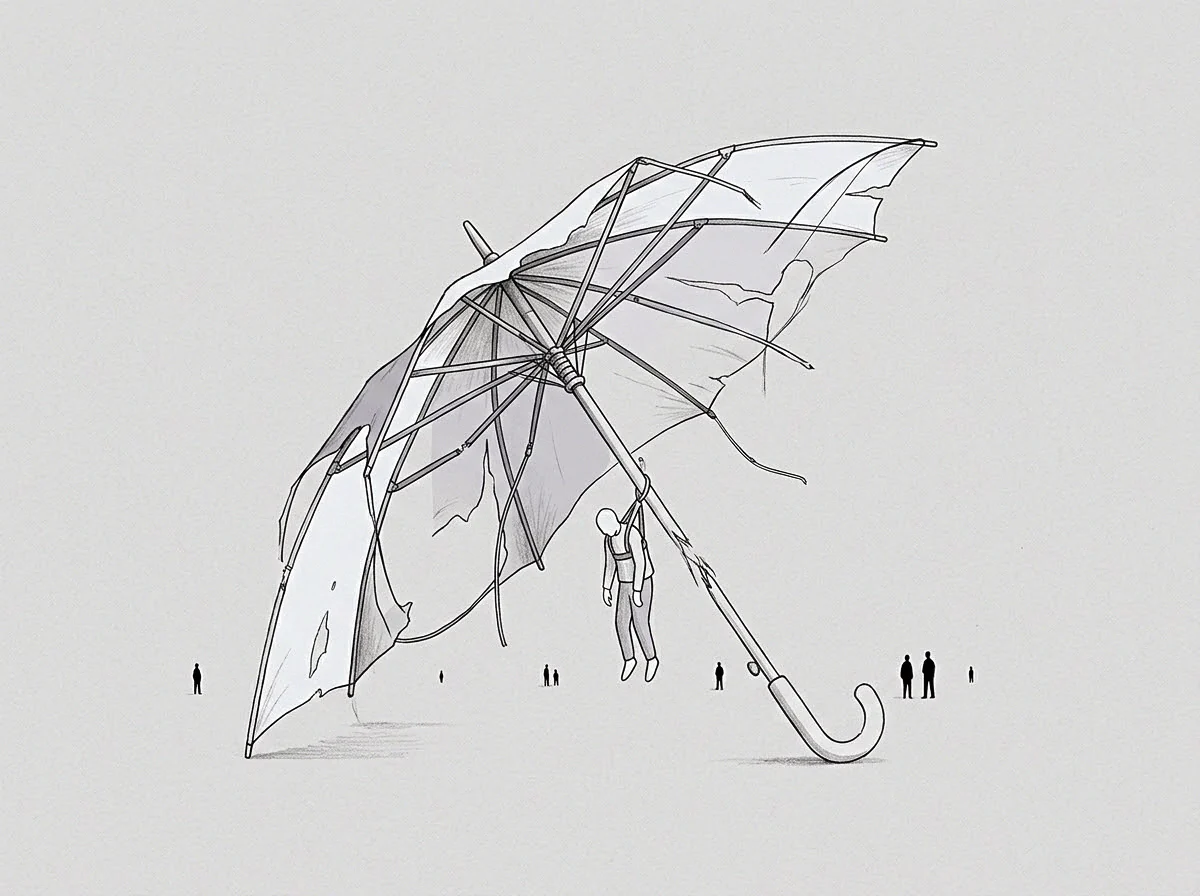
The condition of physiological exhaustion and continuous cognitive strain that occurs when a founder maintains direct personal control over routine enterprise administration beyond sustainable physiological limits is operational overload. This state begins when enterprise complexity surpasses available executive capacity, forcing the human regulator to absorb routine decisions without adequate recovery intervals. Allostatic load accumulates rapidly under these conditions, depleting available attention and degrading the physiological baseline required for steady executive function.
Cognitive Throttling
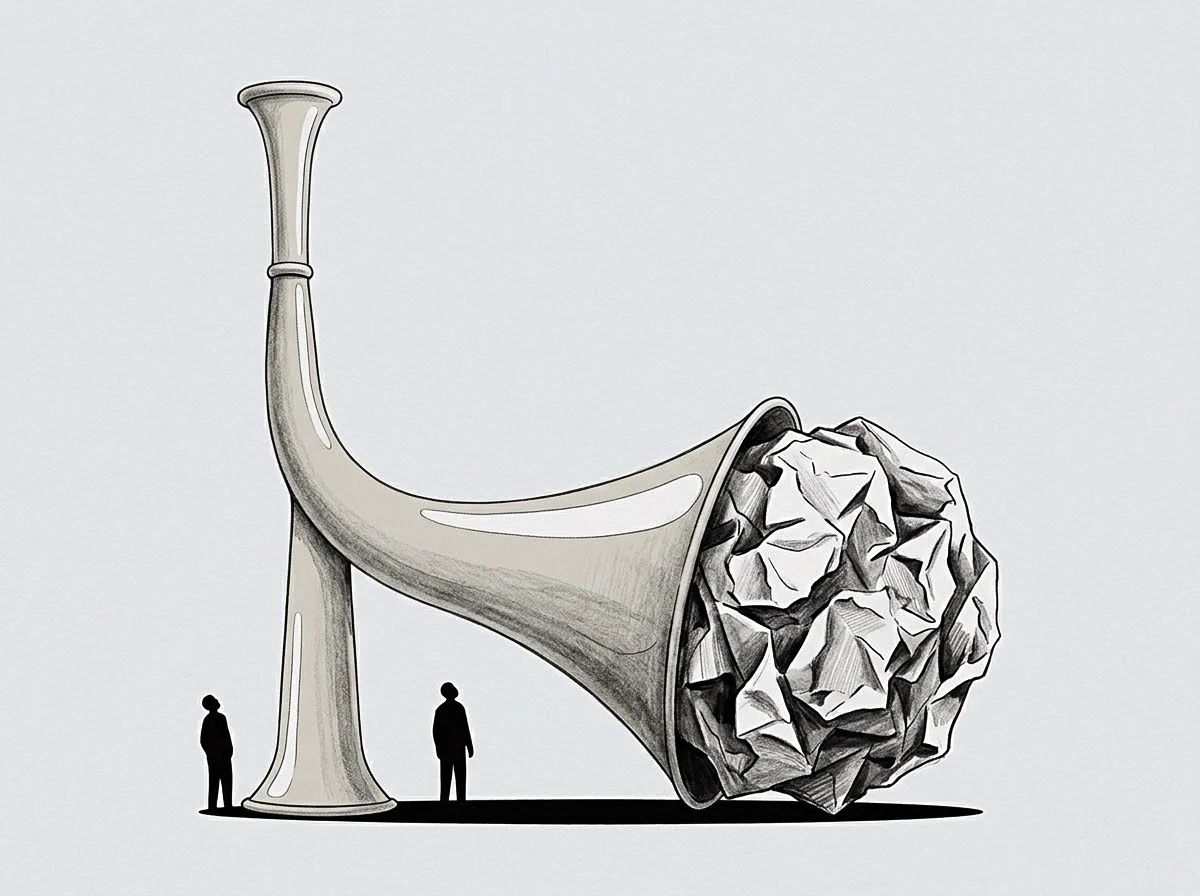
Executive capacity diminishes progressively as neurobiological reserves drain from continuous problem solving and uninterrupted availability. Working memory contracts under sustained pressure, reducing the ability to hold multiple competing variables simultaneously without error. Attention narrows toward immediate tactical fires while long-term planning functions experience severe degradation.
Decisions that previously required minimal processing time now demand disproportionate mental effort and induce acute fatigue.
Structural Friction
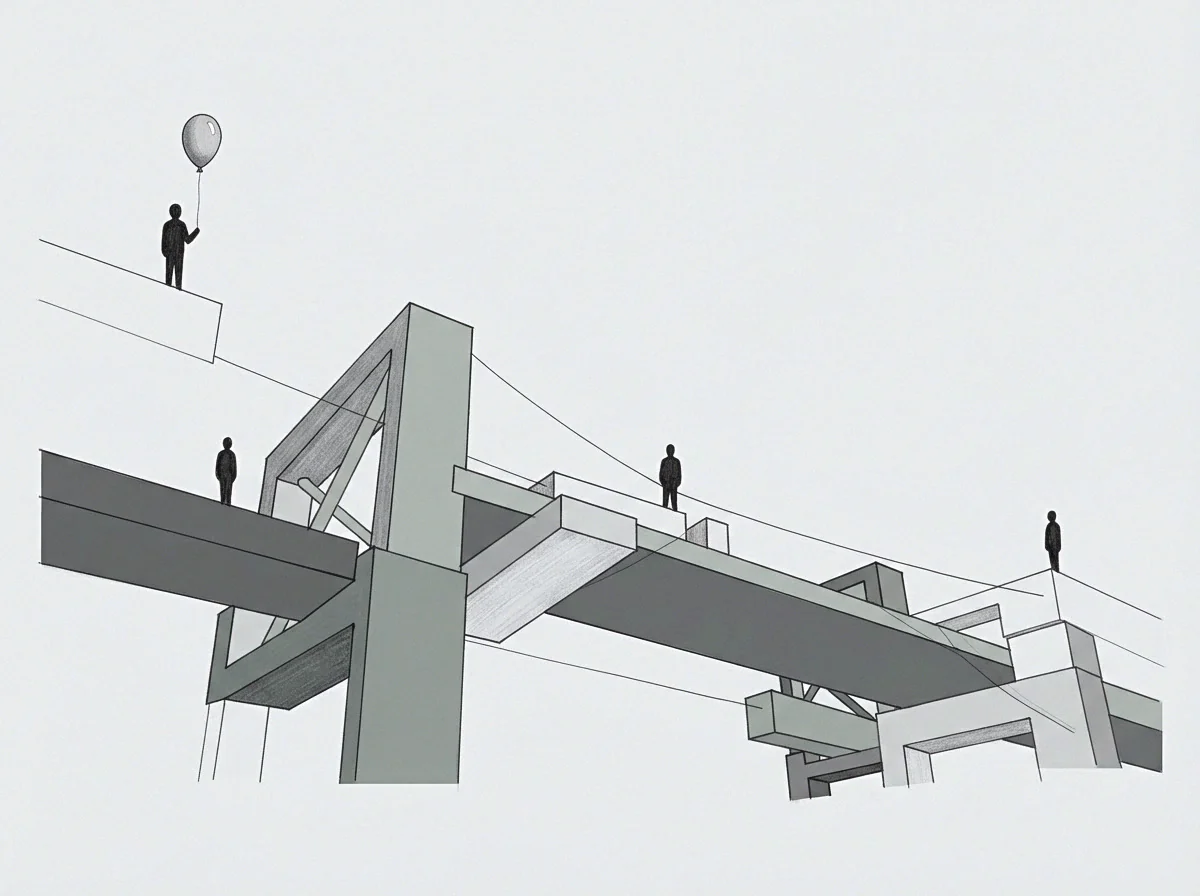
Enterprise workflows frequently generate avoidable drag because communication paths route excessively through a single central coordinator. Decision latency increases proportionally with the volume of inbound exceptions awaiting personal authorization. Delegation fails to take root when operational protocols rely entirely on tacit knowledge locked inside one head rather than documented procedures.
Employees wait idly for direction, creating artificial bottlenecks that amplify the daily administrative burden on the founder.
Capacity Limit
Physiological collapse halts this cycle when total load exceeds the absolute biological threshold for stress recovery. Sleep architecture deteriorates first, followed by chronic irritability and declining immune function that force unexpected absences from daily operations. Systems dependent entirely on personal presence stall completely during these forced shutdowns, revealing the fragility of unshared responsibilities.
Sustainable enterprise architecture requires permanent institutional structures that decouple daily continuity from individual endurance.