Meaning
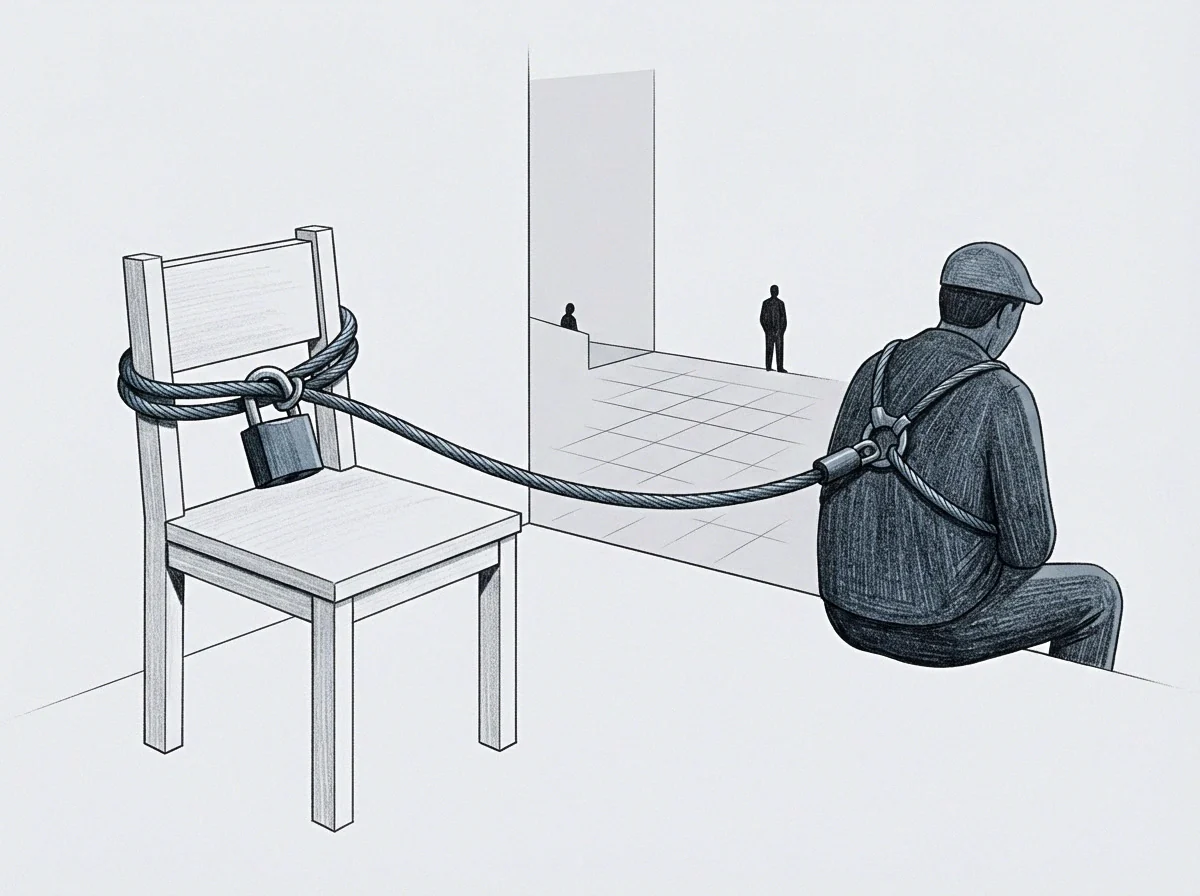
Domination of the nervous system by its inhibitory branch acts as a biological defense mechanism to prevent total systemic collapse during periods of extreme demand. This parasympathetic dominance is not a state of healthy relaxation but a forced shutdown. It occurs when the sympathetic system has been over-activated for so long that the body triggers a freeze response.
The heart rate slows, and the person may feel numb or disconnected from their surroundings.
Conservation Strategy
The brain employs a specific method to protect the body’s primary organs by reducing activity to the bare minimum. This strategy is an emergency measure used only when the system is near the point of total failure. It feels like a loss of motivation or a heavy fog that prevents effective action.
In this state, the founder cannot make decisions or respond to new information.
Recovery Inhibition
A state of low power mode prevents the body from performing active repair or growth. While the person is not in a state of high arousal, they are also not truly resting in a way that restores capacity. This state costs the individual time and opportunity, as they are unable to participate in their work or personal life.
Functional Limit
The individual eventually reaches a point where they can no longer fulfill even basic professional roles. This dominance of the inhibitory system can last for days or weeks until the perceived threat is removed. It is a sign that the regulatory system has been pushed beyond its capacity to cope.
The only way to exit this state is to provide the body with a sense of safety and a total lack of performance pressure.