
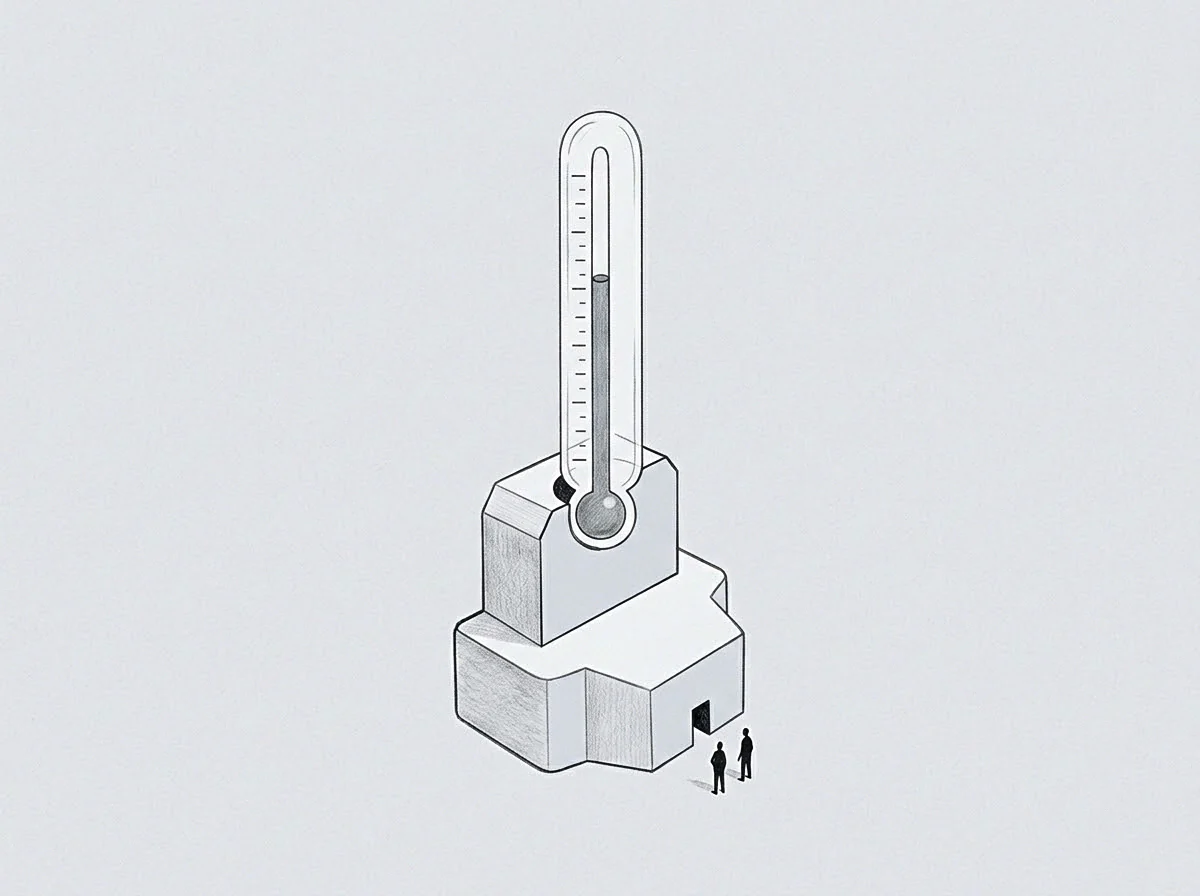
How Social Baseline Theory Explains Leadership Load Distribution in Teams
Social baseline theory shows human brains treat proximate reliable state as energy savings, concentrating operational strain onto whoever remains regulated.
Social baseline theory shows human brains treat proximate reliable state as energy savings, concentrating operational strain onto whoever remains regulated.
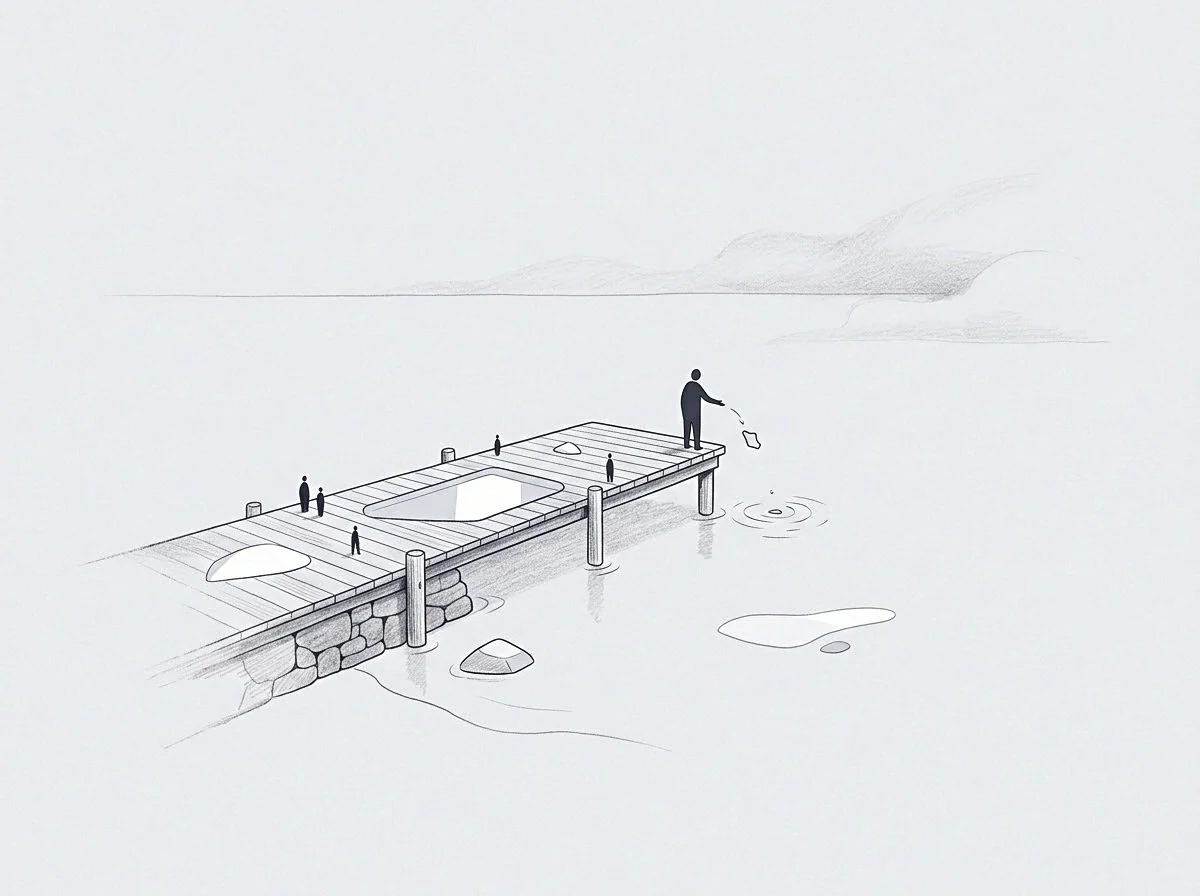
Downstream organizational restructuring depletes baseline social co-regulation, elevating individual allostatic strain when capacity ceilings prevent mutual physiological buffering.
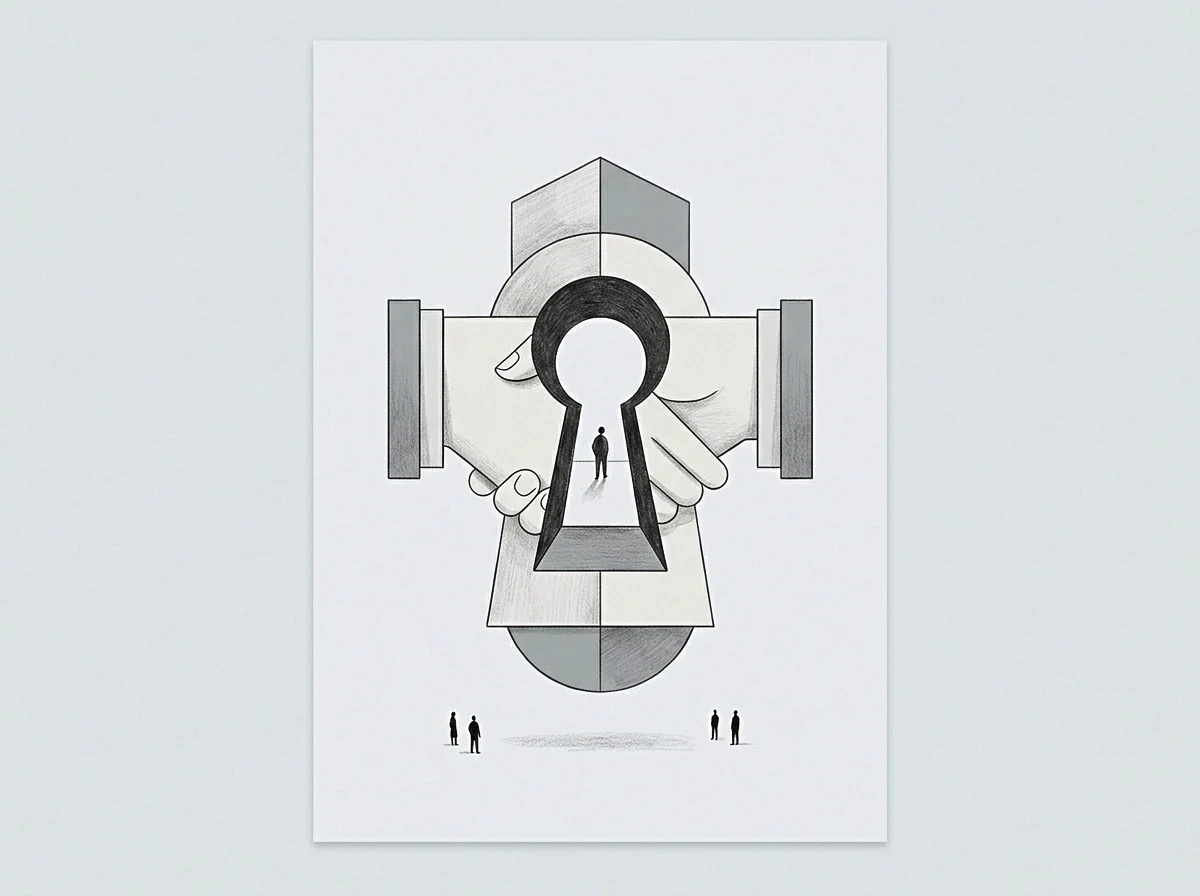
Solitary leadership recalibrates neural threat processing by elevating baseline vigilance while constricting relational capacity through unshared regulatory load.
The terms are written where they belong. Each field holds three desks, and every entry a desk writes raises the terms it uses, each term given a meaning, a mechanism and the places it appears. The record on these pages stays first person and hand made; the fields grow the nomenclature.