

Operational Capacity Limits And Authority Delegation In Executive Filter Architecture
Executive capacity limits require hard filter architectures and explicit parameter terms to delegate authority down to proxy leaders under load.
Executive capacity limits require hard filter architectures and explicit parameter terms to delegate authority down to proxy leaders under load.

Unspoken relational load transfers across executive seats until explicit terms transform personal endurance into structural operational limits.

Stated limits replace person-level regulation with structural terms, stopping load transfer before operational capacity fails under sustained systemic demand.

Dynamic boundary throttling caps incoming operational escalations at fixed setpoints, preserving cognitive headroom by enforcing asynchronous intake latency.

Automated backpressure and state-gated escalation routing protect engineering capacity during unexpected volumetric spikes by shedding non-critical operational load.
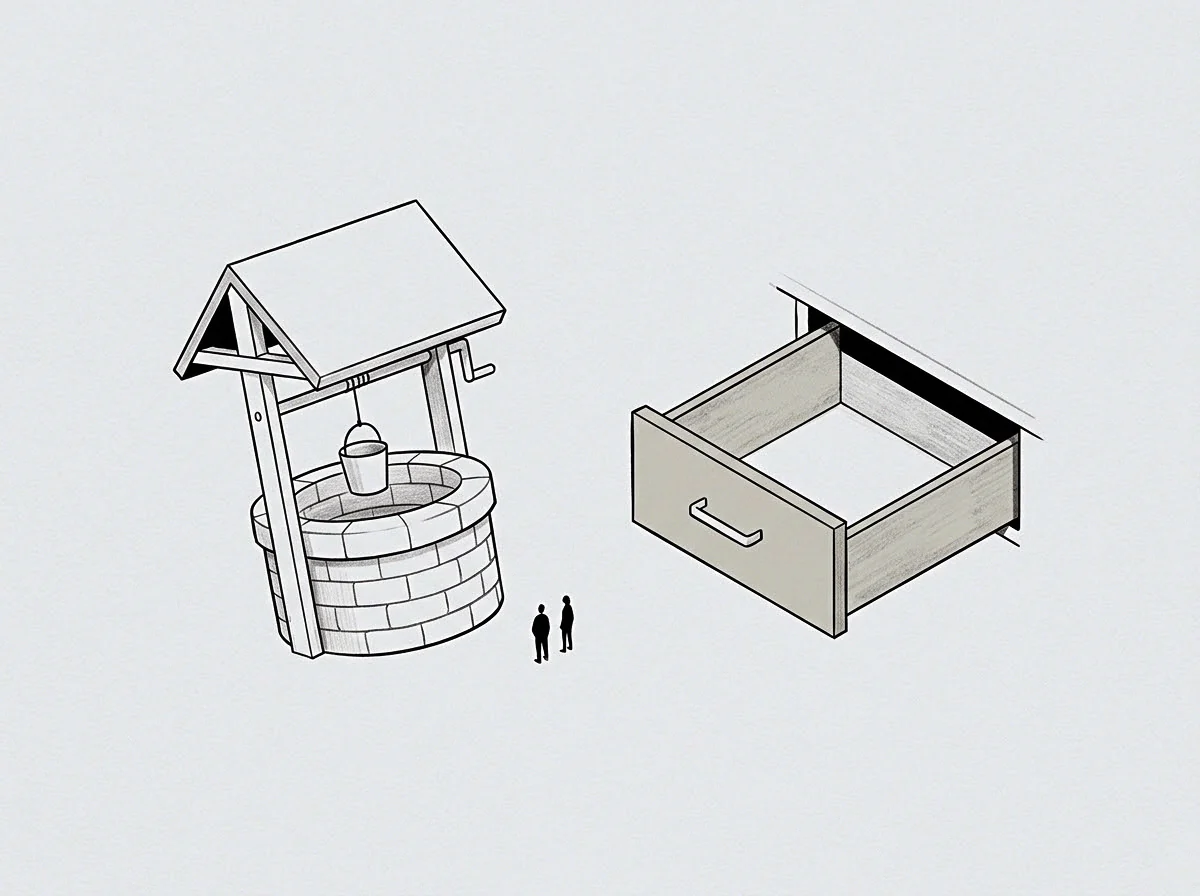
Structural governance protocols shield executive cognitive bandwidth by establishing strict escalation thresholds and mediated interfaces that deflect operational load.

Explicit allocation limits establish hard operational capacity ceilings for executive seats, forcing systems to delegate, defer, or drop non-essential load.

Codified governance holds only when shared channel latency becomes an observable cost rather than a personal refusal.

Executive boundaries transfer unmediated load during scaling until explicit terms establish rigid structural stops and isolate residual operational strain.

State-gated capacity management blocks unscheduled board demands until operational recovery metrics match the cognitive threshold of the vote.
The terms are written where they belong. Each field holds three desks, and every entry a desk writes raises the terms it uses, each term given a meaning, a mechanism and the places it appears. The record on these pages stays first person and hand made; the fields grow the nomenclature.