

Identifying Physiological Stress Indicators in Early Stage Leadership Roles
Physiological stress indicators track cumulative autonomic wear from unclosed operational loops through heart rate, cortisol output, and motor tone.
Physiological stress indicators track cumulative autonomic wear from unclosed operational loops through heart rate, cortisol output, and motor tone.

Protracted unassisted operational strain recalibrates autonomic templates toward solitary defense, shutting down relational down-regulation receptors.
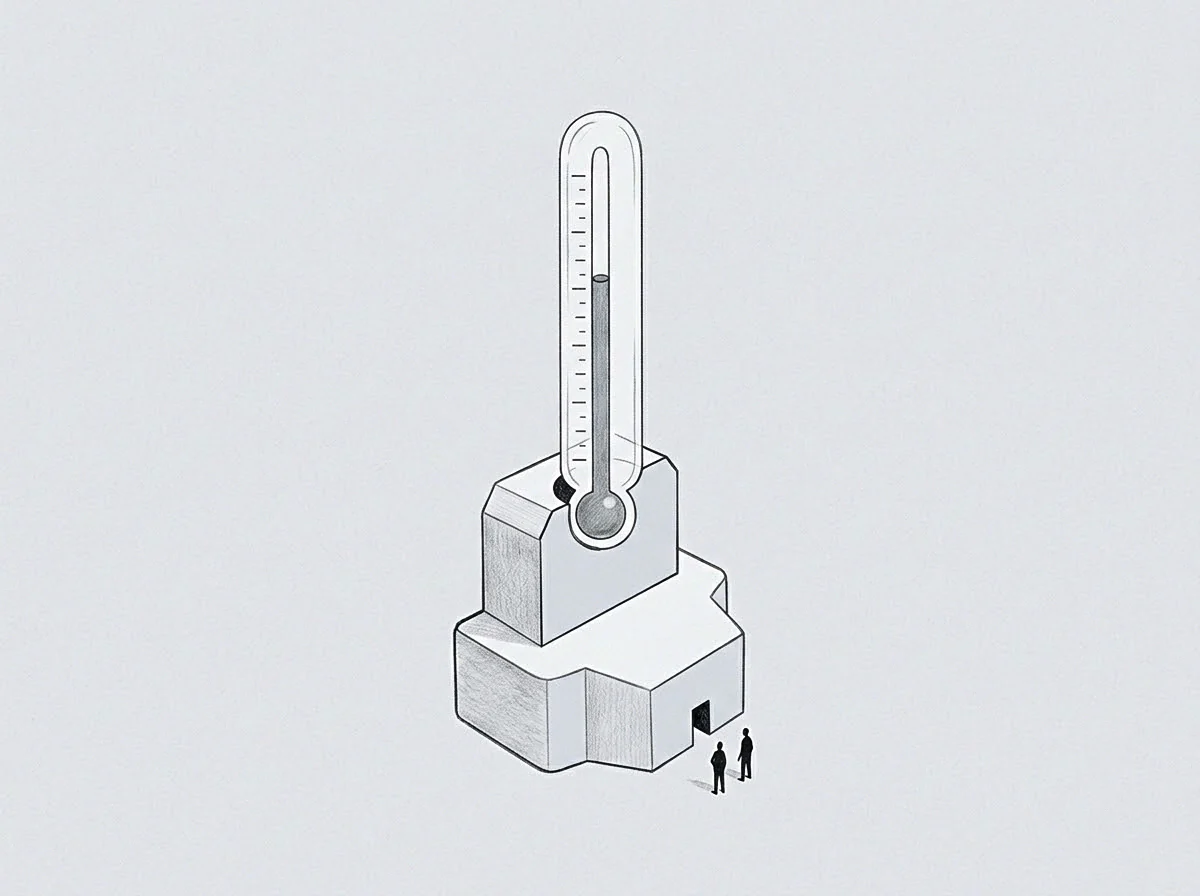
Extended operational throttling degrades autonomic adaptability, requiring structured thread closure and prolonged parasympathetic modulation before baseline capacity restores.
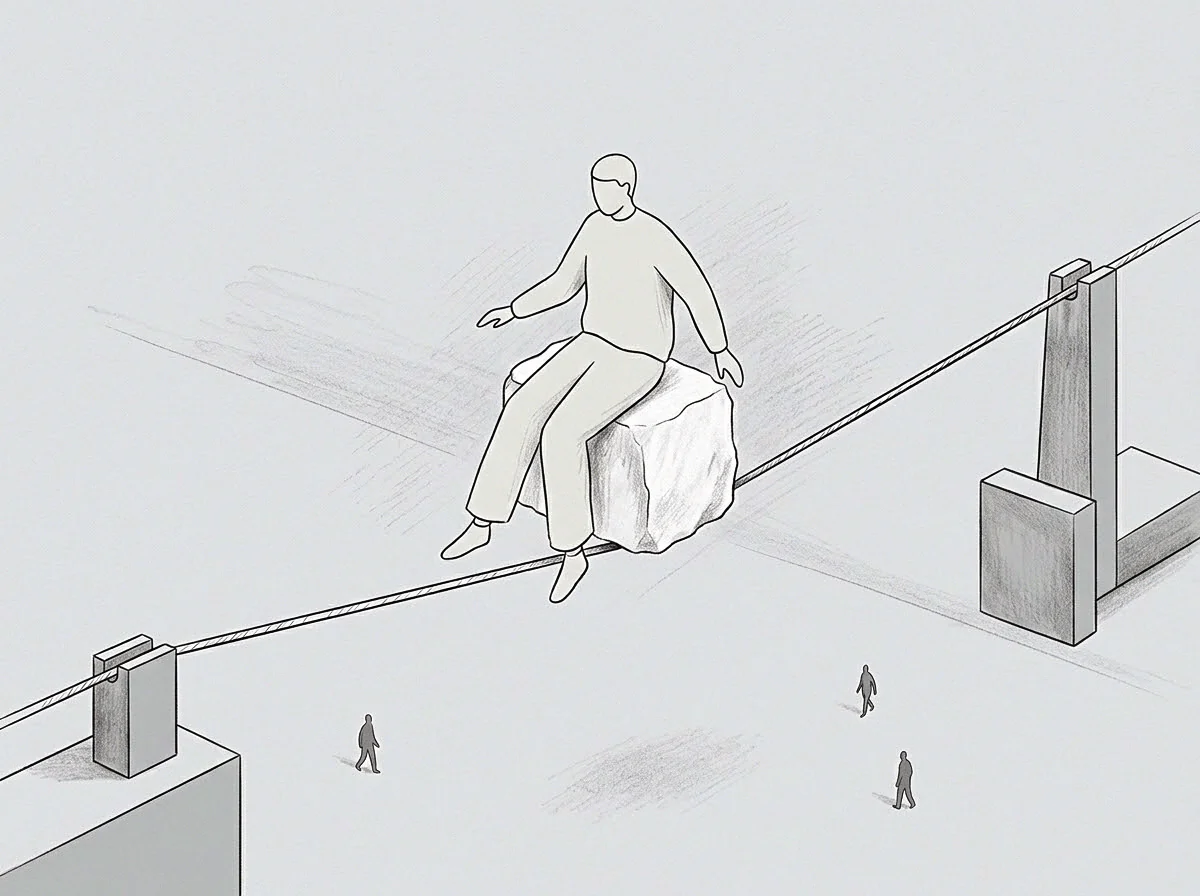
Unilateral templates treat human proximity as vigilance work, blocking somatic offloading and forcing the nervous system to bear allostatic strain alone.

Intrinsic load monitoring tracks neuroendocrine wear against cognitive concurrency limits to trigger operational gating before regulatory systems exhaust.

Shared workspace proximity forces exhausted executives into continuous autonomic co-regulation, causing metabolic depletion through involuntary micro-attunement.
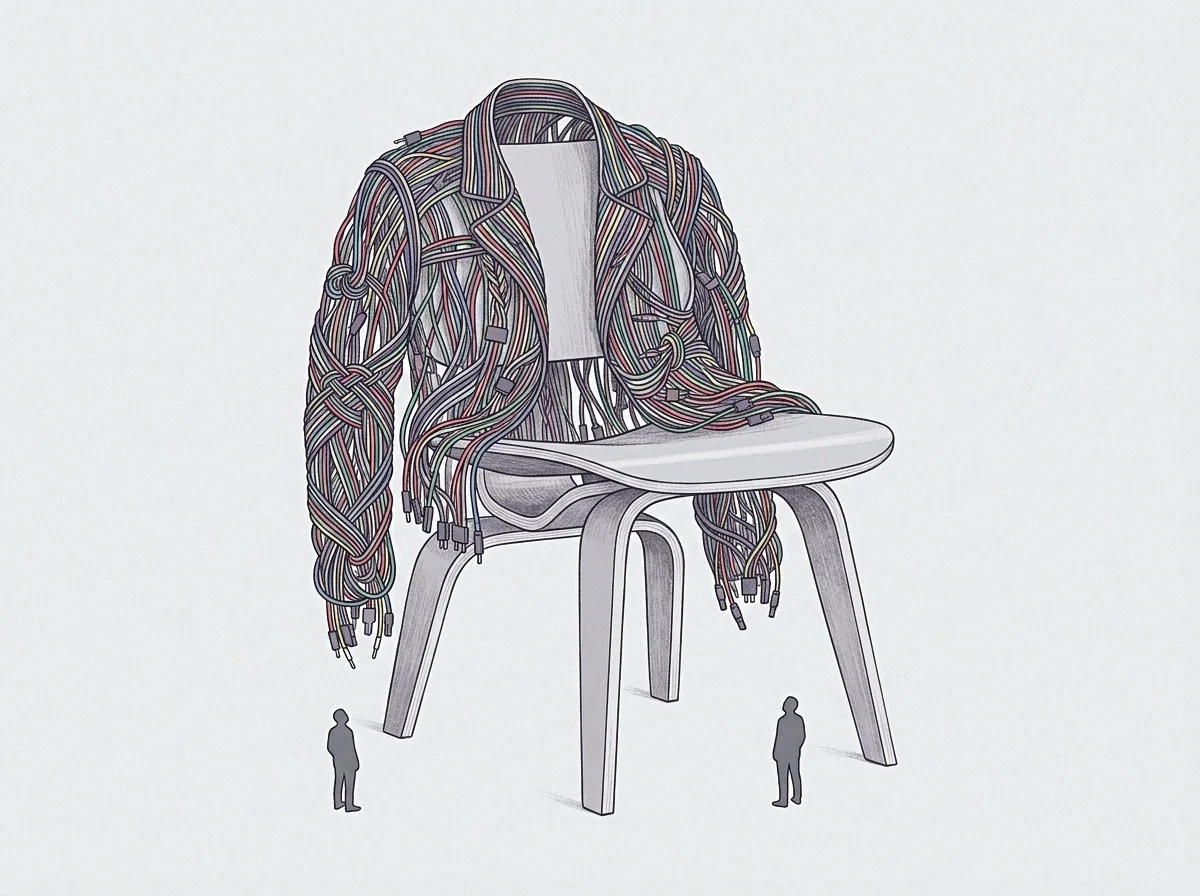
Distributed executive regulation shifts threat appraisal from an isolated nervous system to a collective social baseline, preserving strategic capacity under duress.

Autonomic hyperarousal elevates perceived existential risk, driving internal hurdle rates higher while inflating treasury cash buffers into defensive shields.
The terms are written where they belong. Each field holds three desks, and every entry a desk writes raises the terms it uses, each term given a meaning, a mechanism and the places it appears. The record on these pages stays first person and hand made; the fields grow the nomenclature.