
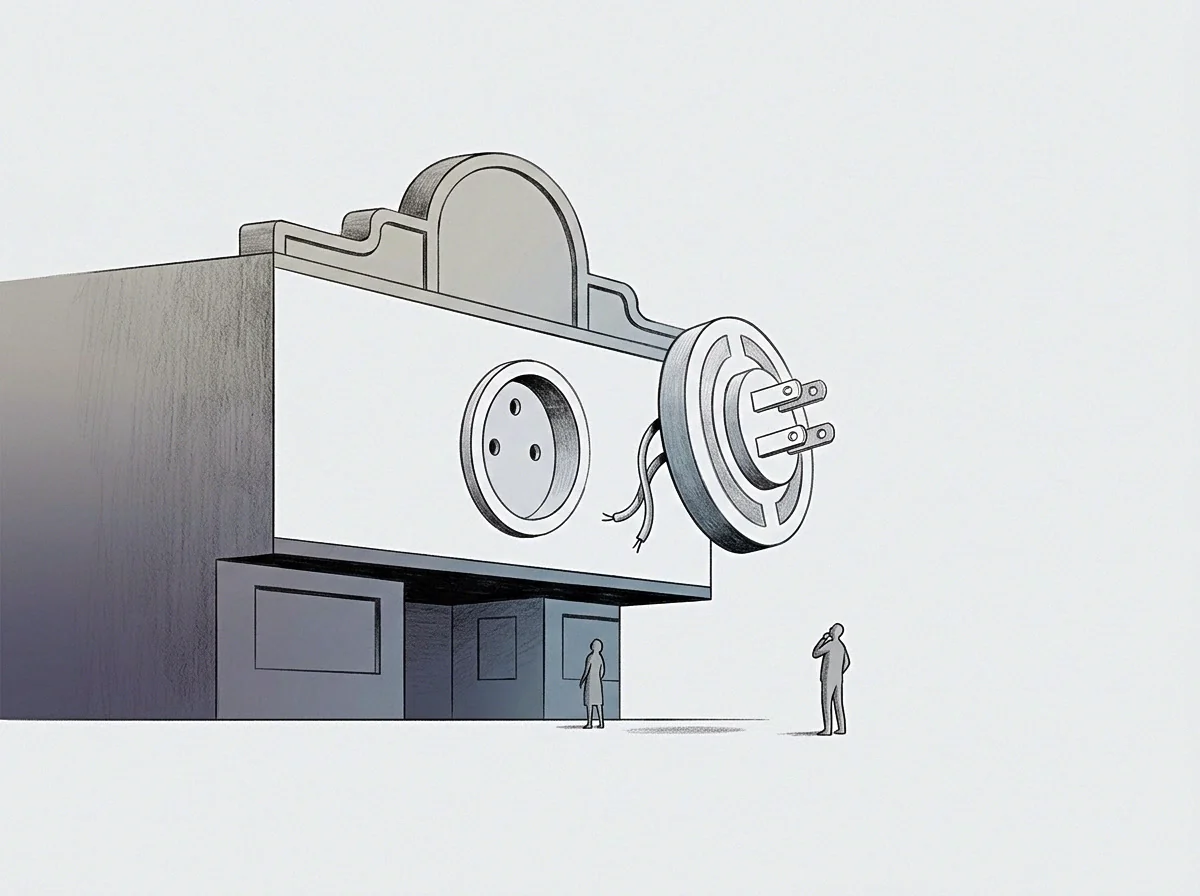
Rebuilding Autonomic Regulation After Years Of Building Alone
Extended solo building forces the nervous system into high-cost solo regulation, requiring repeated sensory proximity to rebuild capacity for co-regulation.
Extended solo building forces the nervous system into high-cost solo regulation, requiring repeated sensory proximity to rebuild capacity for co-regulation.
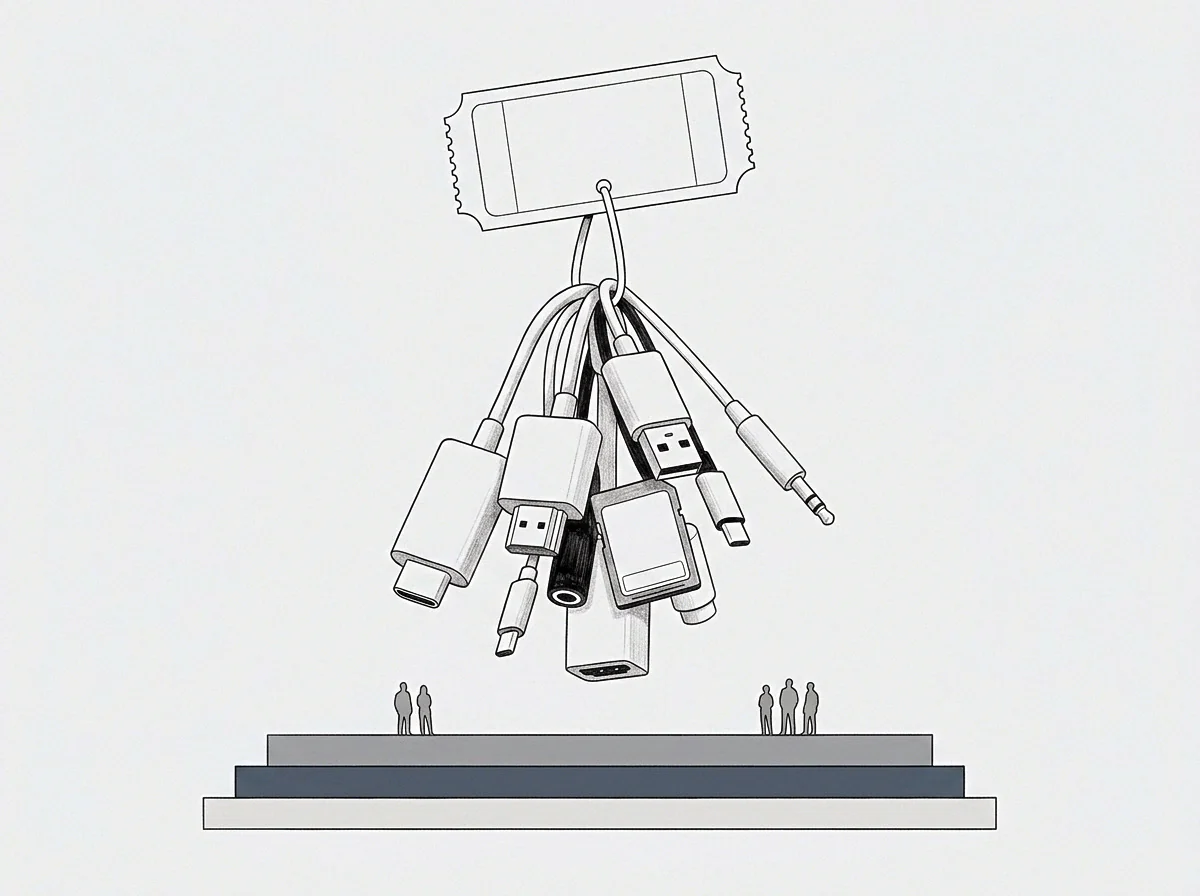
High sustained work load delays parasympathetic recovery upon entering home environments, converting domestic proximity into acute sympathetic expense.

Unbuffered leaders absorb group panic at private metabolic cost, accelerating somatic depletion while subordinates borrow calm without sharing systemic wear.
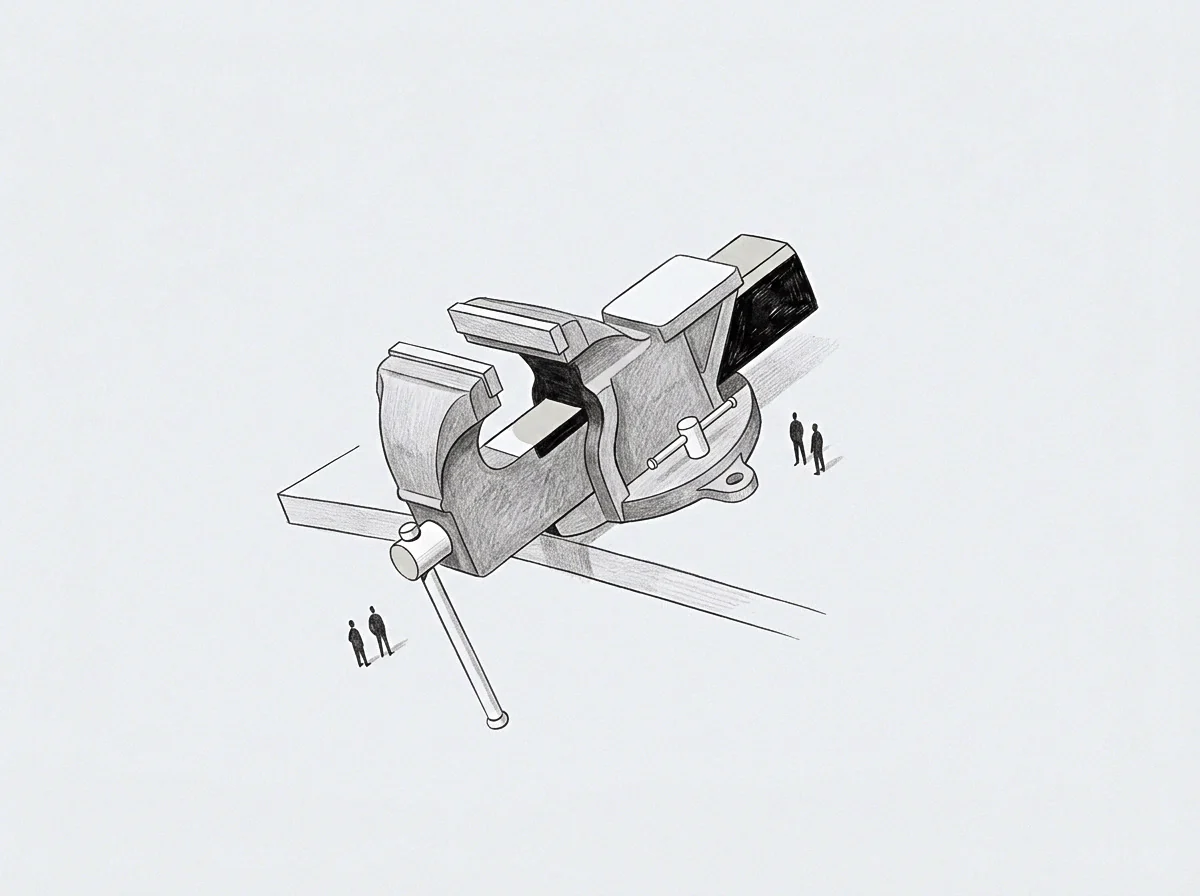
Autonomic regulation recovers when sustained solitary load gives way to repeated physical co-regulation, updating the internal baseline from threat to safety.

Biological allostatic load reflects cumulative physiological wear from chronic stress, whereas clinical depression involves primary mood and cognitive disruption.

Extended enterprise stress down-regulates central neuropeptide receptors, creating a biological refractory period that temporarily blocks interpersonal calming.

Solitary allostatic containment elevates metabolic expenditure by forcing continuous self-regulation without the biological cost reduction of shared presence.
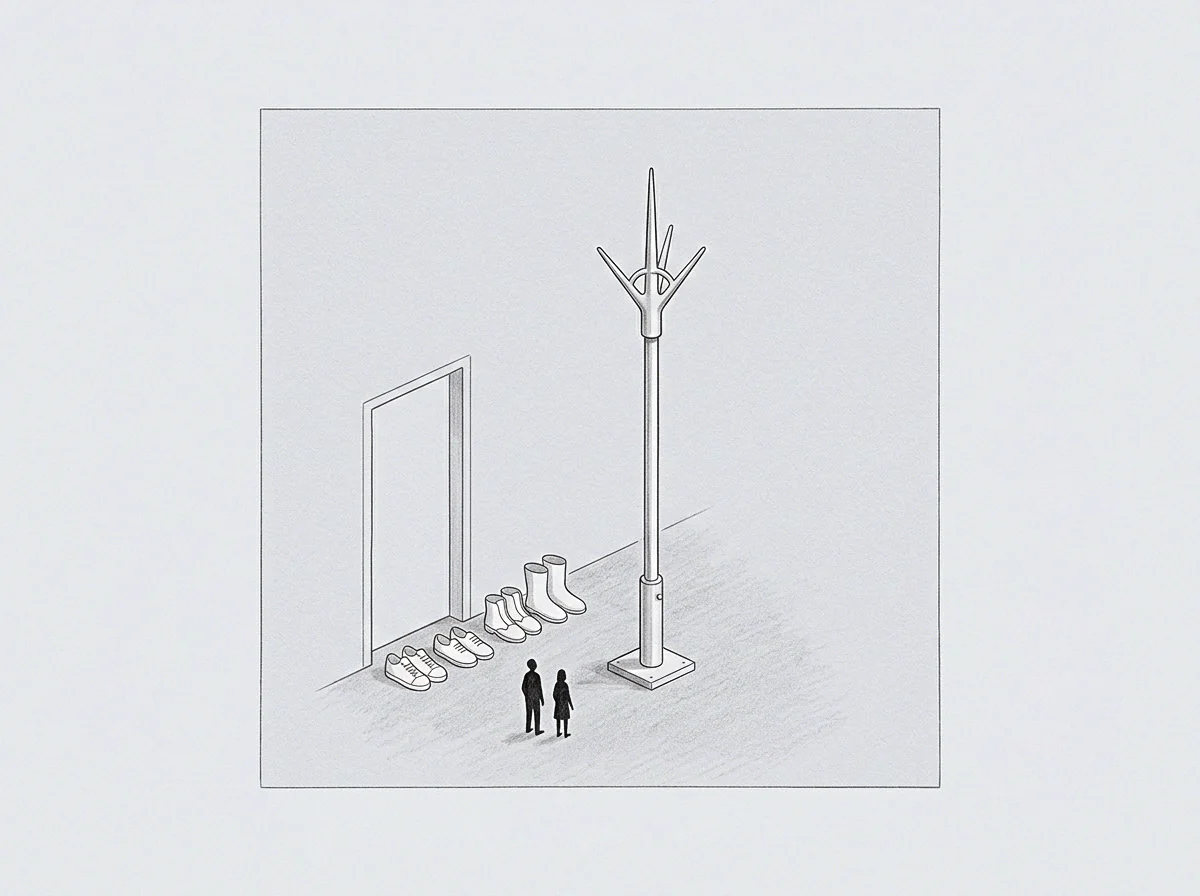
Unresolved operational threads maintain central nervous system vigilance, suppressing the vagal brake and preventing nocturnal parasympathetic cardiac recovery.

Delegation gates shorten executive autonomic latency by setting explicit financial and operational boundaries that close open cognitive loops.
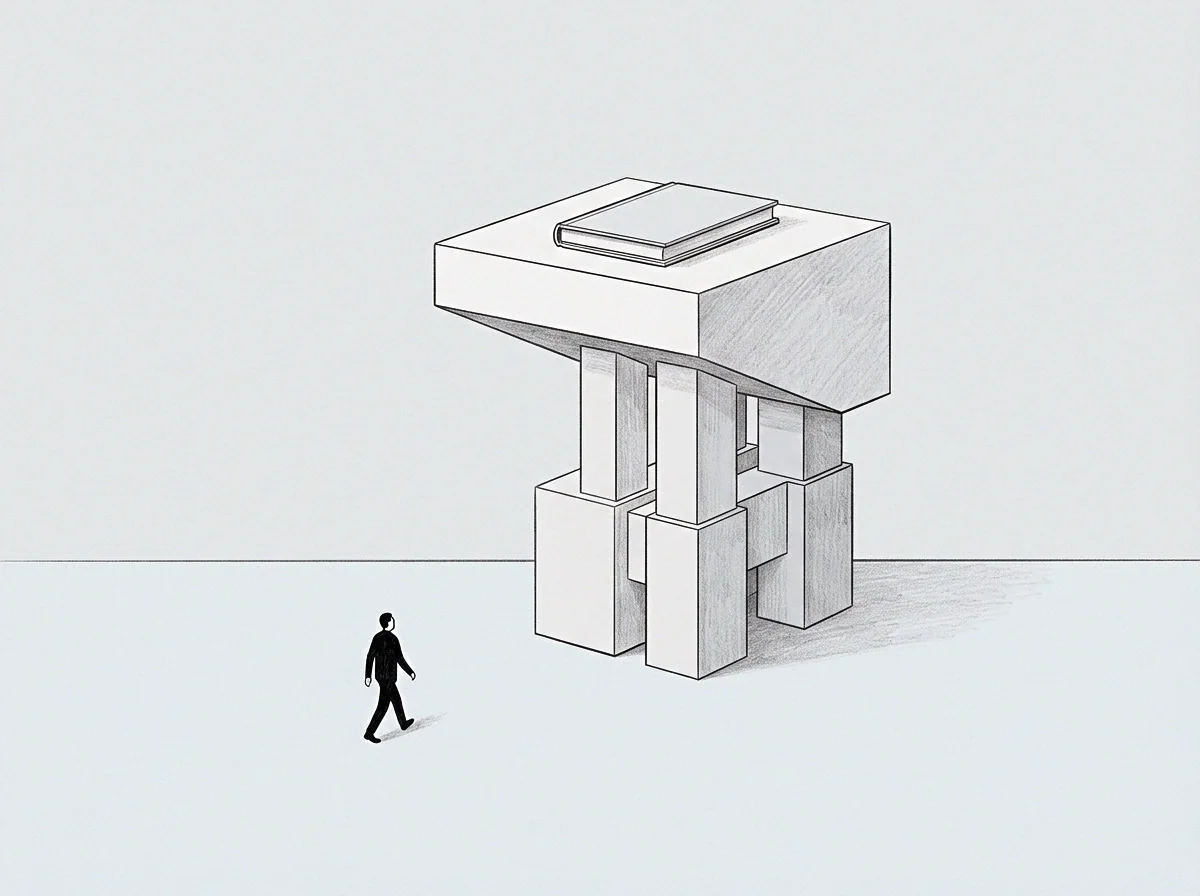
Solitary technical building removes environmental co-regulation, forcing the brain to expend metabolic energy on self-regulation and throttling cognitive headroom.
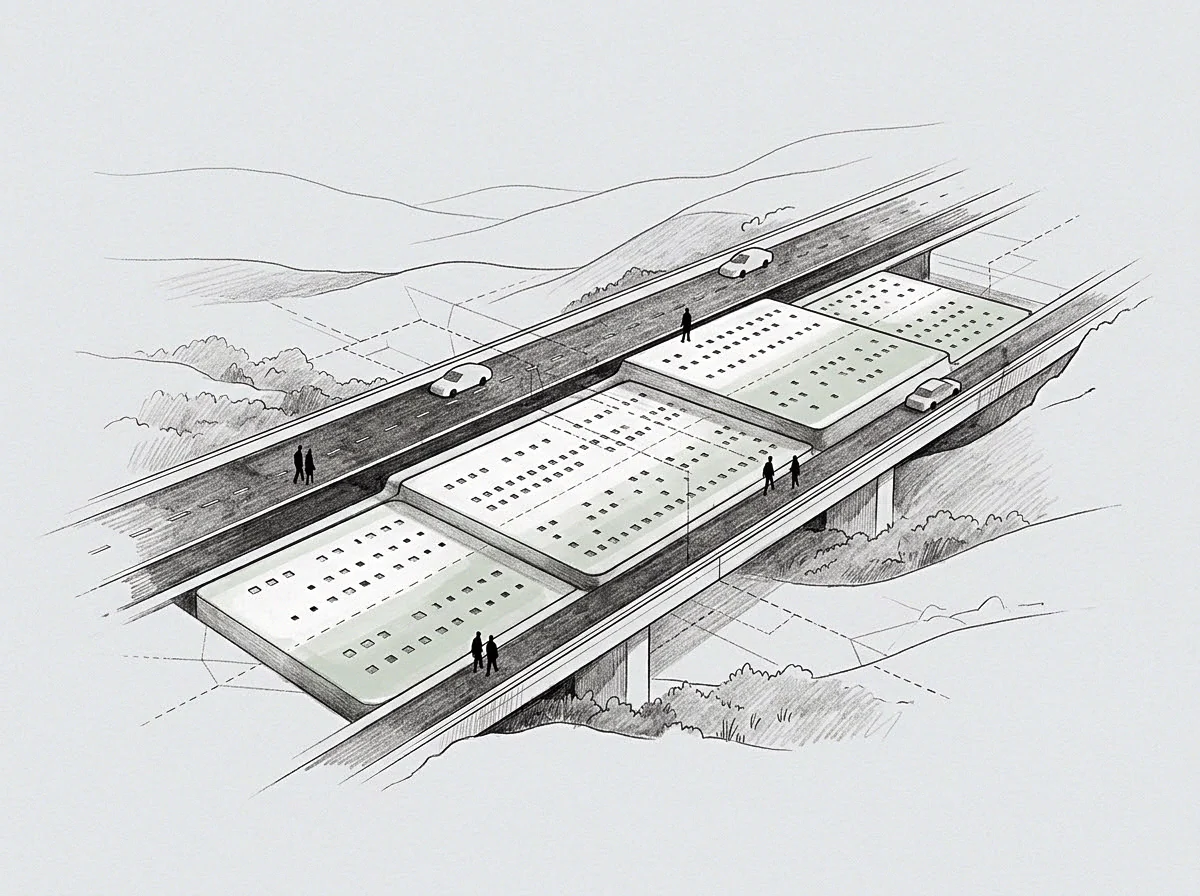
Executive system throttling selectively suppresses high-order cognitive processing to protect vital operational capacity under sustained physiological load.

Chronic sympathetic hyperarousal elevates executive discount rates, shifting capital allocation from long-horizon growth toward immediate threat containment.

Isolated nervous system regulation forces the brain to spend extra metabolic energy on self-soothing, accelerating physiological wear under operational load.
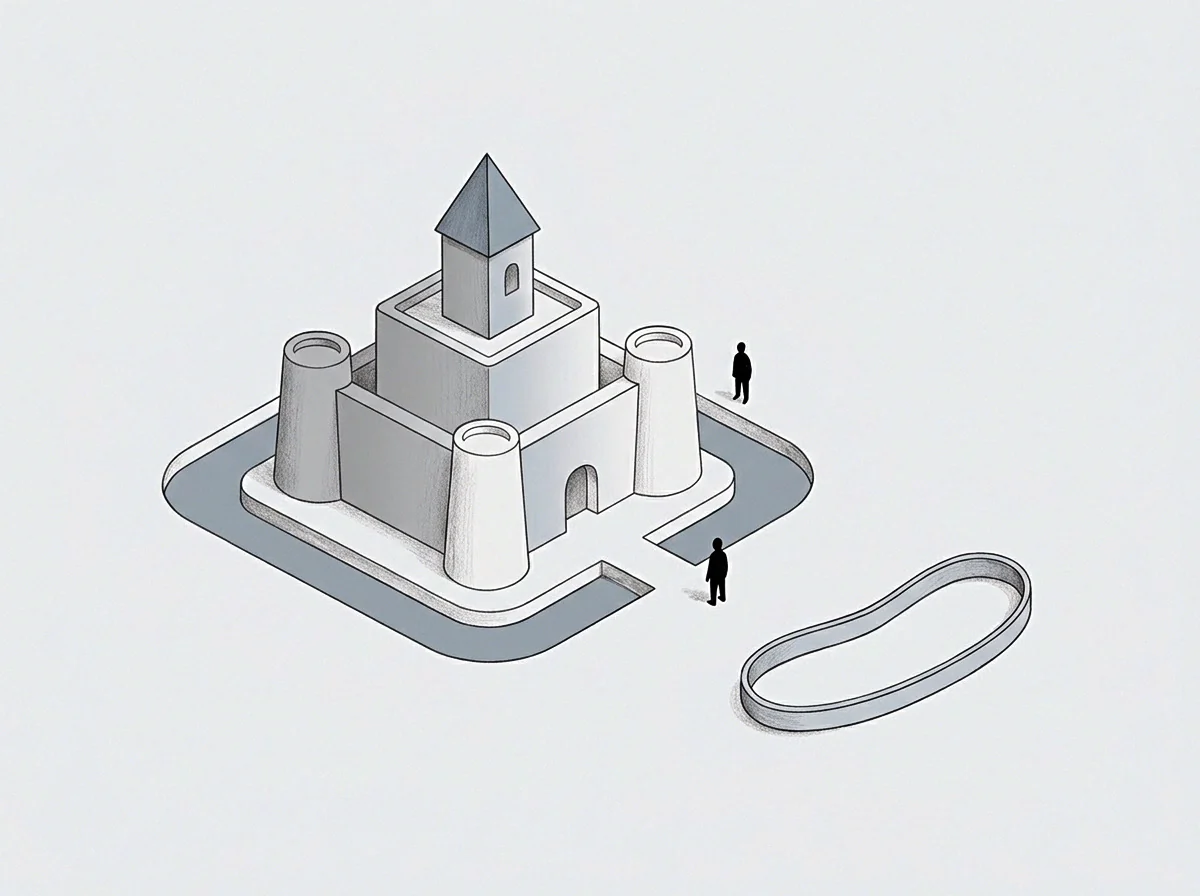
Executive isolation forces the brain to budget environmental threat without social baseline regulation, accelerating autonomic exhaustion and decision failure.
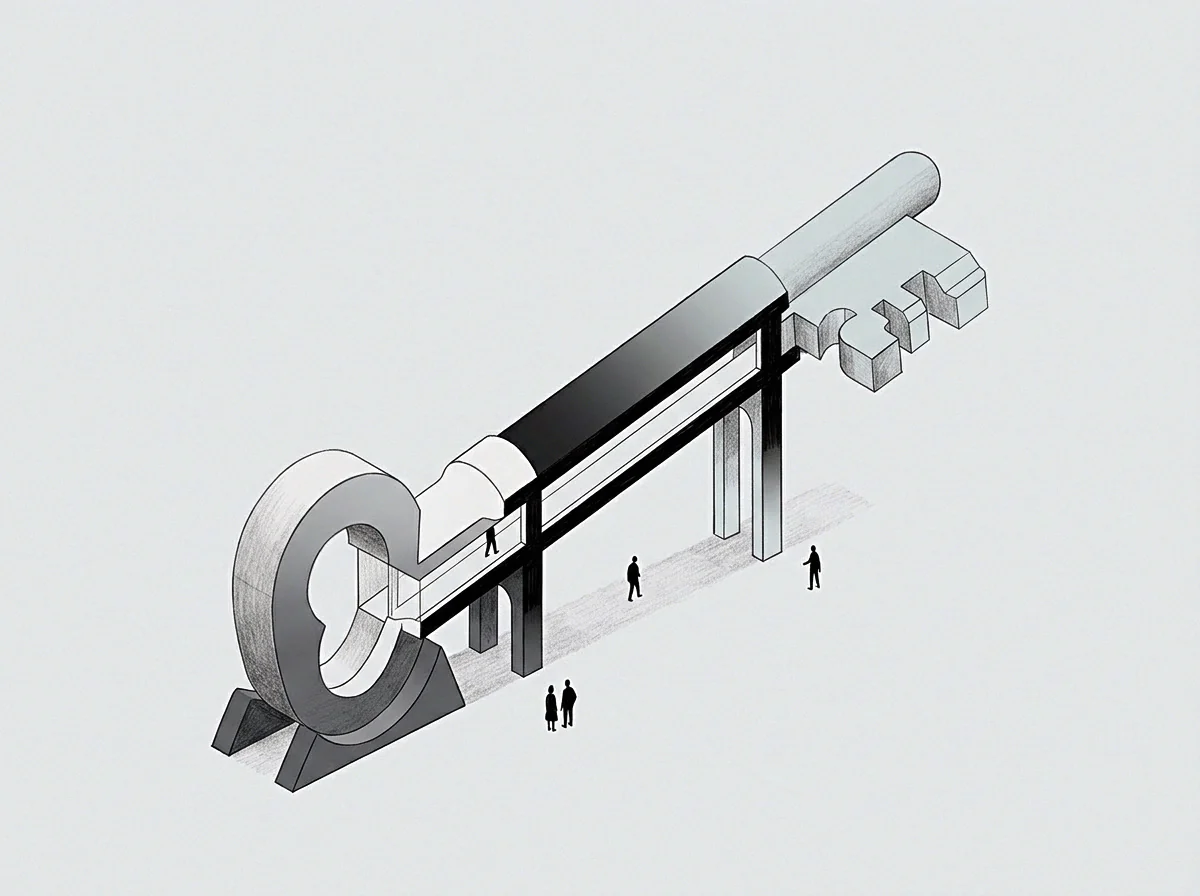
Gating real time availability limits active cognitive threads, preventing executive physiological collapse while driving distributed team self-regulation.

Latency boundaries in handover protocols restrict continuous communication pings during system deployments, reducing autonomic stress and context switching.
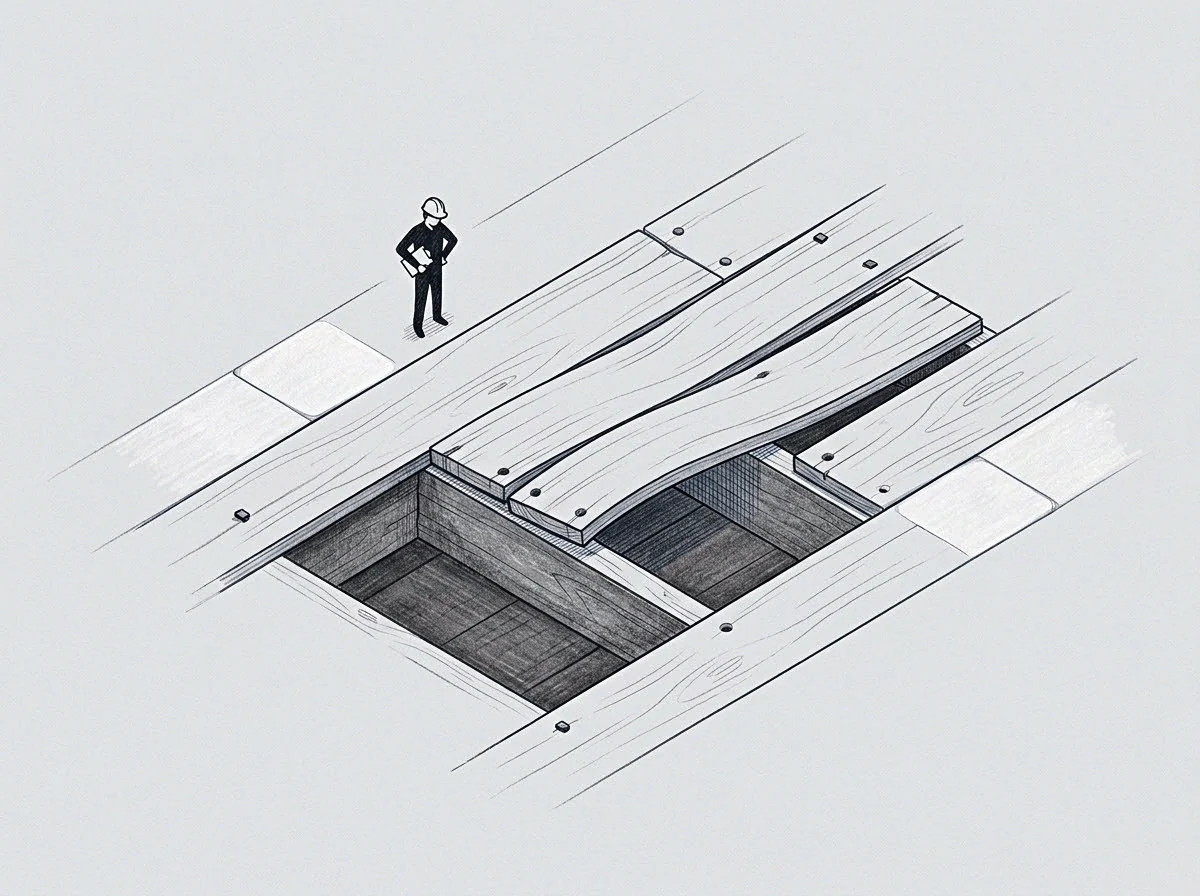
Endocrine normalization lags structural insulation because peripheral steroid receptors require months of verified safety to recalibrate baseline feedback loops.

Uncut operational telemetry drives chronic adrenocortical activation in founders by feeding sensory threat signals past formal corporate legal boundaries.
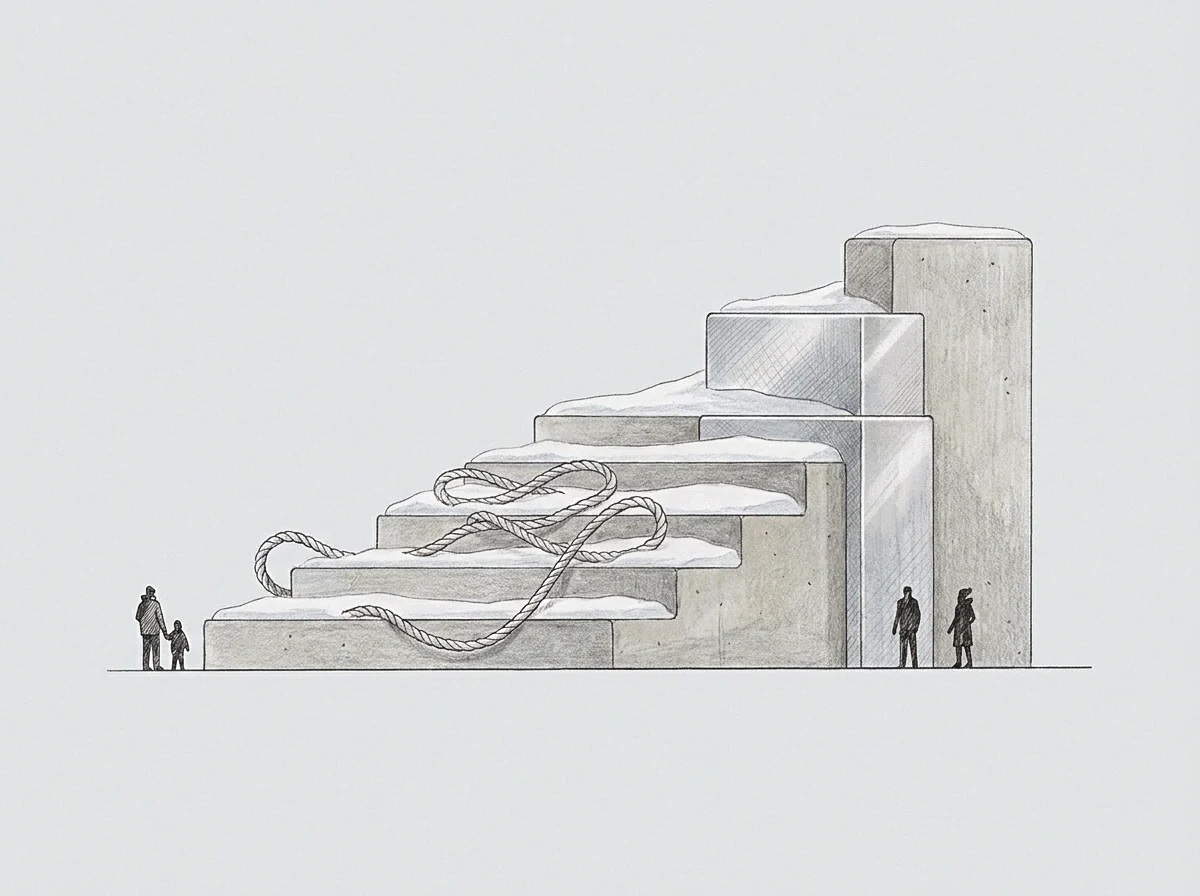
Structured decompression protocols isolate high sympathetic arousal during re-entry, preventing allostatic load transfer and domestic co-regulation friction.

Prolonged solitary responsibility forces the brain to budget regulation without social damping, locking neural circuits into autonomous threat appraisal.
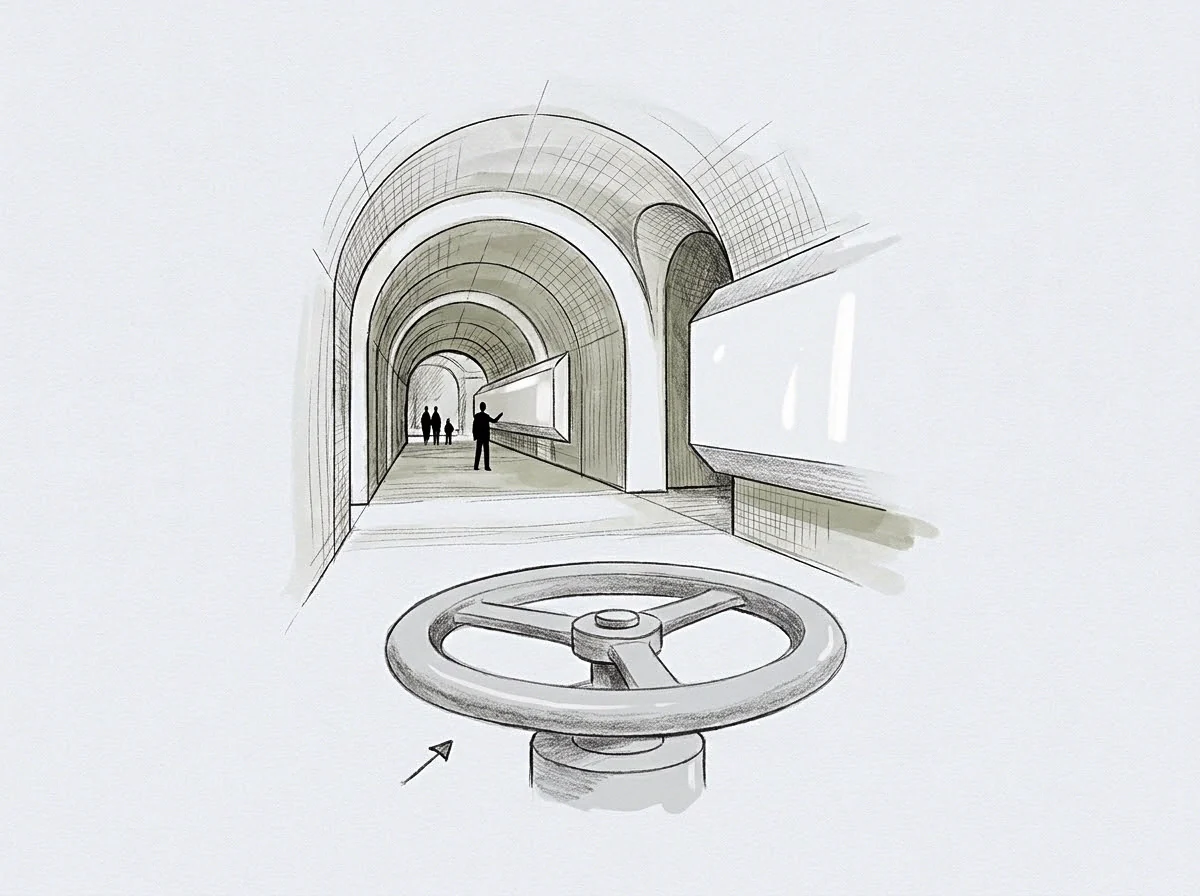
Persistent asynchronous work demands suppress nocturnal vagal recovery markers through continuous background vigilance and unbroken adrenergic tone.

Solitary threat monitoring burns prefrontal glycogen, whereas shared baseline presence lowers metabolic cost through automatic autonomic co-regulation.
Prefrontal neuroendocrine recovery requires months of structured low-stimulus operations to restore diurnal cortisol slopes and working memory capacity.
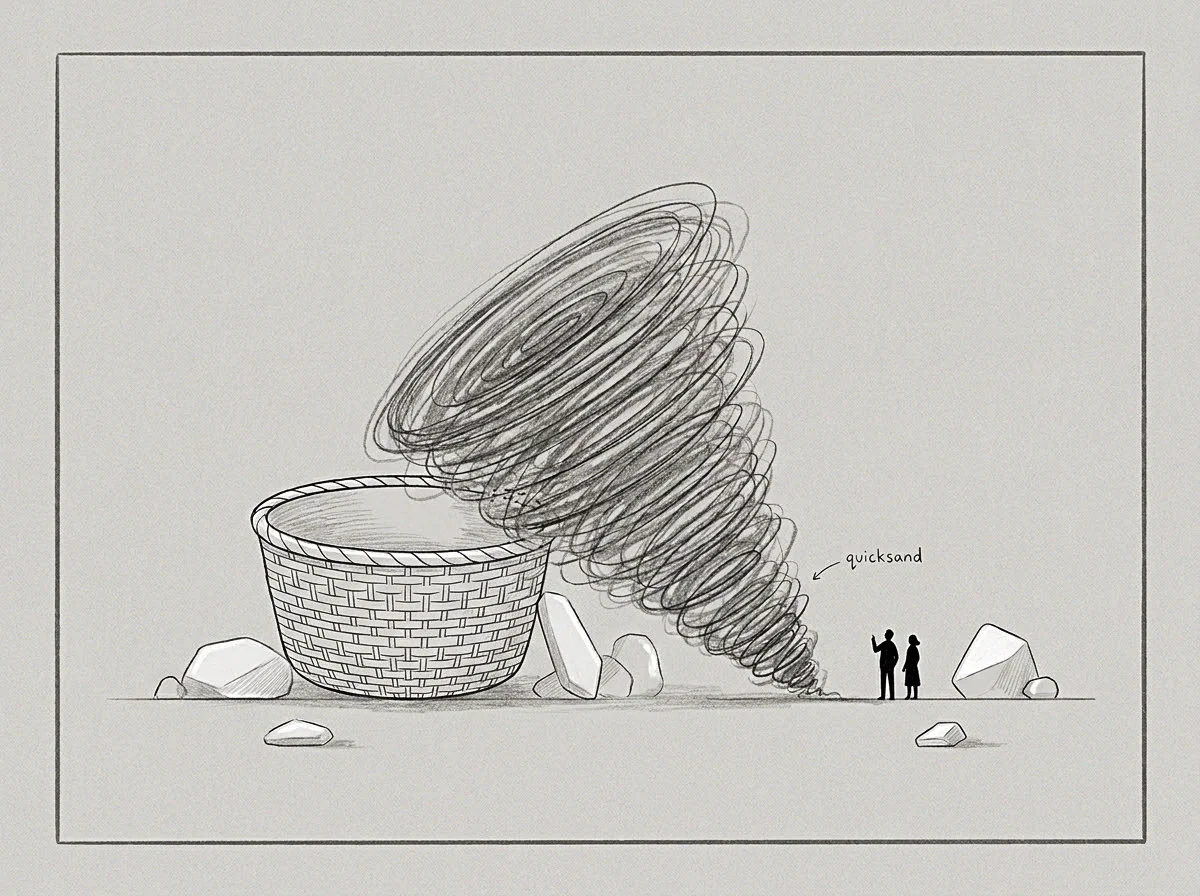
Solitary venture liability forces persistent sympathetic activation and vagal brake failure, transferring metabolic stability to unexposed partners at heavy autonomic cost.
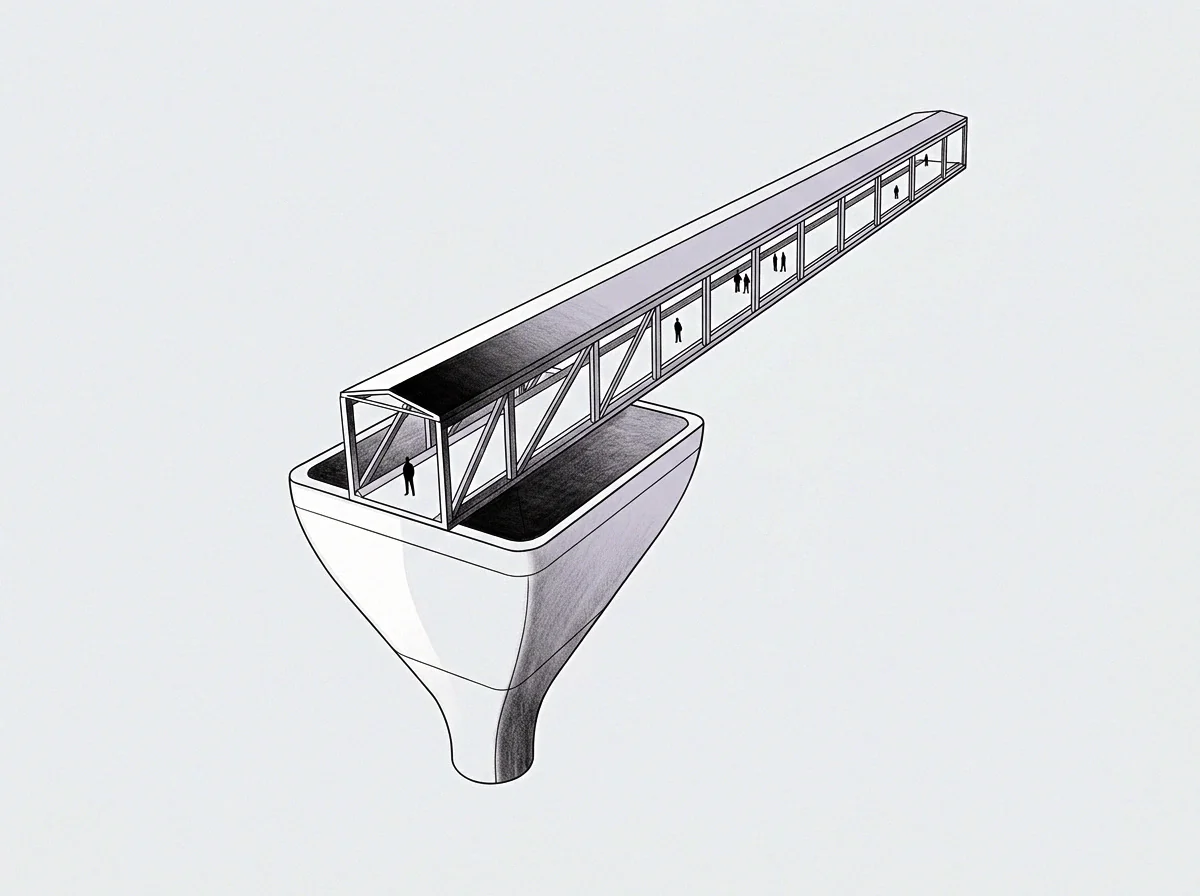
Prolonged solitary strain forces the autonomic nervous system to classify proximity as a threat, raising baseline vigilance until low-demand presence updates the internal working model.

Extended solitary command recalibrates neural threat setpoints, creating a persistent sympathetic lag that outlasts the objective crisis by months.
Executive throttling is protective prefrontal capacity preservation under high allostatic wear, distinct from clinical depression or operational failure.

Somatic safety recovers when structural isolation arrests incoming operational load, allowing relational proximity to restore autonomic resilience over time.
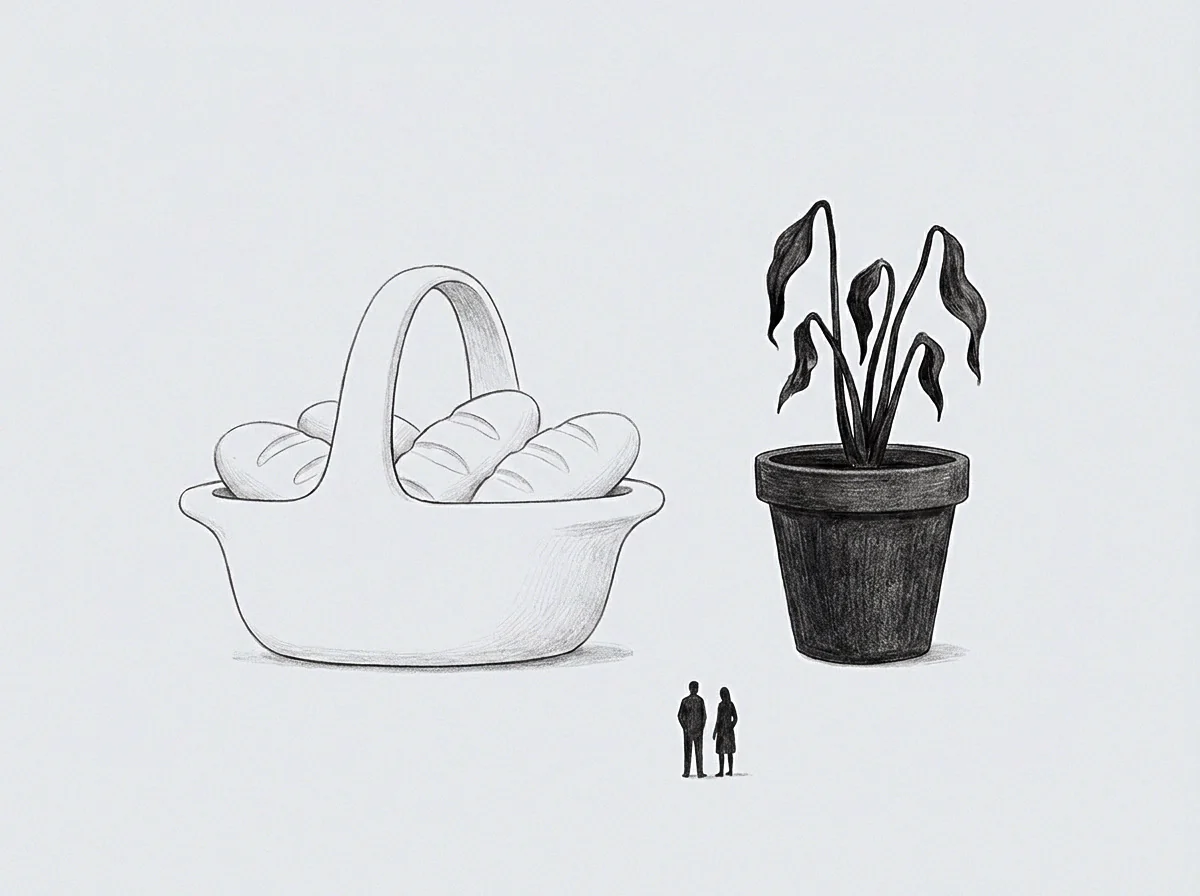
Distributed nervous system regulation fails in growth ventures because fiduciary asymmetry prevents genuine lateral baseline borrowing under existential threat.
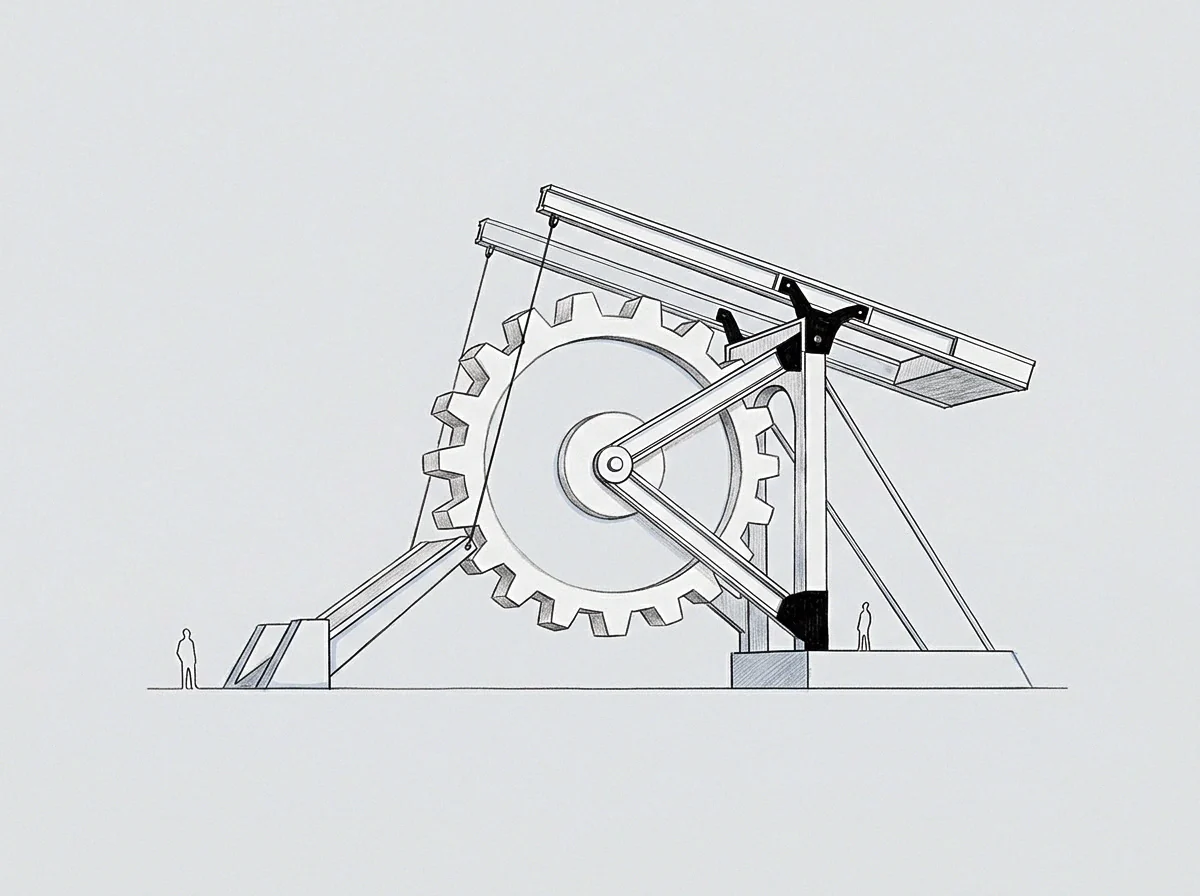
Sustained executive load forces the autonomic nervous system to raise its baseline tone, substituting chronic sympathetic vigilance for restorative vagal rest.
The terms are written where they belong. Each field holds three desks, and every entry a desk writes raises the terms it uses, each term given a meaning, a mechanism and the places it appears. The record on these pages stays first person and hand made; the fields grow the nomenclature.