
Long-Term Somatic Consequences Of Persistent Unbuffered Organizational Co-Regulation On Executive Longevity
Persistent organizational co-regulation without personal buffering forces executive autonomic systems to absorb environmental volatility as elevated baseline allostatic load.
Spine
Four operational escalations arrive simultaneously during an active capital round while the chief executive officer sits in a board meeting. Respiratory frequency shifts upward by three cycles per minute. Heart rate variability contracts, yet facial musculature remains calm and voice pitch drops to signal complete control.
Surrounding founders, vice presidents, and team leaders instantly stabilize their own autonomic arousal by referencing this steady state. The room settles, decisions proceed, and panic recedes across the organization. Inside the executive body, sympathetic activity remains elevated, blood pressure elevates, and parasympathetic recovery suspends entirely.
Absorption operates without conscious choice.
The human central nervous system calculates safety and effort through social baseline theory, an evolutionary architecture wherein proximity to a reliable, regulated other reduces metabolic expenditure. Brains budget threat response on the assumption that external regulation is continuously available. When an individual assumes the role of the primary stabilizing presence within an organization, this biological equation flips.
The executive becomes the external regulator for the entire system, taking on the metabolic debt of surrounding personnel while receiving no reciprocal somatic stabilization.
Autonomic Allocation Under Organizational Volatility
Daily operational volatility demands continuous neurological filtering. Team members bring unbuffered anxiety, panic, and conflict directly to the executive seat, seeking state stabilization. Through neural circuit resonance, the executive absorbs this incoming volatility, utilizing internal metabolic resources to project steady posture and vocal cadence.
Parasympathetic vagal tone, measured via high-frequency heart rate variability, drops systematically during prolonged co-regulation events. The body registers threat continuously even when cognitive assessment deems the situation manageable.
Findings in affective neuroscience demonstrate that social proximity lowers the metabolic cost of environmental adaptation, resting on controlled laboratory studies measuring ventral vagal activation and heart rate variability in paired adults subjected to acute threat. These findings indicate that isolation during threat processing increases autonomic expenditure by forty percent compared to paired conditions. Demonstrating that cognitive appraisal alone cancels autonomic cost in isolated individuals without social proximity would challenge this established model.
In executive settings, unbuffered co-regulation forces the leader to operate in perpetual biological isolation, bearing the entire somatic load of the organization while masking physiological strain.
Co-regulation performed without reciprocal physiological buffering forces the regulator to pay the system’s metabolic debt directly from somatic reserves.
Continuous unbuffered holding alters the default settings of the autonomic nervous system. The ventral vagal complex, responsible for social engagement and physiological calm, steps down activity to allow sympathetic mobilization. The heart rate stays high.
Baroreflex sensitivity declines, impairing the body’s capacity to smooth out rapid blood pressure spikes. Over extended operational quarters, baseline sympathetic tone elevates permanently, creating a state of chronic low-grade autonomic hyperarousal that persists long after office hours end.
The system holds posture. Executive longevity relies heavily on the structural integrity of this autonomic baseline. When an executive acts as an unbuffered biological shock absorber without personal co-regulation channels, the physical architecture bearing the load begins to degrade.
Exposing the autonomic architecture to continuous operational threat without secondary regulation depletes cardiovascular reserves long before executive tenure expires.

Toll
Biological systems under constant demand accumulate structural damage through a process known as allostatic load. The human body manages short-term challenges by deploying cortisol, adrenaline, and inflammatory cytokines to mobilize energy and sharpen attention. When these chemical messengers flood tissues continuously for years without sufficient recovery windows, systemic tissues undergo cellular wear.
Vascular walls thicken, arterial compliance diminishes, and basal inflammatory markers elevate across multiple organ systems.
Longitudinal blood plasma analyses across corporate officers over five-year operational cycles show sustained elevations in basal interleukin-6 and high-sensitivity C-reactive protein. These findings rest on serial venous blood sampling of executive cohorts undergoing routine physical examinations during periods of high organizational restructuring. Evidence showing high-stress executive roles maintaining basal inflammatory profiles equal to non-stressed control cohorts through physical exercise alone would require revising these longitudinal conclusions.
Somatic strain accumulates independently of physical fitness routines when autonomic co-regulation demands remain unbuffered.

Systemic Manifestations Of Sustained State Holding
Endocrine balance breaks down under chronic unbuffered co-regulation. The hypothalamic-pituitary-adrenal axis, responsible for managing hormonal responses to operational pressure, loses its diurnal rhythm. Cortisol awakening response flattens, producing morning fatigue coupled with evening hyperarousal.
Metabolic demand remains elevated. Executive bodies frequently develop insulin resistance and abdominal visceral adiposity despite strict dietary adherence, driven by persistent circulating glucocorticoids.
High-voltage electrical transformers utilize dielectric oil sub-systems specifically to absorb heat generated by continuous current stepping. Without these passive thermal heat sinks, the transformer core undergoes rapid physical degradation despite operating strictly within rated electrical capacities. Executive autonomic systems function under identical thermodynamic constraints, requiring dedicated secondary regulation channels to discharge accumulated operational heat.
| Physiological Metric | Buffered Co-Regulation | Unbuffered Co-Regulation |
|---|---|---|
| Vagal Tone (HF-HRV) | Preserved high-frequency variance during stress | Severe suppression of parasympathetic tone |
| Basal Inflammation | Interleukin-6 within normal baseline range | Sustained elevation of IL-6 and C-reactive protein |
| Arterial Stiffness | Normal vascular compliance for age cohort | Accelerated pulse wave velocity and compliance loss |
| Cortisol Diurnal Curve | Robust morning peak with steady evening decline | Blunted morning response with elevated evening levels |
| Sleep Architecture | Restorative deep sleep and adequate REM cycles | Fragmented slow-wave sleep and sympathetic surges |
Vagal tone drops steadily. Vascular structures reflect the continuous physical tension required to project organizational stability. High arterial stiffness, measured by brachial-ankle pulse wave velocity, correlates directly with years spent in unbuffered executive roles.
The arterial wall remodels under chronic elevation of peripheral vascular resistance, converting temporary state holding into permanent anatomical alteration.
Arterial compliance declines when the physiological cost of organizational stabilization is borne continuously by a single body.
Sleep architecture degrades under sustained autonomic hyperarousal. Nighttime heart rate remains elevated by eight to twelve beats per minute above baseline resting figures, indicating incomplete parasympathetic recovery during slow-wave sleep. Nocturnal surges in sympathetic activation trigger micro-arousals, preventing the deep cellular repair necessary for neurological clearing.
Recovery fails in isolation. Establishing a mandatory minimum forty-eight hour off-grid recovery window alters vascular inflammation markers within three physiological cycles.
Asymmetry
Organizational structures naturally funnel volatility upward toward the highest seat. Team members unconsciously seek out the calmest present individual to regulate their own nervous systems during operational crises. This dynamic creates a severe asymmetry in biological expenditure.
The team exits the executive room feeling grounded, clear, and relieved of acute anxiety, having transferred their somatic dysregulation into the room’s primary anchor. The executive remains in the chair, carrying the accumulated nervous system activation of six direct reports.
This dynamic operates as borrowed calm. Surrounding personnel do not develop internal regulatory capacity; instead, they attach to the executive’s steady state, utilizing it as an external nervous system extension. Because this borrowed regulation registers internally as self-generated composure, team members rarely recognize the heavy somatic transfer occurring during routine meetings.
Silence costs capacity.
The Directional Budget Of Presence
Executives internalize internal working models of self-reliance early in their professional histories. Many individuals who reach senior leadership roles operated as early-life regulators within their original family structures, learning to suppress personal distress to stabilize surrounding adults. This early template creates a specific neurological pattern: the individual regulates others automatically while maintaining no internal receptor slot for receiving external regulation.
The capacity to offer calm becomes hyper-developed, while the capacity to absorb calm from another person remains completely dormant.
The exact threshold at which unreciprocated co-regulation converts from functional metabolic expenditure into irreversible autonomic dysregulation remains unmeasured. Under this uncertainty, the operator introduces explicit structural firewalls for availability regardless of perceived capacity. Waiting for somatic collapse to signal operational overload guarantees tissue damage before structural adjustments occur.
- Unbuffered Volatility Ingestion takes place when direct reports deposit operational panic without executive filtering or structural boundary checks.
- Unreciprocated State Holding occurs when the executive maintains total somatic composure while surrounding team members express acute autonomic distress.
- Receptor Slot Atrophy describes the neurological inability of an executive to accept offered co-regulation due to early-life self-reliance conditioning.
- Compounded Baseline Debt manifests when daily autonomic expenditure routinely exceeds nightly parasympathetic restoration capacity over consecutive quarters.
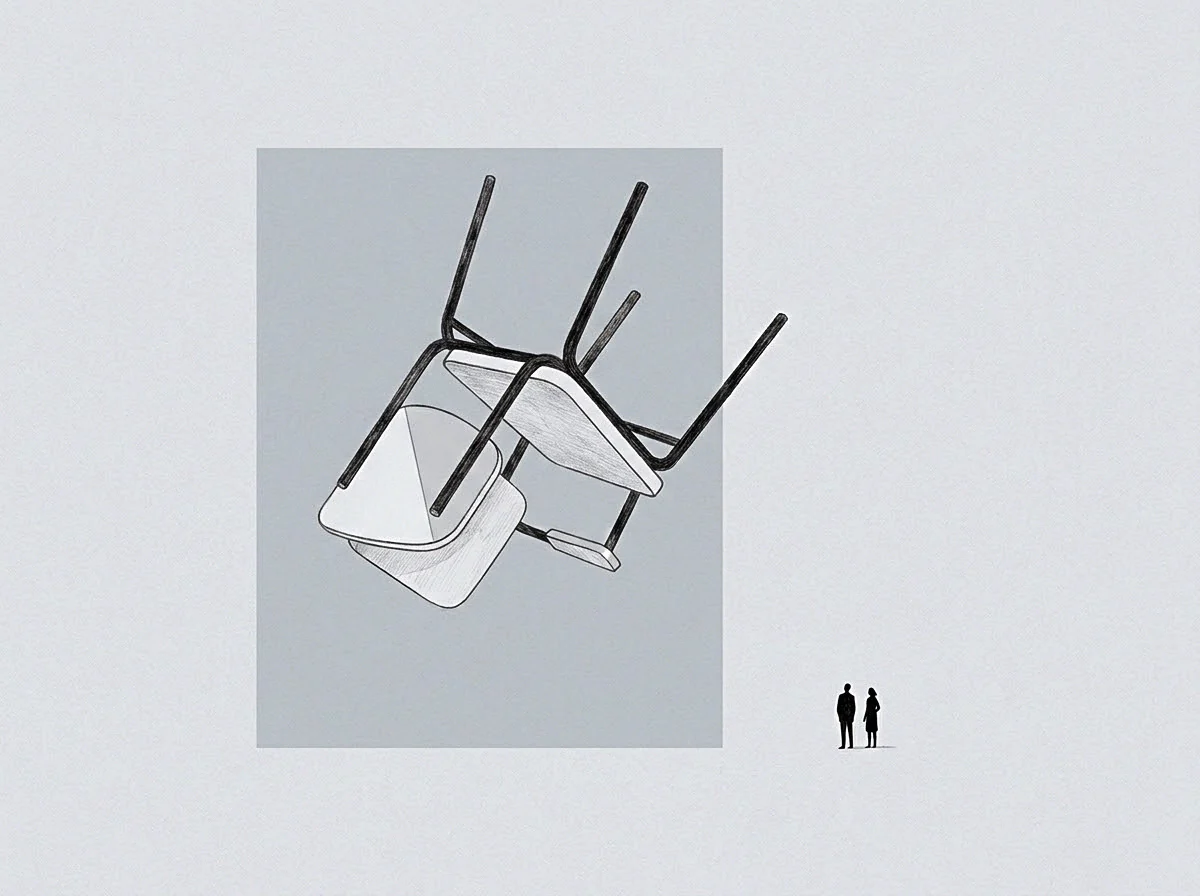
Capacity vanishes before nightfall. The biological cost of maintaining this unreciprocated state holding falls exclusively on the executive. While the organization celebrates the leader’s unwavering steadiness under intense pressure, the leader’s autonomic nervous system burns metabolic capital at twice the sustainable rate.
The executive always appears completely unaffected by operational chaos, so bringing additional urgent problems into the room feels entirely safe.
Drift
Systemic decay in executive longevity unfolds across distinct somatic stages over years of unbuffered service. What begins as temporary physical exhaustion gradually solidifies into structural tissue remodeling and chronic biological dysfunction. The shift happens silently.
Because executive performance metrics often remain high during early stages of somatic decay, organizational boards rarely detect the rapid consumption of the leader’s physical substrate until overt medical incidents intervene.
- Initial operational demands trigger transient sympathetic hyperarousal during crisis periods with full parasympathetic recovery between events.
- Sustained unbuffered co-regulation causes parasympathetic withdrawal, elevating resting heart rate and dampening heart rate variability during work hours.
- Systemic inflammation markers elevate as hypothalamic-pituitary-adrenal axis dysregulation alters normal cortisol production rhythms permanently.
- Vascular remodeling accelerates, resulting in elevated baseline blood pressure and measurable loss of arterial elasticity across key vessel beds.
- Complete autonomic exhaustion manifests as persistent brain fog, metabolic dysregulation, severe sleep fragmentation, and profound visceral fatigue.
Does Physiological Stabilization Require Exiting the Seat?
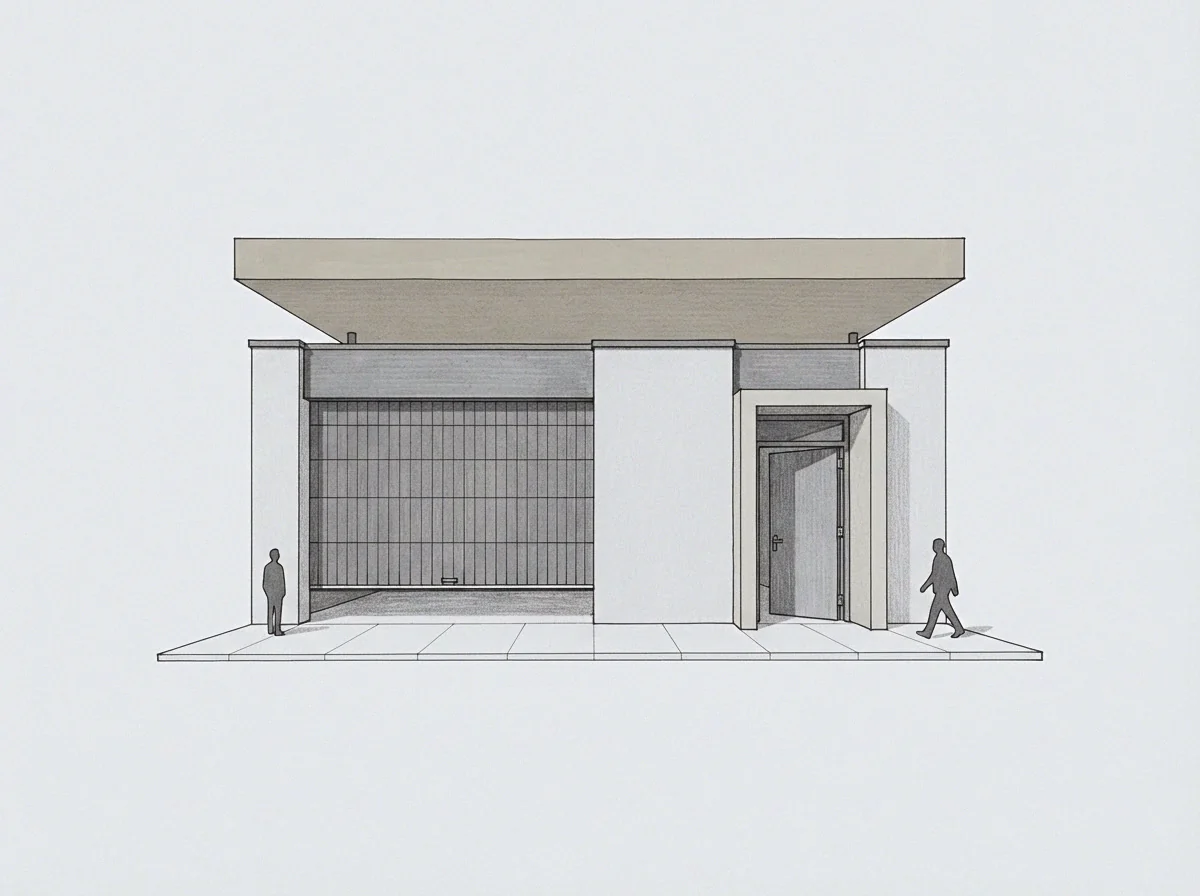
Exiting the executive role completely represents the standard recommendation offered by traditional occupational health literature. This move assumes that the seat itself is inherently toxic to long-term physical survival. Structural analysis of social baseline theory suggests an alternative explanation: the damage stems not from the operational seat, but from the unbuffered nature of the co-regulation demands placed upon the person occupying it.
Restructuring the regulation budget around the seat alters the biological equation without requiring total career abandonment.
Autonomic recovery begins when an executive constructs explicit structural firewalls around personal availability and introduces reciprocal regulation channels.
Re-architecting executive availability interrupts the continuous ingestion of organizational volatility. Stating explicit operational limits, establishing non-negotiable asynchronous communication windows, and delegating preliminary crisis triage breaks the continuous circuit of somatic absorption. The body registers threat less frequently when structural boundaries prevent unbuffered access.
Whether an autonomic nervous system conditioned by years of unreciprocated state holding can return to baseline resting tone while remaining inside the organization stays unverified.

Remodeling
Updating an ingrained regulator template requires actual physiological experience rather than intellectual comprehension. An executive can fully grasp the mechanics of allostatic load, social baseline theory, and vagal tone without shifting their autonomic baseline by a single millisecond. The nervous system updates its predictive safety models exclusively through repeated, embodied interactions with reliable external regulators.
Insight names the template; experience replaces it.
Developing earned security involves growing the dormant receptor slot for external regulation. The executive must systematically practice exposing vulnerability within safe, high-attunement peer environments or professional regulation settings. Experiencing another human nervous system remaining calm, present, and non-demanding while holding the executive’s raw operational distress trains the ventral vagal complex to accept social support.
The metabolic burden shifts. The autonomic nervous system gradually learns that it does not need to bear environmental weight entirely alone.
The Physiology Of Structural Recovery
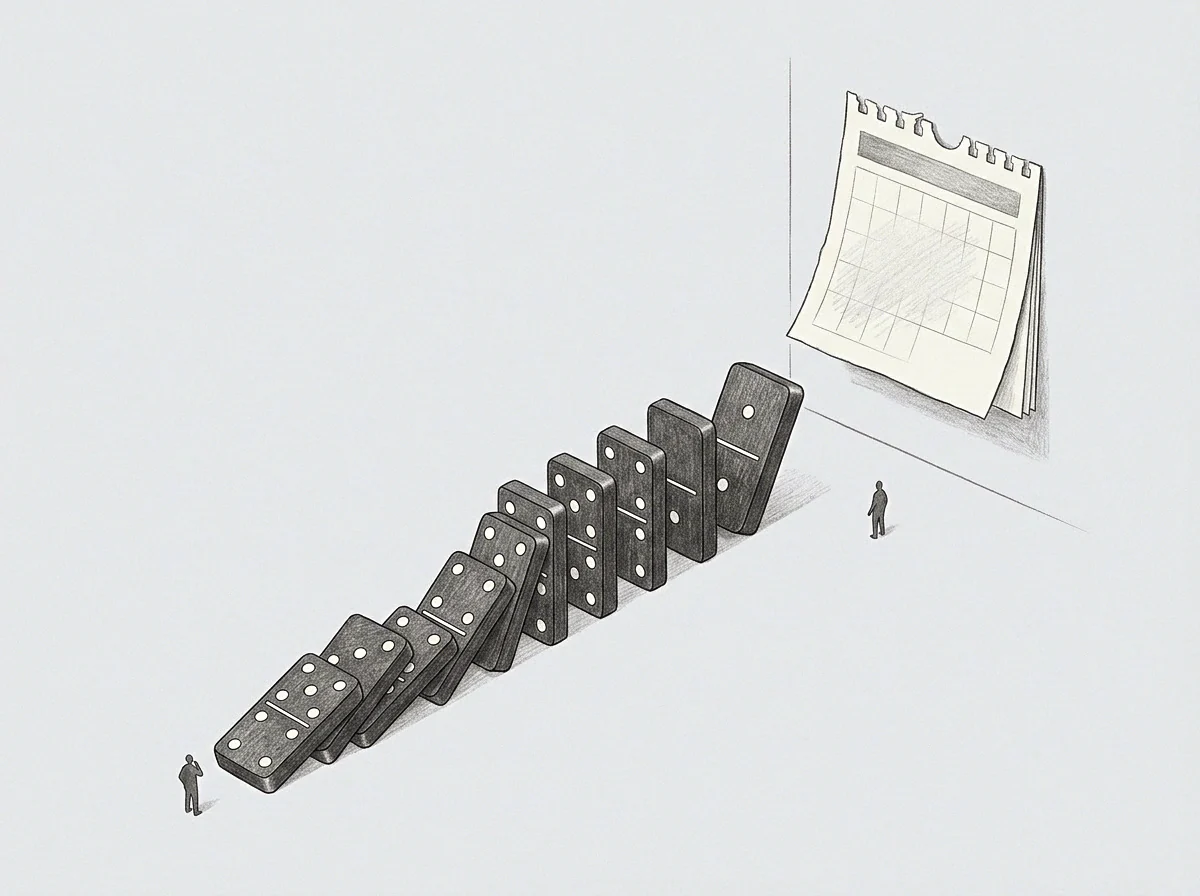
Somatic recovery manifests as measurable changes across key biomarker panels over twelve to eighteen months of structured intervention. Heart rate variability expands, indicating restored parasympathetic responsiveness during acute stress challenges. Interleukin-6 concentrations drop back into healthy baseline bands as systemic inflammatory cascades cool.
Sleep architecture normalizes, marked by the return of prolonged slow-wave sleep stages and resting nocturnal heart rates below sixty beats per minute.
The template remains unchanged until physical behavior enforces new boundaries. Executives who successfully restore autonomic longevity install strict operational firewalls that limit live co-regulation hours. They cultivate external co-regulation relationships outside their corporate reporting structures, ensuring their nervous system receives consistent reciprocal holding.
Load transfers to tissues only when structural boundaries fail. When an executive builds an authentic external regulation slot, somatic recovery accelerates faster than structural workload reductions permit.