
Restoring Relational Baseline Headroom After Extended Stress
Extended stress depletes relational headroom when a regulator absorbs external load while maintaining an internal working model that prohibits receiving co-regulation.

Drain
Four unread messages wait on a display at midnight while an operator reviews financial projections. The operator maintains a steady vocal tone during late evening calls, reassuring key counterparties that operational milestones remain intact. Inside the nervous system, this posture carries a distinct metabolic price.
The brain continuously evaluates threat levels through baseline baseline calculations, assessing whether available energy suffices to manage incoming stressors. Metabolic reserves drain rapidly.
Under baseline conditions, proximity to a reliable secondary regulator lowers the neural expenditure needed to monitor environment and maintain emotional equilibrium. Social baseline theory establishes that the central nervous system defaults to distributed regulation, treating the presence of dependable counterparties as a shared resource pool. Proximity lowers regulation cost.
When extended operational stress isolates an individual, self-regulation becomes the sole operational mode. Self-regulation costs energy. The central nervous system treats solo threat management as expensive, increasing baseline cortisol output and elevating metabolic consumption.
Allostatic load accumulates when chronic stress forces prolonged autonomic activation without sufficient recovery intervals. A practitioner in stress physiology identifies this accumulation by tracking heart rate variability contraction, sleep architecture fragmentation, and heightened vigilance to ambiguous social cues. The brain calculates threat.
Extended stress depletes relational baseline headroom, leaving minimal capacity to process minor relational frictions or unexpected operational shifts.
Differentiating Capacity Reduction from Clinical Withdrawal
Prolonged elevation of metabolic expenditure often mirrors depressive states in external appearance. Autonomic throttling protects remaining capacity. This throttling functions as a protective response, dampening social engagement to conserve declining physical reserves.
The brain deliberately reduces relational output to protect core physiological functions from complete collapse. Confusing protective throttling with emotional indifference prompts counterparties to demand greater relational responsiveness, accelerating system breakdown.
Social proximity reduces metabolic regulation expenditure only when the counterparty is perceived as reliable under threat.
When an individual attempts to hide autonomic depletion by artificially maintaining an attentive posture, the metabolic tax doubles. Executive processes manage both the original operational stressor and the effort of suppressing exhaustion cues. Counterparties read the outward composure as evidence of surplus capacity, transferring additional relational dependencies onto an already saturated system.
Persisting in artificial composure under chronic depletion forces the nervous system into emergency shutdown, destroying the remaining capacity for spontaneous relational contact.
Floor
Relational baseline headroom relies on an established structure of shared presence and predictable response patterns. Counterparties naturally attach to a stable individual whose baseline remains steady during volatile events. The stable individual functions as an external regulator, absorbing anxiety from surrounding team members without receiving equivalent regulatory input in return.
Unidirectional regulation alters system defaults. Over extended periods, this asymmetrical dynamic shifts the baseline requirement of the entire group.
The Architecture of the Missing Receptor Slot
Repeated exposure to unidirectional regulation shapes an internal working model where self-reliance becomes absolute. The individual internalises a template that equates safety with personal control, creating a structural barrier against receiving support. Attachment research demonstrates that individuals who systematically regulate others develop an internal working model that lacks a functional receptor slot for external care.
When a well-meaning partner or colleague offers genuine presence, the system registers the gesture as an anomaly or a potential demand. Isolation reinforces defensive templates.
- Autonomic Hypervigilance maintains continuous physiological arousal, interpreting quiet environments as structural vulnerabilities requiring immediate monitoring.
- Relational Retraction forces the individual to minimize verbal contact, treating routine inquiries as unsustainable drains on remaining reserve.
- Co-Regulation Deficit prevents the nervous system from settling during shared rest, turning mutual downtime into anxious endurance.
- Compensatory Over-Functioning compels the operator to assume additional external tasks to maintain the illusion of absolute operational control.
The absence of a receptor slot alters relational signaling across every active communication channel. Silence carries structural information. An offer of assistance encounters a flat, polite refusal or a subtle escalation of self-sufficiency.
The counterparty receives a signal that their presence offers zero measurable relief, prompting them to withdraw. This structural loop reinforces the original isolation, confirming the premise that regulation remains a solitary duty.
An internal working model built on absolute self-reliance treats external regulation offers as operational threats.
The steady composure is always present, but direct personal connection feels entirely out of reach.

Tether
Rebuilding baseline headroom demands explicit structural adjustments to how load moves between individuals. Structural limits preserve capacity. In high-pressure operational environments, reliance on spontaneous emotional alignment fails because both parties operate near total exhaustion.
Replacing informal expectations with clear operational arrangements establishes predictable parameters for relational contact.
Comparative Allocation of Relational Headroom
Systematic evaluation of relational regulation configurations reveals marked differences in metabolic demand and baseline recovery speed.
| Configuration Mode | Autonomic Energy Cost | Threat Modulation | Headroom Recovery |
|---|---|---|---|
| Self-Regulation Alone | Severe | Minimal | Negligible |
| Unidirectional Borrowed | High | Moderate | Slow |
| Symmetric Co-Regulation | Low | High | Rapid |
| Throttled Structural Distance | Moderate | Controlled | Moderate |
Epistemic evaluation of co-regulation findings requires assessing sample demographics in affective neuroscience literature. Laboratory studies measuring physiological synchrony examine romantic dyads or mother-infant pairs under controlled acute stressors. Applying these findings directly to founder-operator counterparty relationships carries bounded validity, as professional relationships involve explicit economic contracts and power asymmetries absent in standard laboratory paradigms.
Replicating co-regulation benefits in work environments depends on establishing non-evaluative physical proximity without immediate performance expectations.
Relational headroom recovers when shared time carries zero obligation to solve operational problems.
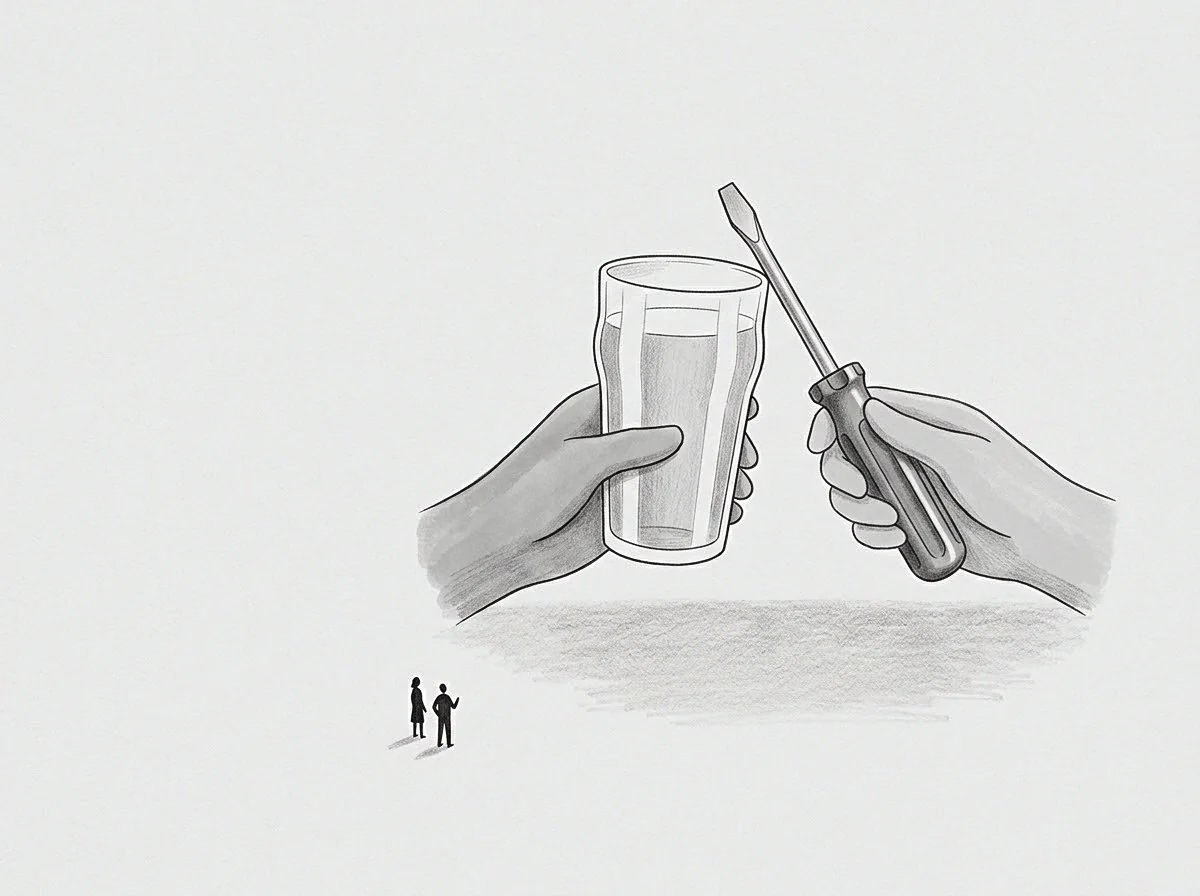
Operational Parameters for Restoring Baselines
- Establish strict time limits around operational intake windows to prevent continuous autonomic stimulation.
- Designate physical spaces where no business performance metrics or operational discussions occur.
- Replace implicit expectations of constant availability with explicit written agreements detailing response latency.
- Schedule regular low-demand proximity sessions designed purely for shared physical presence without task obligations.
A stated limit functions as a protective boundary for both parties in a high-stress arrangement. Clear parameters prevent erosion. When an operator declares a limit regarding availability, the external system meets a fixed parameter rather than an unstable emotional state.
Clear parameters prevent the slow erosion of relational reserve caused by ambiguous, continuous access.
A stated availability limit transforms an ambiguous expectation of constant presence into a predictable structural parameter.

Pacing
Template updates occur through repeated physical experiences over extended time horizons. Insight alters zero autonomic defaults. Intellectual insight into an internal working model changes zero autonomic defaults.
The central nervous system updates threat calculations only after experiencing consistent safety in environments previously marked by high load.
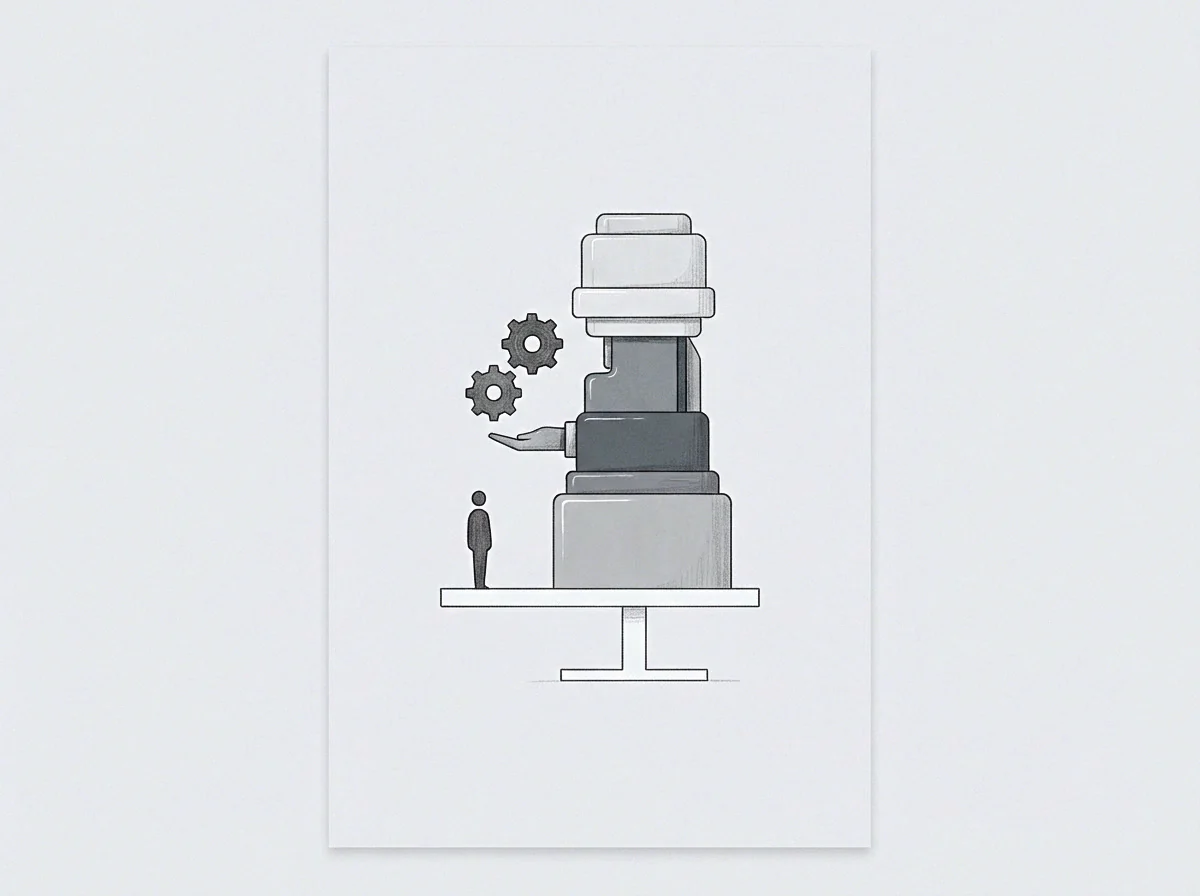
The Progression of Earned Security
Earned security represents the gradual construction of a secondary internal working model through reliable relational encounters. Take two co-founders who operated under extreme venture stress for three consecutive years. Assume both founders habituated to unidirectional load transfer, with one founder absorbing all team volatility while suppressing personal exhaustion.
Rebuilding baseline headroom in this arrangement demands a structured twelve-month progression rather than a single corrective conversation.
In the initial phase, the overwhelmed founder enforces rigid structural distance to halt further metabolic depletion. The counterparty experiences this distance as a abrupt shift, often attempting to re-engage through heightened emotional appeals. If the overwhelmed founder maintains the stated limits consistently while providing brief, non-contingent proximity, the counterparty’s nervous system adapts to the new baseline.
Over six months, the frequency of crisis interactions drops, allowing the overwhelmed founder’s baseline autonomic activation to cool.
In industrial heavy machinery maintenance, structural components subjected to metal fatigue undergo stress relief annealing through slow, controlled heating and cooling cycles to realign microcrystalline lattice structures. Biological systems demand recovery time. Biological neural networks require an identical structural principle, utilizing prolonged, unhurried exposure to low-threat environments to reset baseline autonomic calibration.
As month twelve approaches, the overwhelmed founder tests small exposures to shared problem-solving without assuming total load. Delta over time tracks recovery. The secondary template begins to take root as the brain experiences presence that does not convert into exhaustion.
The delta over time measures the shift from defensive self-reliance to selective, safe co-regulation.
Template revision requires repeated experiences of shared proximity that land without unexpected operational demands.
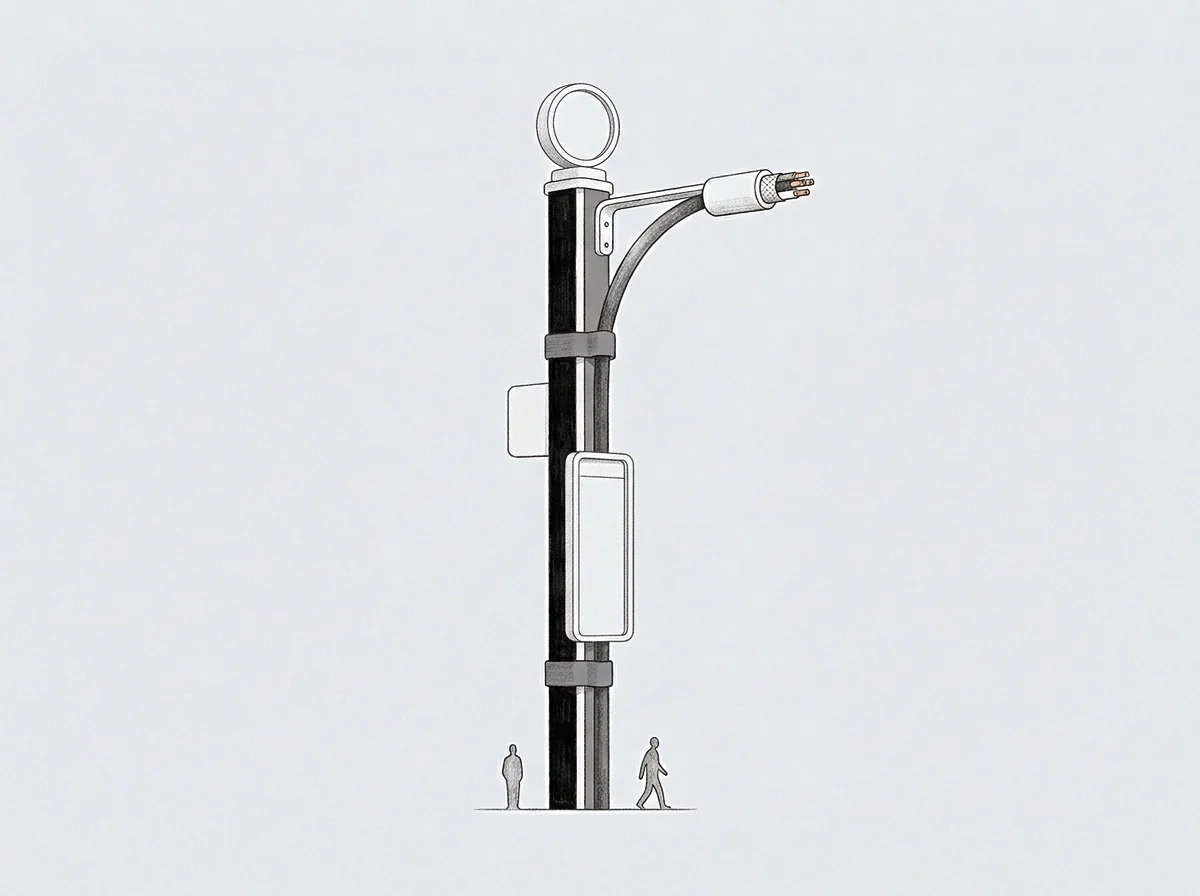
Which Structural Conditions Allow the Receptor Slot to Open?
Opening a receptor slot demands the systematic removal of performance evaluation during relational contact. When presence remains linked to output or assessment, the autonomic system maintains protective shielding. The receptor slot opens only when repeated interactions yield zero unexpected load transfers or covert contractual demands.
Whether an individual who operated as the primary baseline for a decade can fully unlearn autonomic hypervigilance without completely stepping away from operational leadership remains undetermined.
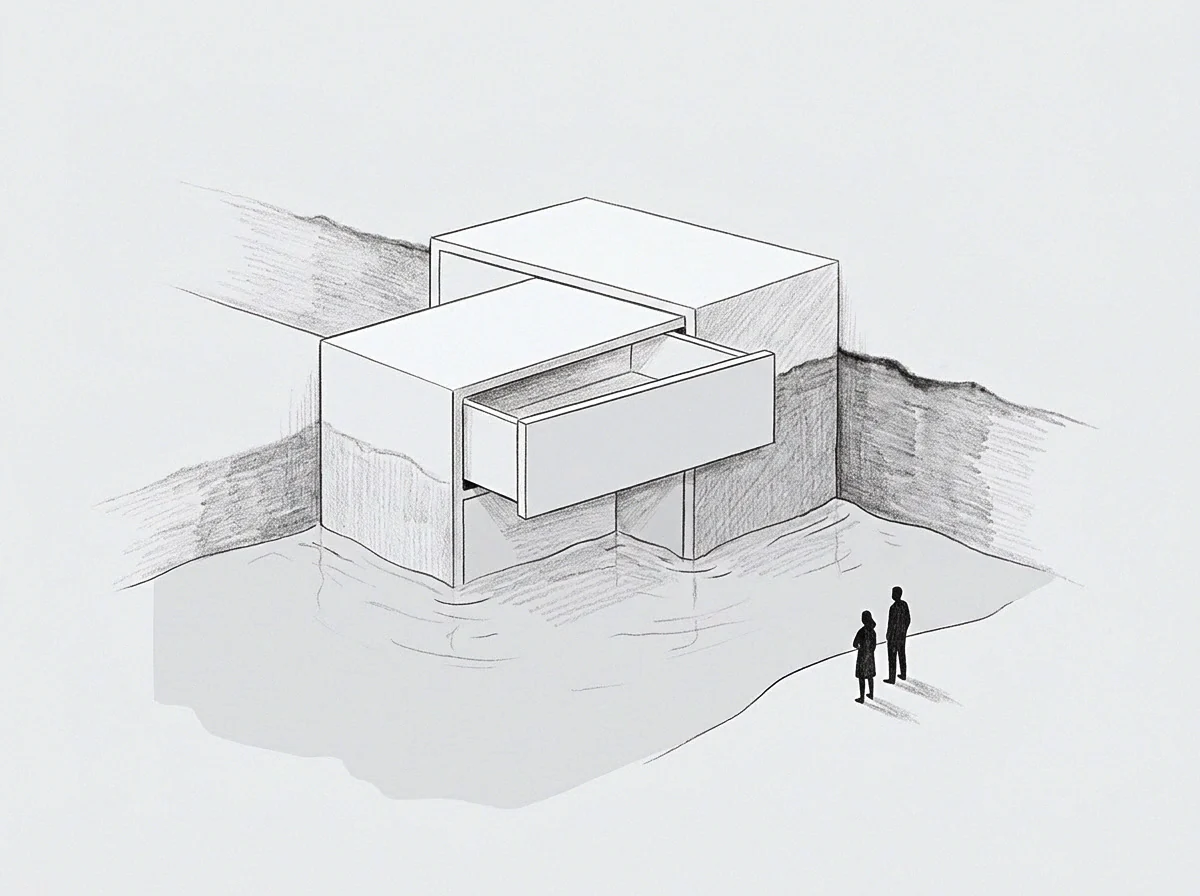
Clearance
Restoring relational baseline headroom after extended stress demands intentional structural design across daily working routines. Recovery demands deliberate structure. Unplanned recovery attempts routinely collapse under incoming operational demands.
Establishing protected headroom requires firm parameters around physical presence, communication intake, and load distribution.
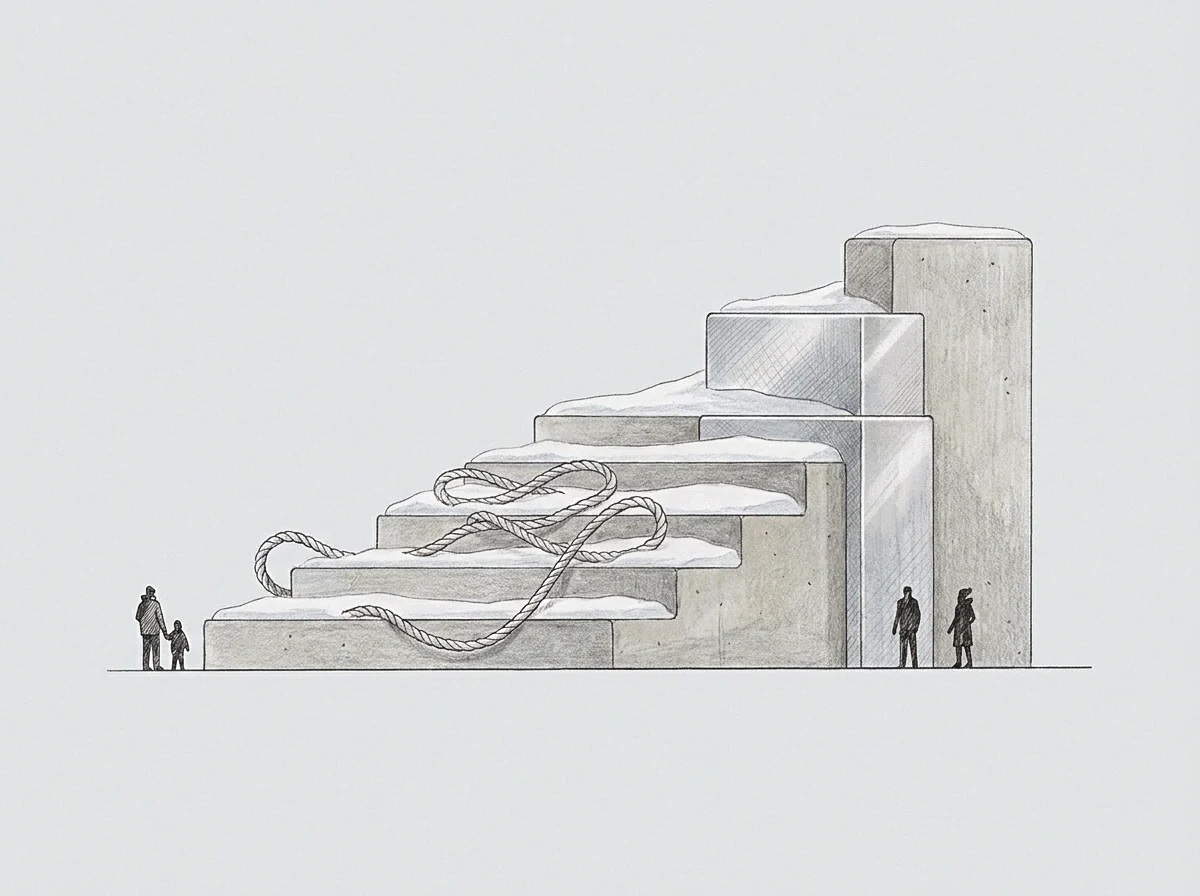
Structural Protocols for Baseline Headroom Recovery
Setting explicit operational protocols protects remaining metabolic capacity during recovery phases. The operator replaces continuous communication access with scheduled intake intervals, insulating the nervous system from unpredictable pings. Team members adjust to defined response timelines, which removes the urgency driving baseline hypervigilance.
Relational contact during baseline recovery must remain uncoupled from problem resolution. Predictable touchpoints restore headroom. Engaging in low-load interactions, such as brief shared meals or silent co-working without agenda, permits the nervous system to register proximity as safe.
Over time, these predictable, low-demand touchpoints restore baseline headroom, enabling the operator to handle future operational stress without autonomic exhaustion.
Relational headroom expands in direct proportion to the predictability of availability parameters.