
Differentiating Neural Throttling From Depressive Down Regulation After Founding
Neural throttling is an adaptive prefrontal metabolic down-shift that halts self-initiated work to preserve exhausted energetic reserves after acute strain.
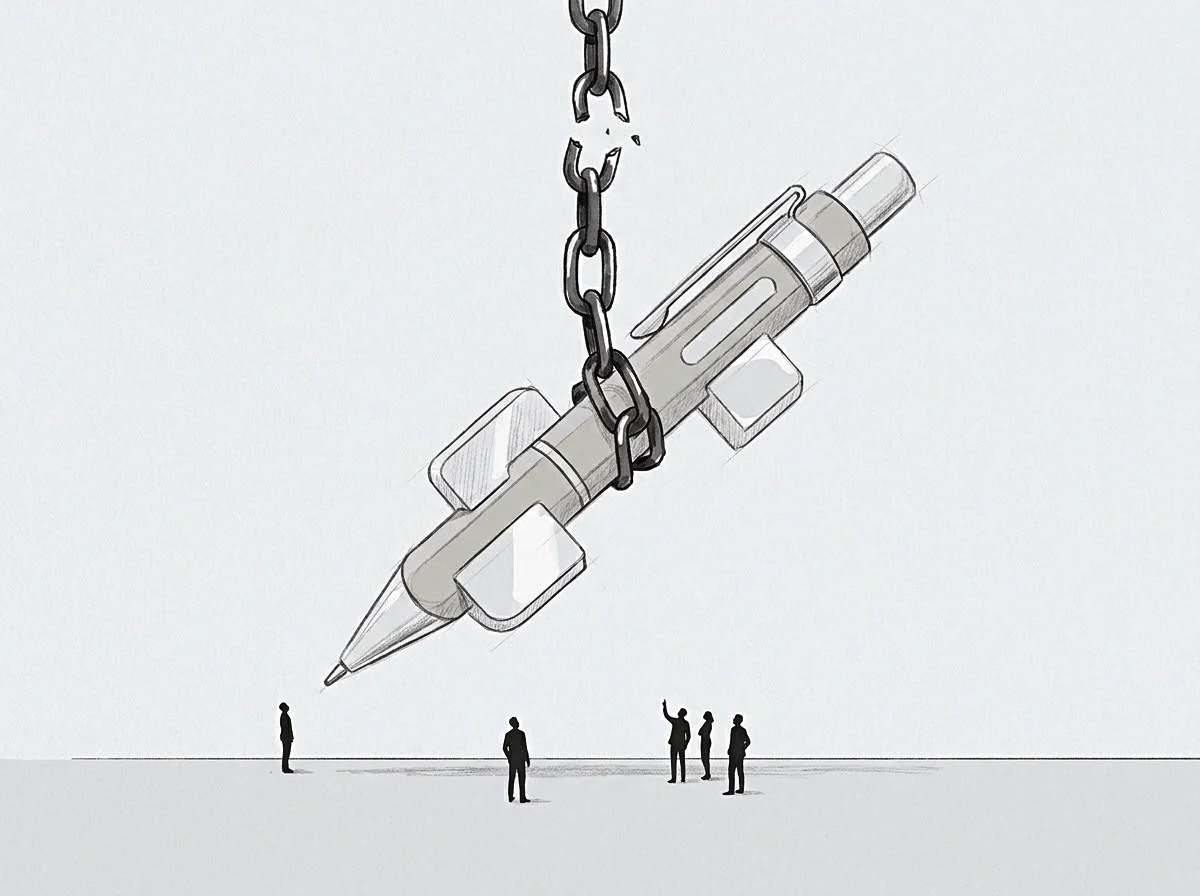
Drain
Four unanswered messages sat on a screen at daybreak while the coffee went cold in the cup. The person in the chair read each sender line twice without composing a reply, then opened an invoice register and verified twenty line items without an error. Routine execution remained intact.
The voluntary initiation of new direction had stalled. Observers who watch that pause from across a room routinely assign it the clinical label of a depressive episode. The classification misinterprets a regulated metabolic arrest for a structural failure of affective circuitry.
Stress physiology measures this state through allostatic load, defined as the biological wear resulting from sustained systemic adaptation to continuous environmental friction. When enterprise formation demands eighteen months of uninterrupted autonomic arousal, the sympathetic nervous system operates without recovery intervals. The adrenocortical axis sustains elevated glucocorticoid production to maintain executive attention under commercial uncertainty.
Once initial launch milestones conclude, systemic demand falls unevenly while tissue sensitivity remains blunted.
A stalled operational cadence often reflects protective metabolic conservation rather than psychiatric illness.
The founder experiences an acute inability to generate spontaneous momentum. Anhedonia does not govern this state. Consummatory pleasure remains functional: food tastes normal, physical rest brings brief comfort, and external demands with clear rules still elicit competent responses.
What has collapsed is anticipatory vigor, the dopamine-driven impulse to project agency forward into unstructured ambiguity. The brain calculates the caloric and regulatory debt of opening another operational front, determines that reserves are depleted, and throttles systemic output to prevent cellular collapse.
- Consummatory hedonic capacity persists during pure physiological conservation, permitting the person to register satisfaction from completed tasks or physical comfort.
- Anticipatory dopamine signaling drops when metabolic debt accumulates, raising the biological effort threshold required to begin unscheduled initiatives.
- Autonomic recovery demand compels prolonged parasympathetic activation following long periods of severe sympathetic saturation.
A misreading of this condition generates catastrophic tactical moves. Clinical depression involves pervasive self-blame, generalized worthlessness, and a severe flattening of affective response across all environments. Throttling remains highly domain-specific.
The executive who cannot write a product roadmap will spend two hours pruning an internal database with sustained concentration. That selective capacity occupied the second cognitive register.
They look detached, but they still notice when the payroll run is three minutes late.

Switch

Energetic Conservation Versus Receptor Pathology
The prefrontal cortex consumes roughly twenty percent of total cerebral glucose while accounting for a fraction of gross neural volume. Sustained executive oversight, risk arbitration, and interpersonal management demand continuous cellular ATP delivery. During intense corporate stabilization, chronic corticotropin-releasing factor exposure alters glucose transporter density in frontal microvasculature.
The organ responds by instituting an energetic ceiling. When available energetic substrates dip below the threshold needed for simultaneous threat analysis and spontaneous ideation, systemic inhibition activates.
Neuroimaging and biomarker assays separate this protective arrest from primary affective disorders. In major depressive down-regulation, neuroinflammatory cascades diminish brain-derived neurotrophic factor, alter hippocampal volume, and down-regulate striatal dopamine D2 receptor availability globally. Neural throttling operates through reversible metabolic down-shifting.
The receptor fields remain structurally sound. The central signaling pools preserve baseline binding affinities. The system simply withholds neurochemical release until peripheral energetic parameters restore homeostatic margins.
Glucocorticoid receptor resistance in peripheral lymphocytes predicts cognitive throttling after prolonged operational strain.
This distinction rests on laboratory studies of endocrine recovery curves in high-demand populations, specifically cohort measurements tracking salivary cortisol awakening responses and urinary catecholamines across six-month recovery intervals. The baseline validity of this separation would dissolve if prospective endocrine profiles proved that post-operational apathy shares identical cytokine profiles with severe unipolar melancholia. Current data demonstrates divergent inflammatory profiles.
Post-operational fatigue correlates with transient hypothalamic-pituitary-adrenocortical axis hypo-reactivity without the sustained immune dysregulation typical of endogenous clinical mood disorders.
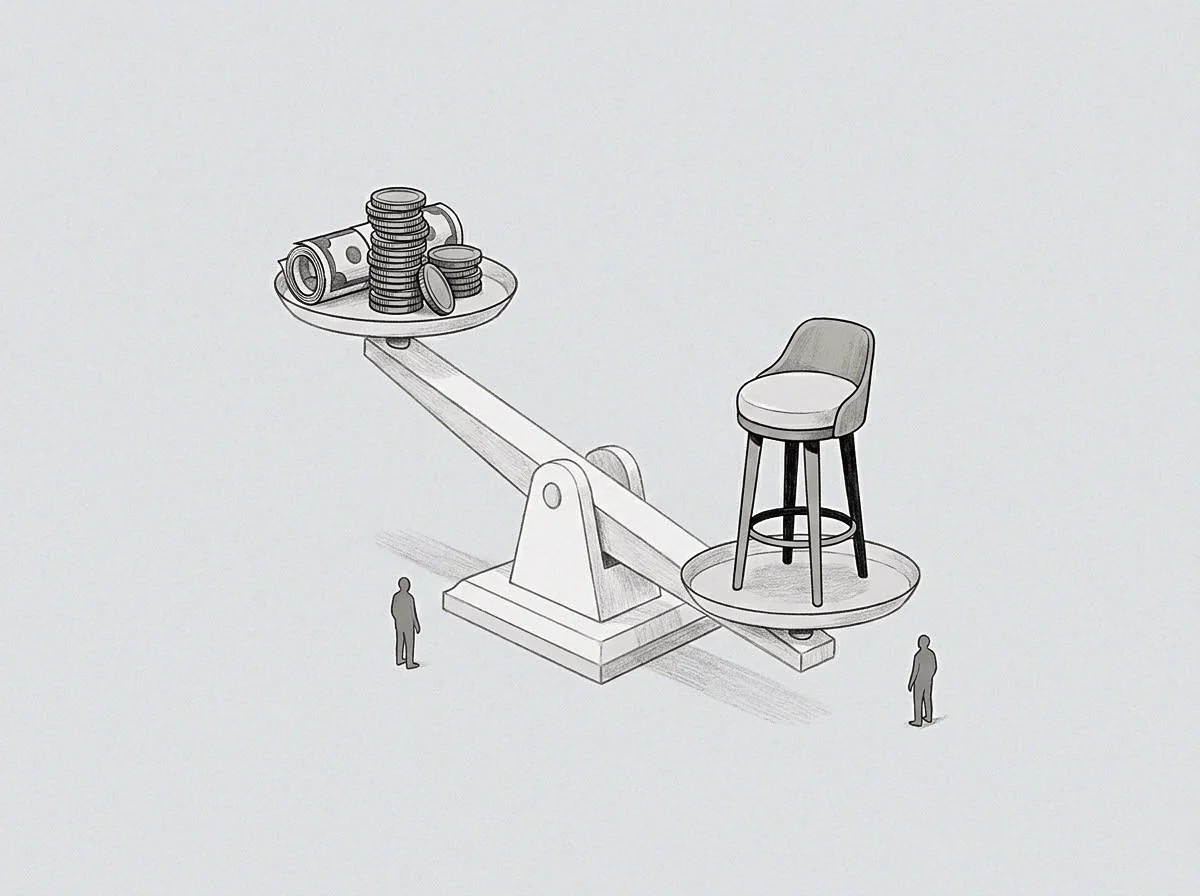
The Shift in Basal Tone
Perceived effort operates as an interior sensory readout of circulating glycogen, autonomic tone, and central monoamine availability. When an executive forces action through severe metabolic debt, the anterior cingulate cortex registers extreme friction. Tasks that once felt automatic register as immense physical barriers.
The person interprets this subjective barrier as emotional failure. In reality, the central controller has imposed a prohibitive operational tax on new work to safeguard vital systemic functions. That calculation took the third processing slot.
A diesel generator in a ship holds an automatic governor that restricts shaft speed when cylinder head temperatures pass critical tolerances. The device protects the mechanical block from throwing a rod through the crankcase. The human central nervous system exercises identical preventative control over executive capacity.
The person sits immobile at a desk not out of existential despair, but because somatic circuits have restricted fuel delivery to the prefrontal machinery. What remains unresolved in physiological literature is the precise threshold where reversible metabolic throttling crosses into permanent systemic inflammatory injury.
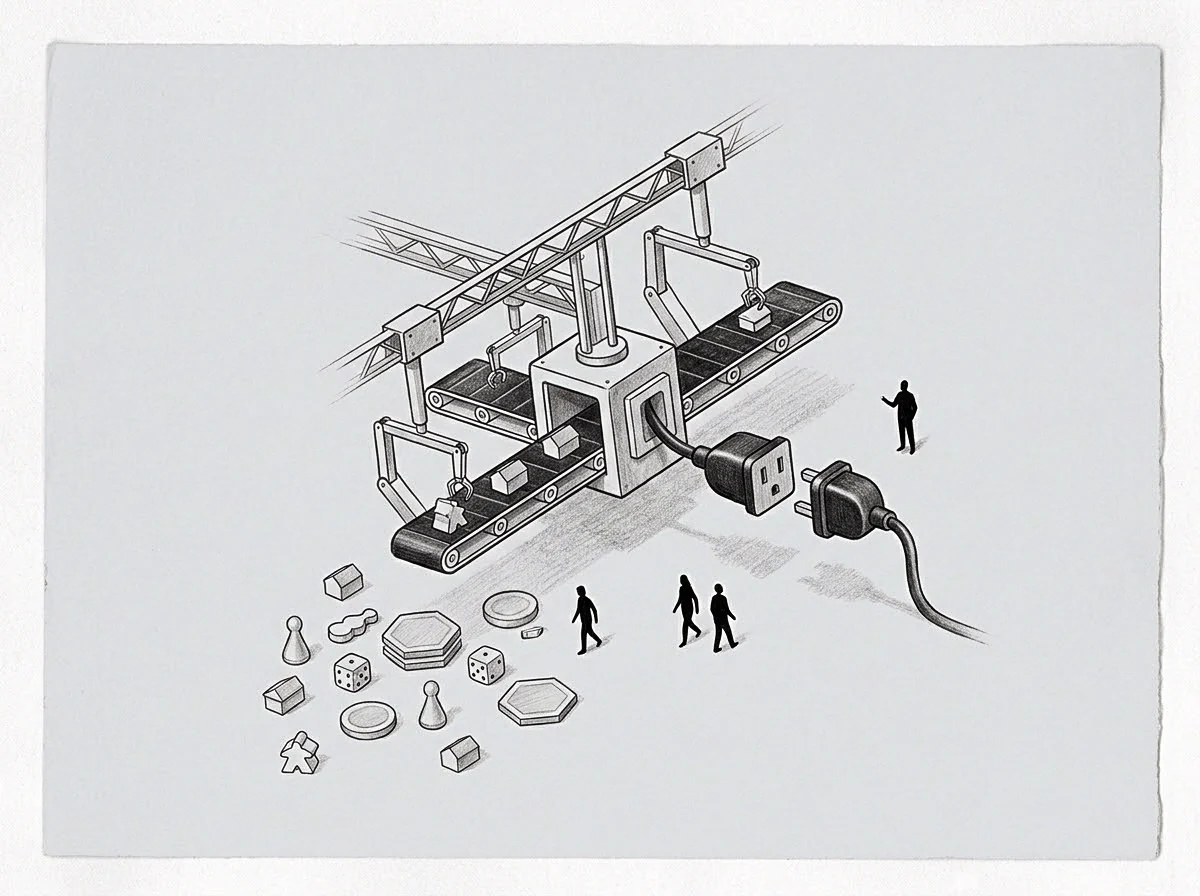
Table
The field relies on observable operational markers to separate protective throttling from genuine depressive illness. Clinicians and colleagues often view the outward presentation as identical: withdrawal from casual conversation, flattened vocal inflection, and reduced weekly output. The underlying physiological mechanisms differ across every behavioral axis.
| Behavioral Domain | Neural Throttling State | Depressive Down-Regulation |
|---|---|---|
| Hedonic Responsiveness | Preserved for passive and consummatory stimuli | Pervasive anhedonia across all environments |
| Response to External Structure | Immediate task execution when parameters are explicit | Persistent psychomotor retardation across all tasks |
| Cognitive Error Attribution | Systemic exhaustion acknowledged without moral guilt | Globalized personal inadequacy and rumination |
| Circadian Energy Pattern | Predictable evening recovery as metabolic load settles | Severe morning exhaustion with persistent low diurnal variation |
| Domain Selectivity | Functional in low-ambiguity, maintenance tasks | Impairment across social, maintenance, and strategic domains |
The distinction carries immense commercial and therapeutic consequences. Treating a throttled nervous system with pharmaceutical interventions designed for classic depressive syndromes often fails to restore functional momentum. The intervention introduces exogenous receptor modulation to a system whose receptors are already functioning normally.
What the person requires is metabolic restoration, absolute reduction in open informational inputs, and temporary relief from ambiguous accountability.
A stated structural boundary restores executive headroom while pharmaceutical receptor stimulation cannot repair an exhausted energetic reserve.
A founder who misidentifies throttling as clinical depression frequently steps away from enterprise leadership entirely. They conclude that their psychological architecture cannot withstand commercial leadership. When the distinction is recognized, the response shifts from identity surrender to aggressive workload bounding.
The individual schedules two weeks of low-ambiguity maintenance work, closes discretionary communication streams, and permits autonomic tone to stabilize. When an explicit operating clause reassigns capital-allocation decisions to an operating partner for forty days, executive recovery accelerates immediately.

Loop
Information architecture governs mental reserve. Cognitive load theory establishes that working memory holds a restricted capacity for unorganized informational units. In the operating environment that follows enterprise creation, this restriction is tested by open operational loops.
An open loop is an active business obligation lacking defined scope, explicit deadlines, or clear settlement terms. Each unclosed obligation occupies a persistent allocation of executive working memory.
The total volume of operational projects matters far less than their informational state. Ten projects with unambiguous milestones and assigned execution owners generate negligible background drain on the executive controller. Three ambiguous disagreements between co-owners regarding equity dilution or long-term product direction consume every available cycle.
The subconscious brain treats unclosed threats as immediate survival hazards, holding cortical networks in perpetual readiness. The concurrency limit is reached rapidly.
- Ungated communication lines allow unscheduled interruptions to fragment deep prefrontal computation and reset attention recovery intervals repeatedly.
- Ambiguous equity disputes create continuous background threat analysis that prevents parasympathetic re-engagement during non-working hours.
- Unassigned operational dependencies force the founder to maintain constant situational tracking instead of releasing executive attention to baseline.
The human brain possesses zero capacity to distinguish between commercial existential risk and physical predation. When four separate unstructured disputes remain active simultaneously, the amygdaloid complex commands continuous adrenocortical activation. Systemic throttling arrives as the inevitable circuit breaker.
The person simply ceases reading messages. The sudden silence is not professional disrespect. The internal machine has disconnected the incoming feed to prevent system burnout.
That unread message string filled the primary queue.
The desk cannot fully defend the claim that all unaddressed commercial loops produce equal biological wear across diverse personalities. Observational studies suggest that founders with high baseline neuroticism suffer far higher autonomic degradation from ambiguous loops than founders with high trait conscientiousness. Under that empirical uncertainty, the only defensible move is operational hygiene: convert every vague business relationship into explicit written constraints.
When an ambiguous thread remains ungated for twelve consecutive weeks, the systemic cost is paid through prolonged cognitive paralysis.

Pace
Recovery of executive initiation follows an orderly biological timetable that cannot be bypassed through willpower. The prefrontal metabolic baseline restores slowly, resembling tissue repair after an orthopedic rupture rather than the quick reset of ordinary rest. When systemic throttling occurs, the nervous system demands months of predictable input rhythms.
The operator must rebuild capacity through strictly bounded operational engagements.
The first structural move eliminates unallocated availability. An executive recovering from allostatic overload cannot sit in an open room where any colleague may register an unscheduled query. Every incoming line of communication must pass through rigid structural filters.
Strategic inquiries must submit to written briefs before entering the executive queue. Maintenance operations must take precedence over visionary exploration. Creative generation consumes vast glucose stores, while routine procedural auditing permits central monoamine reserves to accumulate.
Predictable procedural execution protects biological reserves while creative ambiguity rapidly exhausts recovering prefrontal networks.
The social baseline of the executive environment dictates recovery speed. Social baseline theory demonstrates that proximity to reliable, competent co-regulators lowers the metabolic cost of individual neural processing. When a founder works alongside an operator who absorbs operational friction without creating novel ambiguity, the founder prefrontal cortex releases autonomic vigilance.
The presence of an unsteady, volatile collaborator doubles that exact metabolic expenditure.
A machine run continuously at its absolute operating redline will trip its breakers to prevent metal from melting into metal. The founder whose capacity drops after founding is witnessing biological intelligence, not character breakdown. The nervous system preserves life over commercial ambition every time.
Restoring executive momentum depends entirely on designing an operational environment where boundaries are explicit and unambiguous. Silence the open lines, assign explicit terms to every project, and wait for the natural restoration of capacity.