
Evaluating Structural Recovery Parameters In Executive Performance Following Extended Biological Throttling States
Biological throttling downregulates prefrontal perfusion under chronic allostatic load, requiring quantitative latency metrics to guide structural capacity recovery.

Wall
Biological load demands structural measurement. When chronic allostatic saturation exceeds biological headroom, the human autonomic nervous system initiates a protective downregulation of non-essential operational subsystems. Higher executive cognitive functions, specifically working memory gating, abstract strategic synthesis, and mental set-shifting, experience diminished prefrontal perfusion alongside elevated metabolic activation thresholds.
This functional state constitutes biological throttling. Throttling protects baseline neurobiology. It operates as an adaptive conservation mechanism rather than an acute structural breakdown of underlying prefrontal neural architecture.
The physiological floor remains firm. Diagnostic ambiguity arises when external observers misinterpret downregulated executive capacity for affective mood pathology or loss of professional commitment. In extended throttling states, baseline executive processing systems remain structurally continuous but sit behind heightened metabolic activation barriers.
Attending to this distinction alters the intervention pathway entirely. Attempting cognitive activation while autonomic reserves remain depleted forces reliance on compensatory sympathoadrenal overdrive, accelerating biological wear without restoring structural baseline headroom.
Sustained allostatic saturation downregulates executive prefrontal perfusion whenever baseline autonomic recovery falls below critical thresholds.
The neuroendocrine system manages chronic overload by adjusting baseline receptor sensitivity and modulating systemic cortisol availability. When stress exposure remains elevated without reciprocal rest cycles, the physiological cost accumulates as total allostatic load. The organism limits high-cost prefrontal operations to preserve core somatic function.
Executive performance under these conditions exhibits increased response latency, reduced working memory slot availability, and impaired emotional coregulation during complex negotiations. Misidentifying a protective physiological throttling state as an affective motivation defect leads to forced cognitive acceleration, which ruptures remaining endocrine reserves and triggers irreversible structural exhaustion.

Shift

Transition Dynamics Across Recovery Baselines
Transitioning out of extended biological throttling follows non-linear temporal pathways. Initial operational recovery often displays a functional paradox. As neuroendocrine equilibrium begins to stabilize, perceived cognitive capacity temporarily drops because the system curtails emergency catecholamine drives.
Without circulating adrenal amplification, the underlying depletion becomes fully readable to the individual for the first time. Open threads consume metabolic capacity. Sustained stabilization requires matching incoming operational demands to actual neurosomatic capacity rather than historical output goals.
Capacity returns in distinct phases. The initial phase restores somatic baseline equilibrium, marked by normalized sleep architecture and reduced baseline sympathetic tone. The second phase restores working memory capacity and basic task execution speed.
The final phase recovers complex multi-variable strategic synthesis and broad situational awareness. Compensatory mechanisms mask underlying fatigue. Attempting to force final-phase executive responsibilities during initial phase biological recovery resets the operational timeline, returning the organism to active throttling.
| Performance Parameter | Compensatory Overdrive Trajectory | Structural Recovery Trajectory |
|---|---|---|
| Thread Concurrency Limit | Un-gated expansion leading to abrupt thread collapse | Strictly capped at two to three active operational loops |
| Cognitive Latency | Suppressed via catecholamine spikes, causing high error rates | Temporarily elevated, stabilizing as prefrontal perfusion normalizes |
| Autonomic Headroom | Continuously negative with flatlined heart rate variability | Progressively expanding with measurable parasympathetic tone |
| Decision Accuracy Under Load | Degrades rapidly past sixty minutes of continuous focus | Maintains consistency across structured operational windows |
Restoring executive function depends on converting ungated operational loops into structured, low-cost administrative processes. Every un-gated project, ambiguous organizational relationship, or open-ended strategic inquiry occupies an active working memory slot, regardless of whether the executive actively works on it. In a throttled state, holding four open operational loops consumes total available prefrontal capacity, leaving zero headroom for strategic evaluation or real-time problem-solving.
Unmuting ungated operational loops during early baseline stabilization depletes autonomic reserves before cognitive headroom normalizes.
Organizations routinely misread this recovery phase. When an executive demonstrates renewed presence in strategic discussions, leadership teams frequently reintroduce heavy operational loads immediately. The executive appears physically present and responsive in board discussions while lacking the neurological bandwidth to synthesize multi-variable strategic risks.

Metrics
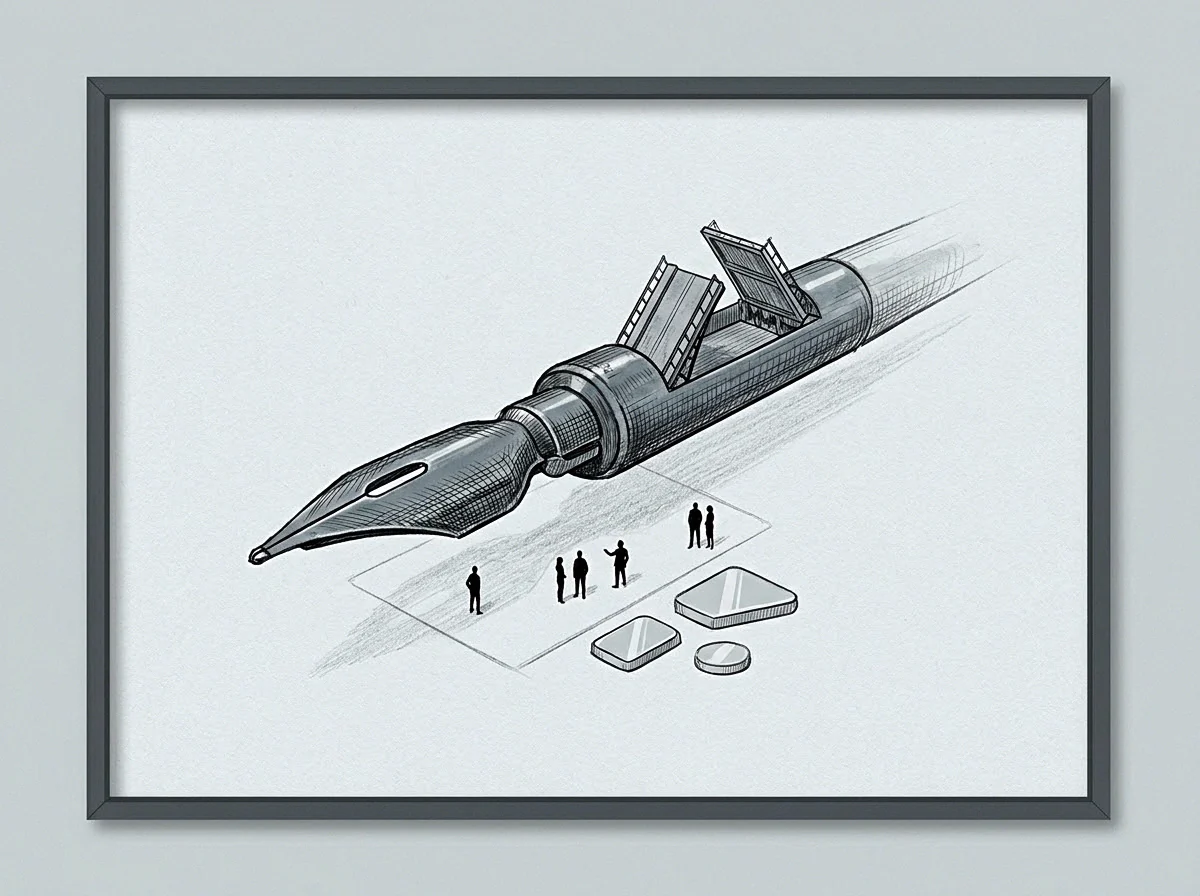
Is Structural Capacity Recoverable Without Total Latency Removal?
Evaluating structural recovery requires objective operational metrics rather than subjective self-reporting. Introspection fails under heavy load. Operators habitually overestimate current executive capacity due to ingrained task-familiarity routines and historical performance expectations.
Latency reflects prefrontal metabolic strain. Quantitative parameters offer an objective measure of prefrontal recovery state, independent of internal state masking.
- Working memory concurrency slot count tracks how many ungated operational threads the executive manages simultaneously before task-switching error rates increase dramatically.
- Inhibitory control threshold latency measures the exact processing time required to suppress habitual operational responses when presented with sudden altered strategic data.
- Autonomic recovery duration records the elapsed time necessary for heart rate variability markers to return to baseline following acute acute operational stressors.
- Endocrine stabilization period identifies the duration of uninterrupted baseline physiological readings needed prior to expanding primary decision-making authority.
Gating prevents premature system overload. Monitoring these metrics prevents the early re-exposure to high-concurrency environments that typically induces secondary throttling cycles. Structural capacity returns only when autonomic recovery duration shortens under standardized cognitive stress tests.
True cognitive headroom manifests as effortless inhibitory control rather than forced task persistence.
Tracking working memory concurrency slot counts provides the primary indicator for operational readiness. A fully recovered executive maintains four to five complex active slots without experiencing working memory leakage or set-shifting friction. Establishing a strict concurrency ceiling of three active ungated threads alters the biological recovery trajectory by converting open metabolic drain into predictable cognitive headroom.

Pacing

Environmental Gating And Input Throttling
Structural recovery relies on managing incoming environmental load. When executive capacity begins returning, external operational demand surges to fill newly created cognitive headroom. Biological debt forces immediate throttling.
Without explicit gating structures, the executive defaults to historical operational behaviors, re-triggering protective neuroendocrine downregulation.
- Establish firm operational boundaries on asynchronous communication channels to restrict continuous incoming decision pings.
- Transfer operational thread ownership entirely without maintaining active parallel shadow monitoring loops.
- Schedule obligatory cognitive rest periods between high-intensity strategic reviews to prevent metabolic depletion.
- Enforce definitive completion dates on exploratory projects to safeguard prefrontal processing capacity.
The concurrency limit drops sharply during initial re-entry. Managing this limit requires structural barriers built directly into daily executive operations. Gating incoming communication, enforcing meeting duration limits, and delegating operational authority protect fragile prefrontal recovery curves.
Restored headroom alters thread allocation. When incoming operational load remains gated within measured capacity boundaries, biological reserves accumulate, producing durable executive resilience.
An executive returning from extended throttling operates under strict physiological debt regardless of strategic ambition.
Organizational environments rarely self-regulate input volume. The responsibility for maintaining structural pacing rests on explicit operational contracts established between the executive and core stakeholders. It remains unclear whether prefrontal gating efficiency fully returns to pre-throttling efficiency or whether the organism permanently retains a lower threshold for emergency biological conservation.

Rebound
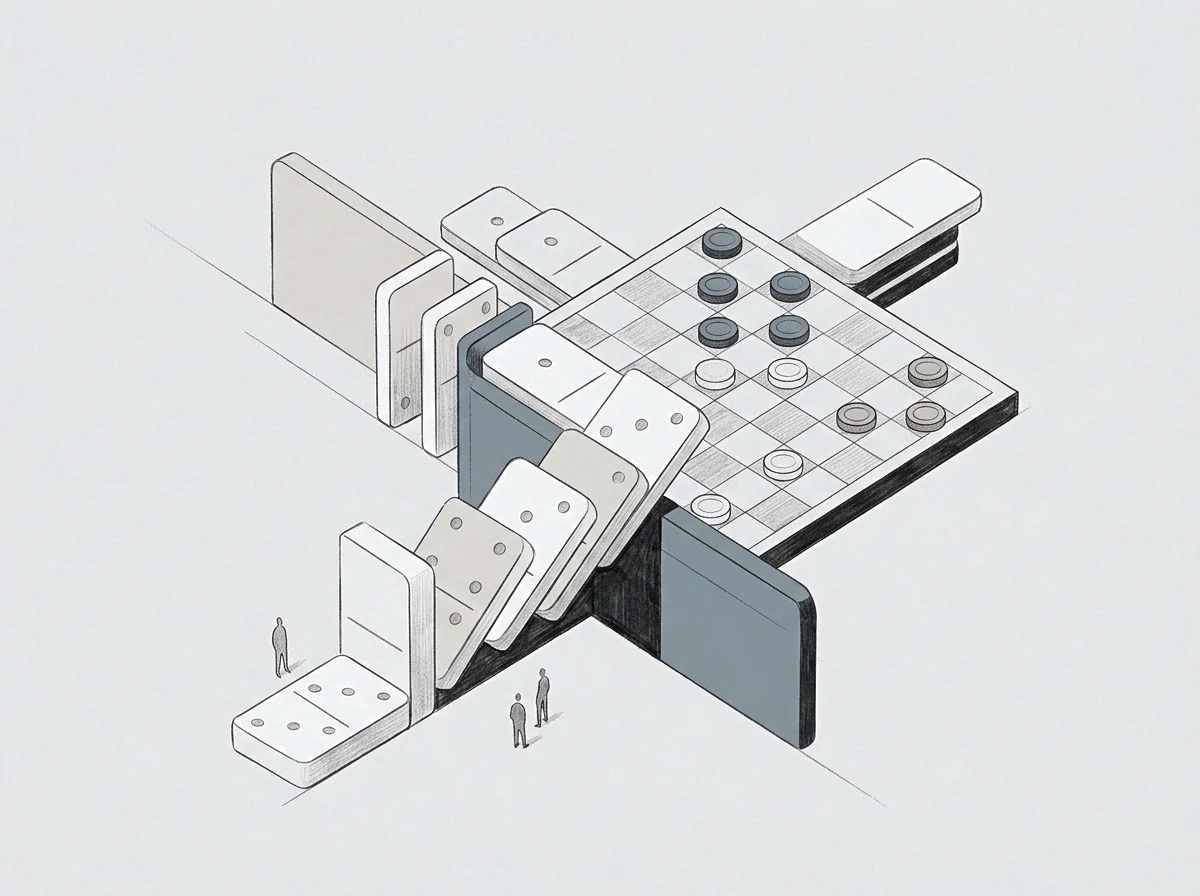
Long-Term Executive Headroom Restoration
Reaching full structural recovery reshapes the baseline operational architecture of executive performance. Baseline parameters dictate real output. Sustained recovery does not imply a return to the unsustainable work patterns that originally induced biological throttling.
Systemic wear outlasts functional masking. True restoration establishes a re-architected operational model where continuous autonomic monitoring, active thread gating, and cognitive headroom protection function as permanent structural parameters.
The long-term restoration of prefrontal function enables high-level strategic synthesis, calm emotional coregulation under acute ambiguity, and sustained organizational focus. Executives operating within verified biological limits make fewer high-cost operational errors and maintain longer organizational tenures. Sustainable executive capacity relies on matching real-time incoming load to measured autonomic headroom rather than relying on cognitive willpower to suppress biological signals.