
Quantifying Prefrontal Capacity Limits Under Persistent High Evening Cortisol Basal Elevation
Persistent evening cortisol elevation saturates prefrontal receptors, reducing active working memory slots and enforcing executive throttling under load.

Headroom
Endocrine rhythms establish the baseline operating parameters of the human brain throughout twenty-four hour cycles. The hypothalamic-pituitary-adrenal axis produces a steep diurnal cortisol curve under healthy physiological conditions, characterized by a sharp peak thirty minutes after waking and a gradual decline toward a physiological nadir near midnight. High circulating cortisol during early morning hours facilitates mobilization and arousal.
Low circulating cortisol during late evening hours allows prefrontal circuits to clear metabolic metabolic load, consolidate memory, and reset executive capacity. When evening cortisol levels remain elevated, this critical drop fails to occur.
High basal cortisol in the evening transforms the molecular environment of the dorsolateral prefrontal cortex. Cortisol acts through two distinct intracellular nuclear receptor families: mineralocorticoid receptors and glucocorticoid receptors. Mineralocorticoid receptors possess high affinity for cortisol and remain saturated throughout the day under normal baseline fluctuations.
Glucocorticoid receptors possess a lower affinity, becoming occupied primarily during the morning peak or acute systemic stress. Healthy evening nadirs allow glucocorticoid receptors in prefrontal networks to vacate, enabling cellular restoration. Persistent evening elevation forces continuous occupation of prefrontal glucocorticoid receptors during late hours.
| Physiological State | Glucocorticoid Receptor Status | Working Memory Slot Capacity | Prefrontal Executive Function |
|---|---|---|---|
| Morning Circadian Peak | High transient occupation | 4 active representations | High abstract reasoning and broad focus |
| Healthy Evening Nadir | Minimal occupation | 3 to 4 active representations | Baseline clearance and low neural fatigue |
| Persistent Evening Elevation | Chronic evening occupation | 1 to 2 active representations | Severe throttling and reactive gating |
Occupied glucocorticoid receptors during evening hours alter local glutamatergic neurotransmission within prefrontal microcircuits. Long term potentiation degrades, network noise increases, and the stability of persistent activity states declines. Persistent activity states form the cellular substrate of working memory capacity.
When evening basal cortisol sits significantly above physiological nadir, the number of mental items held simultaneously in active focus drops from four down to two or one.
Occupied glucocorticoid receptors during evening hours reduce active working memory capacity by destabilizing persistent neural firing.
Working memory capacity functions as the upper limit of prefrontal executive headroom. A reduced pool of active slots restricts complex problem solving, mental simulation, and emotional regulation. Strategic tasks requiring the integration of multiple variables become biologically impossible during late hours.
The prefrontal system adapts by shifting processing responsibility toward subcortical structures and established routine habits.

Diurnal Slope Flattening and Glucocorticoid Receptor Saturation
Biological rhythms dictate that prefrontal tissue requires periodic hormonal withdrawal to maintain synaptic plasticity. A flattened diurnal cortisol slope deprives prefrontal networks of this low-hormone window. Continuous occupation of lower-affinity receptors triggers intracellular signaling cascades that alter gene transcription inside cortical neurons.
Dendritic spines in prefrontal pyramidal cells retract after prolonged exposure to elevated evening glucocorticoids, directly reducing synaptic density.
Spine retraction diminishes the structural connectivity needed to sustain complex mental operations. As prefrontal microcircuits lose synaptic density, holding multiple complex constraints simultaneously consumes vastly more metabolic energy. The brain registers this increased effort as acute cognitive strain.
Tasks that normally take minutes require extended focus, yielding frequent errors and rapid mental exhaustion.

Working Memory Capacity Degradation Under Nadir Failure
Executive performance depends on the integrity of working memory capacity measured in active representational slots. Under physiological nadir, an individual maintains approximately three to four active representations without cross-interference. High cortisol in the evening lowers this threshold.
Neural noise disrupts the lateral inhibition mechanisms that keep distinct memory representations from bleeding into one another.
Slot degradation forces prefrontal circuits to serialise processes that usually run in parallel. Complex choices requiring balance between competing trade-offs collapse into simple binary options. The capacity to inhibit habitual responses degrades in direct proportion to evening glucocorticoid exposure.
When executive capacity encounters this hormonal ceiling, processing halts or degrades into low-level reactive execution.
Misinterpreting hormonal prefrontal throttling as a subjective failure of effort leads operators to force high-complexity work into evening hours, compounding endocrine strain and accelerating cognitive exhaustion.
Thread
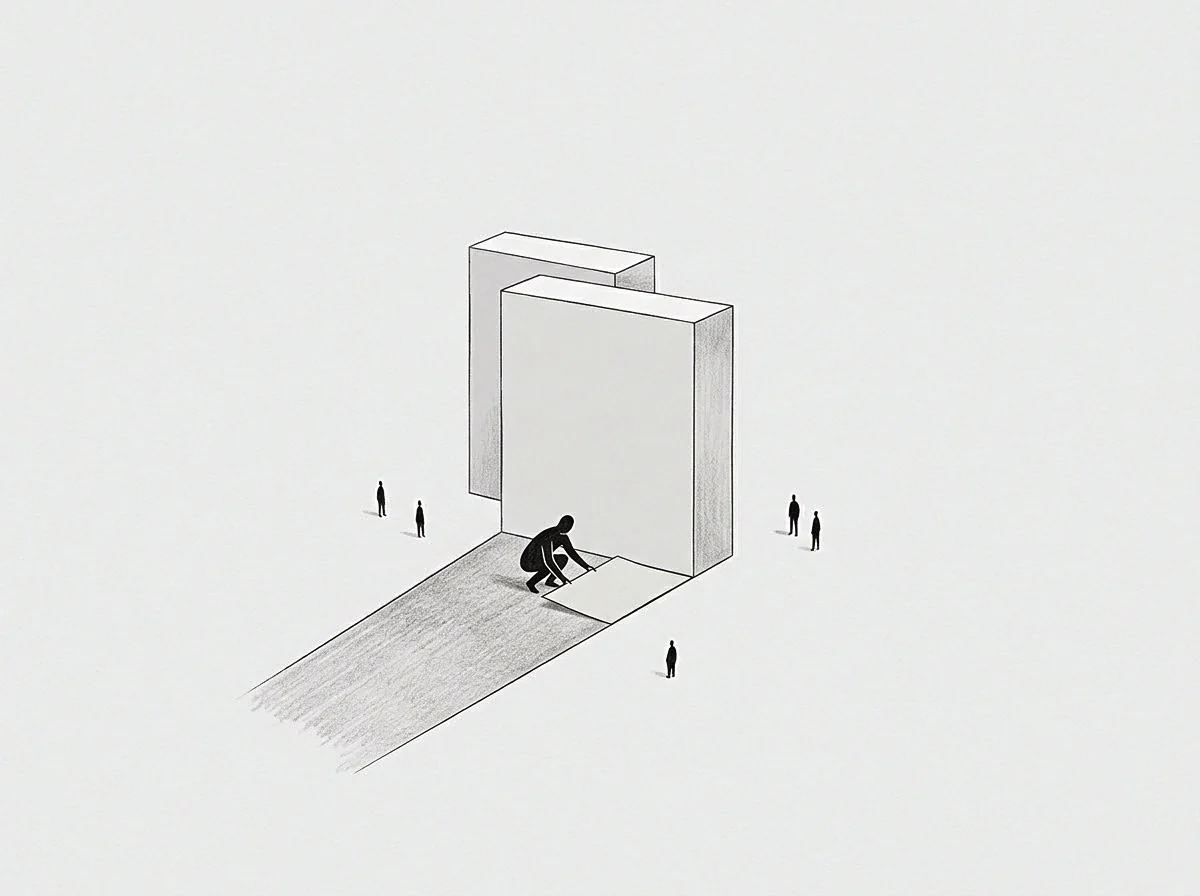
Cognitive tasks demand dedicated neural capacity inside prefrontal circuits. Each un-gated task, unresolved decision, or open operational loop occupies a active working memory slot. A thread represents any commitment or input that lacks defined closure conditions, dates, or boundaries.
When prefrontal capacity sits at full baseline capacity, holding several open loops costs minimal systemic effort. When evening cortisol elevation reduces prefrontal headroom, each unresolved loop consumes a disproportionate percentage of remaining processing power.
Open loops require continuous prefrontal rehearsal to prevent context loss. Under elevated evening cortisol, maintaining these active representations requires excessive metabolic expenditure. Neural networks in the dorsolateral prefrontal cortex must continuously fire to shield the open loop from external noise and competing internal thoughts.
This continuous active shielding depletes localized glucose reserves rapid, causing progressive prefrontal fatigue.
Holding an open loop without explicit parameters consumes an active prefrontal slot regardless of task priority.
Task switching incurs a strict prefrontal penalty that scales exponentially under persistent glucocorticoid exposure. Switching between open operations requires clearing the current neural representation from working memory and loading a different context from long term storage. Elevated evening cortisol impairs the clearance mechanism, leaving residual activation from previous tasks in prefrontal circuits.
This residual activation creates cognitive residue, slowing processing speed and increasing error rates during subsequent tasks.

Concurrency Bounds and Ungated Loop Overhead
System capacity limits become apparent when concurrent ungated threads exceed available prefrontal slots. Under high evening cortisol basal elevation, maximum concurrent working memory capacity shrinks. An individual attempting to manage four ungated threads with only two functional slots experiences immediate cognitive overload.
The prefrontal cortex cannot hold the entire operational state simultaneously, causing rapid swapping between contexts.
Frequent swapping produces severe synaptic wear and rapid energy depletion. The prefrontal cortex attempts to protect itself by shedding complex operations and locking focus onto single inputs. The following operational degradation modes manifest when concurrent threads exceed reduced evening capacity limits:
- Cognitive Residue Accumulation occurs when incomplete clearing of prior task representations contaminates current working memory slots and increases decision latency.
- Attentional Capture Vulnerability increases as degraded prefrontal top-down inhibition allows salient external stimuli to forcibly hijack remaining working memory capacity.
- Premature Thread Termination happens when prefrontal fatigue forces the executive system to close complex decisions arbitrarily to free working memory space.
- Inhibitory Control Failure emerges when lowered prefrontal capacity fails to suppress automatic habit loops, overriding strategic intentions.

Inhibitory Gating and Task Switching Penalty
Top down control mechanisms inside the prefrontal cortex act as a gate, filtering incoming environmental signals and internal distractions. Inhibitory gating prevents irrelevant information from entering working memory slots. Elevated evening cortisol weakens prefrontal inhibitory interneurons, lowering the threshold required for external pings to breach working memory focus.
Breached focus forces an unintended task switch. Re-establishing previous context demands significant prefrontal energy, which is scarce under evening hormone elevation. Each interruption drains the remaining battery of prefrontal reserve, reducing overall capacity for the remainder of the evening window.
The prefrontal system degrades from proactive executive control into reactive stimulus response processing.
A commitment left without explicit scope, date, and terms converts directly into an ungated open loop, locking an active prefrontal slot until structural parameters close the thread.
Gate
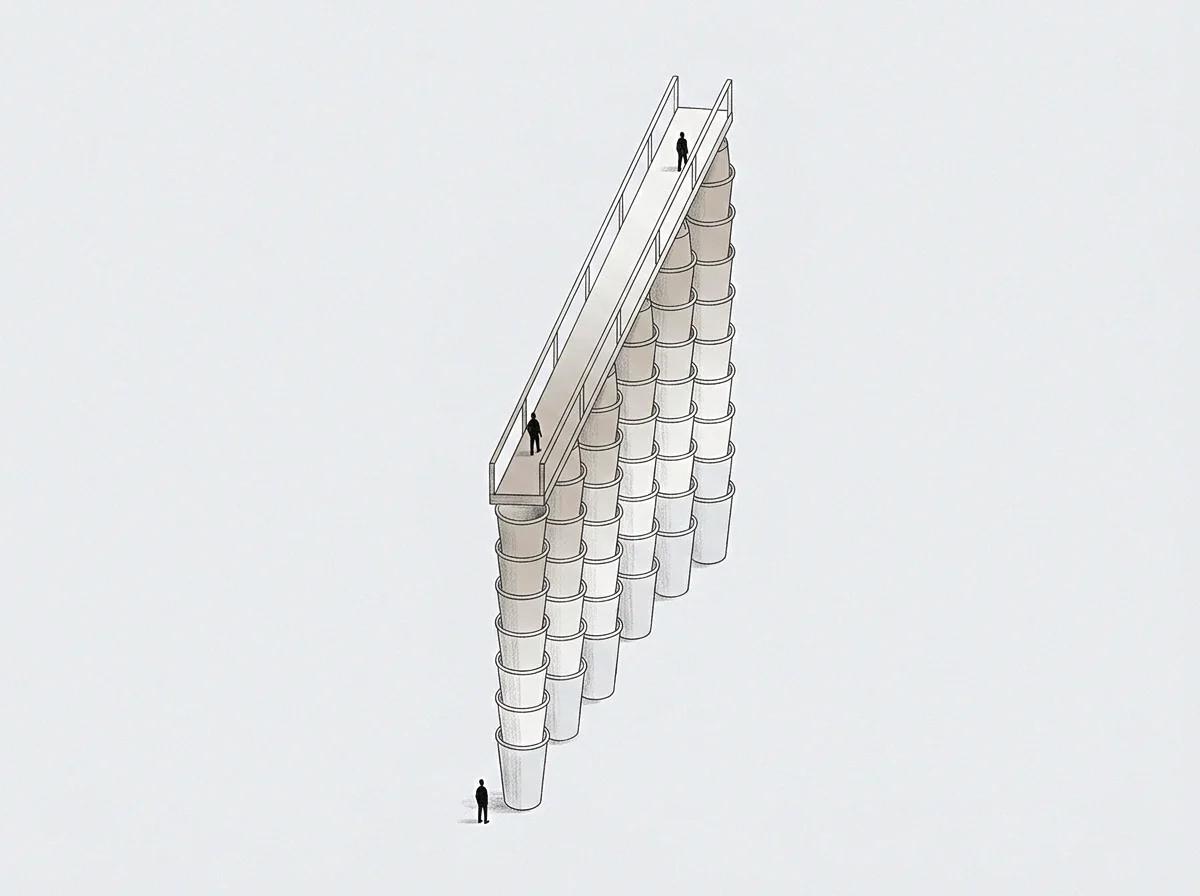
Structural boundaries insulate degraded prefrontal circuits from external overload during high evening cortisol windows. Establishing explicit gating mechanisms transfers the burden of holding active loops from internal prefrontal memory slots onto external systems. Scope, dates, and terms form the primary triadic structural gate.
When an incoming demand arrives with explicit parameters, the prefrontal cortex processes the item without keeping an active loop open.
Converting open operational loops into gated structures requires immediate definition upon receipt. Defining scope establishes exact boundary limits on what work is executed. Defining dates establishes precise temporal windows for review, removing the need for continuous temporal monitoring.
Defining terms establishes objective completion criteria, eliminating ambiguous evaluation loops. An item possessing clear scope, dates, and terms requires zero active working memory slots during off-hours.
- Define explicit scope parameters immediately to bound required operational output and prevent scope creep from consuming prefrontal slots.
- Assign firm dates for review or execution, transferring temporal tracking from working memory to external calendars.
- Establish objective quantitative terms for completion, preventing active evaluation loops from running in background focus.
- Move active communication channels from continuous synchronous monitoring to scheduled asynchronous review blocks.
Scope Date and Terms as Structural Buffers
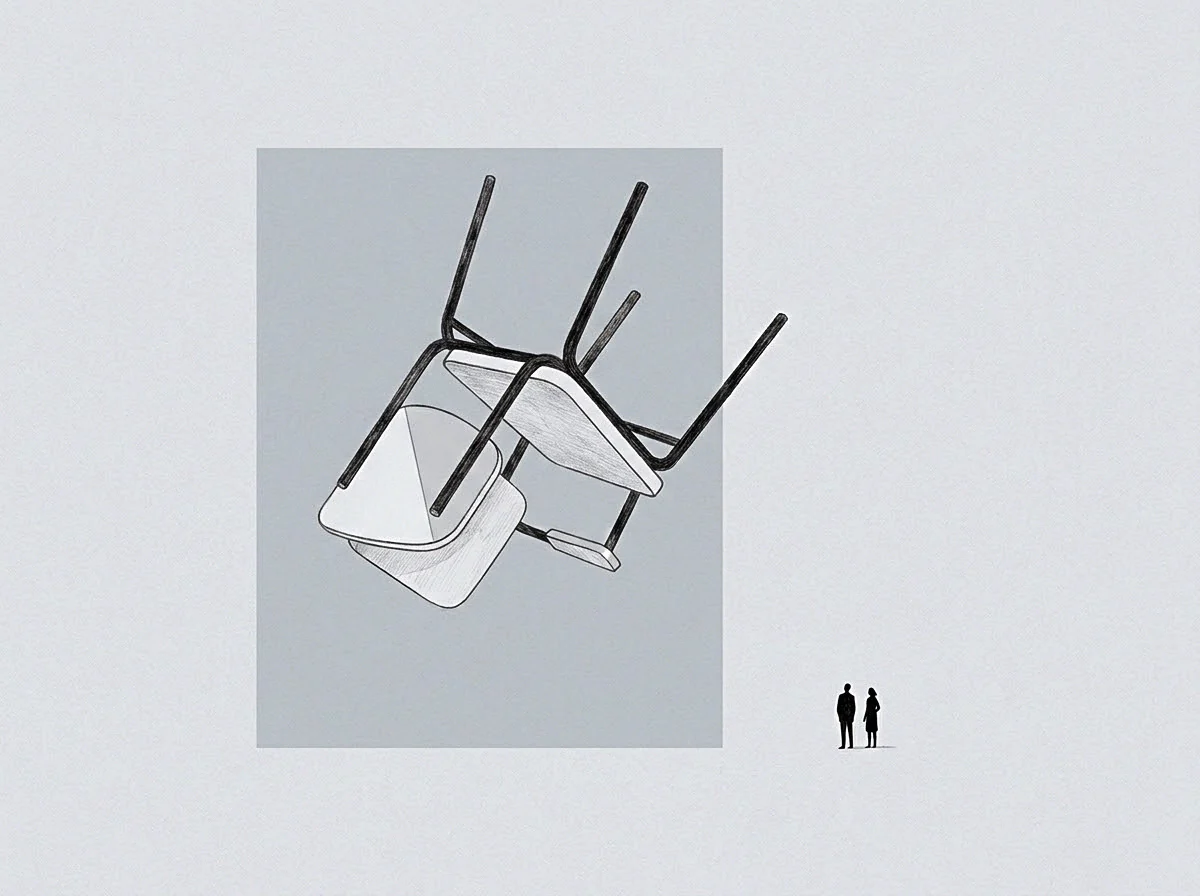
Systemic offloading relies on absolute trust in external organizational architecture. If an operator doubts whether an external tool will trigger review at the specified date, prefrontal circuits continue running background monitoring loops. Background monitoring loops consume prefrontal headroom even when an individual believes they have stepped away from active work.
Perfect operational discipline in defining scope, dates, and terms eliminates continuous monitoring overhead.
Gating incoming work insulates prefrontal networks during vulnerable evening windows. By refusing to accept incoming tasks lacking complete parameters, the prefrontal cortex avoids context switching penalties. External boundaries act as an artificial prefrontal filter, protecting reduced executive capacity from incoming environmental demand.
Converting open-ended reactive monitoring into scheduled asynchronous polling frees prefrontal slots for restorative processes.
Transitioning From Active Monitoring to Asynchronous Polling
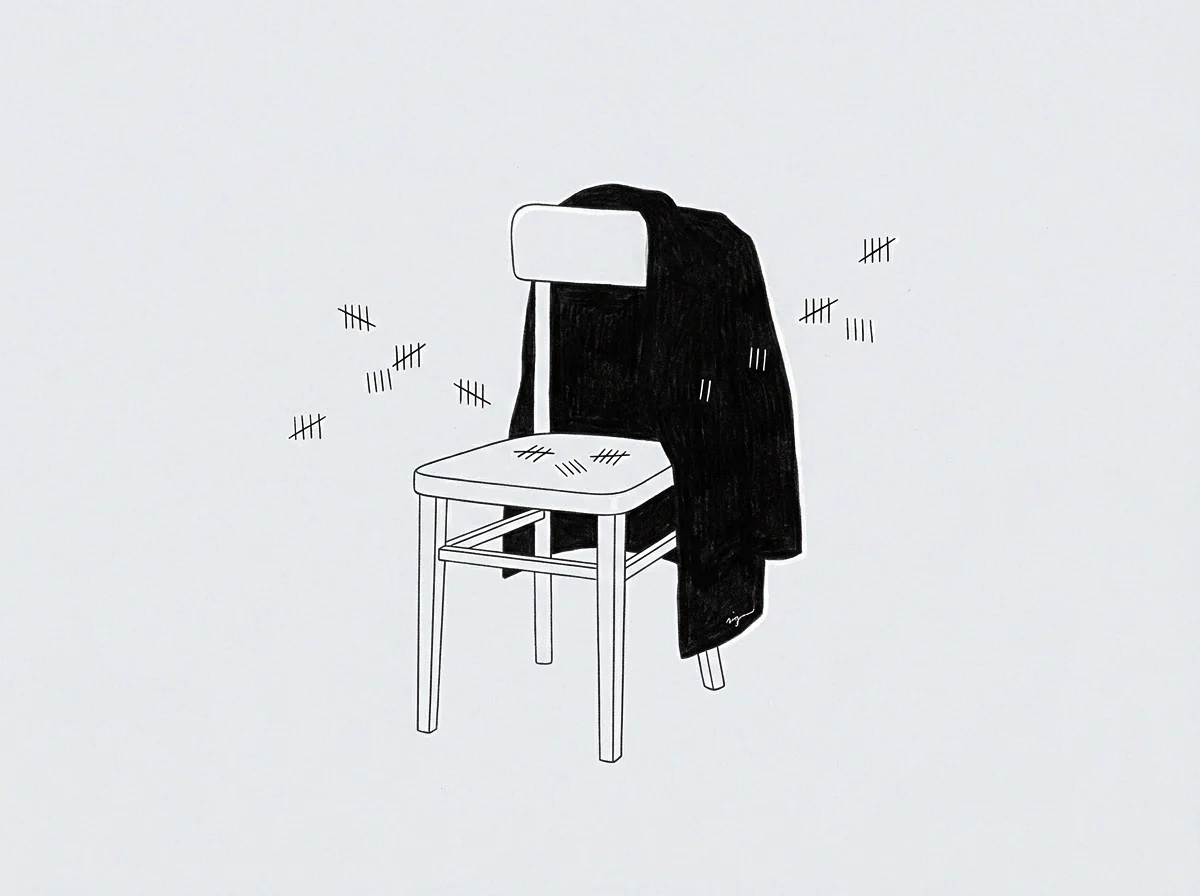
Active monitoring places prefrontal circuits in a constant state of hyper-arousal, directly maintaining elevated evening cortisol levels. Continuous checking of communication channels produces unpredictable dopamine hits paired with micro-stress responses, preventing glucocorticoid levels from dropping toward physiological nadir. Replacing real-time monitoring with fixed asynchronous polling blocks breaks this reactive cycle.
Polling blocks aggregate incoming demand into discrete, time-bound processing windows. Processing incoming inputs during a single dedicated block minimizes switching costs and context residue. Between polling blocks, communication channels remain muted and unmonitored.
This structural barrier allows evening cortisol levels to decay naturally, opening headroom for prefrontal recovery.
Uncontained operational demand always expands to fill available executive capacity unless explicit structural gates cap incoming volume.

Ceiling
Late night operational decision-making highlights the stark reality of prefrontal capacity limits under high evening cortisol. Consider a typical case involving two co-founders managing an early stage enterprise. Assume both founders built the enterprise over three years without establishing formal availability terms.
Assume founder A maintains a healthy diurnal cortisol curve, while founder B exhibits persistent evening cortisol basal elevation due to chronic regulatory demand.
At 22:00, an unexpected operational discrepancy emerges in the core deployment pipeline. Founder A, operating under normal evening nadir, retains baseline working memory capacity and evaluates the discrepancy systematically. Founder B, operating with occupied glucocorticoid receptors and reduced working memory headroom, experiences immediate processing saturation.
The situation forces founder B into a state of severe executive throttling.
Founder B attempts to evaluate complex system trade-offs using a prefrontal cortex limited to one active working memory slot. Unable to run parallel simulations of future system states, founder B experiences acute frustration and cognitive overload. Executive control breaks down, shifting decision-making responsibility to subcortical threat detection networks.
Founder B responds with hyper-reactive risk aversion or impulsive choices designed solely to terminate the immediate strain.
The prefrontal cortex under persistent cortisol elevation operates in a throttled state to preserve survival functions rather than execute complex strategy.

Worked Situation on Late Hours Operational Decisions
Analysing this worked situation reveals how endocrine state shapes leadership interaction. Founder A proposes a multi-step patch requiring balance between immediate system uptime and long-term code architecture. Founder B cannot hold both constraints simultaneously due to slot limitation.
Founder B perceives the multi-step proposal as unmanageable complexity, resisting the solution without offering a viable alternative.
The operational dispute stems directly from differential prefrontal headroom rather than disagreement on strategic vision. Founder B’s brain cannot process the structural architecture required for the long-term fix during late hours. Forcing high-stakes decision-making under these biological conditions leads directly to sub-optimal operational outcomes and damaged professional trust.

Misattributing Throttled Processing to Failure of Will
Misinterpreting physiological prefrontal throttling as a lack of dedication or personal weakness compounds executive burnout. Partners observing a throttled colleague often misread cognitive overload as emotional withdrawal, passive resistance, or incompetence. This misreading leads to increased pressure, which further elevates cortisol levels and accelerates capacity degradation.
Recognizing biological limits alters operational expectations. When evening prefrontal capacity hits its ceiling, complex strategic synthesis must pause. Pushing past prefrontal limits yields diminishing returns and introduces severe catastrophic error risks into critical enterprise operations.
The partner observing late-night cognitive shutting down describes the state as total emotional unresponsiveness and unprovoked stubbornness.

Cost
Persistent evening cortisol basal elevation exacts a compounding structural toll across multiple biological and operational domains. Long-term glucocorticoid exposure triggers systemic allostatic load accumulation. Allostatic load refers to the cumulative wear and tear on tissues and neural circuits resulting from chronic over-activation of physiological stress responses.
When allostatic load accumulates in prefrontal networks, short-term functional capacity degradation transitions into long-term structural changes.
Structural changes include sustained dendritic spine loss, reduced neurogenesis in adjacent hippocampal memory circuits, and altered functional connectivity between the dorsolateral prefrontal cortex and the amygdala. The prefrontal cortex loses its ability to exert top down inhibitory control over emotional processing centers, locking the individual into a state of chronic hyper-vigilance. Over months, this neurobiological shift lowers the threshold required to trigger acute stress responses, perpetuating the high cortisol cycle.
The operational cost manifests as permanent strategic blindness. An enterprise led by operators with sustained prefrontal capacity limits loses the ability to execute long-horizon planning, complex structural innovation, and nuanced risk management. Operational focus narrows exclusively to immediate reactive firefighting, guaranteeing eventual market obsolescence or institutional failure.

Allostatic Load Accumulation Across Extended Horizons
Quantifying allostatic load requires evaluating multiple physiological markers alongside executive performance trends. Sustained elevation of resting evening cortisol predicts prospective drops in fluid intelligence, cognitive flexibility, and emotional regulation capacity. As allostatic load increases, recovery times lengthen significantly.
A single evening of late operational strain requires days of metabolic recovery to restore baseline prefrontal functioning.
Left unmanaged, chronic evening glucocorticoid exposure progresses into biological exhaustion. Systemic endocrine regulation collapses, characterized by extreme blunting of the diurnal curve and total prefrontal burnout. At this threshold, cognitive capacity limits become permanent operational barriers, requiring months of clinical recovery and structural disengagement to remediate.
Restoring Diurnal Rhythms Through Structural Offloading
Remediating prefrontal capacity limits demands direct intervention in diurnal endocrine rhythms. Biological restoration cannot occur through subjective effort, mindfulness practices, or force of will. Recovery requires strict structural offloading, rigorous environmental gating, and absolute protection of late evening restorative windows.
Eliminating evening operational inputs allows circulating cortisol to decline toward physiological nadir, resetting nuclear receptor availability inside prefrontal microcircuits.
Re-establishing healthy diurnal cortisol slopes restores synaptic density and working memory slot capacity over extended timeframes. Operators who enforce strict structural boundaries around evening cognitive load preserve prefrontal headroom, maintaining high-level executive control, strategic clarity, and sustained systemic resilience across multi-year operational horizons.