Meaning
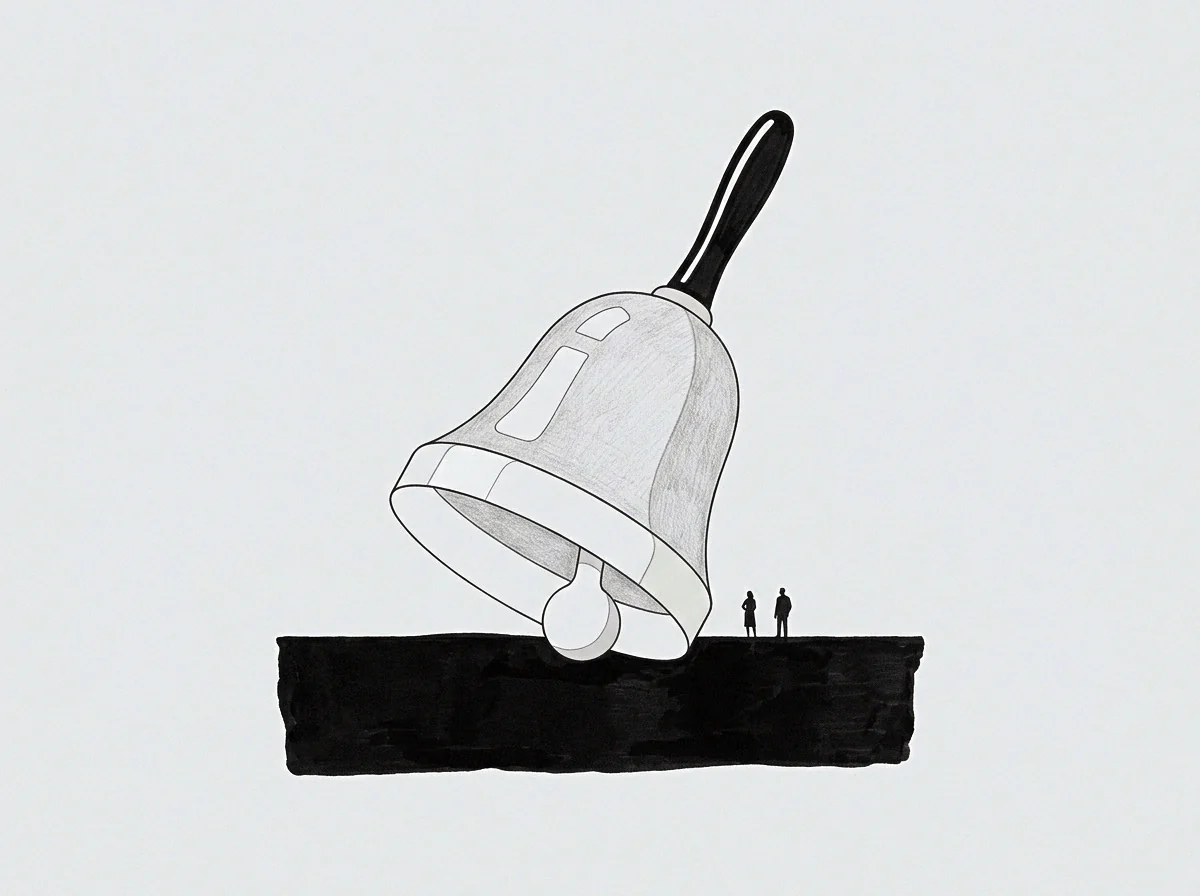
An unequal distribution of operational or cognitive demand occurs when one individual bears the ultimate accountability while others handle only execution. The state of asymmetrical load characterises the transition where founders continue to carry the systemic anxiety of the firm alone. Such concentration of duty limits the cognitive capacity of the individual.
Physiological Cost
Sustained accountability under high risk produces chronic elevation of nervous system activity. While the team operates within structured boundaries, the founder facing asymmetrical load remains in a permanent state of scan and response. Energy reserves deplete rapidly under this pattern.
Executive performance degrades when sleeplessness or constant vigilance interferes with sleep architecture. This relentless drain on attention reduces the capacity for complex reasoning. Over months, the brain struggles to switch off from threat detection, leading to physical exhaustion and cognitive fatigue.
Operational Imbalance
Systems with skewed responsibility suffer from a slow down in strategic decision making. When asymmetrical load forces the founder to review every operational step, a severe bottleneck forms. Autonomy is lost across the wider team.
Delegating tasks without delegating the associated risk does not relieve this systemic pressure.
Mitigation Boundary
Strategic adjustments can redistribute the emotional and administrative burden across the leadership team. Co-regulation protocols and clear decision thresholds help establish a healthier equilibrium. This relief occurs only when actual authority is shared.
The shift fails if the founder retains veto power over every minor operational detail.