Meaning
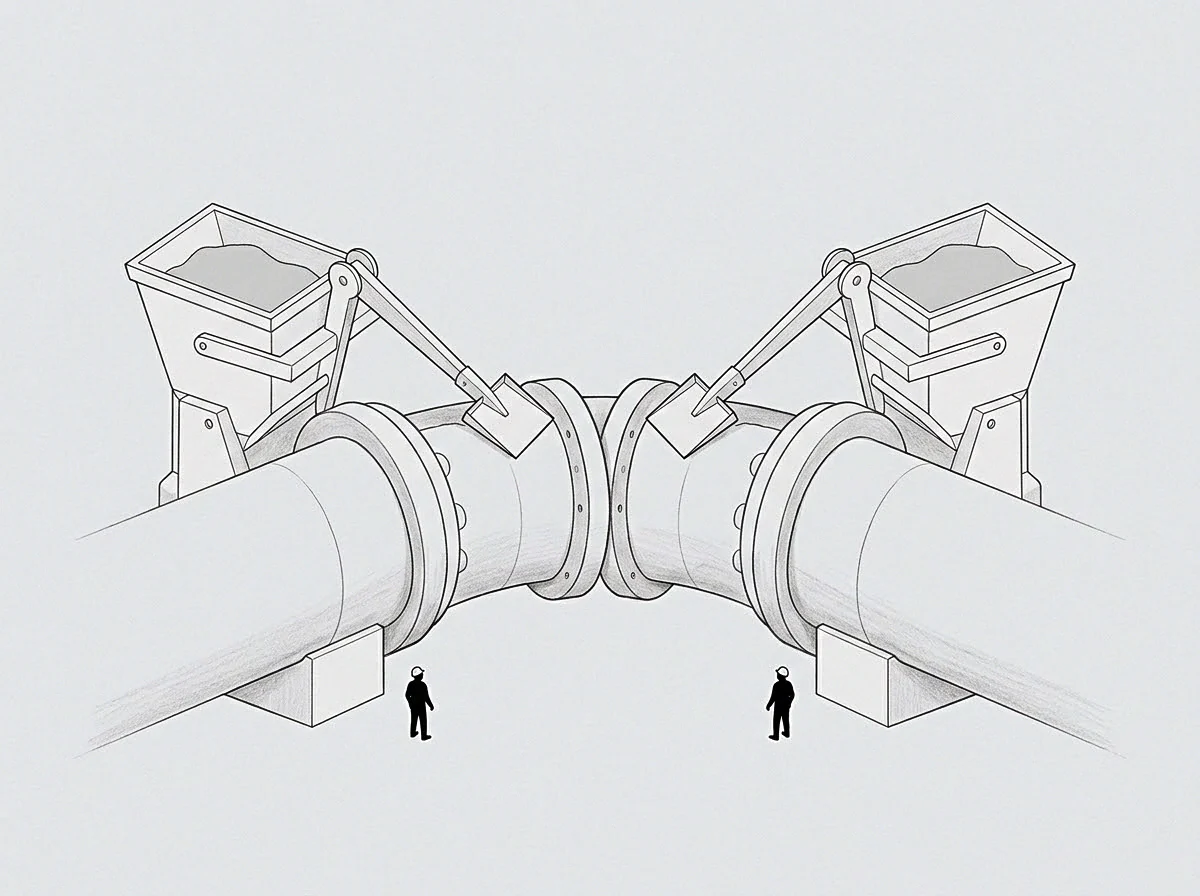
Temporal latency between a request sent and the arrival of a reply defines the limit within which a party maintains expectation of receipt. This asynchronous response window marks the boundary of persistent attention in communication protocols.
Regulatory Period
Constraints on availability fluctuate based on the channel chosen for the exchange. The asynchronous response window operates as a buffer that decouples the sender from the immediate necessity of processing input. High latency settings allow for deeper focus on primary tasks by reducing the frequency of context switches.
Lower settings force a higher rate of interruptions and limit the time available for sustained analytical operations.
Cognitive Expenditure
Capacity drain occurs when the duration between signals deviates from the established norm. An asynchronous response window that stretches beyond expected limits creates an allostatic load related to unresolved obligations. Regularizing the interval minimizes the energy spent tracking pending inputs.
Systems that enforce strict adherence to these windows stabilize the volume of cognitive traffic for the parties involved.
Protocol Limitation
Failure to honor the agreed threshold shifts the mode of regulation from co-regulation to independent processing. The asynchronous response window remains valid only while the sender provides sufficient signal to hold the communication channel open. Once the duration exceeds the limit, the connection defaults to a dormant state.
Precise alignment on this interval establishes the threshold where active management ends and delayed retrieval begins.