Meaning
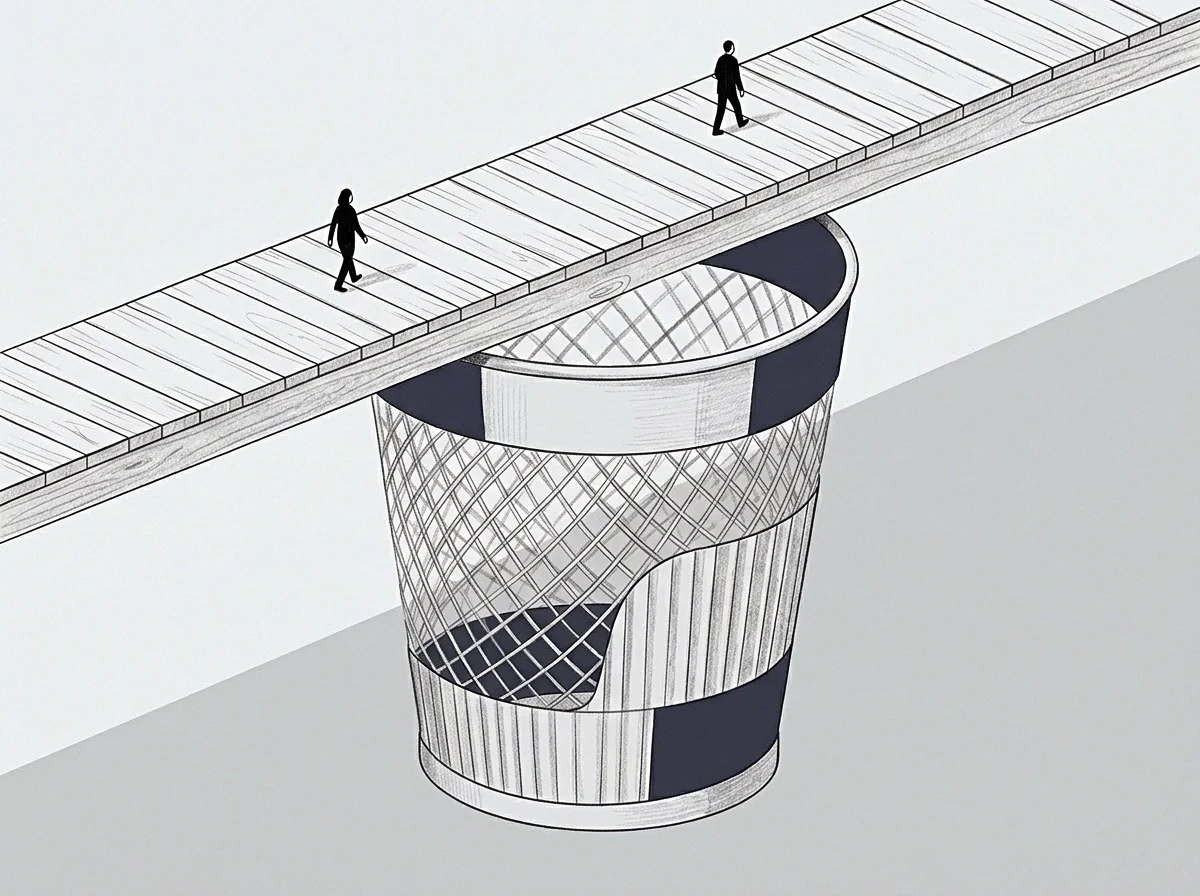
A cognitive slowdown occurring when leaders encounter too many choices or lack clear criteria represents a major operational hurdle. Within young firms, decision friction arises as the founder is forced to evaluate multiple unstructured proposals simultaneously. This state differs from simple procrastination because it stems from a systemic overload of choice rather than personal hesitation.
The mechanism halts progress when managers wait for sign-offs instead of executing tasks. It creates a state where the entire workforce remains passive.
Operational Delay
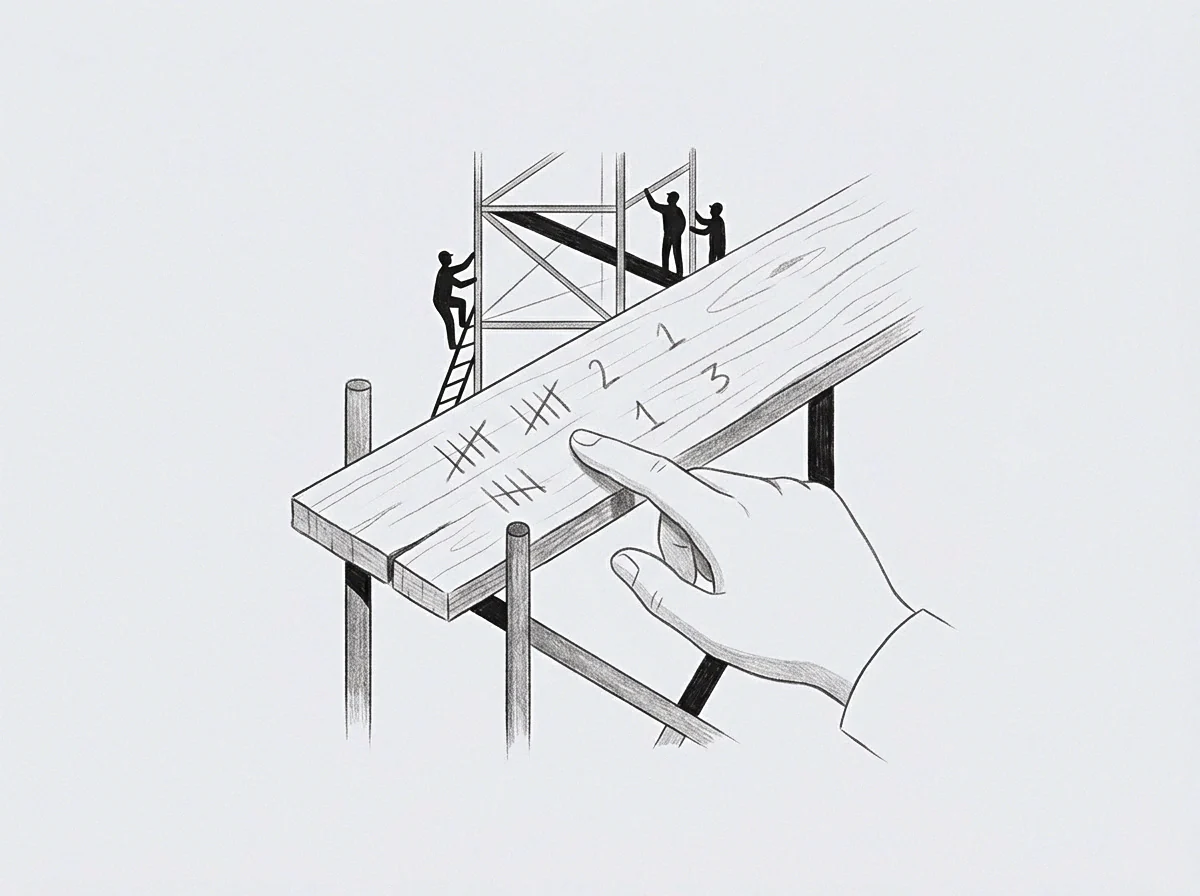
Execution speed decreases when every operational path requires tedious consultation. This form of decision friction occurs when teams must seek validation for minor actions. It blocks progress and creates a culture of dependency.
When employees lose their agency, projects stall.
Structural Drag
Organizational processes become heavy and unresponsive under centralized scrutiny. The presence of decision friction leads to longer cycle times for customer deliveries. Product updates are delayed because every minor variation requires a leadership review.
This drag is noticeable in service departments.
Cognitive Load
Mental exhaustion accumulates when founders must constantly resolve conflicts of interest. Dealing with decision friction consumes hours of attention that would otherwise support market positioning. It depletes the executive capacity needed to direct the firm toward sustainable growth.
Minimizing these choice points through clear policy preserves the energy required for strategic direction.