Meaning
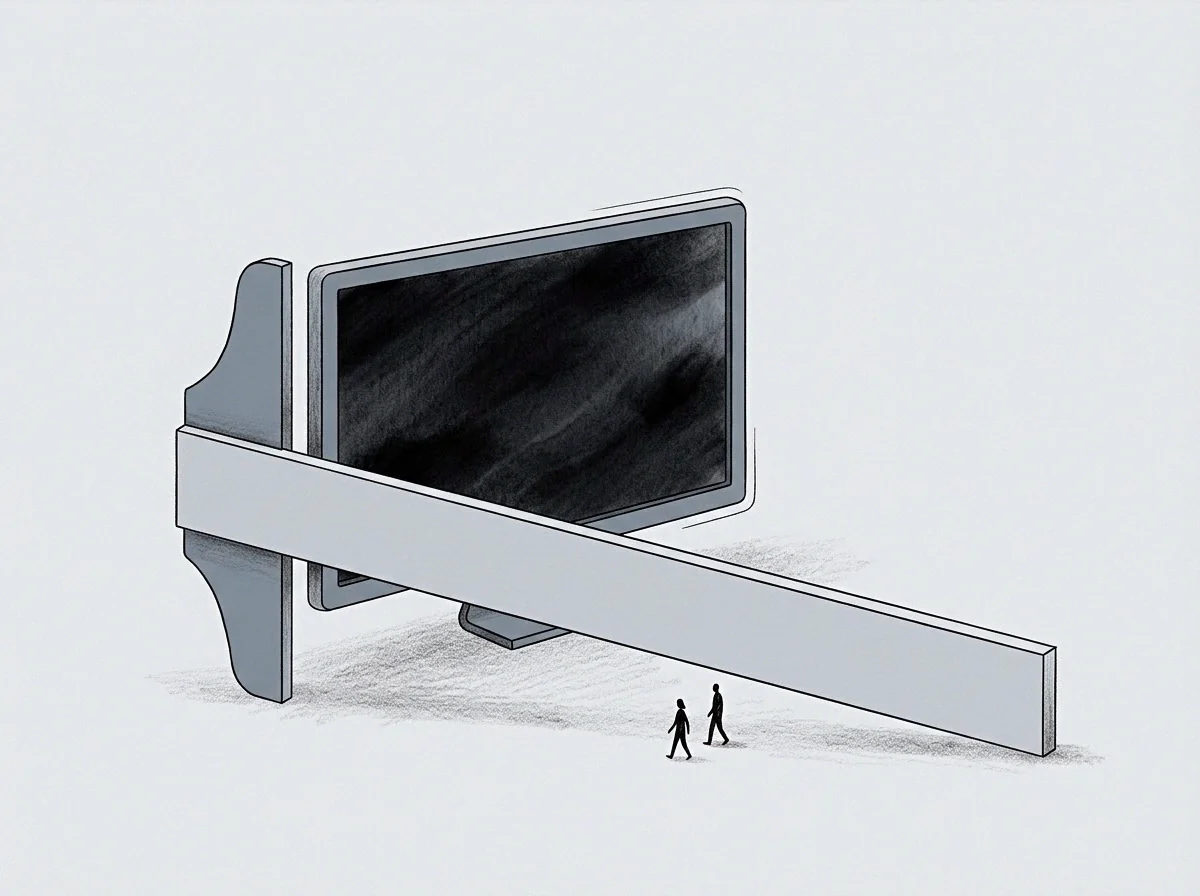
Fixed point where existing processes can no longer support the volume or complexity of the work being performed. Encountering an operational wall forces a fundamental redesign of how a business functions. It is not a temporary hurdle but a signal that the current model has reached its maximum scale.
This boundary is hit when adding more hours or people no longer produces a corresponding increase in output.
Scaling Friction
Resistance to growth increases as the system nears this limit. When an operational wall is reached, the founder finds that their usual methods for solving problems no longer work. Communication breaks down.
Errors become more frequent. The energy required to maintain the current level of operation consumes all available capacity.
Systemic Redesign
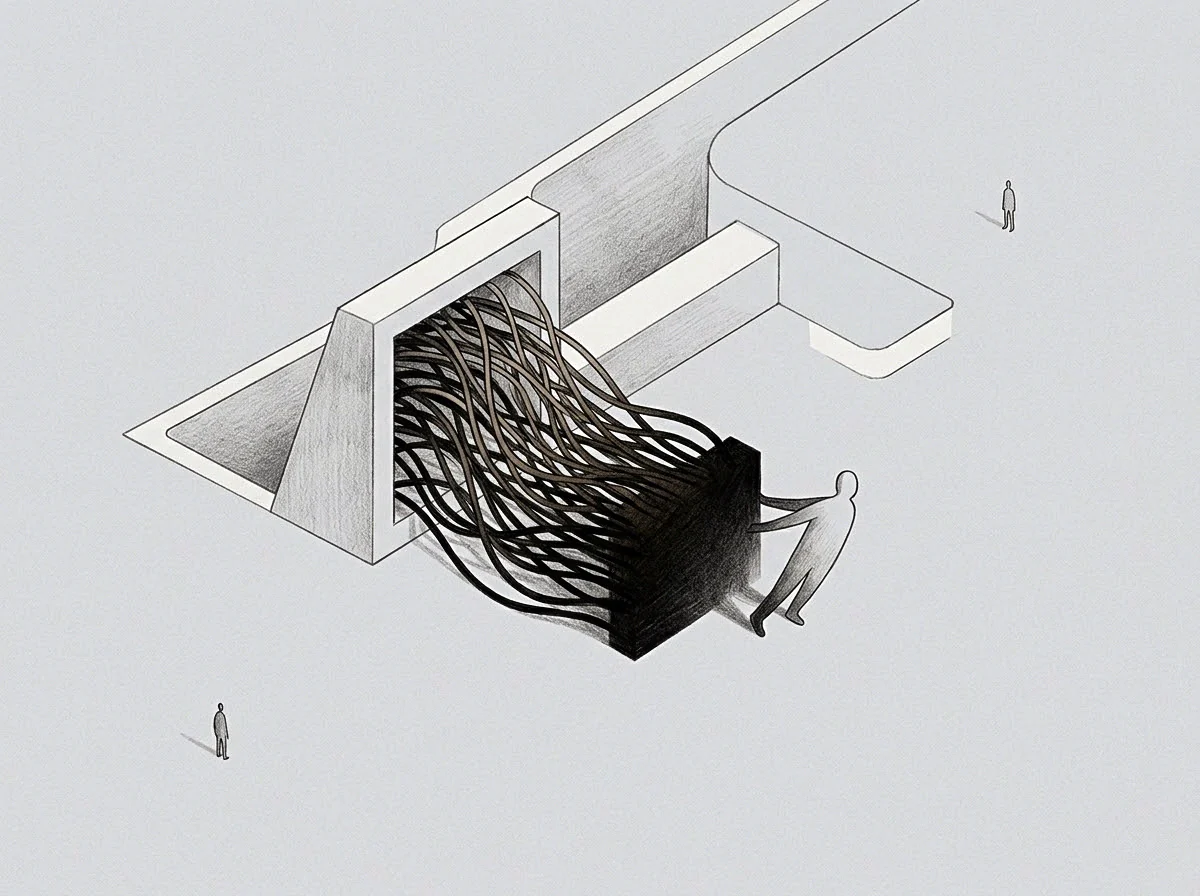
Transformation of the entire structure is the only way to move past this point. Because the operational wall is a product of the current configuration, small adjustments are insufficient. The leader must spend considerable time and attention on rebuilding the framework of the organization.
This often involves delegating more power and implementing more automated regulation. The price of this transition is measured in temporary disruption and heavy cognitive load.
Failure Mode
Stagnation or decline follows a failure to adapt at this stage. If the organization tries to push through the operational wall without changing, it will eventually collapse under its own weight. The wall acts as a filter that only well-structured entities can pass through.