Meaning
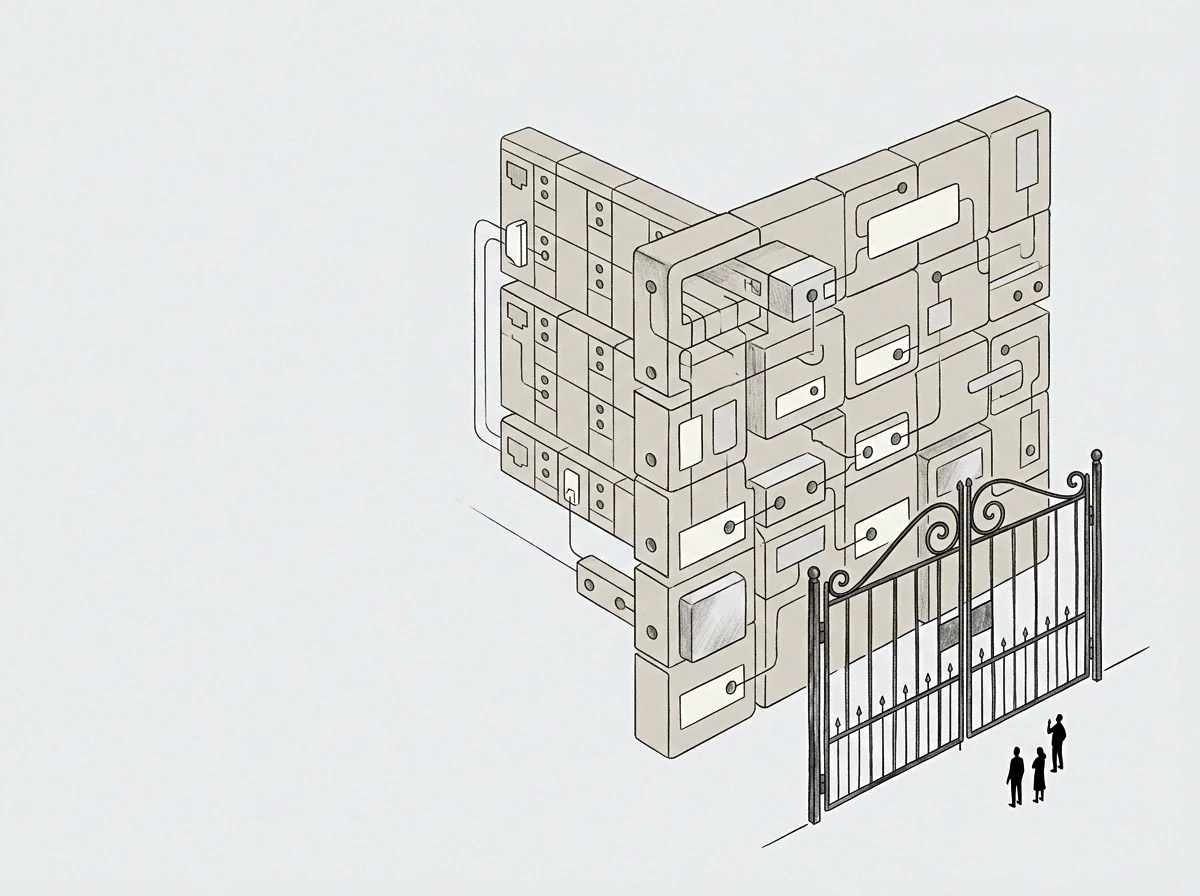
A self-imposed constraint defines the upper bound of personal capacity allocated to a single project regardless of external task volume. A unilateral anchor functions as a physiological circuit breaker for the individual during intense production cycles. It prevents the exhaustion of cognitive resources by fixing the time or intensity spent on specific outcomes at a static level.
Regulatory Mechanism
This instrument operates as a hard limit on the amount of focus directed at work that lacks collaborative feedback loops. Founders apply the limit to prevent the erosion of capacity during high-pressure phases. When the work exceeds the allocated hours or intensity, the person stops the exertion and shifts attention to recovery or secondary objectives.
The boundary exists where the cost of further engagement exceeds the marginal gain of the specific output.
Capacity Allocation
An internal threshold governs the investment of energy over a repeating period. Maintaining the limit requires strict compartmentalization of professional tasks from private recovery time. The choice to stop work at a set point protects the founder from the diminishing returns of prolonged effort.
Operational Consequence
The use of this threshold stabilizes the available energy supply across the long term. Predictability in working hours reduces the biological cost of high-output cycles for the person involved. A consistent practice of this kind maintains the viability of the individual over an extended tenure.