
Metabolic Pricing Of Autonomic Threat Responses Under Prolonged Solitary Regulation
Solitary regulation forces the central nervous system to fund threat monitoring entirely from unbuffered individual metabolic reserves.
Tariff
At three in the morning, an executive sits alone before three glowing monitors, reading a partner email that implies contract termination if delivery stalls by Friday. The heart accelerates to one hundred and ten beats per minute while skeletal muscles along the neck tighten into rigid bands. Nobody sits in the room to observe the shift or absorb the shock.
Solitary vigilance demands continuous glucose. The brain scans the text repeatedly, treating ambiguous phrasing as active hostility because an unbuffered nervous system defaults to worst-case survival calculations. The body pays immediately.
Living tissue consumes real energetic currencies to maintain survival alertness. When social baseline theory examines human physiology, human neural architecture presumes proximity to familiar conspecifics as the default baseline. In that shared baseline state, the metabolic price of monitoring risks distributes across the group through subtle vocal tones, shared visual fields, and peripheral physical contact.
Remove those co-regulating signals across months of corporate isolation, and the individual brain treats the solitary environment as inherently hazardous. The prefrontal cortex allocates heavy glucose reserves to maintain top-down control over the amygdala, pricing every ambiguous event at maximal biological expense.
A solitary brain budgets regulatory energy on the assumption that unexpected shocks must be neutralized without assistance.
The metabolic tariff mounts through neuroendocrine cascades that fail to terminate. Hypothalamic secretion of corticotropin-releasing factor triggers pituitary adrenocorticotropin, which prompts the adrenal cortex to flood systemic circulation with cortisol. In shared environments, a calm companion downregulates this axis through auditory feedback and respiratory pacing, blunting the hormonal surge within twenty minutes.
Working in absolute social isolation leaves the axis open. Circulating glucocorticoids mobilize liver glycogen, inhibit insulin sensitivity in peripheral tissues, and keep arterial blood pressure elevated through peripheral vasoconstriction.
Autonomic Mobilization and Solitary Baseline
Prolonged absence of a regulating peer forces the central autonomic network to treat vigilance as baseline maintenance. Efferent sympathetic pathways originating in the rostral ventrolateral medulla command elevated noradrenergic tone across cardiac pacemakers and vascular beds. Resting heart rate climbs six to twelve beats per minute above historical averages.
Blood glucose drops rapidly. The person experiences this continuous drain as heavy cognitive fatigue, accompanied by an urge to consume rapid carbohydrates late in the working shift.
Laboratory measurements confirm that perceived social isolation elevates peripheral vascular resistance during mental stressors. When people face cognitive challenges while physically unmonitored and socially isolated, their cardiovascular response shifts from adaptive challenge states toward maladaptive threat states. Vascular resistance climbs, stroke volume declines, and recovery intervals lengthen by a factor of three.
The isolated worker burns through cellular energy stores while completing routine communication tasks that an integrated team finishes without sympathetic spikes.
Threat Appraisals Without Social Buffering
Ambiguity becomes toxic when no trusted partner reflects a measured reaction. If a board message arrives with neutral wording, an isolated founder reads systemic ruin between the lines because the neural appraisal circuits receive no calming auditory cues from the room. The adrenal signal stays active.
Frontal cortical resources deplete quickly when forced to override recurrent threat loops without external sensory correction. The nervous system keeps running.
Mistaking solitary autonomic exhaustion for a failure of personal character leads the professional to intensify isolated work hours, driving systemic inflammation past clinical thresholds and collapsing cardiovascular resilience.
Seat
Physical placement in the operating chair determines the flow of incoming demands and isolates the decision-maker from organic feedback. A person occupying the central executive position absorbs unchecked organizational anxiety from direct reports while receiving zero downward co-regulation from superiors. The chair holds the human body still for twelve continuous hours, restricting somatic discharge through movement while autonomic threat pathways demand fight or flight responses.
Energy runs out early.
This structural isolation creates a closed regulatory loop. Team members transfer their panic to the founder, seeking steady reassurance, clear direction, and relational grounding. The founder provides this borrowed calm by suppressing personal autonomic activation through effortful prefrontal inhibition.
Each employee leaves the room feeling stabilized, having used the leader as an external nervous system. The leader remains in the chair with an elevated heart rate, depleted glucose, and no incoming relational anchor to restore physiological baseline.
A regulator bearing unshared organizational strain becomes an open terminal for systemic panic while holding no channel for personal replenishment.
Under continuous load, the central executive network exhibits predictable operational states that reveal severe autonomic strain:
- Sympathetic hyperarousal locks the central nervous system into continuous fight preparation, elevating resting pulse and destroying deep sleep architecture.
- Allostatic throttling suppresses peripheral immune function and gastrointestinal motility to preserve immediate glucose delivery for chronic threat calculation.
- Vagal withdrawal removes the parasympathetic brake on sinoatrial pacing, leaving the heart vulnerable to unmitigated adrenergic stimulation during operational friction.
Physical Isolation and Neural Vigilance
Musculoskeletal holding patterns develop when somatic action stays blocked by sedentary corporate roles. Trapezius and masseter muscles maintain constant tone as if bracing against physical impact, signaling the trigeminal and cervical spinal nerves that threat remains imminent. Threat appraisal stays elevated.
This afferent somatic input reinforces central amygdaloid vigilance, establishing a peripheral-central feedback loop that operates independently of actual business performance.
The worker sits motionless while biological systems behave as though pursued through dense terrain. Glycogen depletes, lactate accumulates in unexercised muscles, and cerebral spinal fluid clearance falters because the person cuts sleep short to manage early morning international deliverables. Physical isolation compounds the expense.
The nervous system starves for somatic discharge, yet the calendar demands immobility.
The Responsive Other as Missing Regulator
Human autonomic systems developed to offload biological pricing onto the physical presence of reciprocal allies. An aligned collaborator sitting four feet away across a wooden table provides respiratory entrainment, micromomentary facial affirmations, and prosodic stability that register in the ventral vagal complex without conscious thought. These subtle somatic exchanges suppress dorsal vagal freeze responses and limit sympathetic over-activation.
When an executive operates through electronic messaging alone, these relational cues vanish completely. The sensory cortex receives flat text, stark numbers, and absent voices, compelling the brain to construct threat models in total darkness. The partner who observes the leader working twelve hours in silence simply concludes that the leader possesses endless stamina and requires no support.
Toll
Long intervals of isolated executive function levy a measurable physiological debt across organ systems. Cortisol awakening responses flatten over months of solitary responsibility, indicating neuroendocrine exhaustion within the hypothalamic-pituitary-adrenal axis. Rather than producing a sharp morning spike that mobilizes healthy waking alertness, the adrenal glands release a dull, continuous trickle throughout the working day and late into the night.
Sleep fails to clear cortisol.
Cellular senescence accelerates under these persistent glucocorticoid washes. Telomerase activity within peripheral blood mononuclear cells drops significantly when people experience prolonged psychological isolation combined with heavy decision load. The body metabolizes its own infrastructure to maintain acute mental readiness.
Connective tissue repairs falter, vascular endothelial lining stiffens, and neurogenesis in the dentate gyrus declines. No partner shares the load.
Biological sustainability declines when high consequence choices must be arbitrated without reciprocal sensory containment.
Where Does the Solitary Threat Appraisal Escalate?
Uncertain conditions multiply autonomic pricing when no trusted equal shares the balance of decision risk. Consider two distinct operational environments over a six-month delivery cycle where market conditions turn negative:
| Operational Condition | Solitary Baseline | Co-Regulated Baseline |
|---|---|---|
| Baseline Sympathetic Tone | Elevated continuous low-frequency heart rate variability and persistent vascular tension. | Intermittent sympathetic activation bounded by rapid vagal brake engagement. |
| Cerebral Glucose Consumption | Continuous high prefrontal utilization for unassisted threat suppression and scenario modeling. | Distributed cognitive expenditure through verbal externalization and shared working memory. |
| Post-Stressor Recovery Window | Three to six hours required to return cardiac pacing to baseline after contentious investor calls. | Forty to seventy minutes to re-establish parasympathetic dominance following shared debriefing. |
| Allostatic Load Distribution | Concentrated entirely on a single neuroendocrine axis with rapid systemic wear. | Divided across mutual somatic anchors, reducing peak organ tissue degradation. |
The comparison illustrates why solo leaders break under identical business pressures that shared leadership teams manage with modest distress. In solitary setups, every ambiguity presents an existential survival demand that the individual biology must underwrite alone. The operator absorbs every shock.
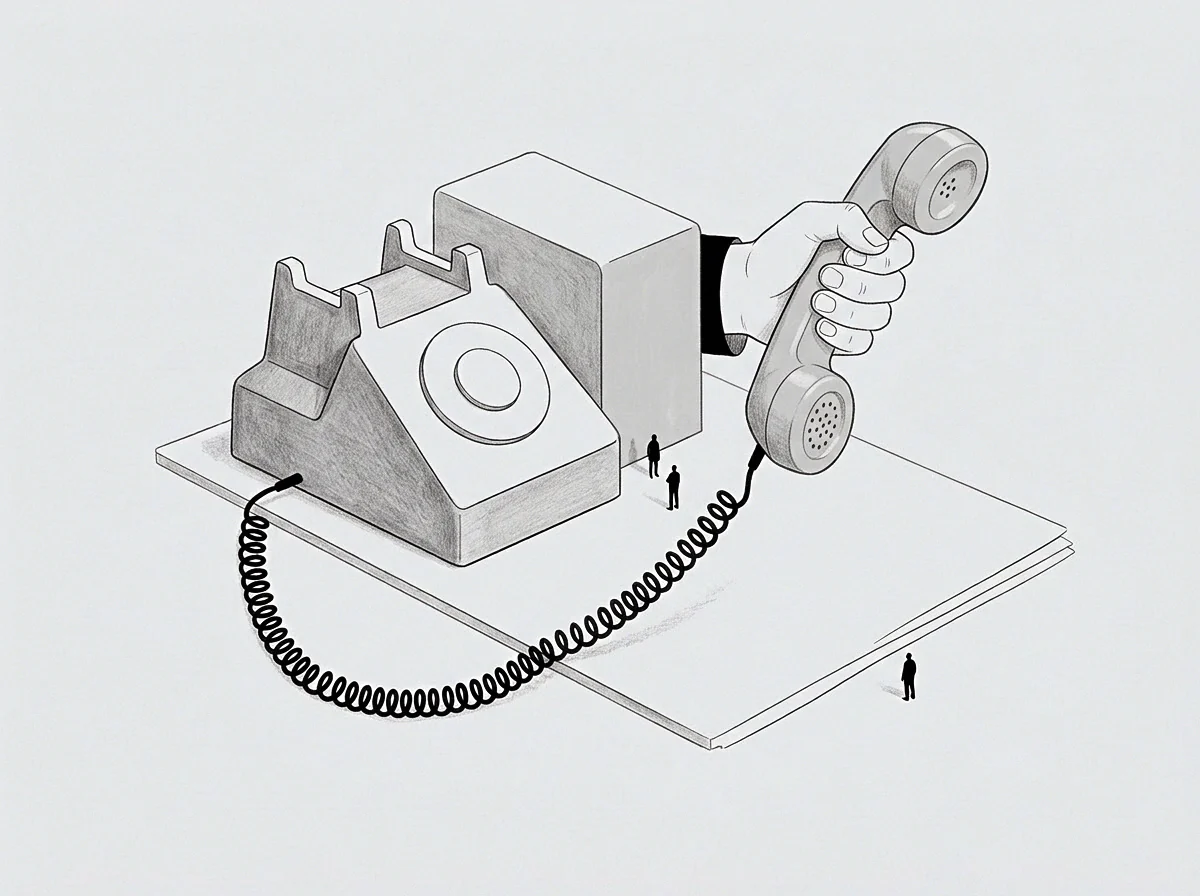
Sympathetic Tone and Glucose Utilization
Cerebral tissue comprises two percent of total body mass yet consumes twenty percent of resting metabolic energy. In a state of social isolation, this consumption climbs dramatically as the anterior cingulate cortex and dorsolateral prefrontal regions work overtime to repress autonomic panic. Neurons demand steady adenosine triphosphate, pulling free glucose directly from systemic circulation.
The brain hoards fuel while peripheral muscles and digestive organs starve, producing profound lethargy alongside intense mental agitation.
Prolonged solitary regulation acts like a high-friction engine running without oil: the faster the operator pushes the machine to solve strategic problems, the hotter the internal components burn until structural seizure halts performance.

Gauge
Accurate instrumentation reveals how deeply solitary responsibility erodes autonomic flexibility. Heart rate variability serves as the clearest physiological window into autonomic balance, reflecting the beat-to-beat adjustments orchestrated by the vagus nerve. High variability indicates robust parasympathetic control, cellular resilience, and wide operational headroom.
When a leader spends quarters managing unshared survival risks, high-frequency heart rate variability collapses into a rigid, invariant rhythm. Silence carries an operational price.
Monitoring this trajectory requires observing systemic indicators that precede overt clinical breakdowns. Autonomic degradation follows an orderly sequence of measurable collapses:
- Cardiac deceleration capacity drops toward zero as parasympathetic modulation retreats from the sinoatrial node during night hours.
- Nocturnal vascular resistance remains elevated, preventing core body temperature from dropping through peripheral heat venting during slow-wave sleep.
- Systemic glycemic volatility appears as cellular insulin receptors downregulate in response to steady afternoon catecholamine surges.
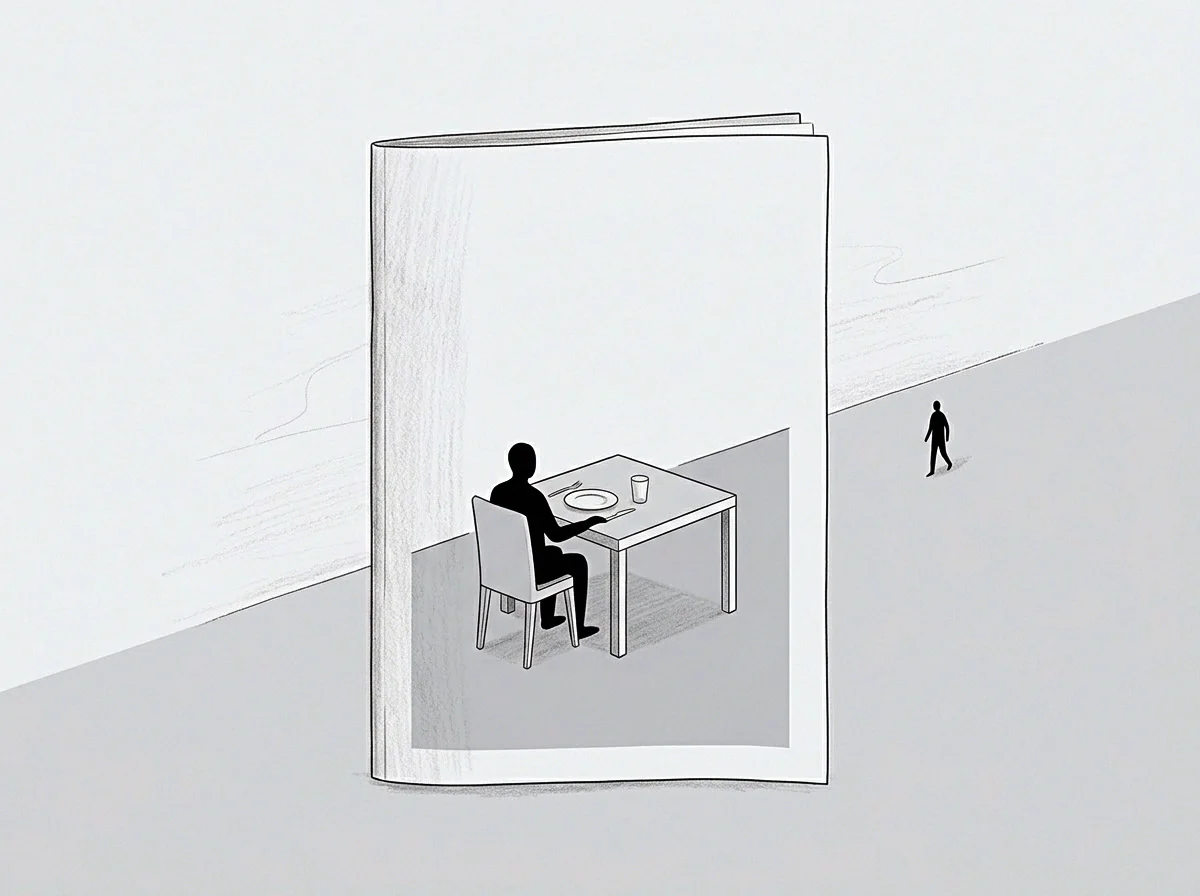
Heart Rate Variability Recovery Dynamics
Recovery intervals define biological capacity more accurately than peak performance spikes. Following a hostile contract negotiation, a resilient autonomic system initiates vagal deceleration within ten minutes of the event closing. The breathing rate settles, peripheral capillaries dilate, and salivary alpha-amylase levels decline toward resting parameters.
The body clears adrenergic residue and returns to restorative homeostasis.
Under prolonged solitary regulation, this deceleration fails entirely. The isolated operator remains trapped in sympathetic hyperarousal for six hours after an antagonistic call, replaying sentences and projecting catastrophic downstream risks. The missing co-regulator leaves the neural circuitry without an external pacing signal to confirm safety.
Resting biology refuses to reset, converting acute operational friction into chronic tissue degradation.
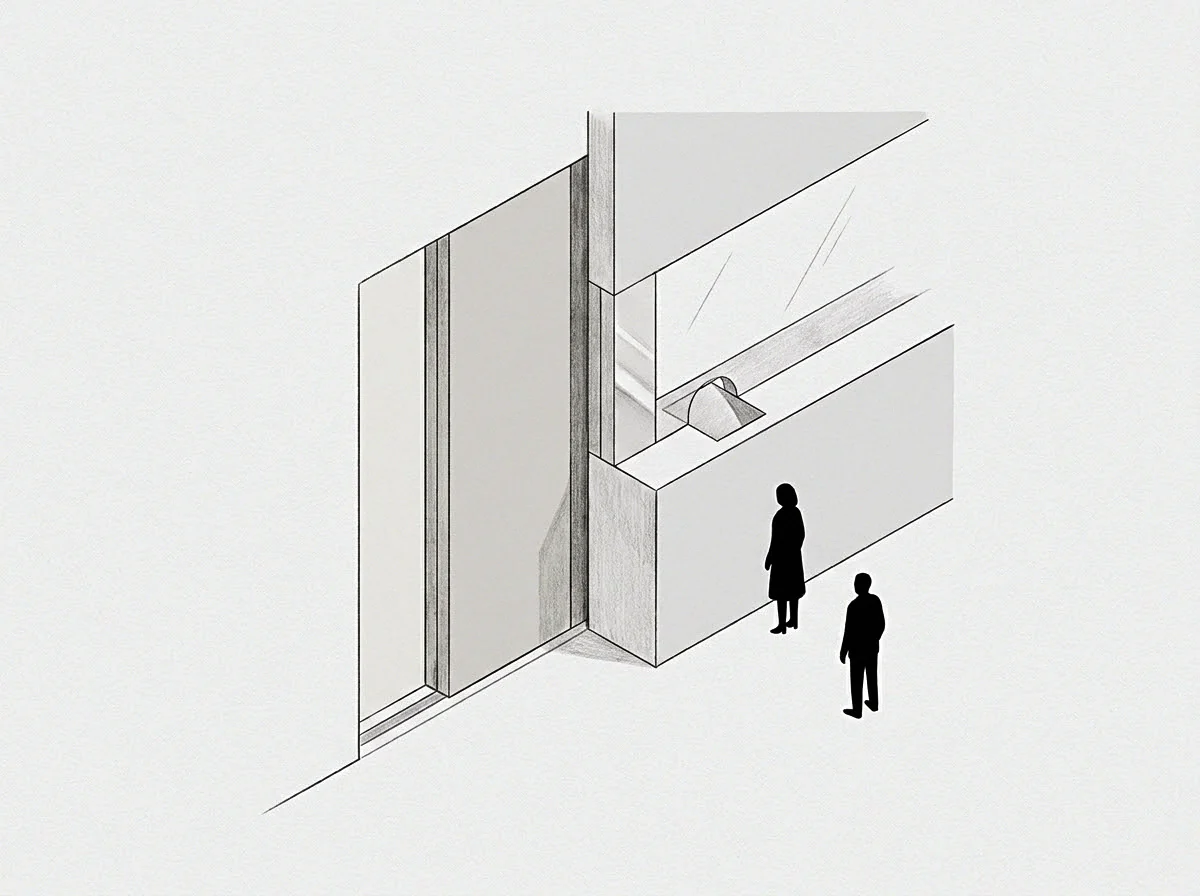
The Asymmetry of Unshared Accountability
The founder internalizes an operational template where responsibility flows exclusively outward. Staff members receive support, guidance, and emotional stability from the leader, while the leader receives only additional escalations, operational demands, and performance evaluations. This asymmetric dynamic trains the nervous system to associate interpersonal contact with metabolic expense rather than metabolic restoration.
Relational proximity becomes a source of threat rather than safety. Solitary vigilance becomes an entrenched habit.
Can a solo operator intentionally rebuild parasympathetic flexibility while remaining under uninterrupted fiduciary accountability?

Ground
Updating an exhausted autonomic baseline requires actual sensory experience rather than intellectual insight. An isolated executive cannot think their way into biological restoration while sitting alone in the same seat that generated the sympathetic debt. The prefrontal cortex cannot persuade the brainstem that the environment is safe while the sensory apparatus confirms that the human organism remains physically unprotected and socially unanchored.
The nervous system requires somatic evidence of a responsive other.
Earned security develops when an isolated professional deliberately places their nervous system in proximity to another regulated nervous system that asks for nothing. This entails regular, structured contact with a peer who bears comparable structural weight and displays autonomic steadiness under identical market pressures. Sitting in a room with an equal who does not borrow calm, who does not demand reassurance, and who remains somatically calm during high-stakes evaluations provides the missing external regulator.
The ventral vagal complex detects the unthreatened posture, the steady vocal cadence, and the absence of predation, permitting the solitary leader’s vagal brake to engage without conscious effort.
A second template forms through repeated physiological encounters with a peer who absorbs structural reality without transferring panic.
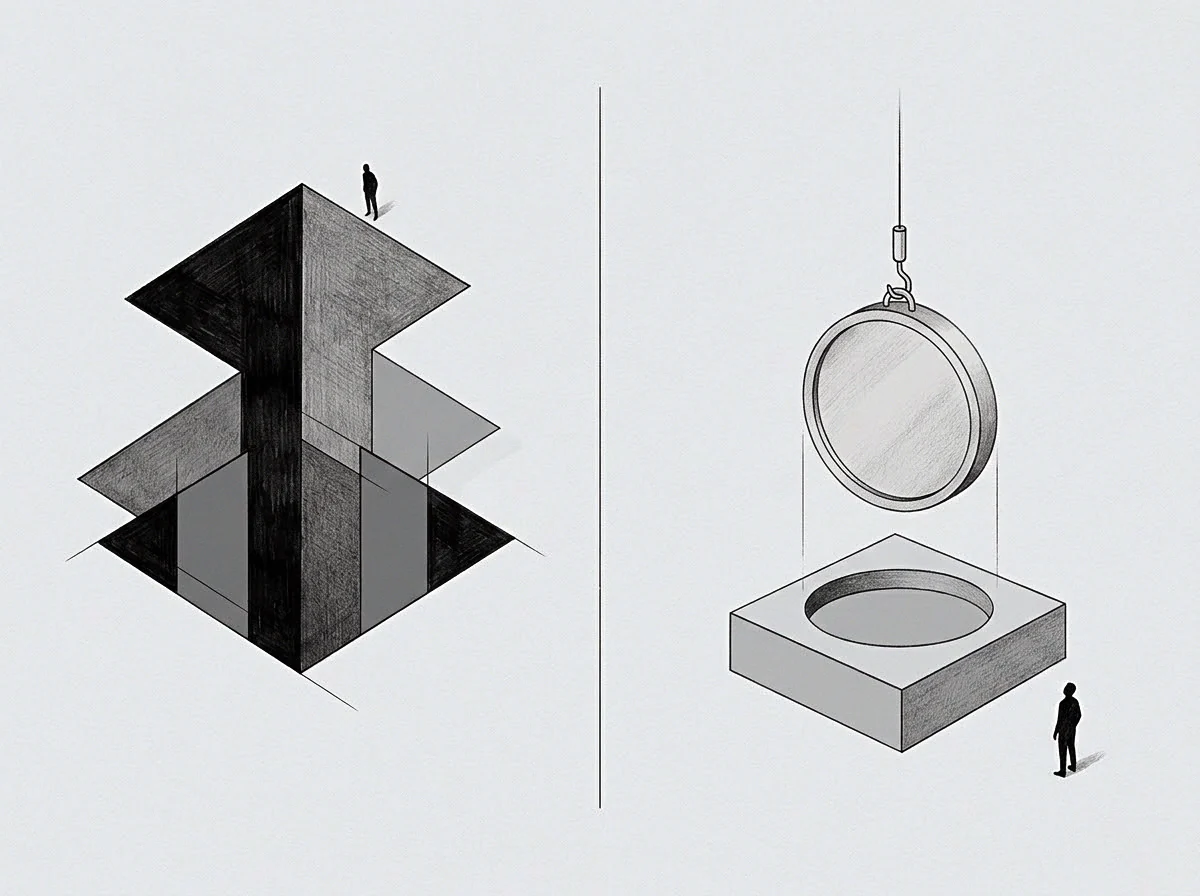
Second Template Formation Through Shared Reality
Building this second regulatory pattern requires months of deliberate, repetitive relational exposure. The isolated operator must experience repeated instances where severe operational disclosures do not trigger panic or abandonment from the counterpart. When catastrophic business news is met with steady gaze, grounded breathing, and practical tactical evaluation by an unshakeable peer, the central autonomic network updates its predictive models.
The brain registers that threat does not need to be faced alone.
Over time, the metabolic price of threat monitoring recalibrates toward species-typical baselines. The brain reduces baseline prefrontal glucose allocation because threat calculations can once again be offloaded onto a shared relational field. Cortisol awakening responses regain their morning peak, night-time vascular resistance falls, and heart rate variability recovers its broad, adaptive spectrum.
The professional moves from solitary survival physiology into sustainable operational interdependence.
Earned Security Beyond Intellectual Insight
Intellectual comprehension of social baseline theory changes nothing inside the adrenal cortex. A leader can lecture eloquently on attachment styles, autonomic physiology, and polyvagal theory while their coronary arteries calcify under unshared adrenergic storms. Only visceral exposure to a dependable counterpart rewrites the neural baseline.
The receptor slot for receiving support grows through the actual experience of being held under fire. The operator accepts that holding the line alone was an expensive adaptation to an unshared seat, establishing a new operating reality anchored in reciprocal strength.