

Autonomic Tone Modulation During Domestic Co Presence After Prolonged Isolation
Solitary focus shifts the central nervous system to high sympathetic tone, causing domestic co-presence to initially register as an unexpected sensory load.
Solitary focus shifts the central nervous system to high sympathetic tone, causing domestic co-presence to initially register as an unexpected sensory load.
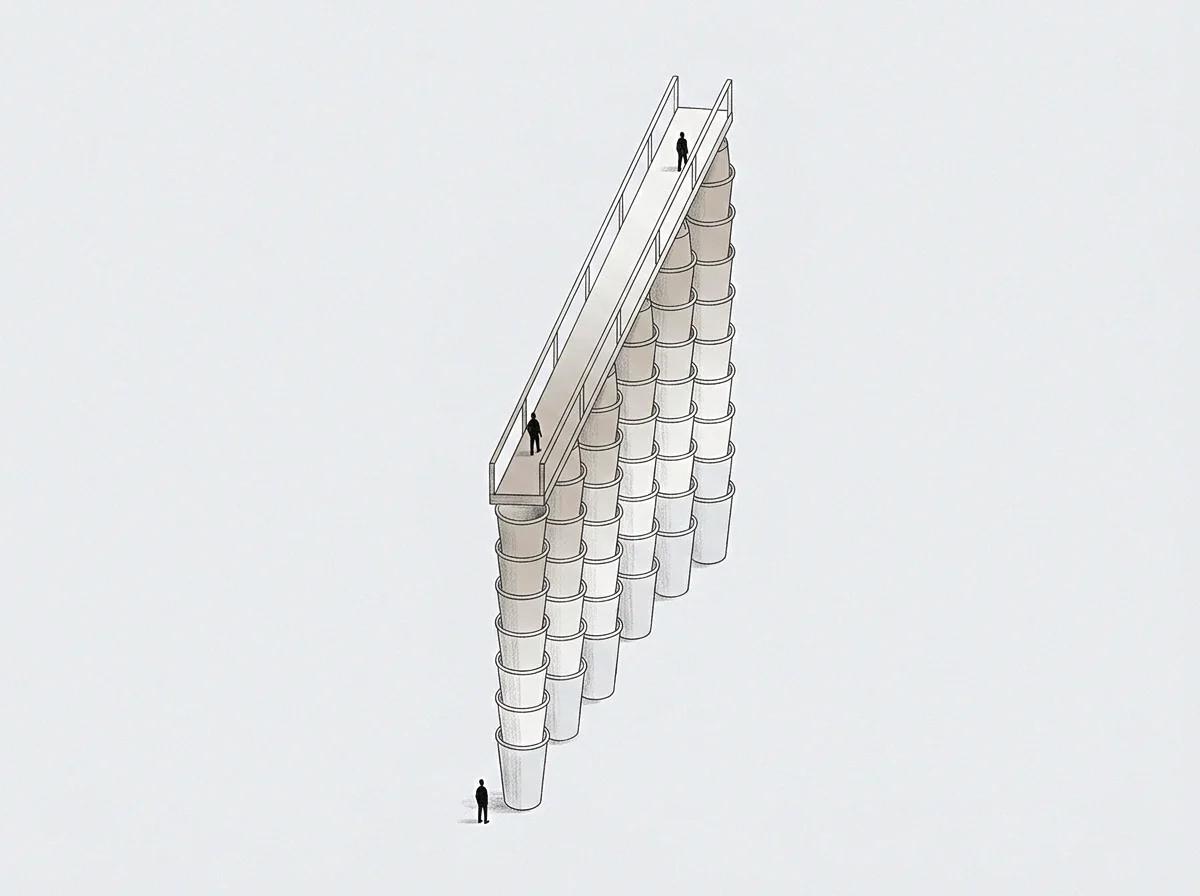
Operational panic concentrates into the calmest executive present whose nervous system absorbs the metabolic cost of stabilizing the entire leadership circle.
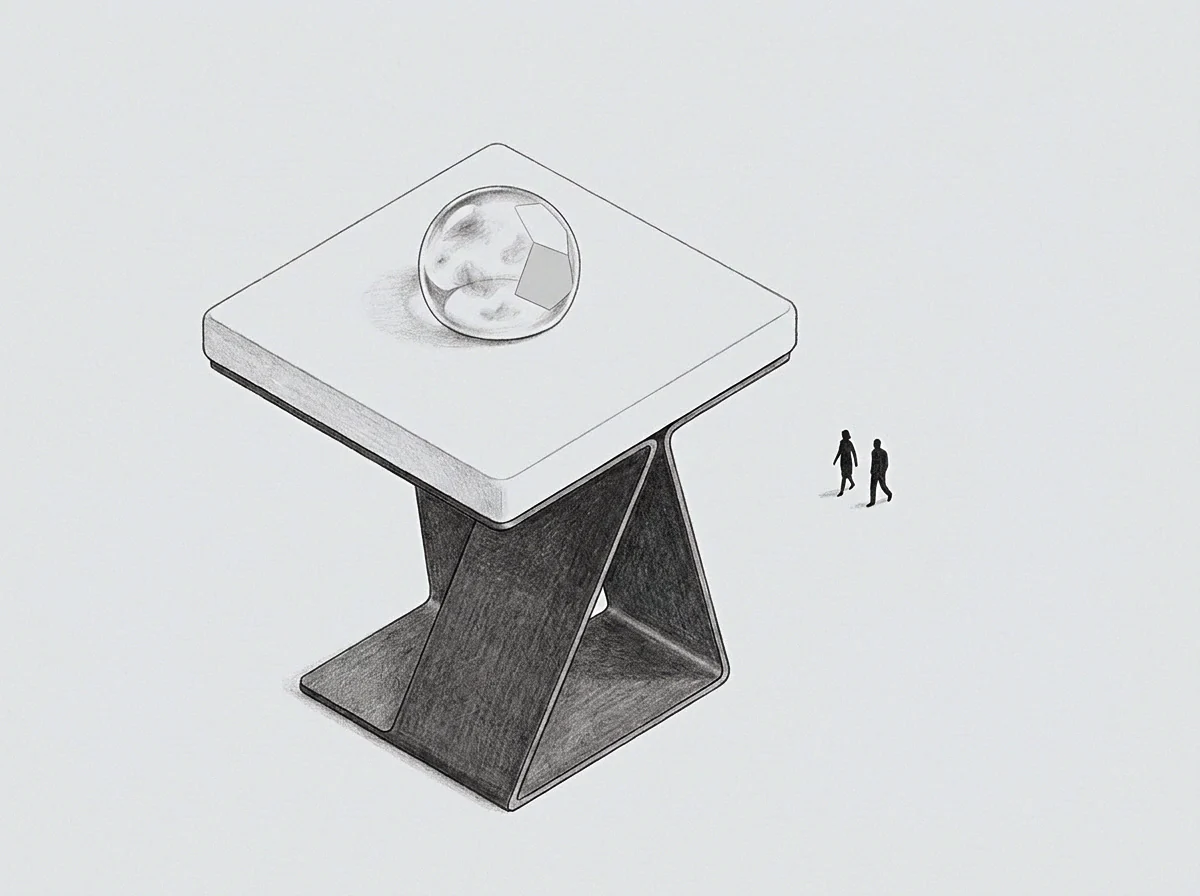
Systemic boundaries protect venture capacity by gating operational acts on objective system state metrics rather than continuous interpersonal decision making under load.

Management converts formal board governance covenants into operational spending limits by establishing internal buffers below statutory approval thresholds.
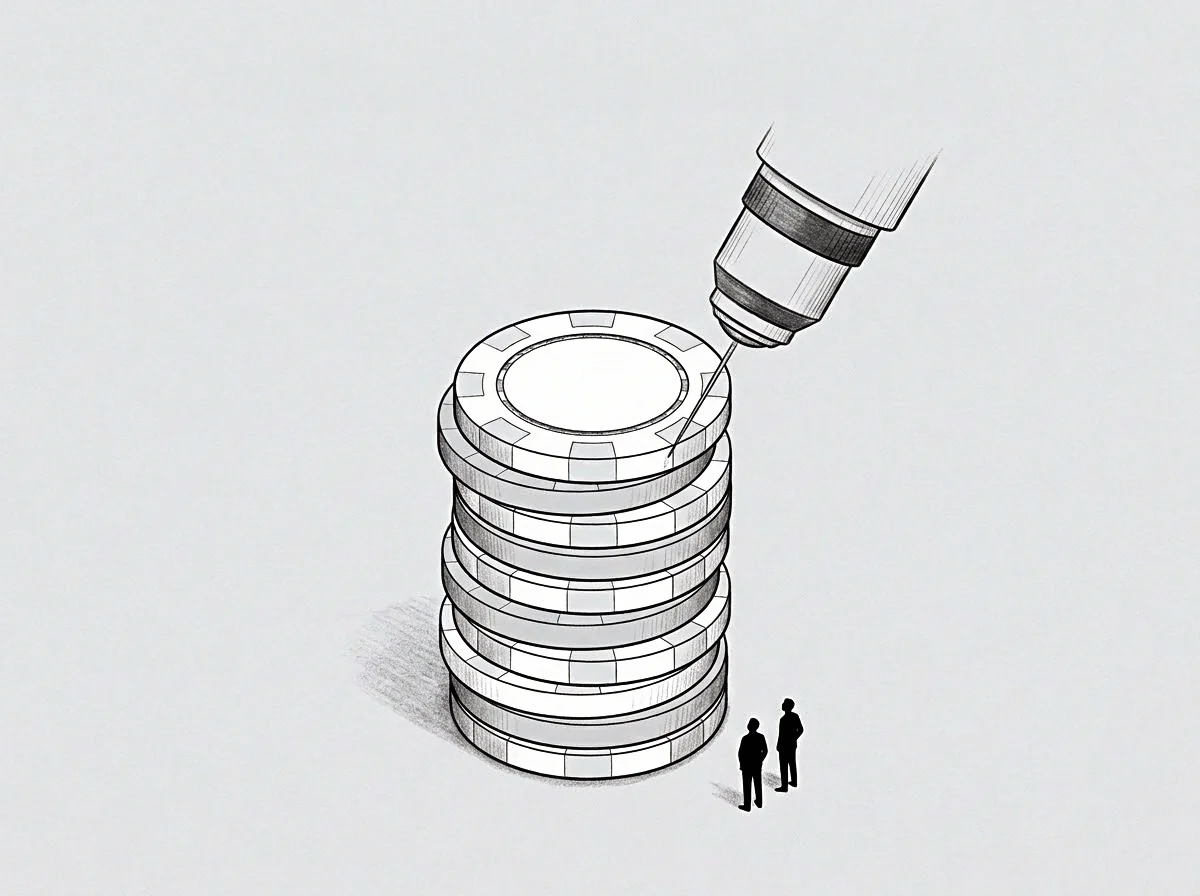
Stated capacity bounds transfer operational load and state gated authorization protects governance integrity during acute stress.
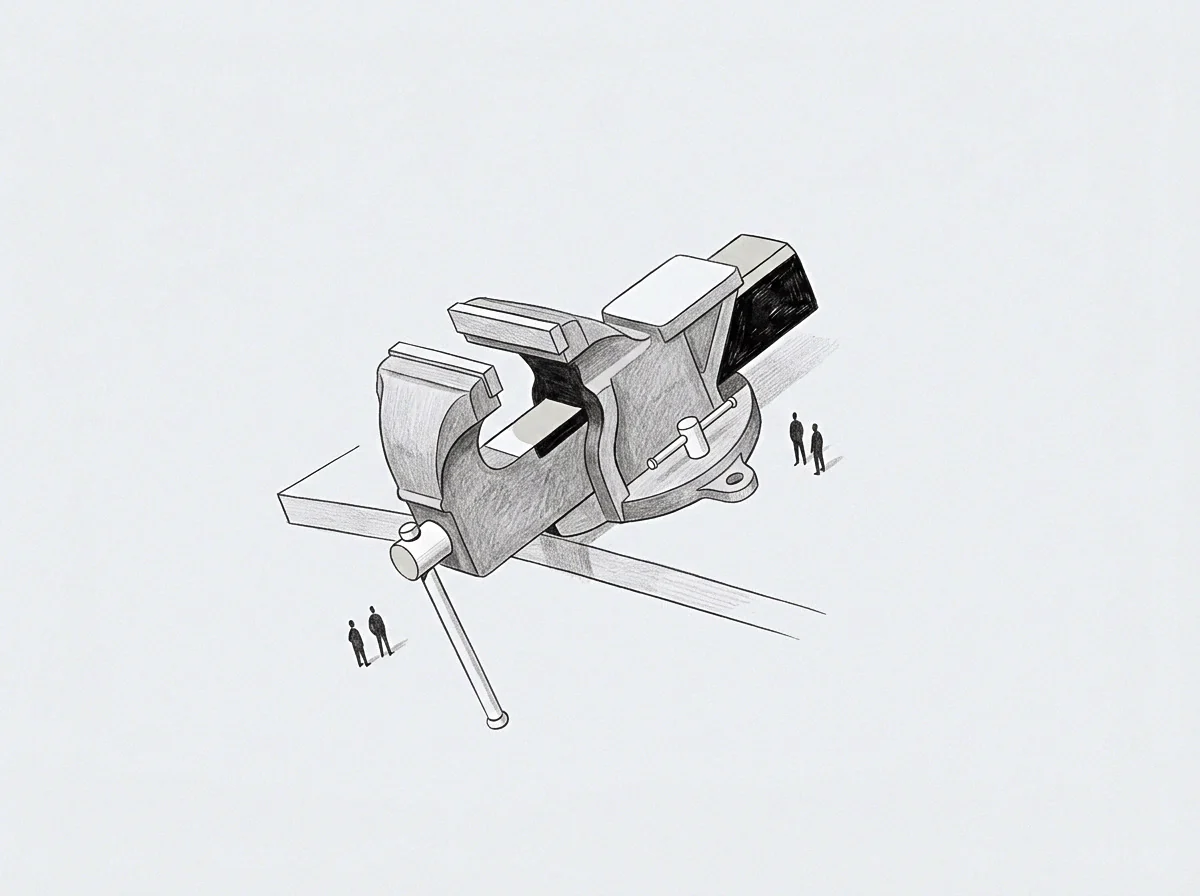
Autonomic regulation recovers when sustained solitary load gives way to repeated physical co-regulation, updating the internal baseline from threat to safety.

Unilateral relational regulation exhausts prefrontal metabolic reserves, inducing allostatic overload when executive support lacks bioenergetic reciprocity.
The terms are written where they belong. Each field holds three desks, and every entry a desk writes raises the terms it uses, each term given a meaning, a mechanism and the places it appears. The record on these pages stays first person and hand made; the fields grow the nomenclature.