
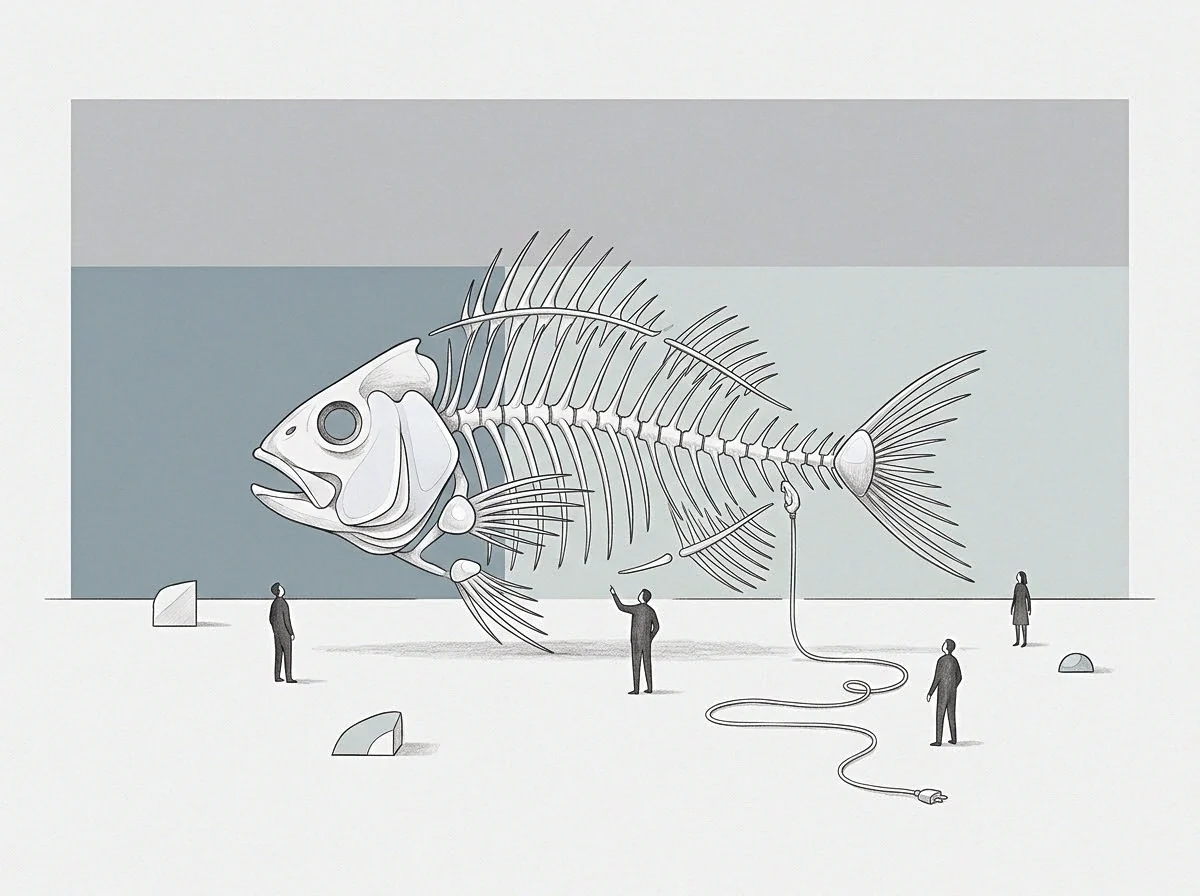
Physiological Cost Of Unilateral Co Regulation In Operational Environments
Unilateral co-regulation forces an operator to metabolize organizational panic through chronic prefrontal inhibition, depleting neuroendocrine reserves.
Unilateral co-regulation forces an operator to metabolize organizational panic through chronic prefrontal inhibition, depleting neuroendocrine reserves.
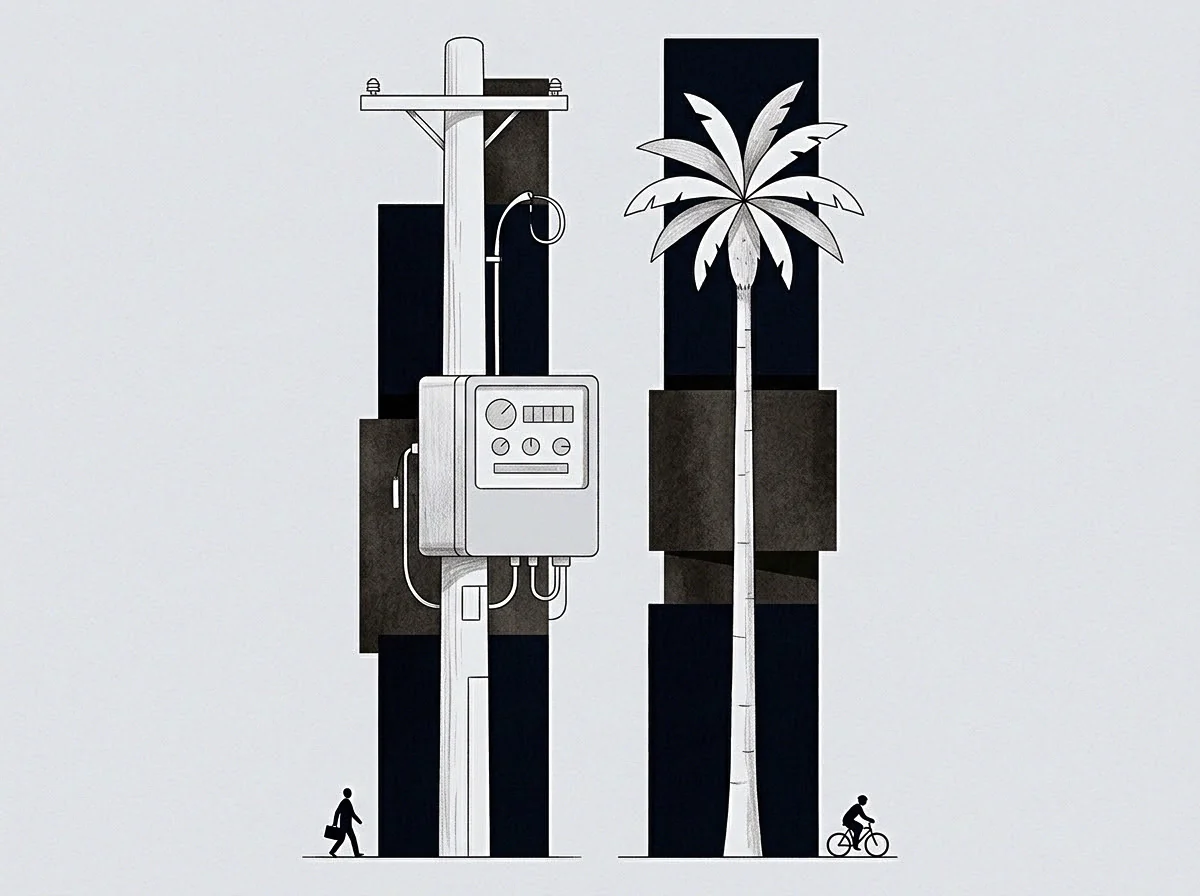
Allostatic load in solitary venture leaders stems from unreciprocated down-regulation of organizational panic through an isolated prefrontal cortex.

Cardiovascular recovery after acute stress depends on rapid vagal reactivation overriding sustained peripheral vascular resistance once operational hazards end.
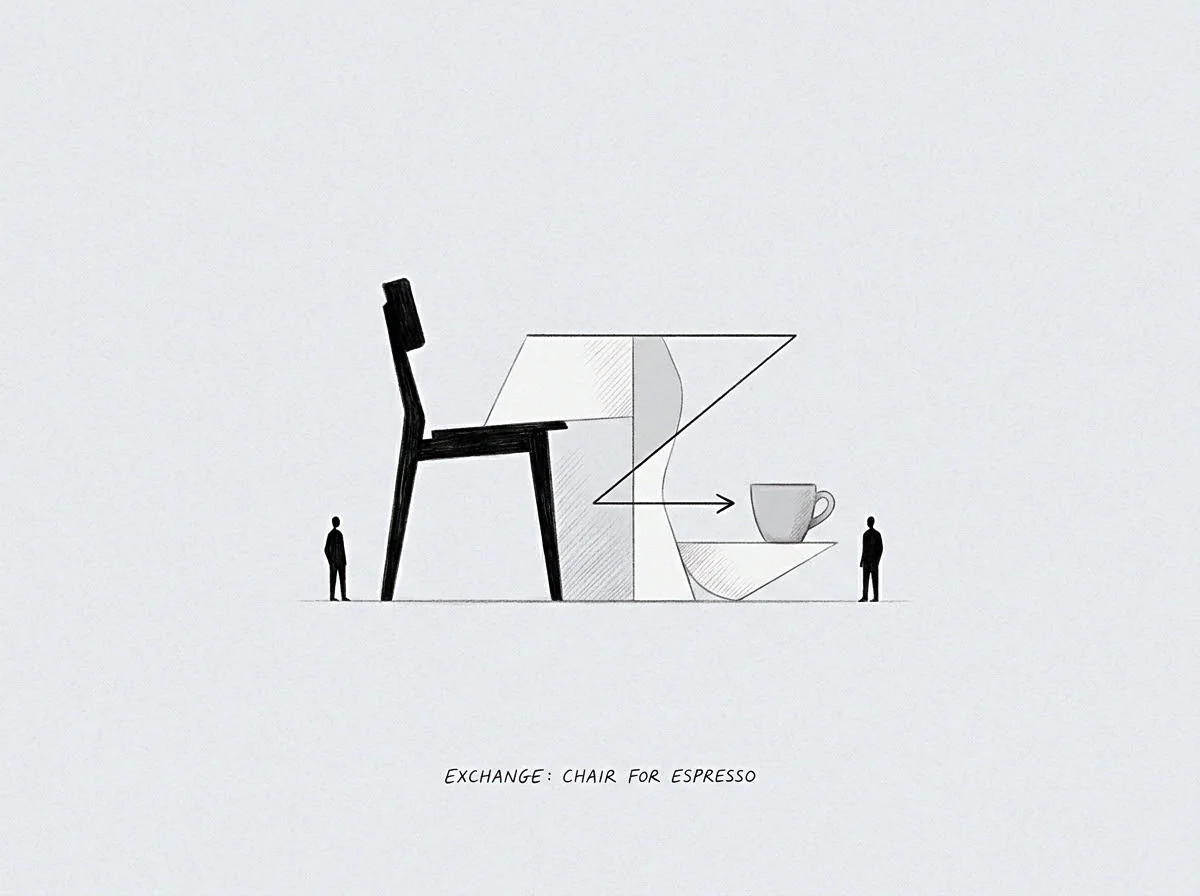
Social baseline economics shows that professional dyads share regulatory load, where one partner's steady physiological state lowers another's metabolic stress cost.
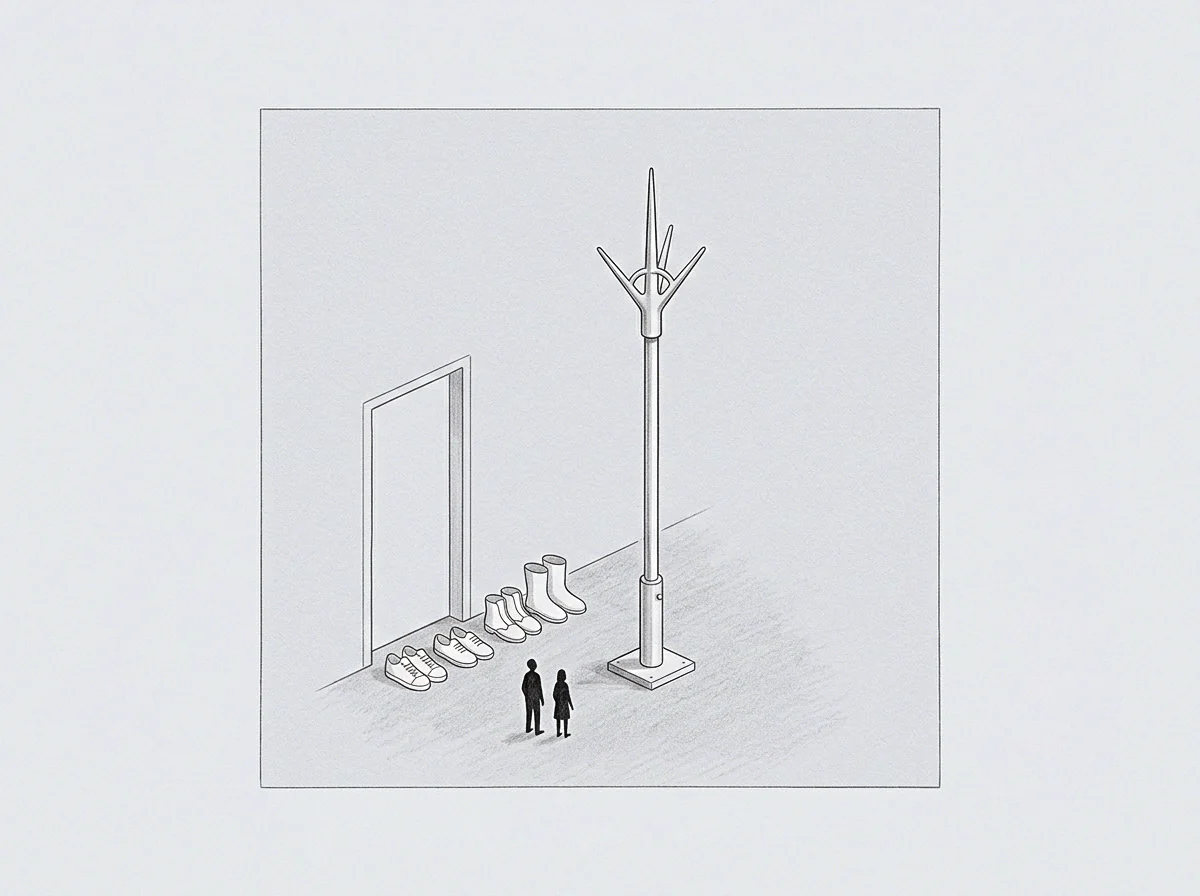
Unresolved operational threads maintain central nervous system vigilance, suppressing the vagal brake and preventing nocturnal parasympathetic cardiac recovery.
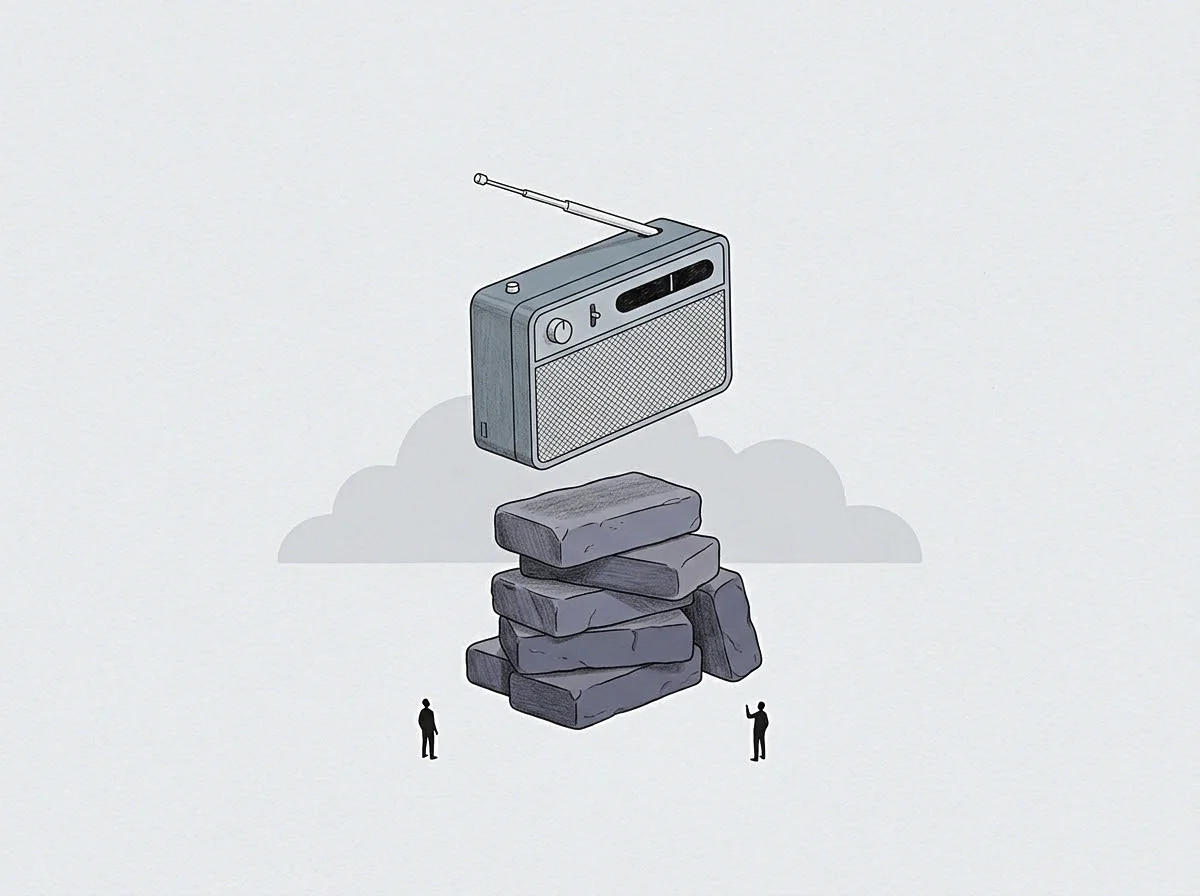
Structural gating protocols preserve executive autonomic headroom by converting continuous real-time coregulation into bounded asynchronous communication threads.

Years of continuous organizational threat flatten the diurnal cortisol slope, driving adrenal hypocortisolemia and systemic inflammatory fatigue.
The terms are written where they belong. Each field holds three desks, and every entry a desk writes raises the terms it uses, each term given a meaning, a mechanism and the places it appears. The record on these pages stays first person and hand made; the fields grow the nomenclature.