

Evaluating Load Transfer Mechanics When Governance Terms Meet Live Volume
A governance term transfers live volume away from personal executive stamina only when threshold breaches activate automated deflection rather than consultation.
A governance term transfers live volume away from personal executive stamina only when threshold breaches activate automated deflection rather than consultation.

Systemic boundaries enforce operational capacity through objective setpoints that automatically shed load when incoming volume exceeds physical structural limits.

Executive discretion in silent covenants is held by executing actions directly and rerouting informal shareholder inquiries to formal board dockets.

Downstream autonomous execution accelerates incoming volume while funneling concentrated edge cases to human supervisors, causing cognitive collapse without hard limits.

Unannounced upstream processing delays force downstream teams to buffer work, inflate batch sizes, and substitute informal lateral agreements for direct review.

Formal operating constraints protect human nodes in distributed capital networks by mechanizing transaction latency and boundaries before biological exhaustion.

A stated capacity wall establishes an operational intake limit before workload transfers, forcing collaborative systems to route surplus demand elsewhere.

Structural corporate deficiencies transfer directly into human physiology when organizational buffers are absent, terminating in autonomic threshold failure.

Resolving co-founder operational failures requires converting unstated capacity limits into explicit governance pacts that halt informal load transfer.

Stated operating limits function as structural walls that reallocate load, ending implicit emotional absorption across pressurized executive partnerships.

Structural availability is derived by measuring actual task queue drain rate and completion latency against arrival volume rather than message acknowledgment speed.

State gated task routing restricts execution intake to verified physiological reserves, arresting load transfer through impersonal mechanical boundaries.
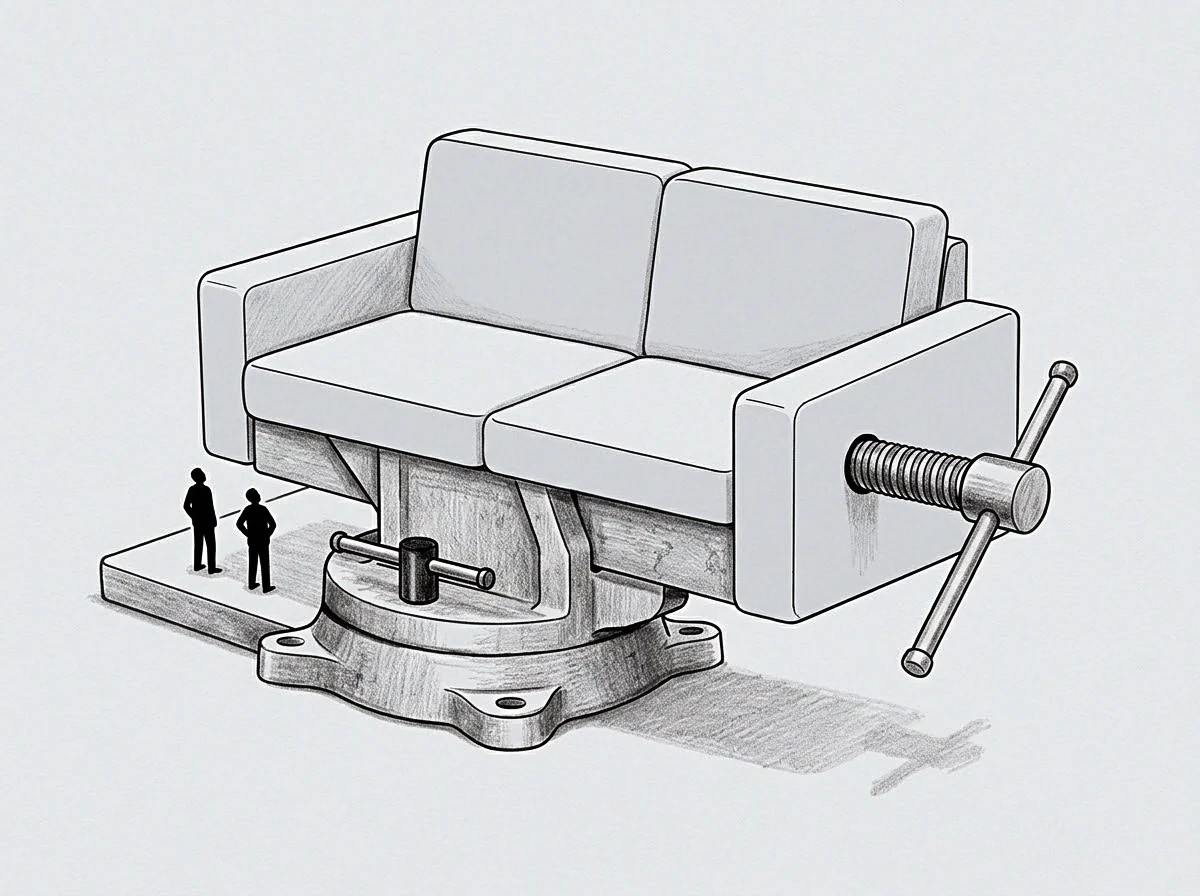
Structural separation removes an executive from direct production tasks, isolating enterprise governance authority from daily tactical operations.

Capacity partitioning protects executive reserves under high operational load by replacing personal tolerance with mechanical boundaries and throttles.

Operational decay ceases when founder authority transfers from informal human co-regulation to deterministic, metric-bounded proxy governance bodies.

Contractual operating limits replace individual stamina by turning operational limits into non-negotiable legal and mechanical constraints across layers.

Strategic direction survives founder depletion when operating priorities transfer from active daily presence to explicit negative constraints and written terms.
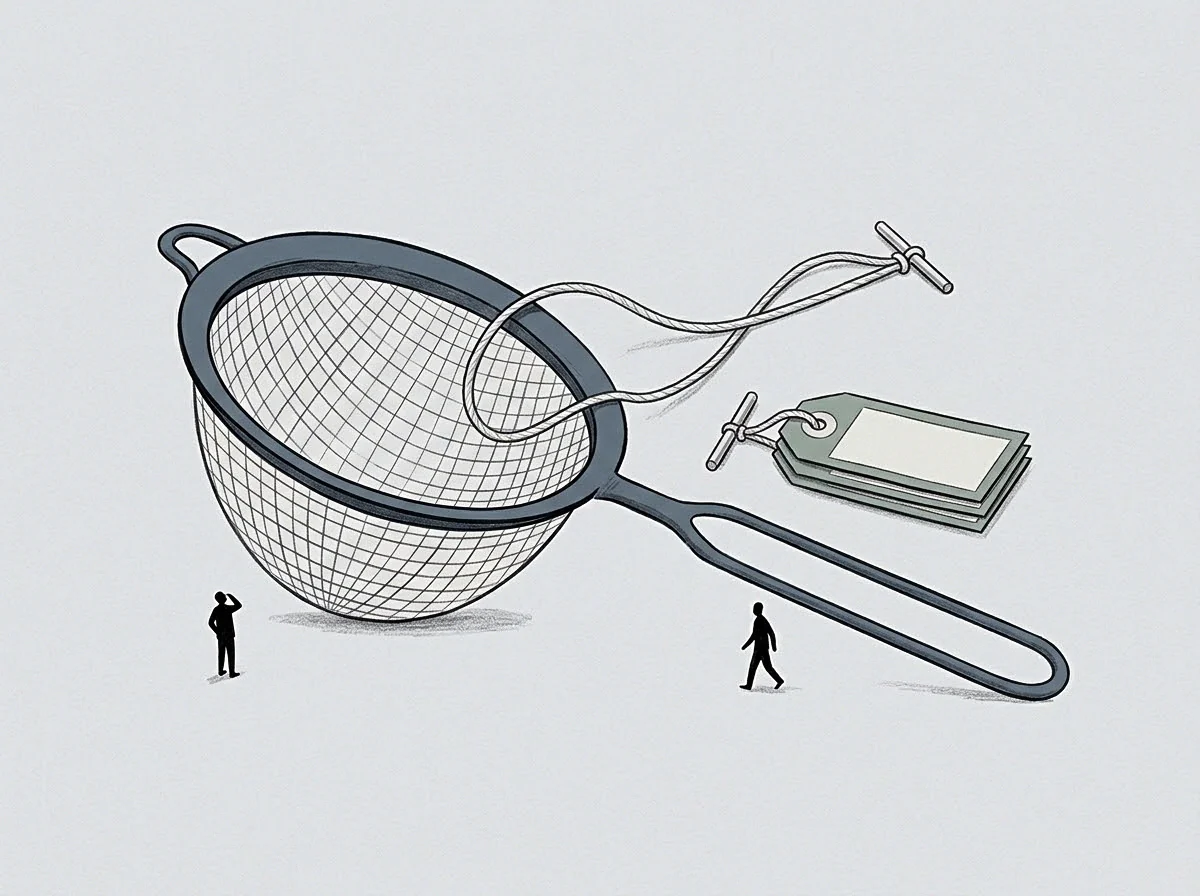
Asynchronous filter structures preserve executive headroom during outages by converting intrusive escalations into batch updates at enforced physical boundaries.
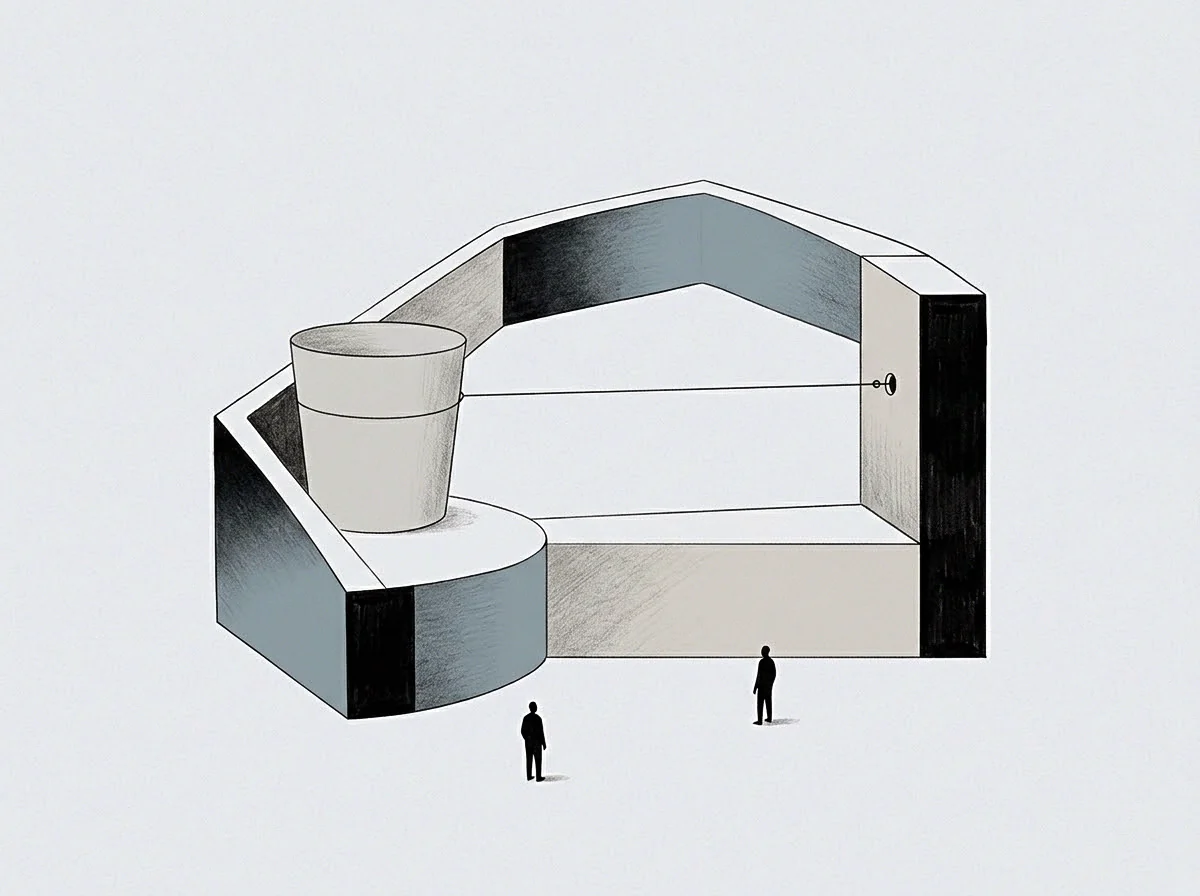
Counterparties adapt to enforced latency boundaries by probing alternative channels, consolidating query payloads, and shifting toward internal problem resolution.

Structural latency protocols enforce mandatory temporal delays between message receipt and evaluation, preserving working memory headroom for executive function.
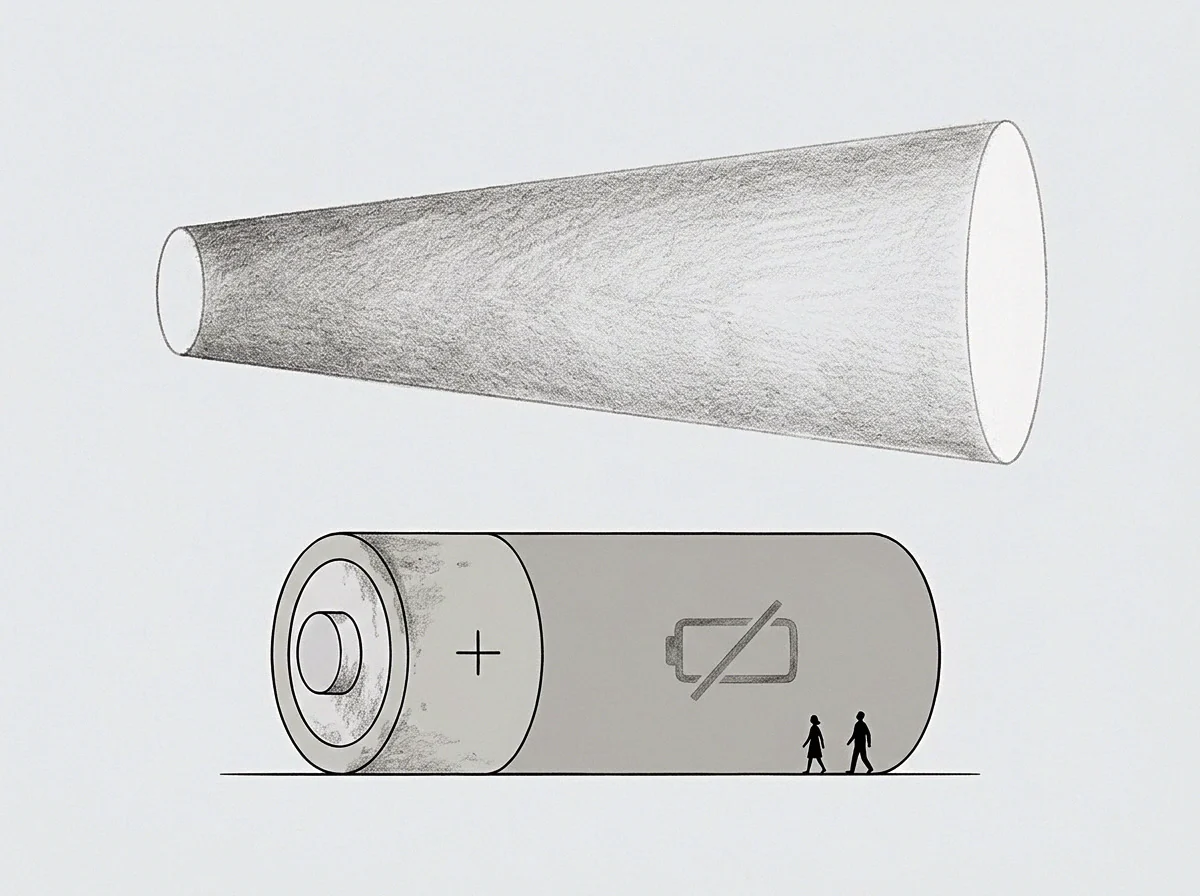
Structural terms replace human endurance with explicit operational constraints, rerouting institutional demand before it depletes biological reserves.

A stated limit acts as a structural wall that transfers operational load back to its source by establishing clear friction for unbudgeted capacity demands.
State-gated authorization protocols evaluate system telemetry rather than human discretion to permit or reject transactions during extreme operational load.
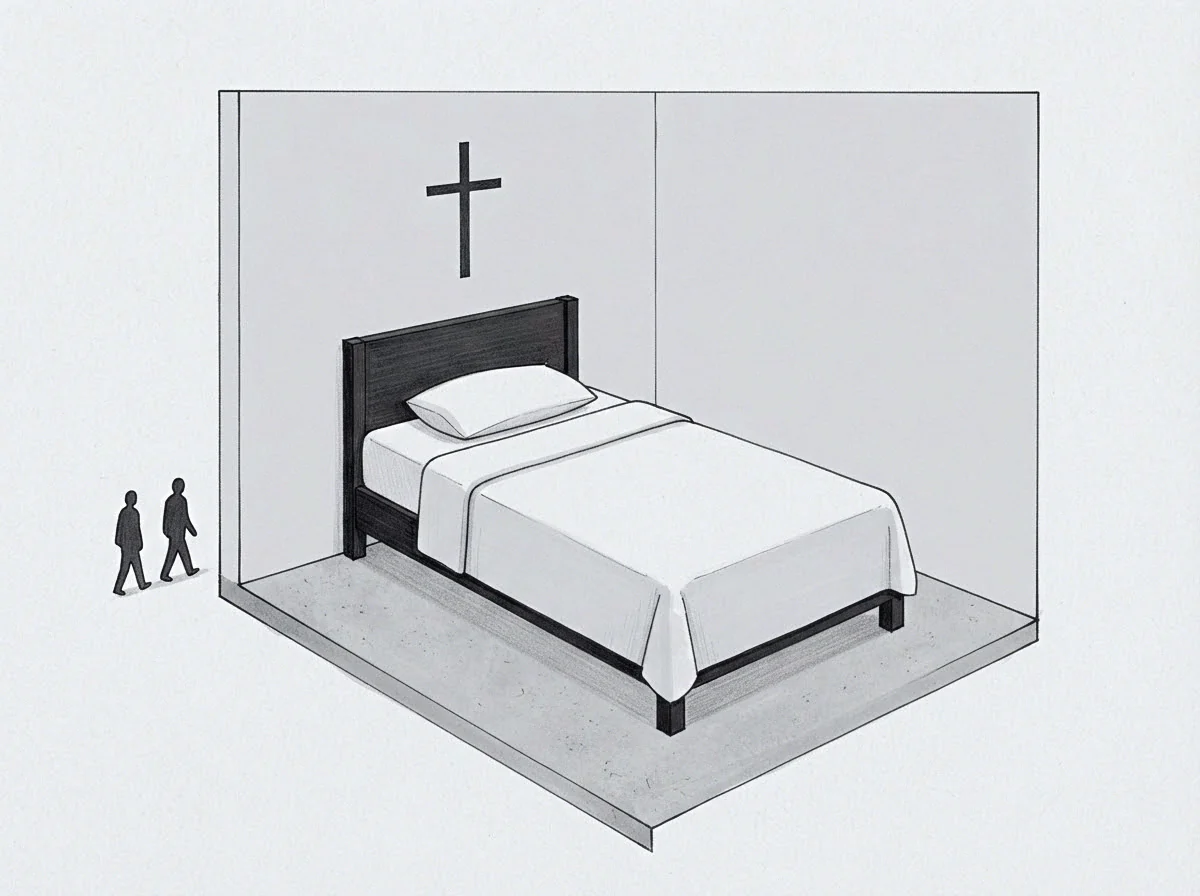
Stated capacity bounds protect executive governance by replacing human endurance with explicit structural refusal rules that halt external load transfers under strain.

Physical fatigue delays risk processing across governance boards, converting decision latency into unmonitored structural exposure that preset limits contain.
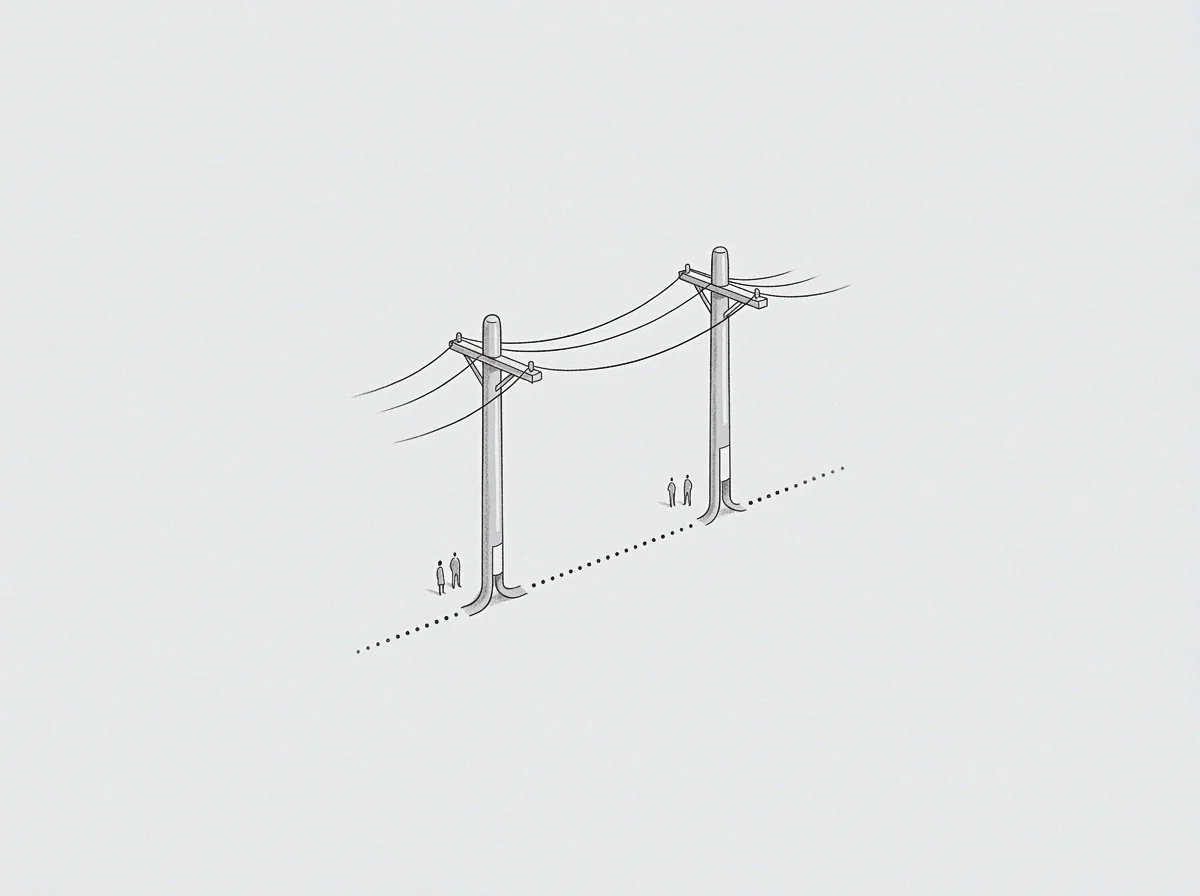
Continuous communicative concurrency injects background noise into neural processing, degrading evidence accumulation rates and forcing premature decision boundary collapse.
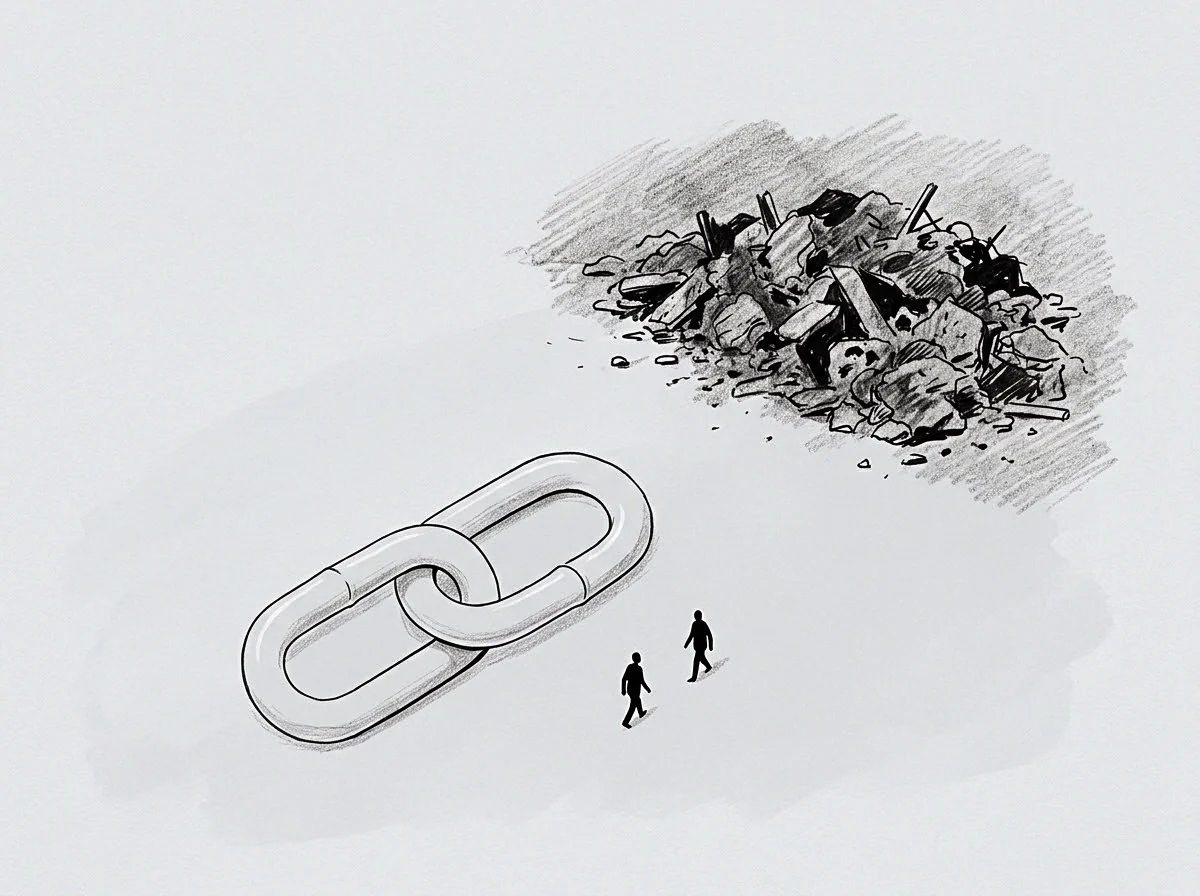
Executive capacity limits emerge when stated operational limit conditions establish explicit walls that stop external system load transfer.
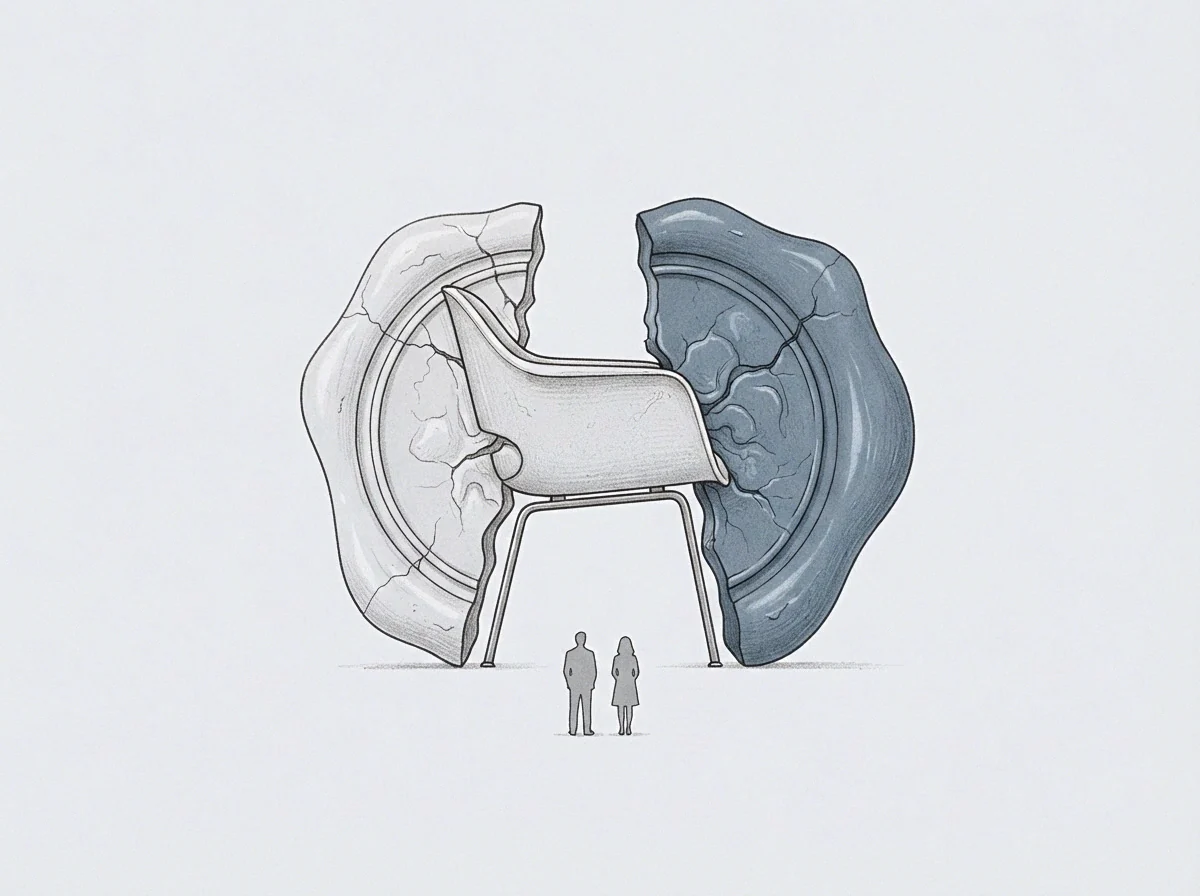
An isolation interval breaks when external signaling penetrates set boundaries, requiring explicit state gated filters to reestablish focused synthesis.

Decoupling immediate availability demands reduces sympathetic arousal, restores vagal tone, and stabilizes autonomic baselines during rapid product iteration.

Versioned asynchronous state repositories transfer cognitive context from human memory to durable records, eliminating adrenal surges caused by live interruptions.
The terms are written where they belong. Each field holds three desks, and every entry a desk writes raises the terms it uses, each term given a meaning, a mechanism and the places it appears. The record on these pages stays first person and hand made; the fields grow the nomenclature.