Meaning
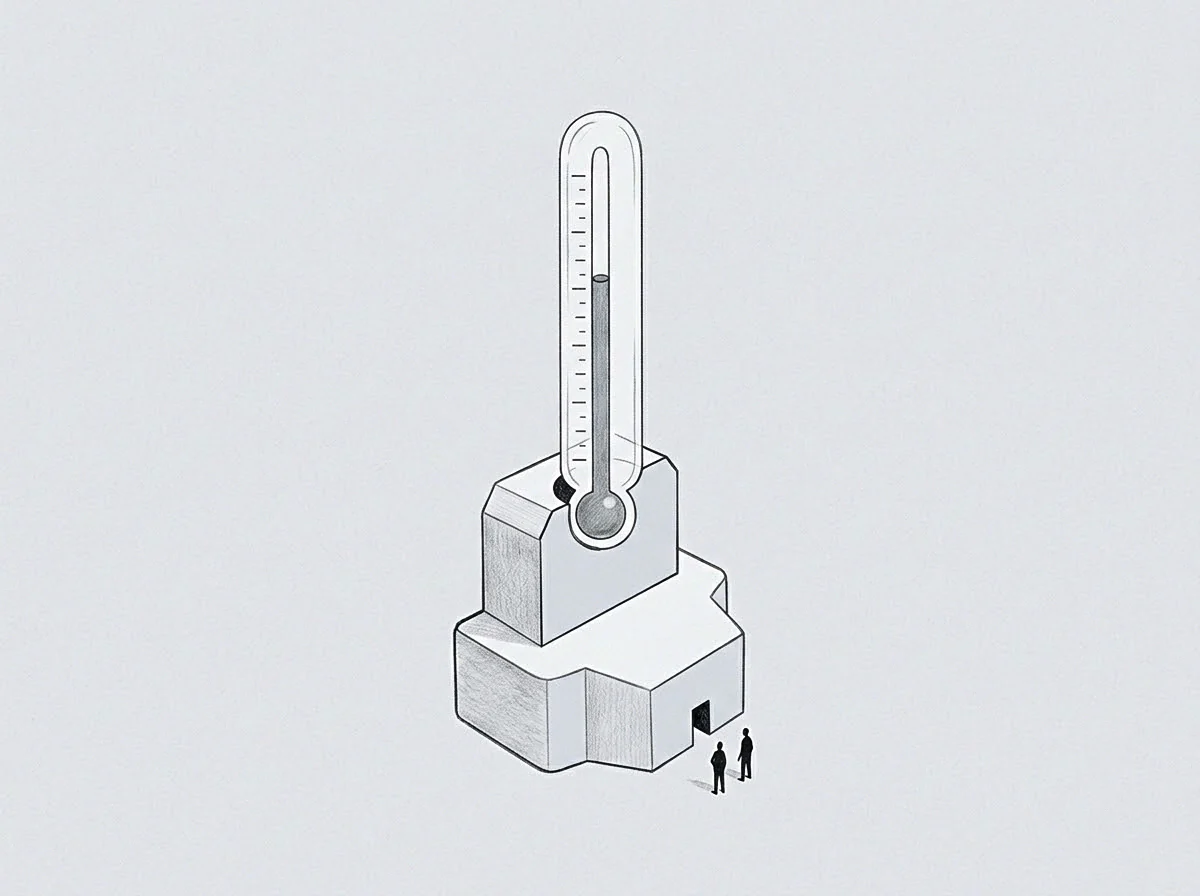
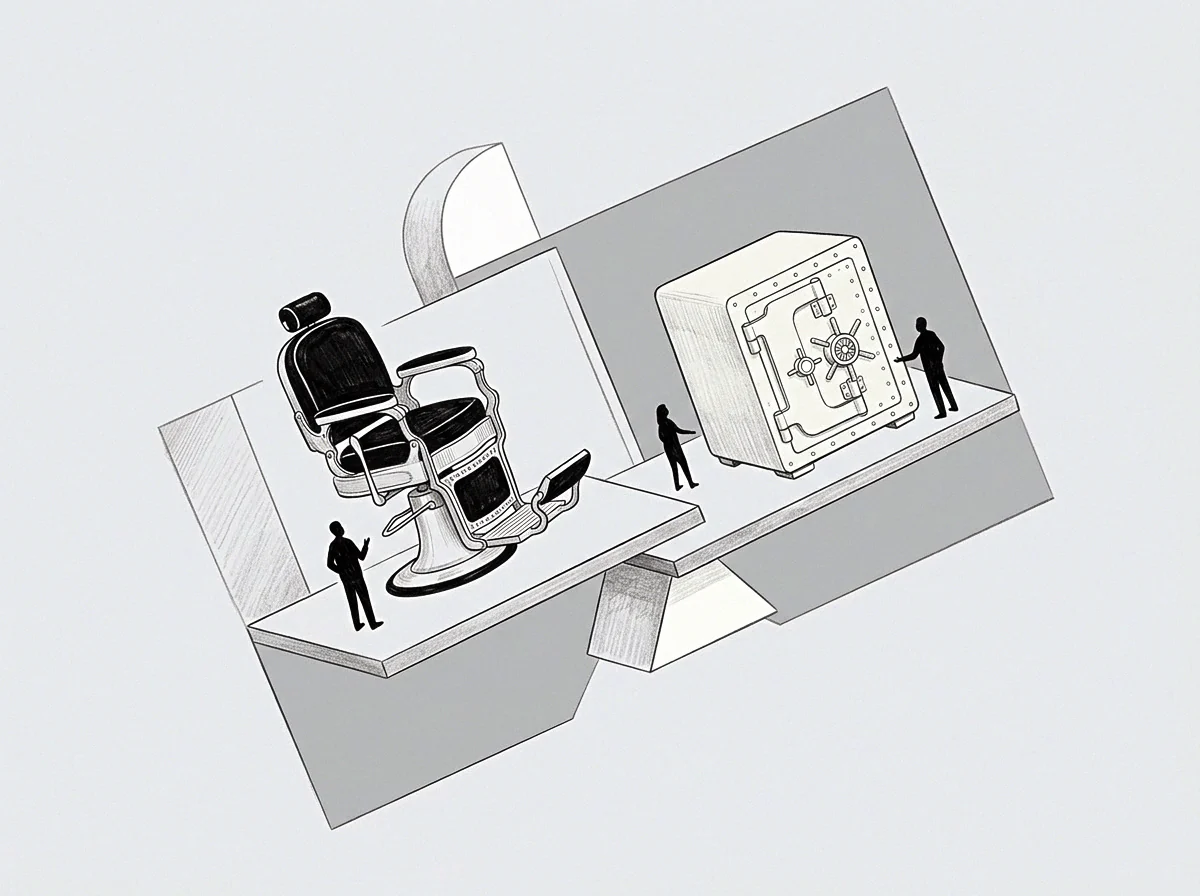
The strategic allocation of tasks and responsibilities across a team or leadership group prevents any single person from being overwhelmed. Effective load distribution ensures that operational and mental demands are shared in a way that matches each member’s skills and energy. This practice is crucial for maintaining a high level of performance across the entire organization over time, preventing individual stress from creating systemic bottlenecks that slow down progress.
Organizational Balance
Spreading duties across a wider group reduces the risk of leadership fatigue. In systems with poor load distribution, a few key people often carry almost all the decision-making weight, which leads to slow execution and poor choices. Delegating tasks helps the company remain flexible and responsive.
Capacity Protection
Protecting the attention of founders allows them to focus on long-term strategy and planning. By shielding them from daily minor issues, the company ensures that its most critical decisions receive the thorough analysis they require.
Execution Reliability
Shared responsibilities create redundancy and prevent single points of failure. When multiple team members are capable of executing key tasks, the company can handle unexpected absences or sudden surges in workload without disrupting its operations. This structure strengthens the organization’s overall stability.