

Setting Hard Concurrency Limits Across Isolated Founder Work Threads
Hard execution concurrency limits bound total active work threads to protect central cognitive headroom from allostatic overload and context switching latency.
Hard execution concurrency limits bound total active work threads to protect central cognitive headroom from allostatic overload and context switching latency.
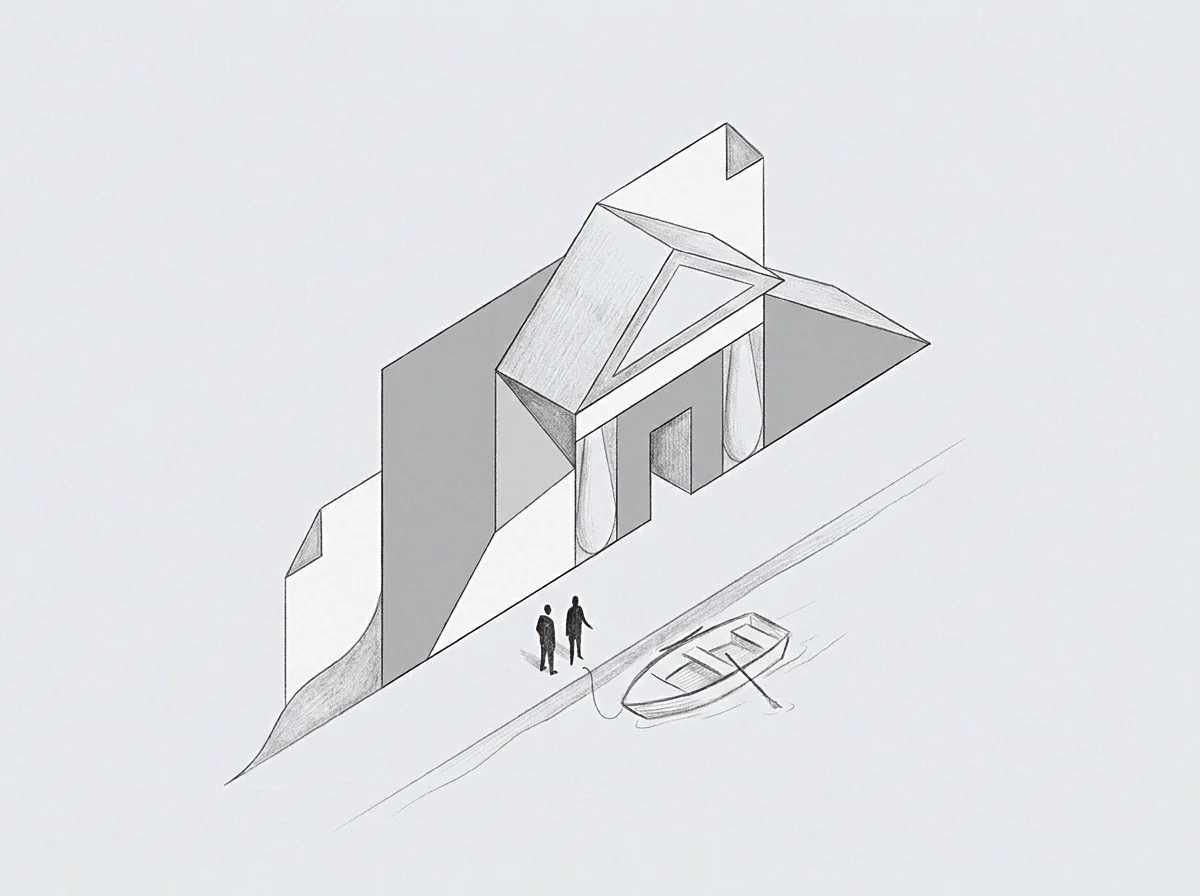
Executive cognitive capacity is protected by decoupling responsiveness through deterministic decision thresholds and asynchronous batch communication.
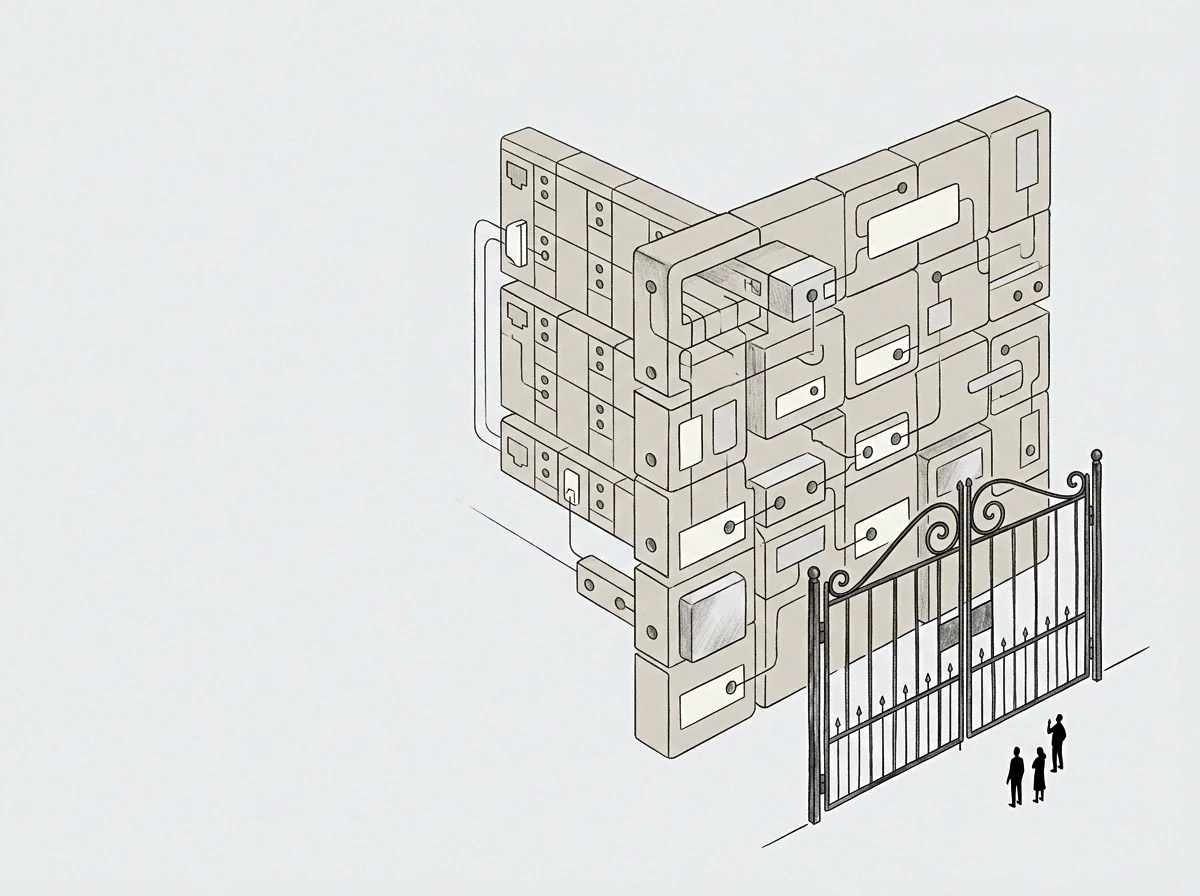
Explicit operational limits prevent executive control friction from stalling emergency intervention by binding senior authority to asynchronous retrospective review.

Explicit channel latency rules convert unmanaged conversational interruption into scheduled asynchronous batches to preserve executive cognitive headroom.

Real time working memory load during operational incidents measures active slot consumption across un-gated communication lines and open diagnostic hypotheses.

Asynchronous context switching leaves persistent attentional residue that degrades technical accuracy and inflates task recovery duration.

Asynchronous priority queues reduce cognitive load by shifting task classification from receiver working memory to deterministic intake rules.
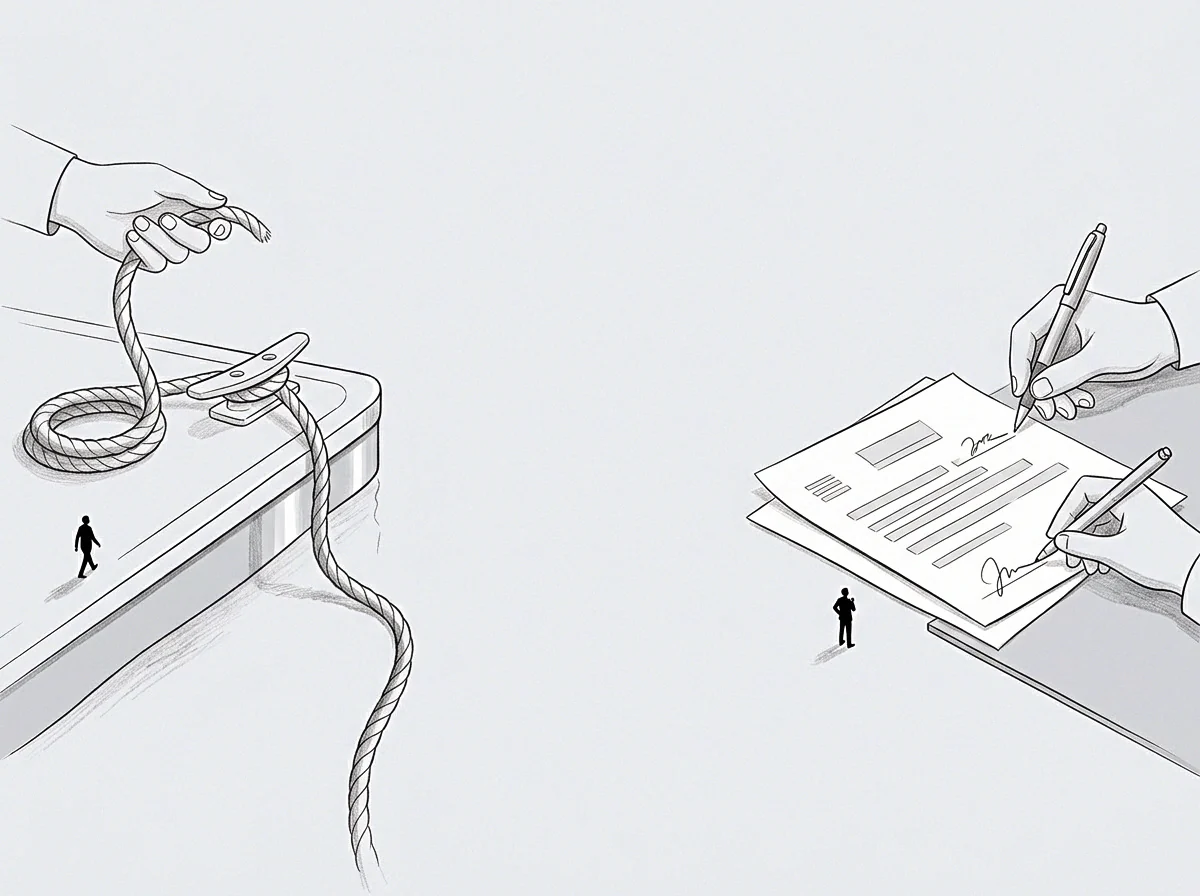
Executive working memory collapses under continuous operational panics unless automated circuit breakers and strict triage bounds isolate prefrontal maintenance.

Open relational loops consume cognitive headroom during execution load, elevating allostatic wear unless structural gating freezes active demand.

Chronic HPA axis downregulation starves prefrontal pyramidal neurons of glucocorticoid signals, retracting dendritic spines and shifting control to habit.

Operational thread gating limits executive working-memory saturation by routing inbound demands through temporal buffers and strict intake criteria.

Structural restructuring converts open operational commitments into gated threads, preserving regulatory headroom by limiting active cognitive tracking slots.
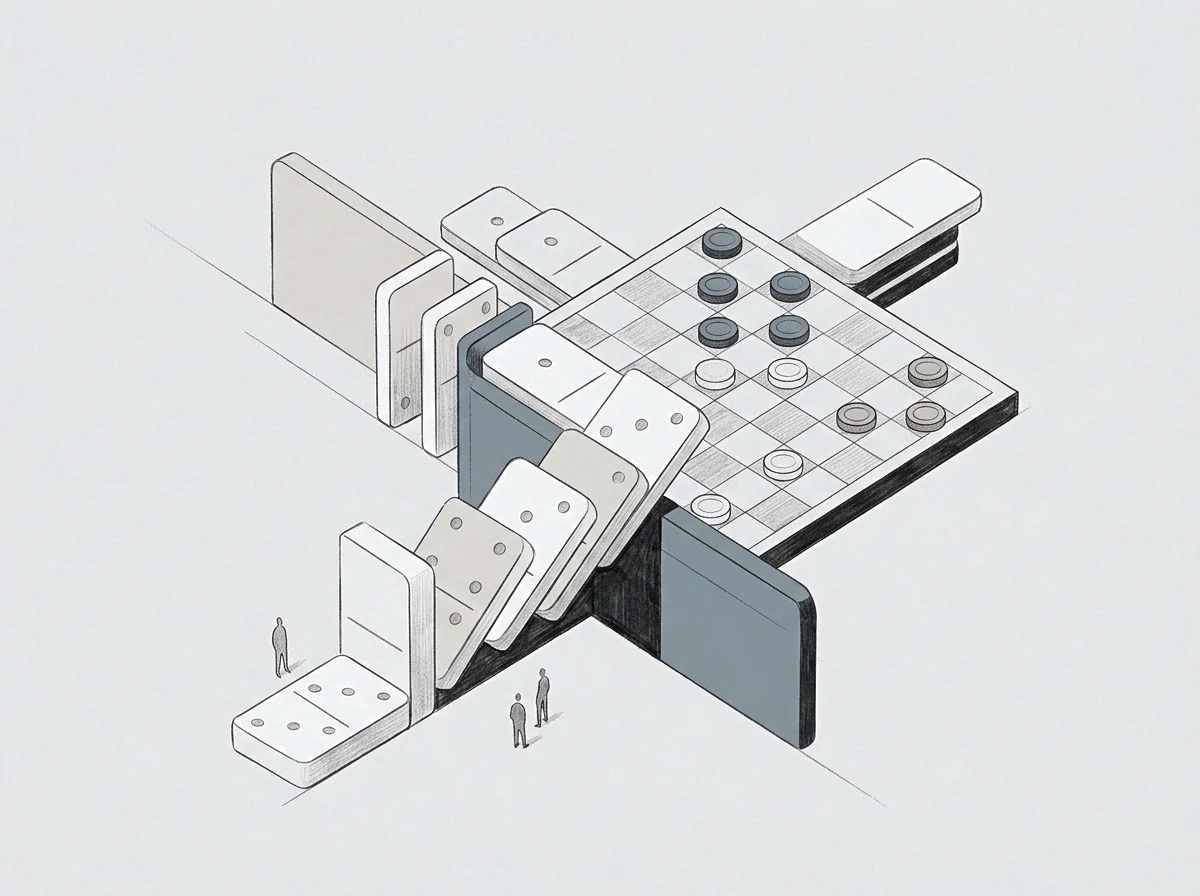
State-gated capacity management blocks unscheduled board demands until operational recovery metrics match the cognitive threshold of the vote.

Long term regulatory capacity recovery requires structural organizational baffles and latency buffers that physically isolate nervous systems from continuous operational escalation.

Early venture leadership preserves decision capacity by gating operational intake, parking open loops, and treating working memory as a bounded structural resource.

Executive capacity under unstructured demand depletes through ungated task switching and open cognitive loops rather than nominal working hours.

State-gated concurrency limits block incoming operational threads at defined physiological capacity thresholds to preserve cognitive headroom.
The terms are written where they belong. Each field holds three desks, and every entry a desk writes raises the terms it uses, each term given a meaning, a mechanism and the places it appears. The record on these pages stays first person and hand made; the fields grow the nomenclature.