

Neuroendocrine Recovery Protocols For Sole Operators Under Chronic Demand
Continuous unhedged operational demand flattens diurnal cortisol secretion and consumes sympathetic regulatory headroom before cognitive failure occurs.
Continuous unhedged operational demand flattens diurnal cortisol secretion and consumes sympathetic regulatory headroom before cognitive failure occurs.

Single leader systems undergo biological throttling when continuous unmediated organizational load exceeds working memory and neuroendocrine recovery capacity.

Sustained executive thread clearance initiates prefrontal microcircuit remodeling by downregulating excitatory firing and triggering microglial synaptic pruning.
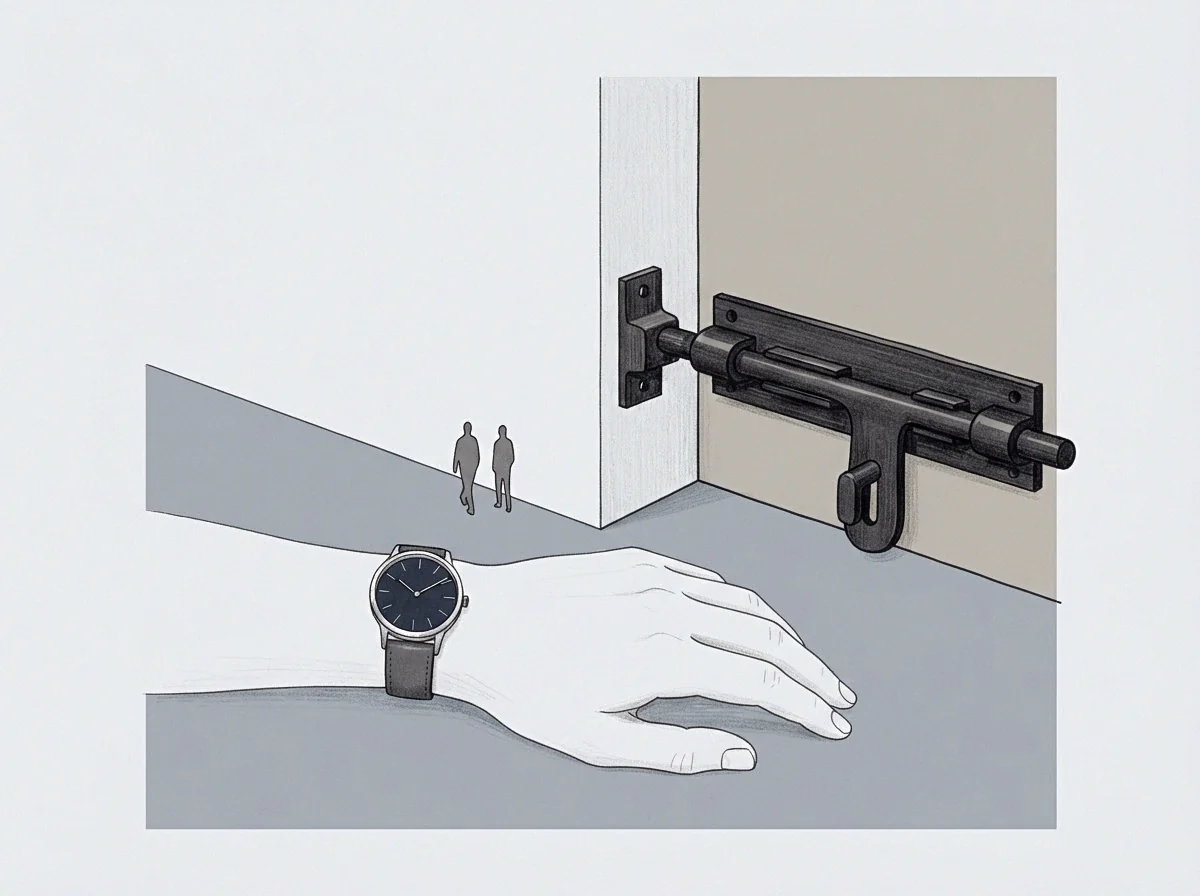
Autonomic downregulation after decoupling from operational authority requires systematic closure of open loops to allow parasympathetic tone recovery.

Post-executive prefrontal recovery requires transitioning from high-concurrency hyper-arousal to single-threaded gating to restore baseline metabolic function.

Unbuffered organizational anxiety causes chronic sympathetic activation and vagal suppression, accumulating allostatic load that degrades autonomic regulation.

Gated operational protocols mitigate executive adrenocortical wear by replacing continuous ungated threads with structured, threshold-based escalation buffers.

Structural capacity caps reduce executive allostatic load by constraining active open loops, protecting cognitive headroom and stabilizing autonomic regulation.
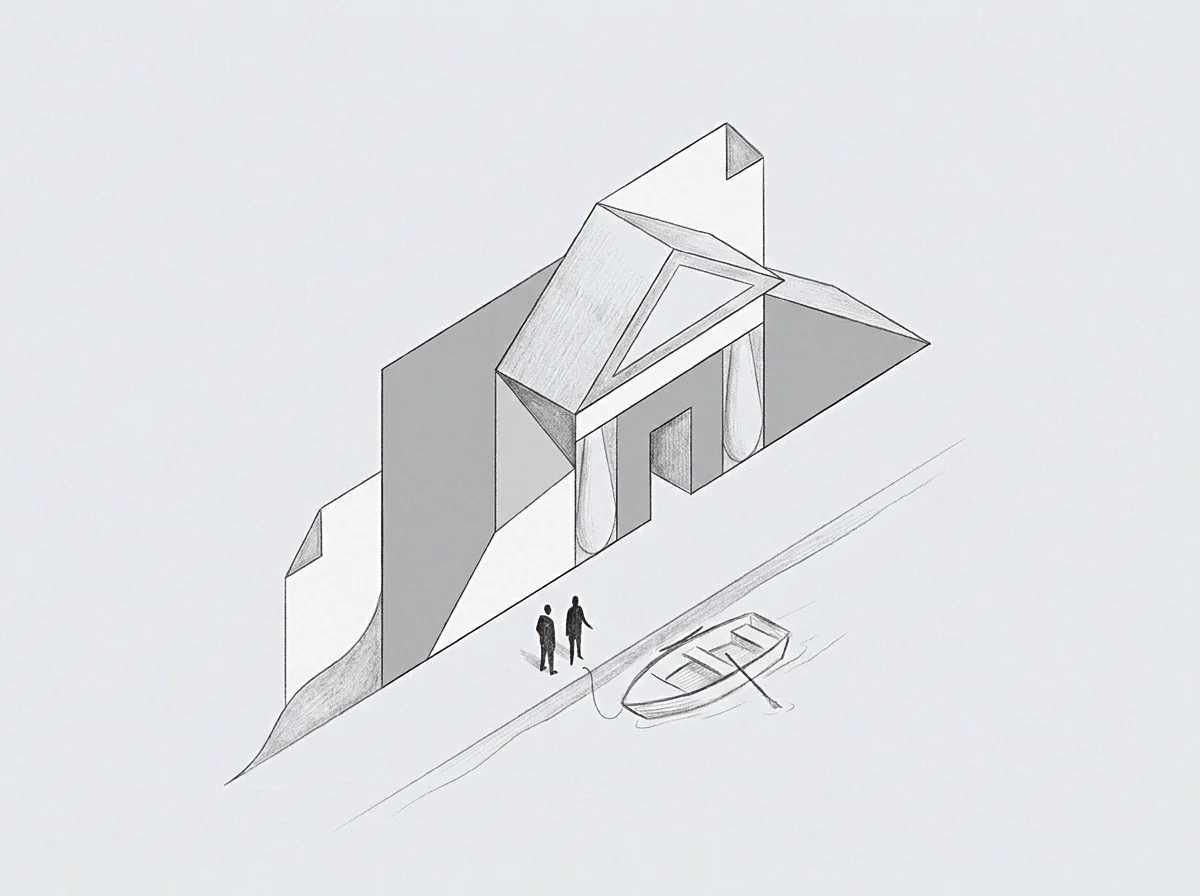
Executive cognitive capacity is protected by decoupling responsiveness through deterministic decision thresholds and asynchronous batch communication.

Allostatic cognitive load is managed by establishing strict perimeter thresholds that convert ungated communication threads into bounded inputs with explicit scope.

Structural intake limits preserve executive focus by gating ungated channels and capping open concurrent threads to keep allostatic load within system capacity.
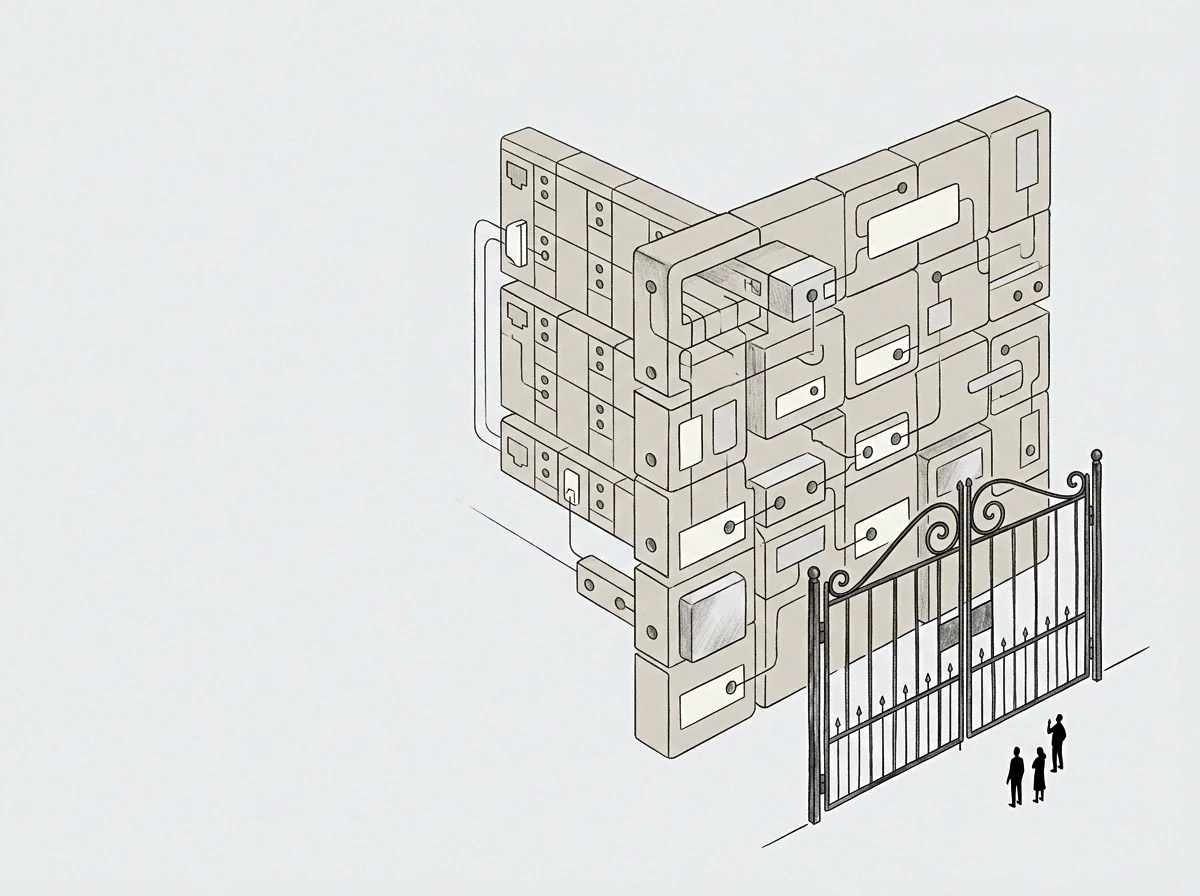
Explicit operational limits prevent executive control friction from stalling emergency intervention by binding senior authority to asynchronous retrospective review.
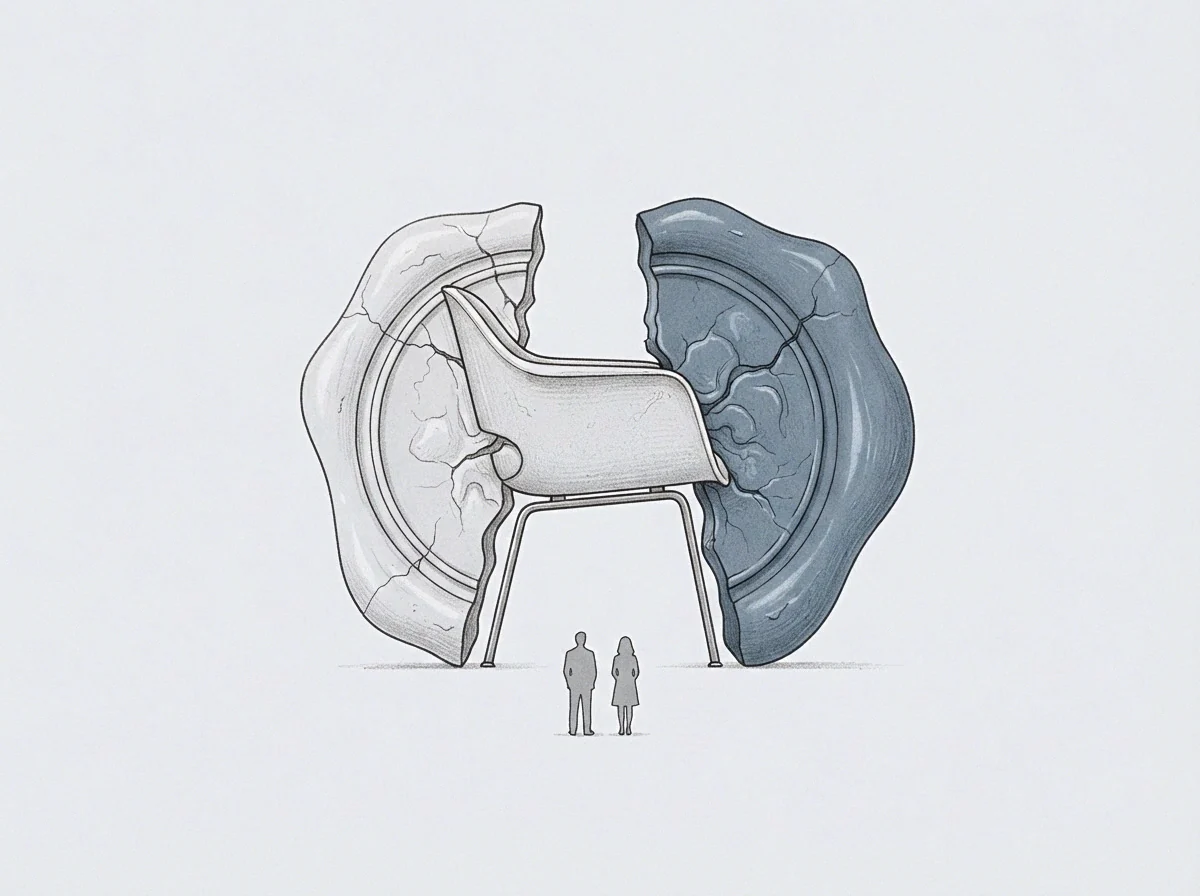
Calibrating concurrency limits under asymmetric authority relies on gating emergency overrides and enforcing explicit scope terms to protect cognitive headroom.
Unresolved operational decision loops consume cognitive headroom during escalations, requiring explicit scope, dates, and terms to gate concurrency limits.

Relational friction during asynchronous leadership transitions stems from un-gated open threads and physiological throttling misread as interpersonal hostility.

Allostatic load reduces executive slot availability by shifting neuroendocrine baselines, forcing the cognitive architecture to throttle active thread processing.

Gating executive interaction surfaces forces operational teams to resolve ambiguity locally, preventing involuntary upward risk transfer and allostatic exhaustion.

Operational autonomy creates coordination latency when decoupled teams queue dependencies without contractual review windows and clear interface bounds.

Systemic throttling limits voluntary cognitive output to protect biological reserves when chronic operational inputs outpace working memory clearance capacity.

Explicit channel latency rules convert unmanaged conversational interruption into scheduled asynchronous batches to preserve executive cognitive headroom.

Lateral prefrontal recovery requires task disengagement to clear extracellular glutamate and restore astrocytic glycogen reserves in human supervisory systems.

Prefrontal cortical exhaustion blunts working memory during watch transfers, requiring physical panel walkdowns and strict numeric schemas to prevent errors.

Executive depletion in live control systems is physiological allostatic throttling driven by excess ungated open loops rather than mood failure.

Non linear capacity decay occurs when ungated incident threads exceed cognitive switching headroom, causing exponential performance drops before total stoppage.

Concurrent operational triage draws on finite working memory slots and accumulates allostatic load when active threads remain ungated.

Real time working memory load during operational incidents measures active slot consumption across un-gated communication lines and open diagnostic hypotheses.

Asynchronous context switching leaves persistent attentional residue that degrades technical accuracy and inflates task recovery duration.

Operational working memory degrades when unclosed communication channels exceed prefrontal slot limits, causing information decay and context-switching interference.

Attentional residue from unclosed operational loops fills working memory slots, causing executive throttling and system latency during high-speed operations.

Autonomic throttling during executive restructuring protects systemic operational capacity by shedding un-gated initiative generation to preserve core task execution under high allostatic wear.
The terms are written where they belong. Each field holds three desks, and every entry a desk writes raises the terms it uses, each term given a meaning, a mechanism and the places it appears. The record on these pages stays first person and hand made; the fields grow the nomenclature.