

Quantifying Shared Regulatory Capacity Deficits Across Restructured Operations Teams
Restructuring redistributes operational wear across teams, forcing throttled operators to drop secondary compliance checks to sustain primary output.
Restructuring redistributes operational wear across teams, forcing throttled operators to drop secondary compliance checks to sustain primary output.

Acute organizational strain exhausts social baseline buffers, converting partner proximity from an energy-saving co-regulator into a net metabolic load.

Tracking neuroendocrine recovery during organizational transition requires isolating circadian hormonal slopes from acute task friction through targeted biomarker timing.
Acute operational exhaustion blunts the cortisol awakening response within thirty minutes of waking, reducing morning cognitive headroom before daily inputs arrive.
Prolonged corporate restructuring shifts salivary cortisol and DHEA sulfate ratios by depleting adrenal anabolic reserves while driving sustained stress responses.

Misinterpreting executive throttling as operational failure triggers misdirected demands that destroy regulatory headroom and force true structural collapse.

Executive capacity degrades when ungated open loops saturate working memory slots, increasing task switching latency and triggering systemic rate limiting.

Physiological stress indicators track cumulative autonomic wear from unclosed operational loops through heart rate, cortisol output, and motor tone.

Governance latency creates decision queues that exhaust executive concurrency limits, requiring deterministic latches and hard bounds to prevent throttling.
Structural gating protocols convert ungated cognitive loops into bounded operational inputs, mitigating executive allostatic load and preserving system capacity.

Continuous asynchronous decision queues saturate working memory slots, elevating allostatic load and throttling executive throughput.
Multi-partner leadership roles increase allostatic wear when ungated operational loops exceed neural concurrency limits, forcing physiological throttling.

Enterprise co-regulation preserves executive capacity by distributing regulatory strain across structured partner boundaries and gating open operational loops.

Executive allostatic load rises as ungated loops accumulate, triggering cognitive throttling as a biological defense to protect core regulatory capacity.

Extended operational throttling degrades autonomic adaptability, requiring structured thread closure and prolonged parasympathetic modulation before baseline capacity restores.

Allostatic load accumulates when ungated operational loops consume working memory slots, forcing executive capacity into chronic physiological throttling.

Autonomic regulation balances sympathetic emergency mobilization against parasympathetic restoration to protect executive function under sustained operational stress.
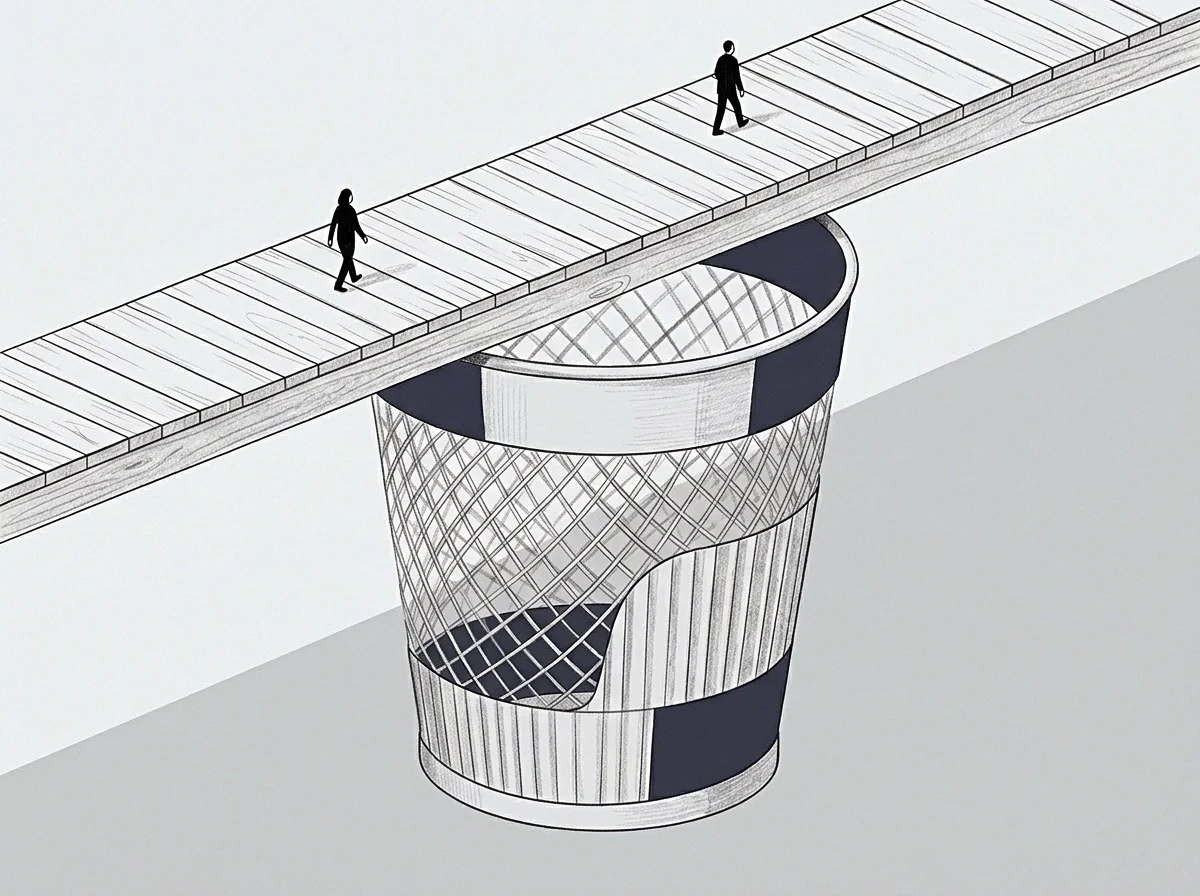
Executive capacity collapses when operating metrics hide solitary allostatic load caused by decoupled organizational coregulation.
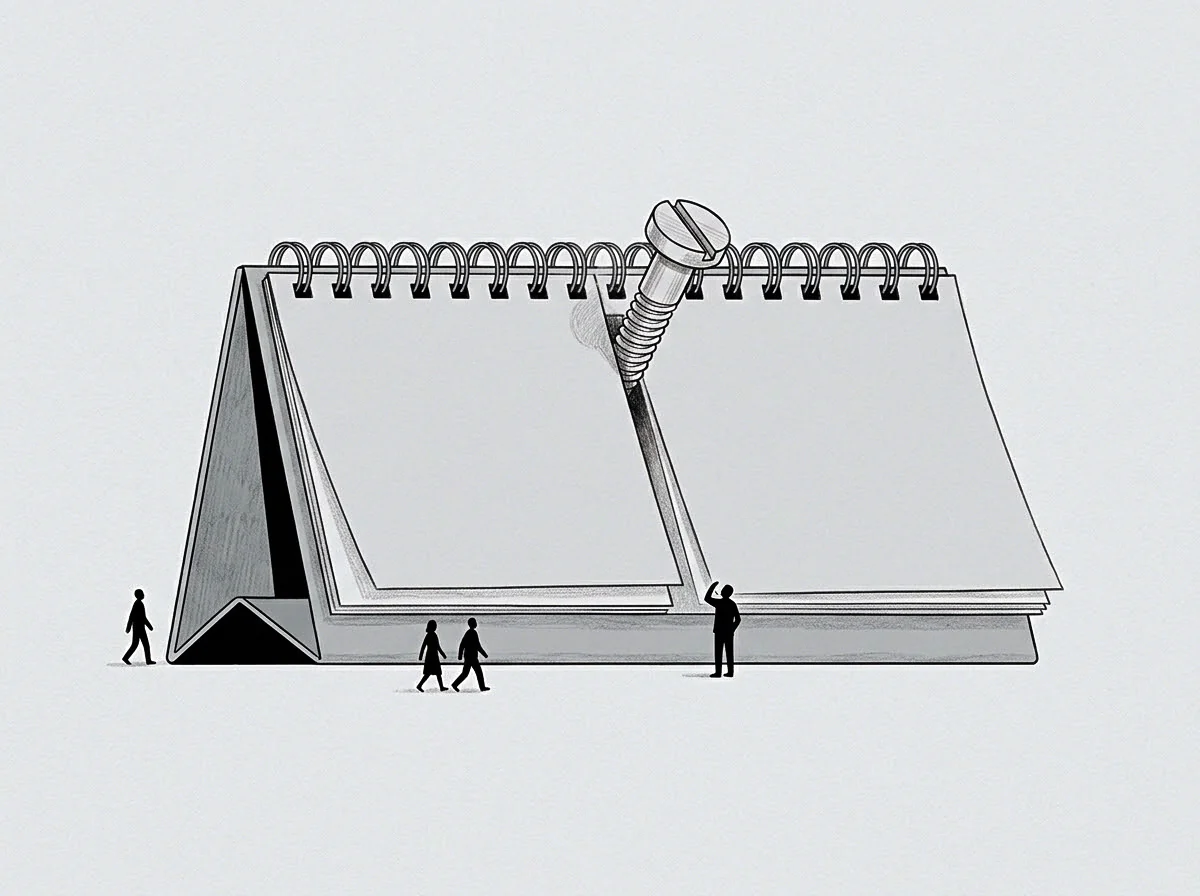
Gating active demands by scope and timeline preserves executive capacity limits by capping the physiological toll of unclosed operational loops.

Intrinsic load monitoring tracks neuroendocrine wear against cognitive concurrency limits to trigger operational gating before regulatory systems exhaust.

Chronic relational throttling sustains autonomic vigilance, depleting systemic recovery capacity until explicit structural gates halt interpersonal leakage.

Acute stress floods the nervous system with neuroendocrine signals, forcing prefrontal working memory to contract from multiple tasks down to two parallel streams.

Open relational loops consume cognitive headroom during execution load, elevating allostatic wear unless structural gating freezes active demand.

Chronic operational exposure shifts physiological baselines upward, turning acute survival mechanisms into permanent tissue damage across multi-year cycles.

Structural input gating buffers prefrontal working memory from raw operational signals, halting allostatic exhaustion and stabilizing executive performance.

Unresolved operational commitments saturate executive working memory, elevating allostatic load and inducing cognitive throttling until structural gating intervenes.

Sustained executive strain downregulates central glucocorticoid receptors and restricts prefrontal working memory capacity to conserve metabolic resources.

Energy throttling down-regulates executive capacity to protect exhausted systems, whereas affective mood disorders reflect dysregulated emotional and reward circuits.
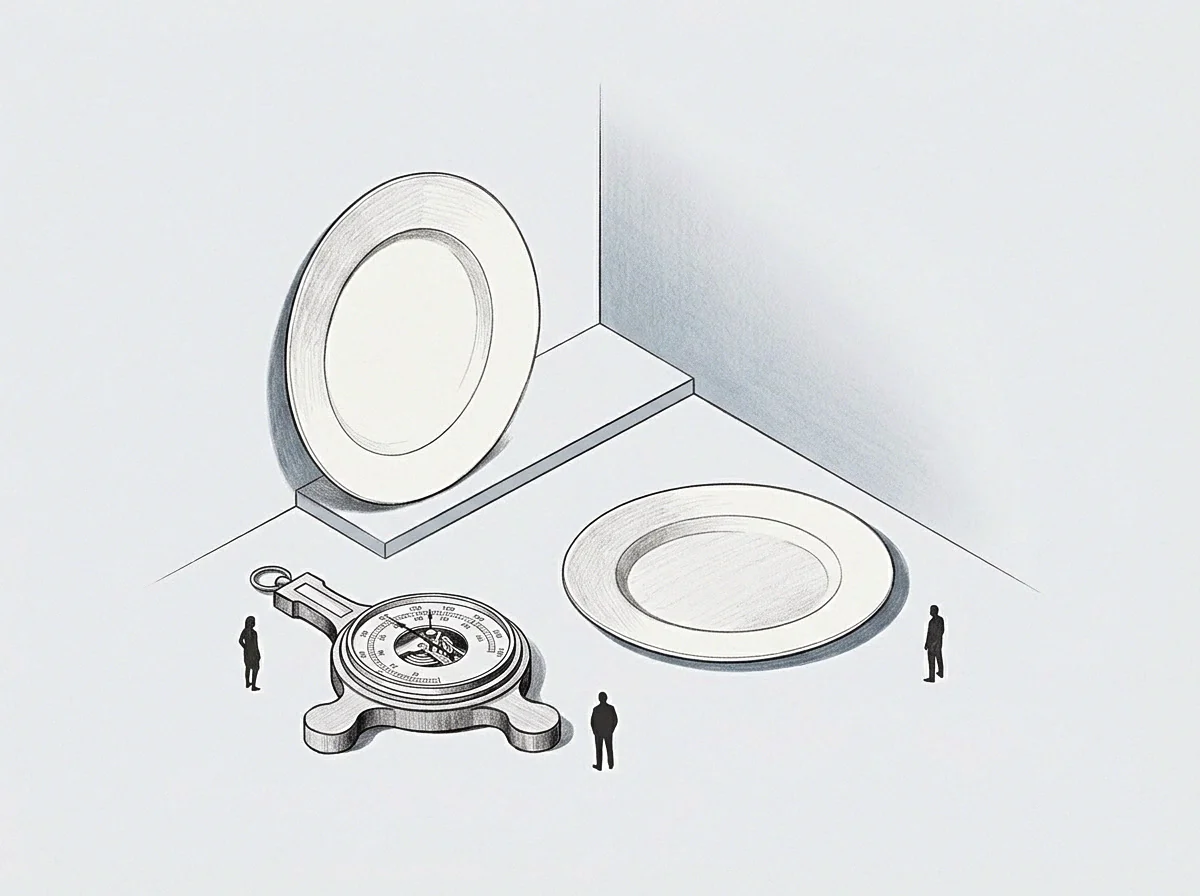
Executive allostatic load reflects cumulative neuroendocrine wear from sustained regulatory demand, triggering metabolic throttling when loop concurrency hits ceiling.

Persistent evening cortisol elevation saturates prefrontal receptors, reducing active working memory slots and enforcing executive throttling under load.
The terms are written where they belong. Each field holds three desks, and every entry a desk writes raises the terms it uses, each term given a meaning, a mechanism and the places it appears. The record on these pages stays first person and hand made; the fields grow the nomenclature.