Meaning
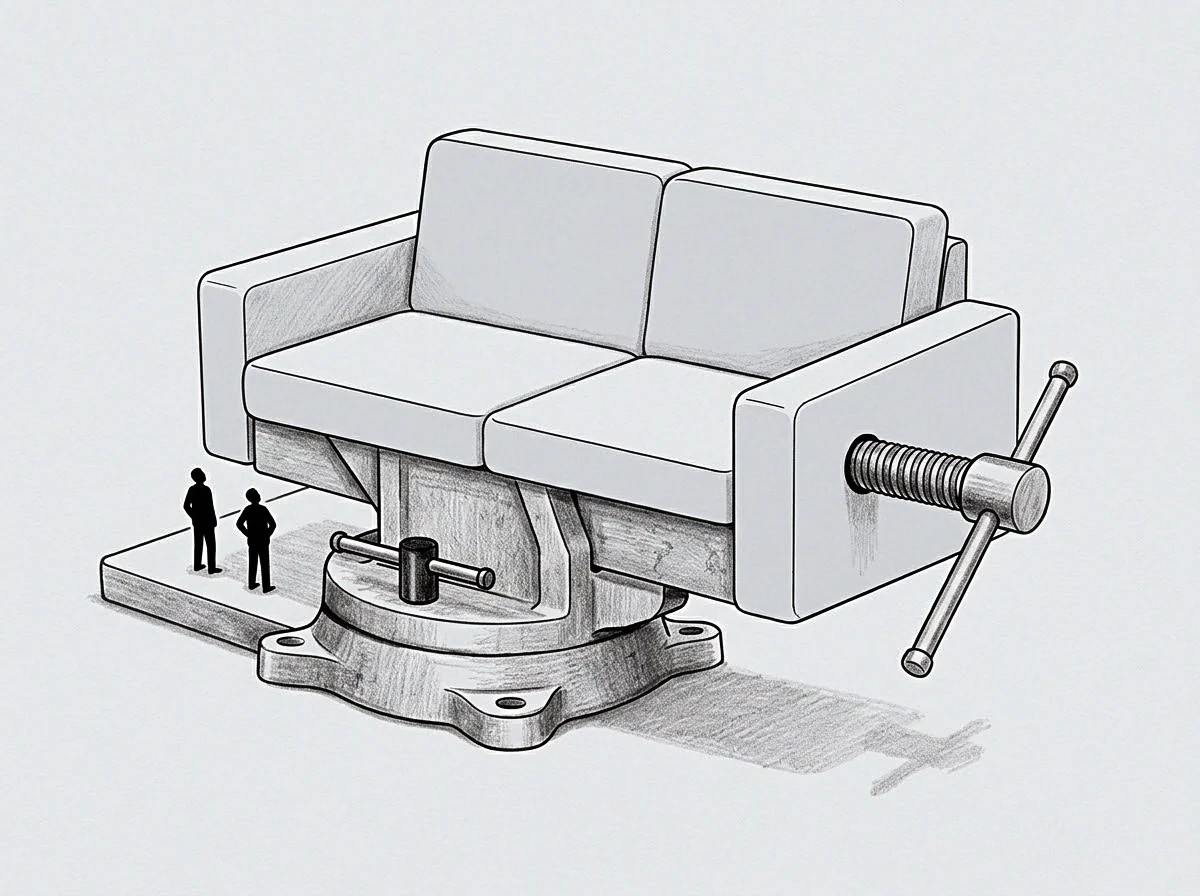
An operational boundary defines the specific scope of activity under which a system or role maintains predictable outputs. An operational boundary limits the reach of a process to prevent resource depletion during high demand. This mechanism sets the physical and logical perimeter for autonomous performance.
Regulations within this space define the maximum load a single entity manages before capacity fails.
Allostatic Load
The cognitive cost of maintaining an operational boundary resides in the attention required to monitor threshold signals. A practitioner faces diminished availability when external demands push against these limits. High variance in incoming tasks forces frequent resets of the perimeter to prevent system collapse.
Constant adjustments consume hours that would otherwise support strategic planning.
Capacity Limit
Stated constraints on output serve as the primary defensive architecture for a founder after the startup phase. These thresholds regulate the interaction between internal production and external requests. A buffer exists where the entity absorbs moderate stress without triggering a complete halt of services.
This state provides a safety margin for error detection.
Systemic Stability
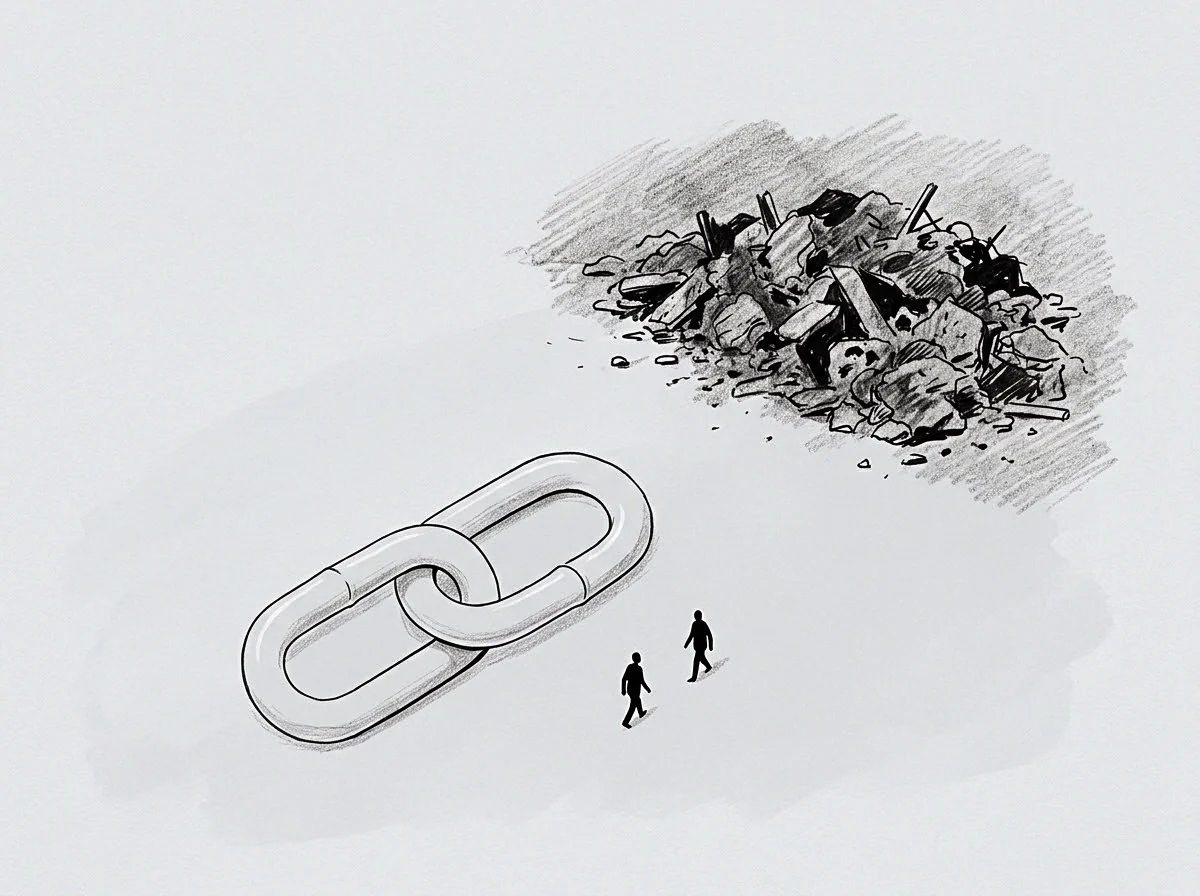
Stability remains dependent upon the strict enforcement of the chosen perimeter. Deviations from the set limit cause unpredictable degradation in the quality of work. Regular audits of the perimeter prevent the accumulation of ghost processes that drain focus.
Strict adherence to these limits ensures the longevity of the operating model.