

Preserving Earned Security Under Heavy Organizational Load
Earned security under organizational load requires structural containment, intentional communication latency, and non-commercial reciprocal relational anchors.
Earned security under organizational load requires structural containment, intentional communication latency, and non-commercial reciprocal relational anchors.
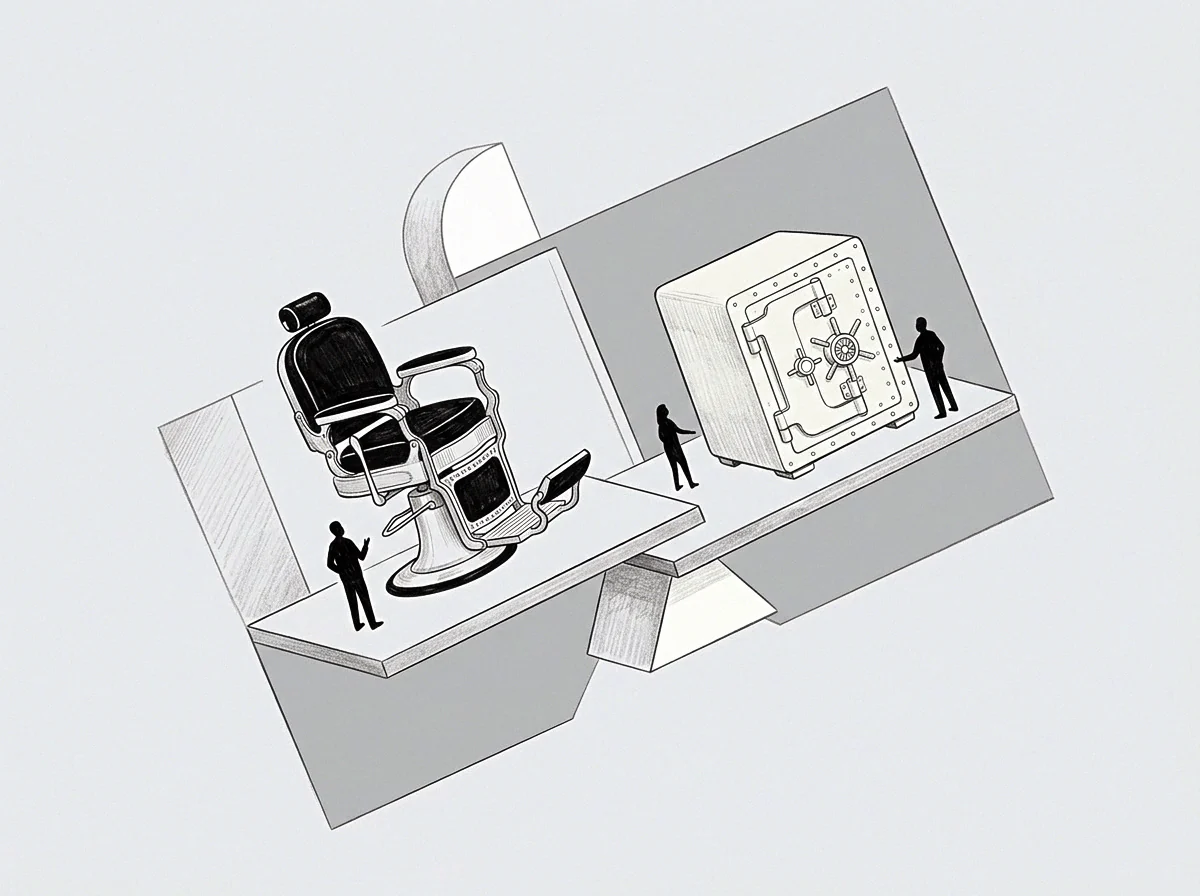
Unilateral load absorption exhausts executive neural reserves; updating internal working models requires earned security through reciprocal co-regulation.

Stated operational terms convert active evaluation into passive rule execution, preserving executive cognitive headroom by preventing continuous real-time load transfer.

Allostatic load measures cumulative biological wear from chronic regulatory activation, requiring structural thread limits rather than psychological rest to rebuild capacity.

Stated priority limits keep operational requests out of executive headroom by converting personal availability into explicit, system-enforced boundaries.

Chronic somatic exhaustion converts primary operator capacity into unhedged enterprise risk, discounting future operating cash flows through degraded execution.

Re-sensitizing glucocorticoid receptors requires restoring circadian hormone troughs through strict temporal gating of operational load and metabolic inputs.

Stating concrete operational limits shifts decision accountability to middle management layers before executive cognitive reserves deplete.
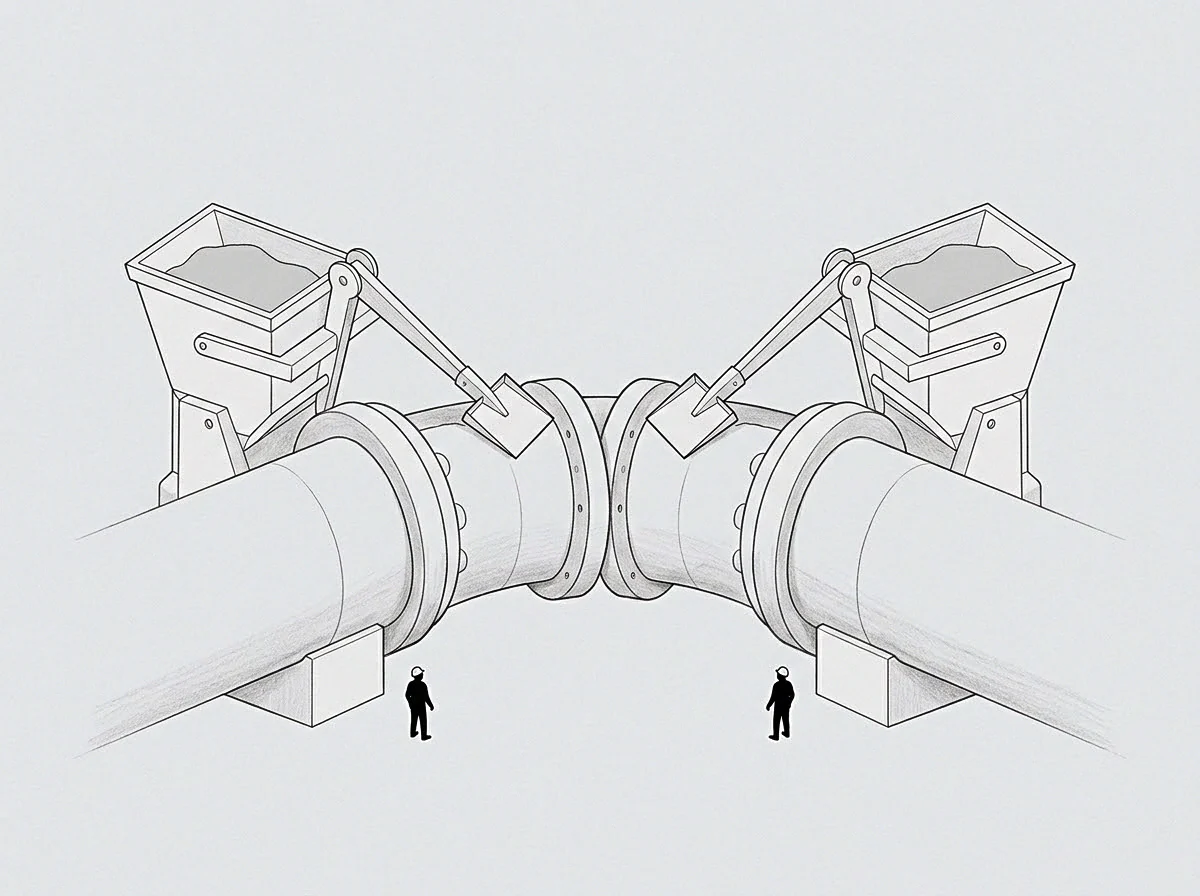
Transitioning from unilateral buffering to distributed accountability requires hard governance latches that force local teams to absorb operational variance directly.

Structural term partitioning converts founder coregulation into explicit domain boundaries, protecting cognitive capacity by routing load onto defined operational objects.
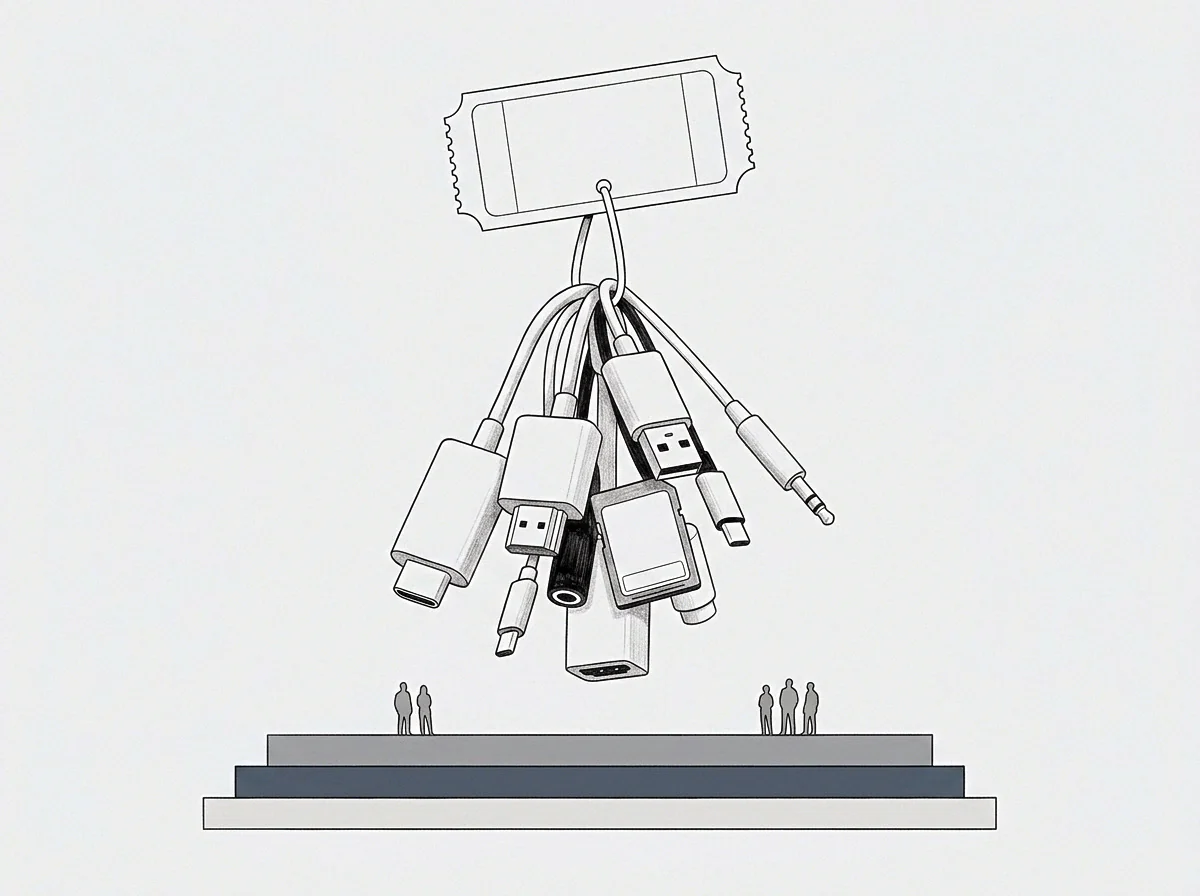
Decoupling scaling leadership seats shifts execution from personal founder regulation to structural limit walls and state gated operational handovers.

Baseline system capacity is determined by enforcing fixed operational constraints that cap concurrent work and expose true steady-state throughput.

Executive governance filters protect attentional bandwidth by establishing explicit operational latency floors and routing protocols upstream of leadership perception.

Capacity limits derive directly from explicit operational terms that convert human endurance bounds into objective organizational walls.
Chronic executive demand elevates allostatic load, triggering autonomic throttling that suppresses cognitive headroom to preserve baseline physiological integrity.

Active intake parameter configuration establishes structural barriers that preserve executive cognitive bandwidth by rejecting unstructured operational noise.

Capital scarcity accelerates executive exhaustion by converting financial buffer deficits into unsustainable interpersonal baseline borrowing across leadership dyads.
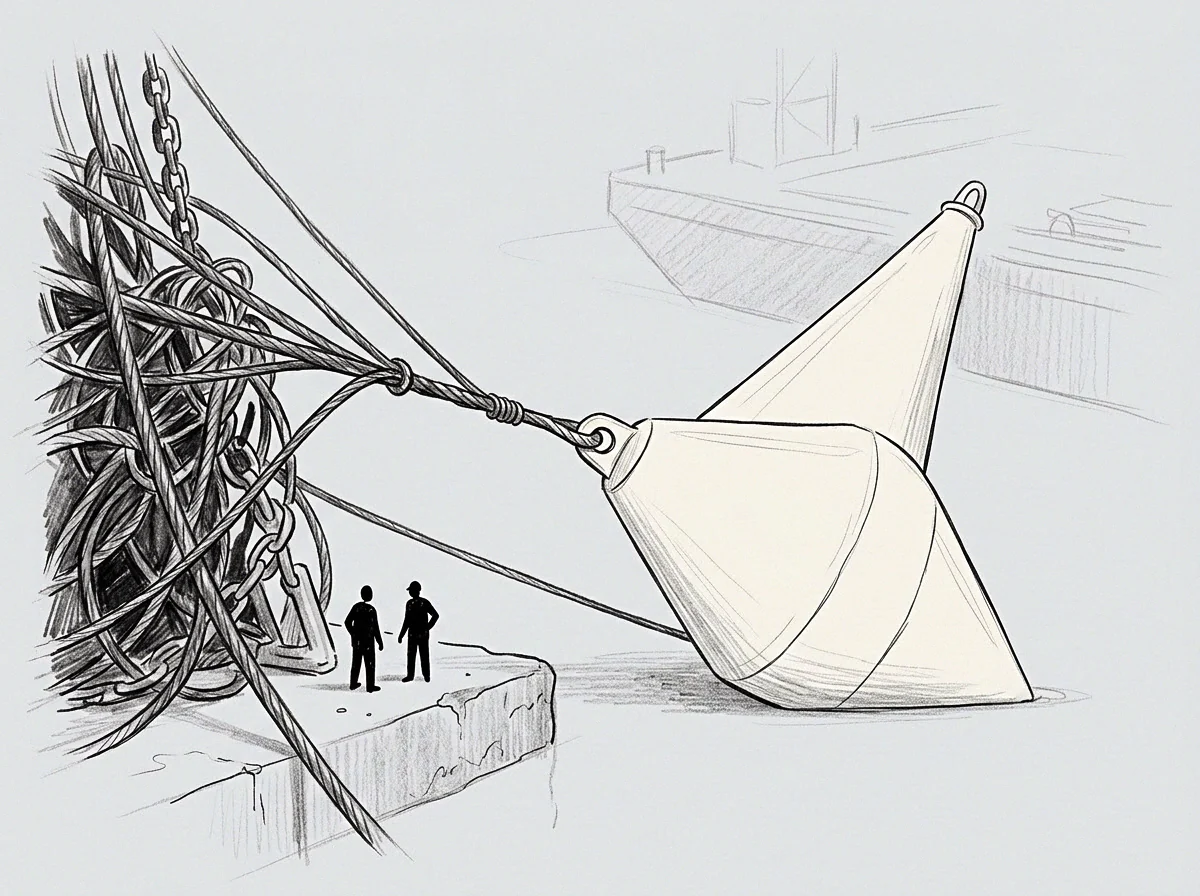
Organizational response latency scales non-linearly when asymmetric technical debt meets unthrottled upstream escalations, requiring state-gated intake limits.

Stated concurrency limits restrict context switching across isolated operational threads to prevent cross-stream allostatic load accumulation.

Neuroendocrine exhaustion in single point leaders results from chronic unbuffered operational demand, requiring structural input gating to restore allostatic balance.

Inverted internal working models force founders under high autonomic load to regulate everyone around them while blocking incoming co-regulation.
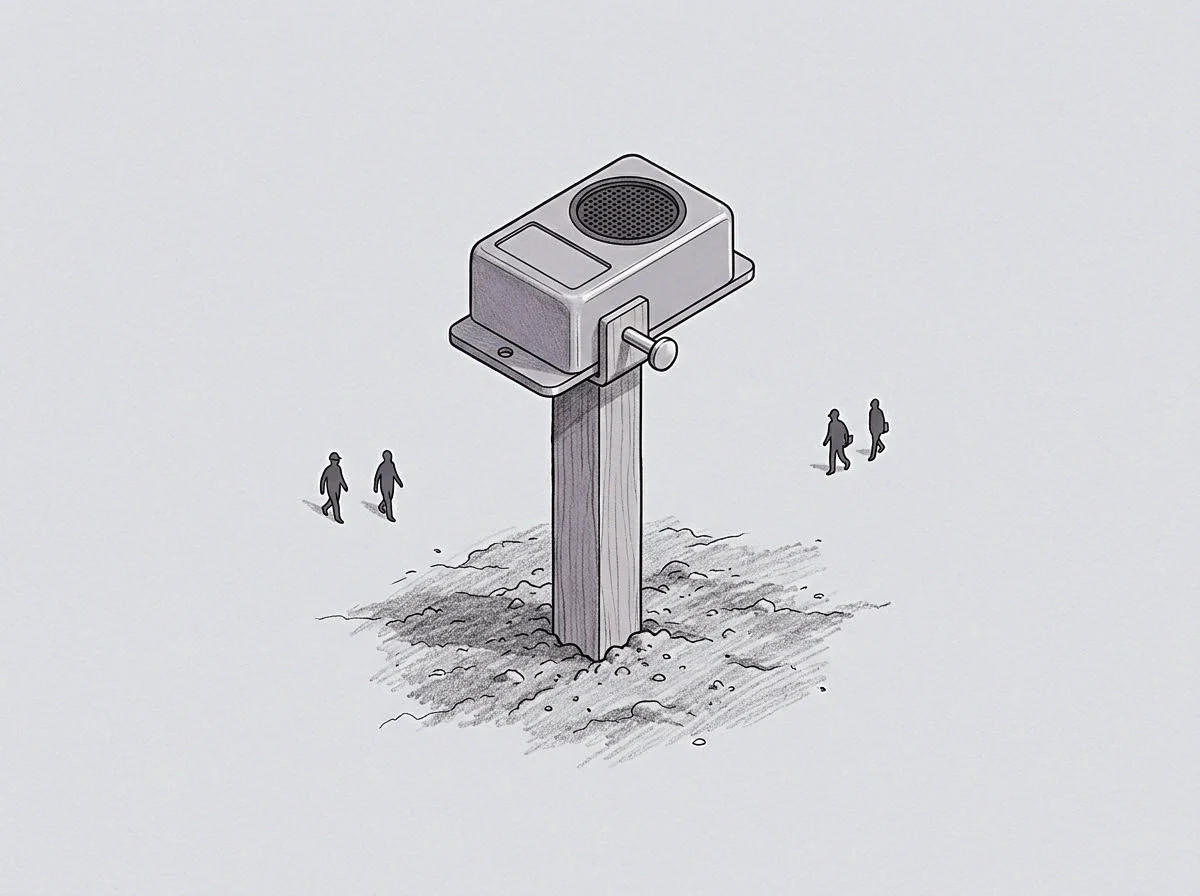
Executive threshold breaches trigger automatic downstream attention rationing, shifting cognitive processing depth to protect core physiological setpoints under ceiling load.

A stated limit acts as a structural wall that transfers operational load back to its source by establishing clear friction for unbudgeted capacity demands.

Extended heart rate variability latency suppresses executive capacity by delaying parasympathetic reactivation and starving prefrontal networks of control.
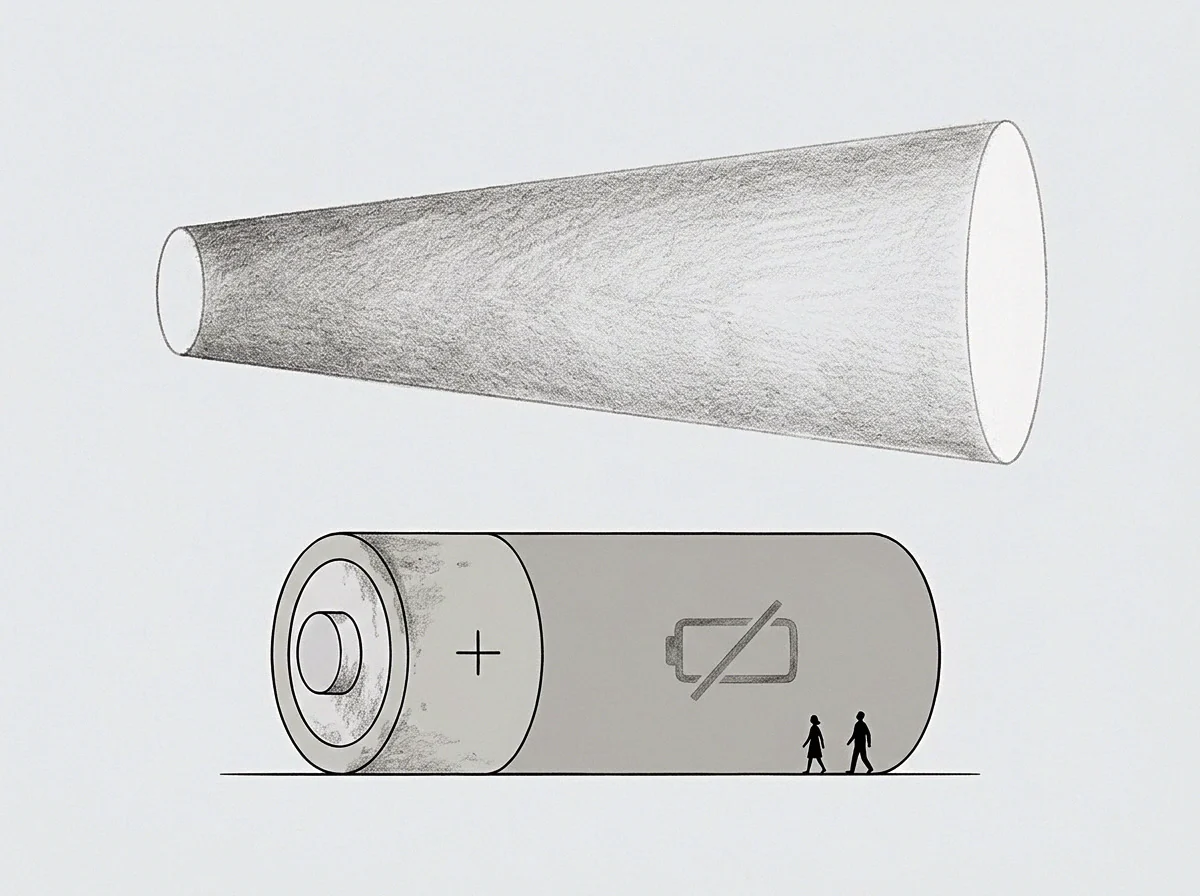
Structural terms replace human endurance with explicit operational constraints, rerouting institutional demand before it depletes biological reserves.

Executive biological strain sets the physical limit on capital deployment speed, converting unmonitored stress into misallocated corporate treasury funds.

Bounded authority gates establish explicit thresholds for autonomous frontline action, removing executives as manual bottlenecks to eliminate latency.

Continuous asynchronous telemetry streams force executive authority thresholds to degrade by converting ambient operational visibility into implicit approval loops.

Executive workload distribution requires structural interface impedance to prevent operational overload from routing directly into executive attention.

Counterparties derive operational availability through stated structural terms and response signals rather than relying on unstated individual capacity.
The terms are written where they belong. Each field holds three desks, and every entry a desk writes raises the terms it uses, each term given a meaning, a mechanism and the places it appears. The record on these pages stays first person and hand made; the fields grow the nomenclature.