
Autonomic Entrainment Failure In High Load Operators During Physical Proximity
High cognitive load overrides social baseline signaling, causing operators in physical proximity to maintain solitary vigilance and absorb partner arousal.
High cognitive load overrides social baseline signaling, causing operators in physical proximity to maintain solitary vigilance and absorb partner arousal.

Prolonged isolation combined with domestic load transfer forces autonomic self-budgeting, downregulating co-regulatory receptors and escalating allostatic strain.
Cardiac vagal tone modulation alters glucose distribution in shared living spaces by allowing occupants to offload autonomic regulation costs onto stable partners.
Solitary operation recalibrates threat budgeting to zero social assistance, making domestic re-entry a bioenergetic struggle to reopen the receptor for shared calm.
Non-demanding physical proximity updates high-strain somatic templates by lowering metabolic regulation costs without triggering conversational threat responses.
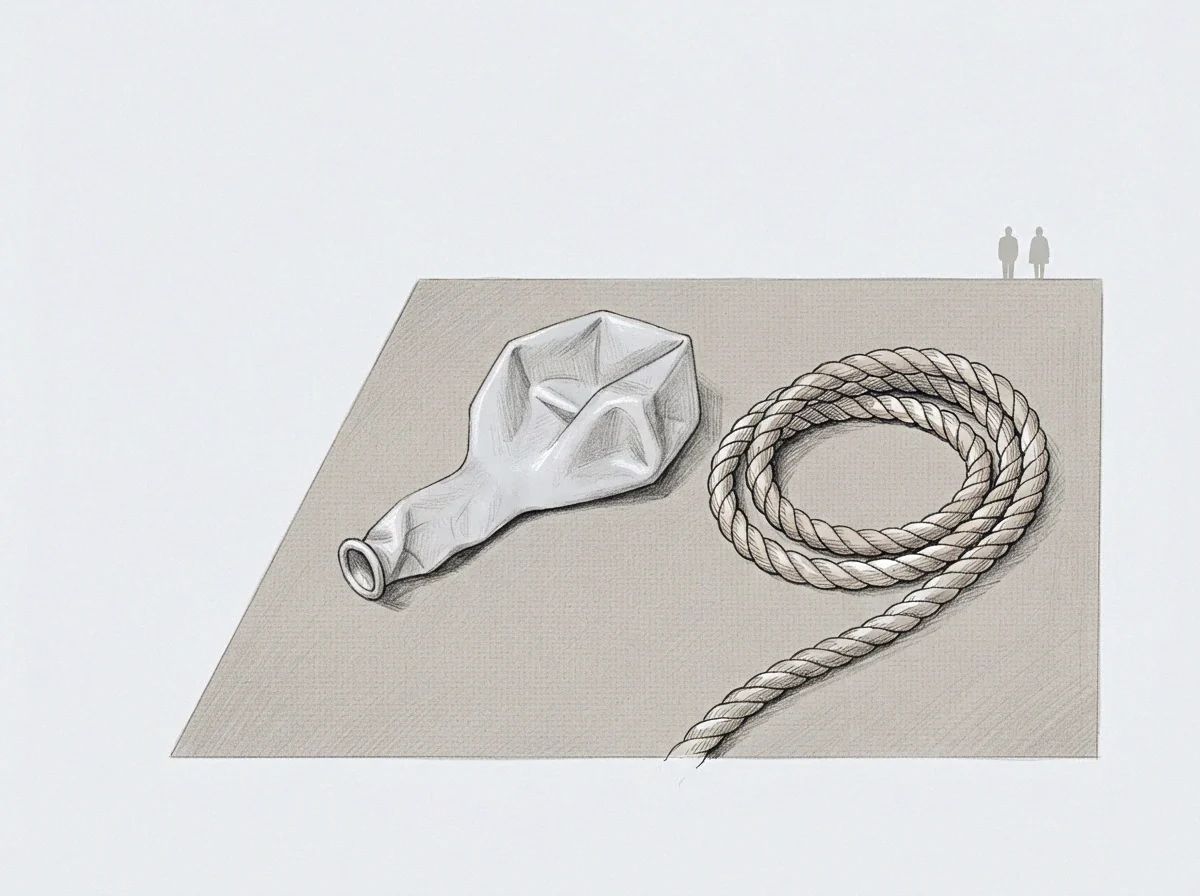
Unidirectional baseline regulation under financial stress seals secondary regulator slots, converting external support offers into added monitoring load.

Concentrated investor scrutiny forces founders into asymmetric baseline regulation, absorbing institutional anxiety while expending unreciprocated allostatic reserves.
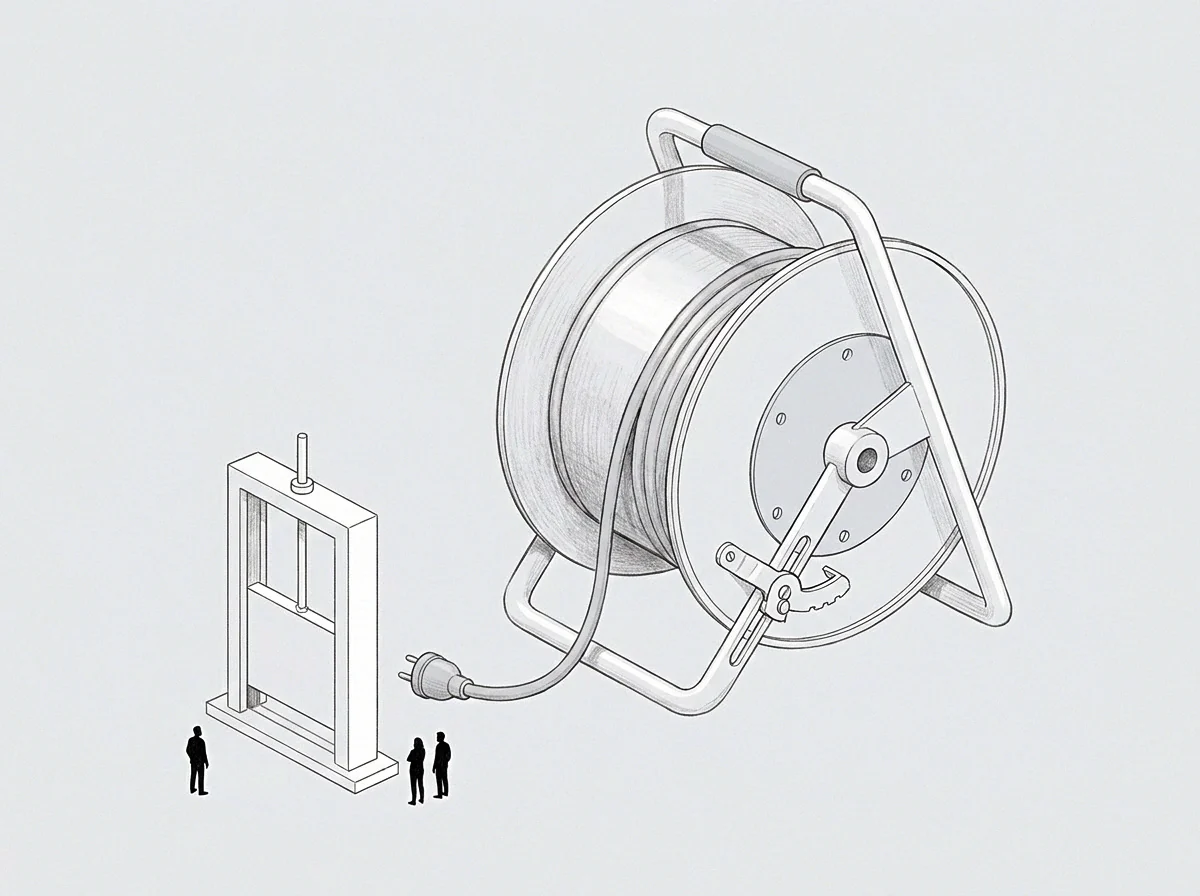
Solitary executive regulation attenuates internal templates, forcing leaders to process relational baseline bids as metabolic loads rather than regulatory resources.
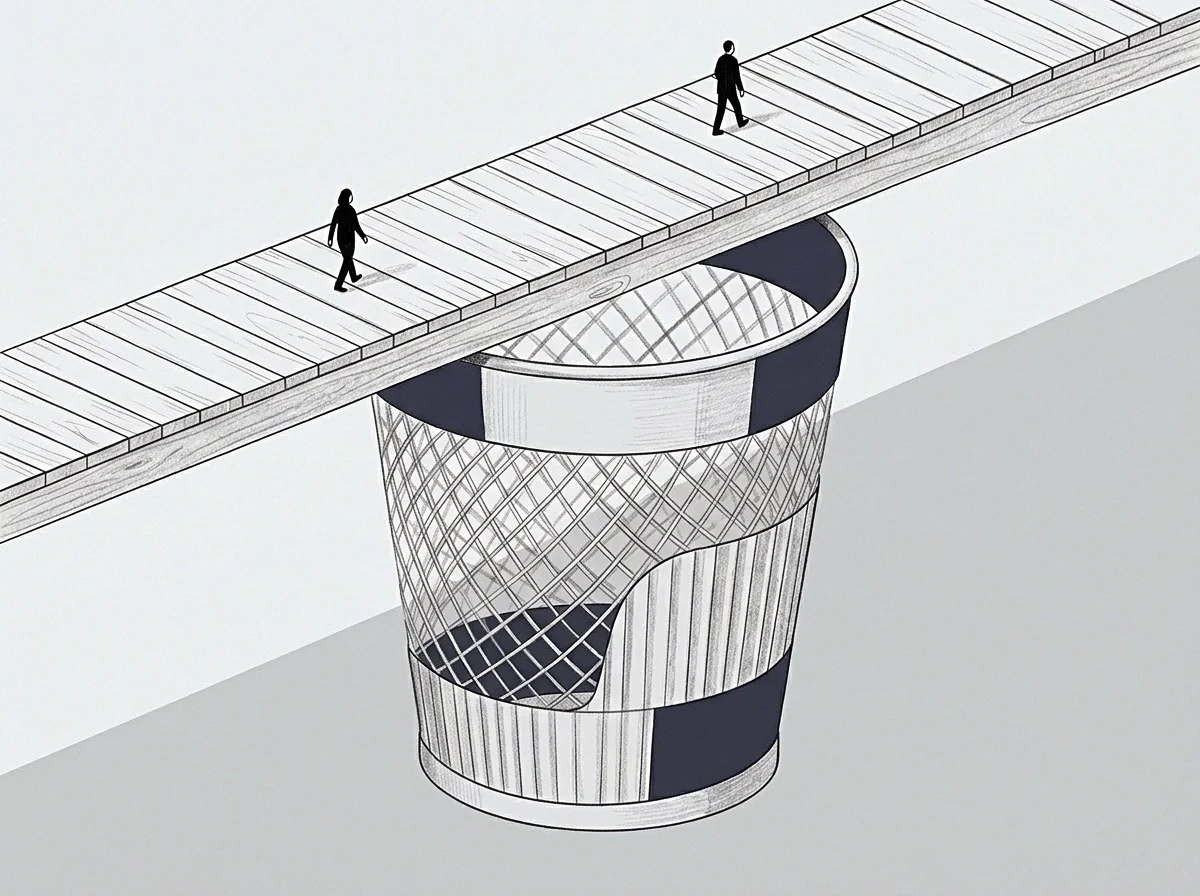
Executive teams survive continuous insolvency by replacing silent reliance on a founder's calm with structural co-regulation and shared load mechanics.
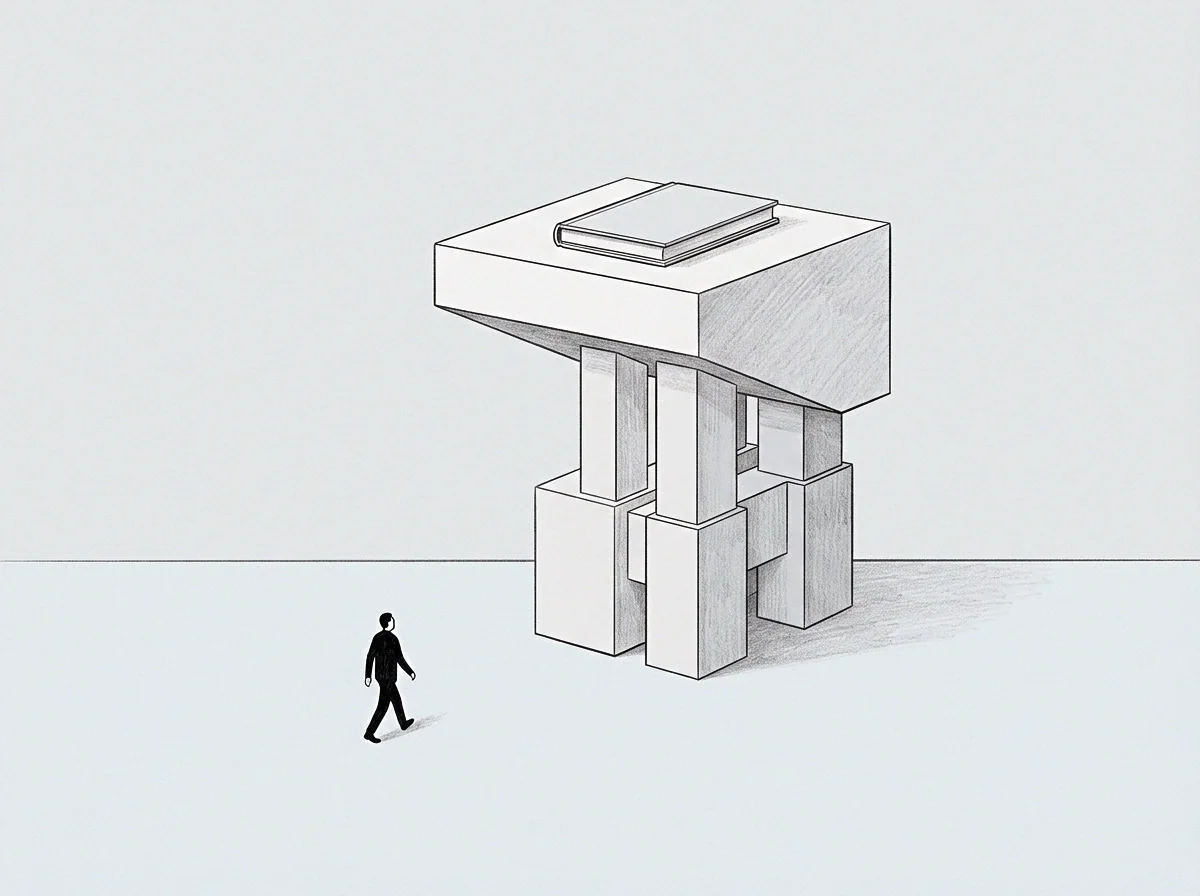
Corporate capital retraction forces leaders to absorb structural volatility directly, spiking baseline regulation costs as external shock absorbers vanish.

Inverted autonomic regulation templates arise when leaders internalize sole stress stewardship, requiring physical and operational barriers to force co-regulatory recalibration.
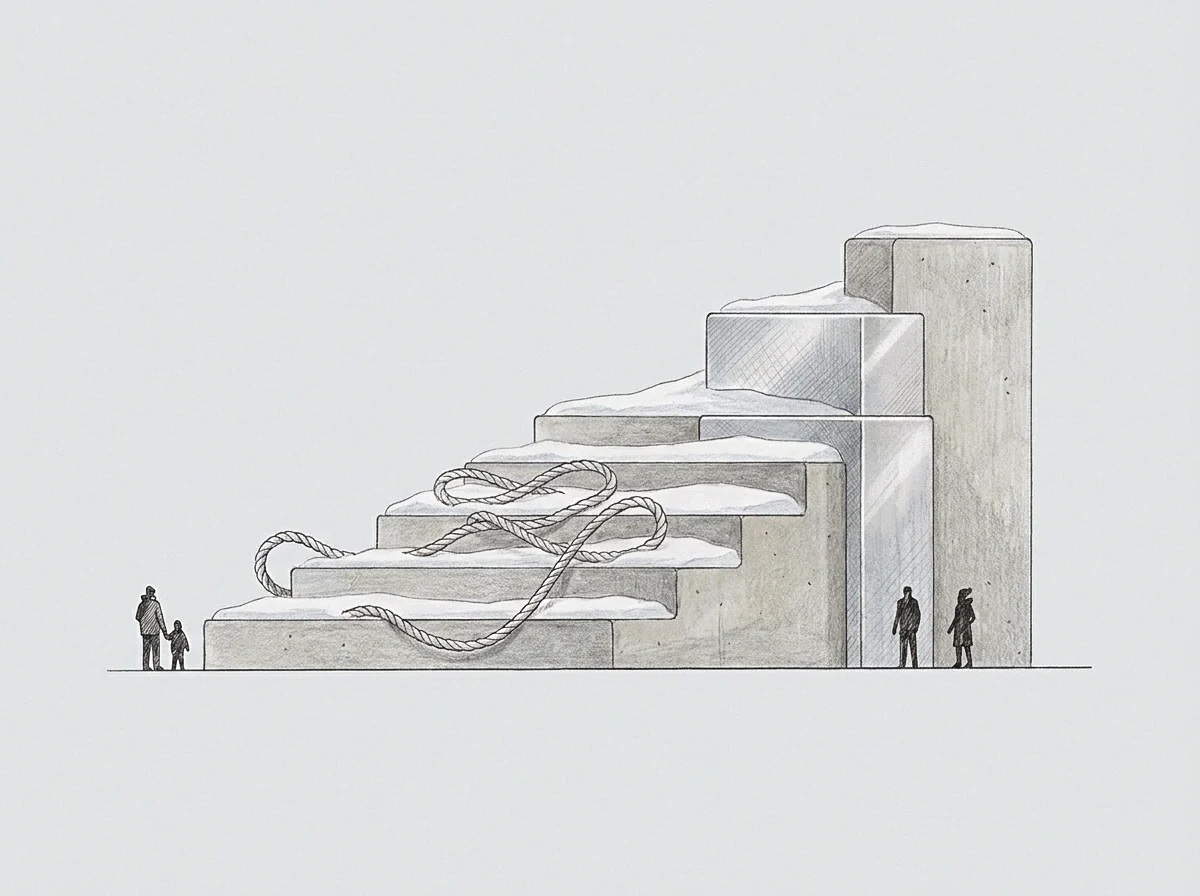
Executive co-regulation structures lower allostatic load by sharing threat processing across a stable peer baseline, reducing solitary neuroendocrine strain.
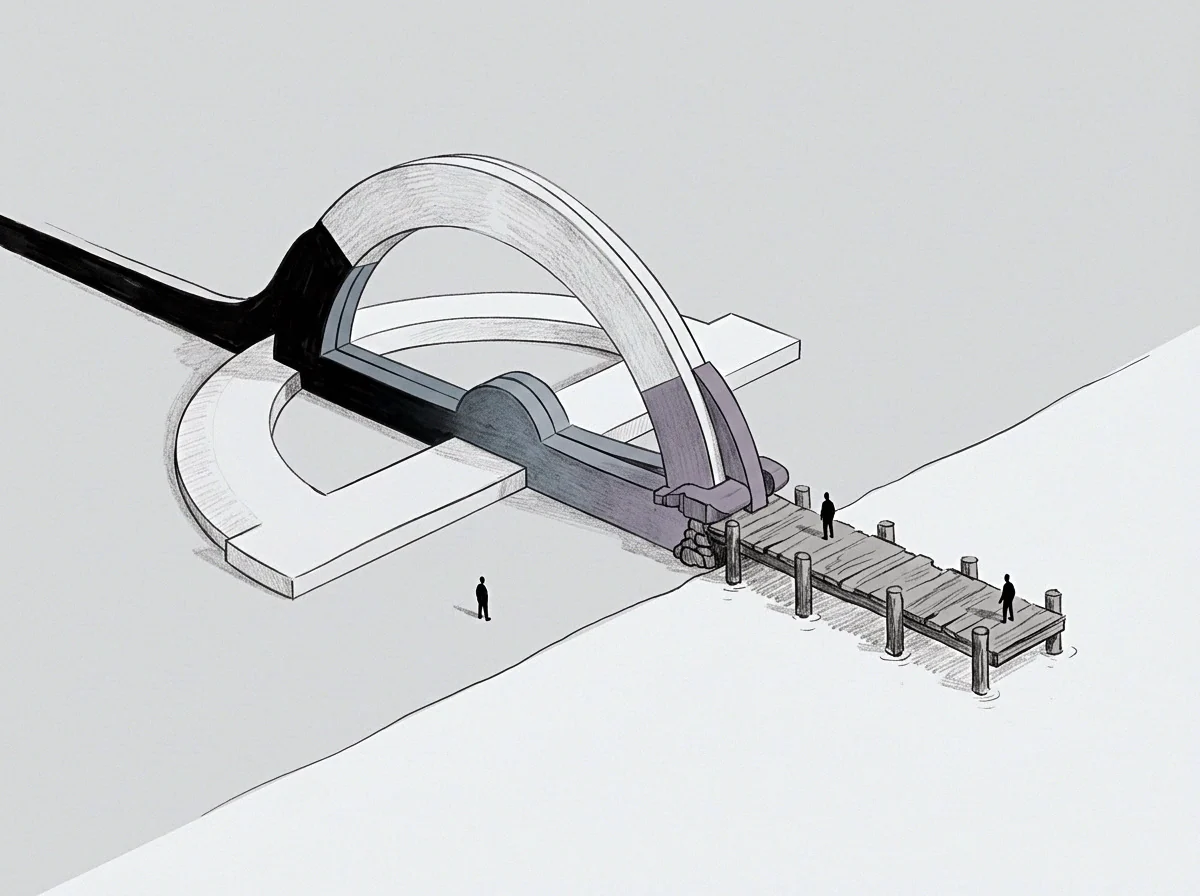
Prolonged presence limits deplete secondary regulators when borrowed calm drains autonomic headroom without an active internal receptor slot for shared regulation.
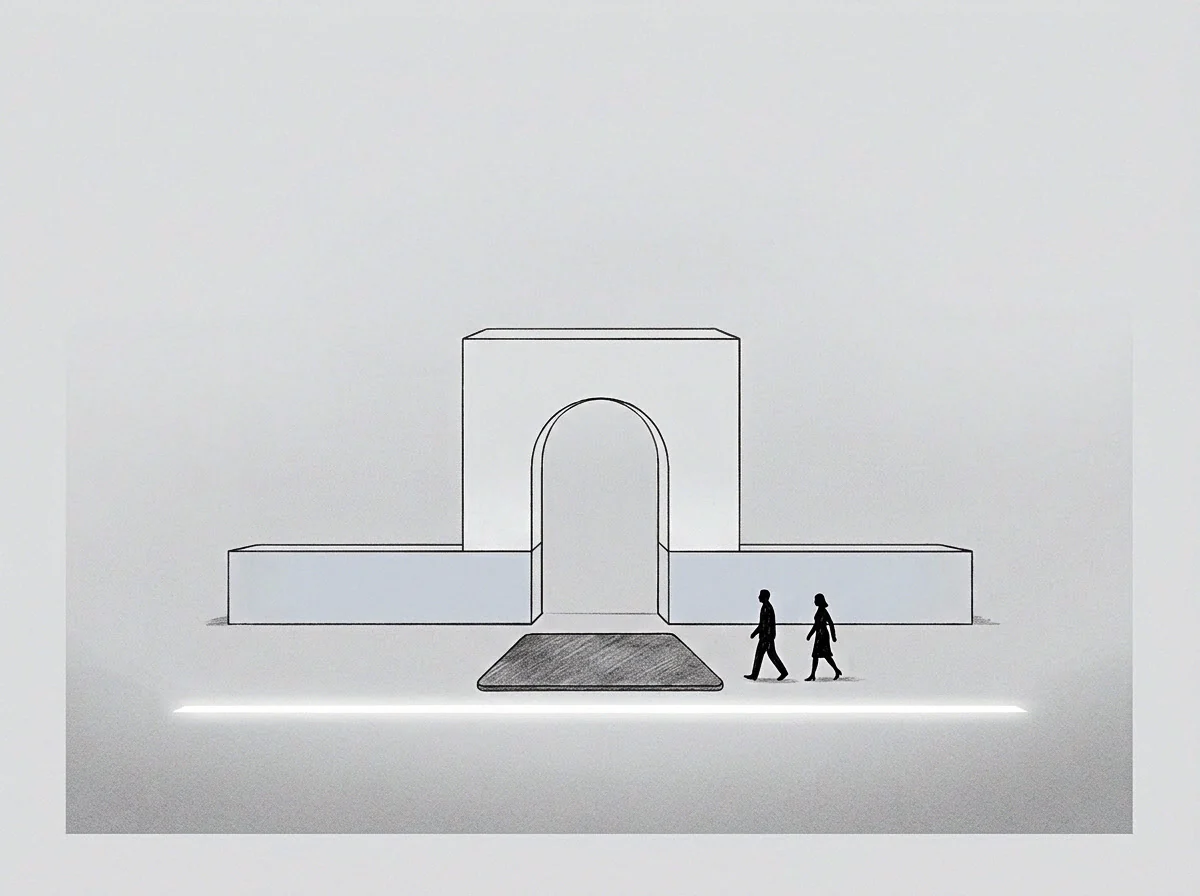
Low-demand proximity rebuilds receptor sensitivity by removing verbal and emotional tasks, allowing the brain to process social presence as a metabolic asset.
The terms are written where they belong. Each field holds three desks, and every entry a desk writes raises the terms it uses, each term given a meaning, a mechanism and the places it appears. The record on these pages stays first person and hand made; the fields grow the nomenclature.