

Neural Receptor Slot Recoupling Dynamics In Primary Operators Facing Prolonged Dyadic Load
Neural receptor slot recoupling restores reciprocal co-regulation capacity in primary operators by replacing high-cost self-regulation with earned security.
Neural receptor slot recoupling restores reciprocal co-regulation capacity in primary operators by replacing high-cost self-regulation with earned security.
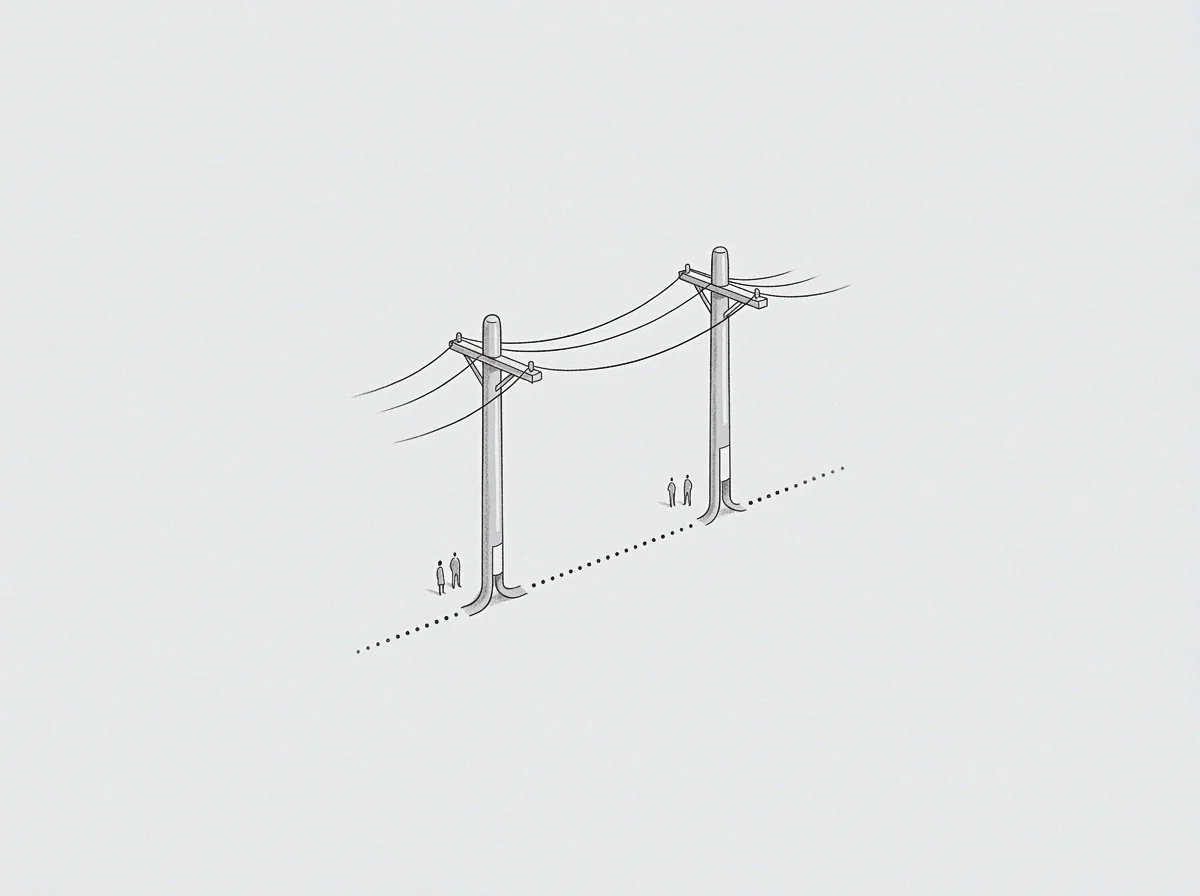
Solitary operation trains neural systems to treat self-regulation as sole baseline, raising metabolic energy costs when dyadic pairing requires shared load.
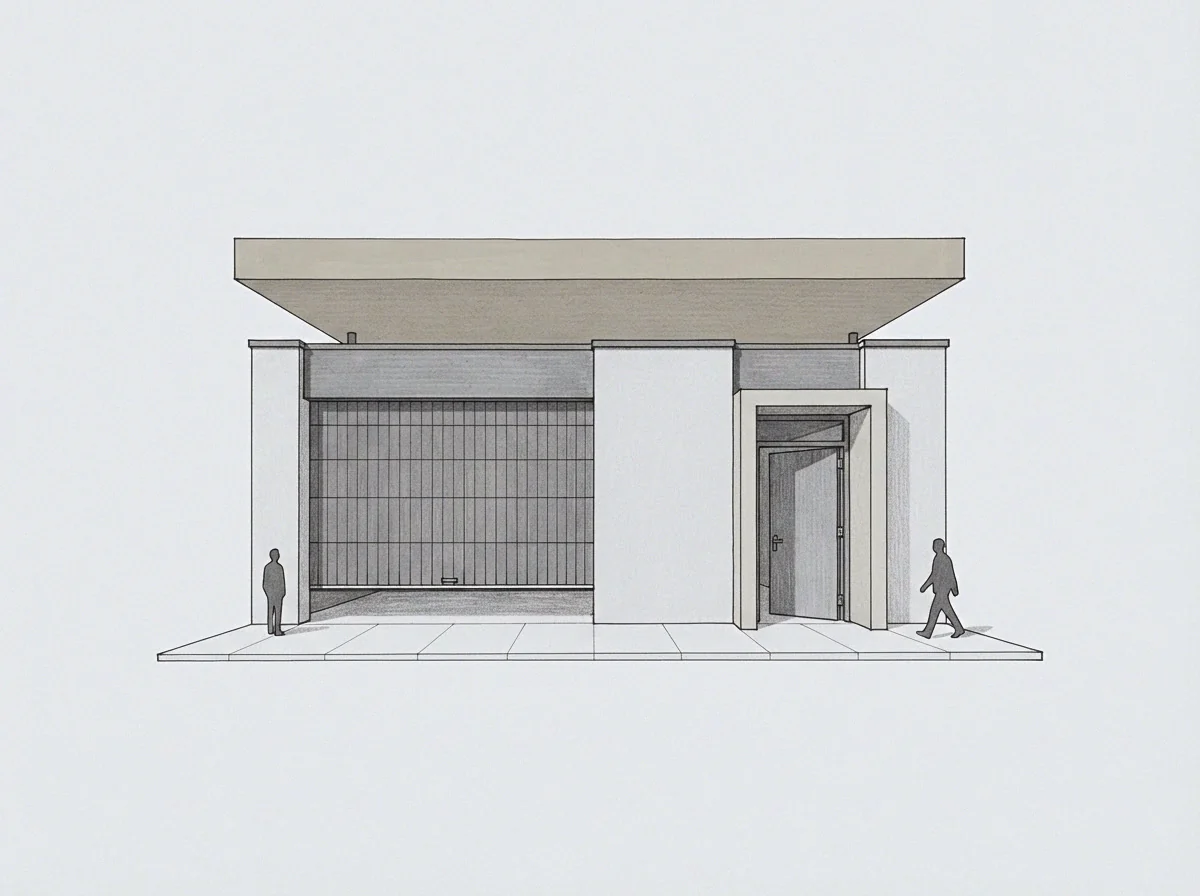
Dyadic re-entry succeeds when a solo operator establishes explicit domain boundaries and allows repeated peer reliability to recalibrate autonomic threat baselines.

Extended unbuffered solitude downregulates ventral vagal tone, requiring low-demand passive co-regulation to restore neuroendocrine balance.

Sustained solitary leadership downregulates glucocorticoid receptor sensitivity through unbuffered stress drive, causing chronic inflammation and metabolic fatigue.

Unbuffered solo strain alters diurnal cortisol rhythms and increases metabolic expenditure by requiring continuous self-regulation without baseline social buffering.
When escalation channels close permanently, local nodes rebuild regulatory capacity by replacing borrowed stability with explicit containment limits.

Structural boundaries block upward risk migration under shock, forcing local units to mitigate threat locally and preserving central operator capacity.
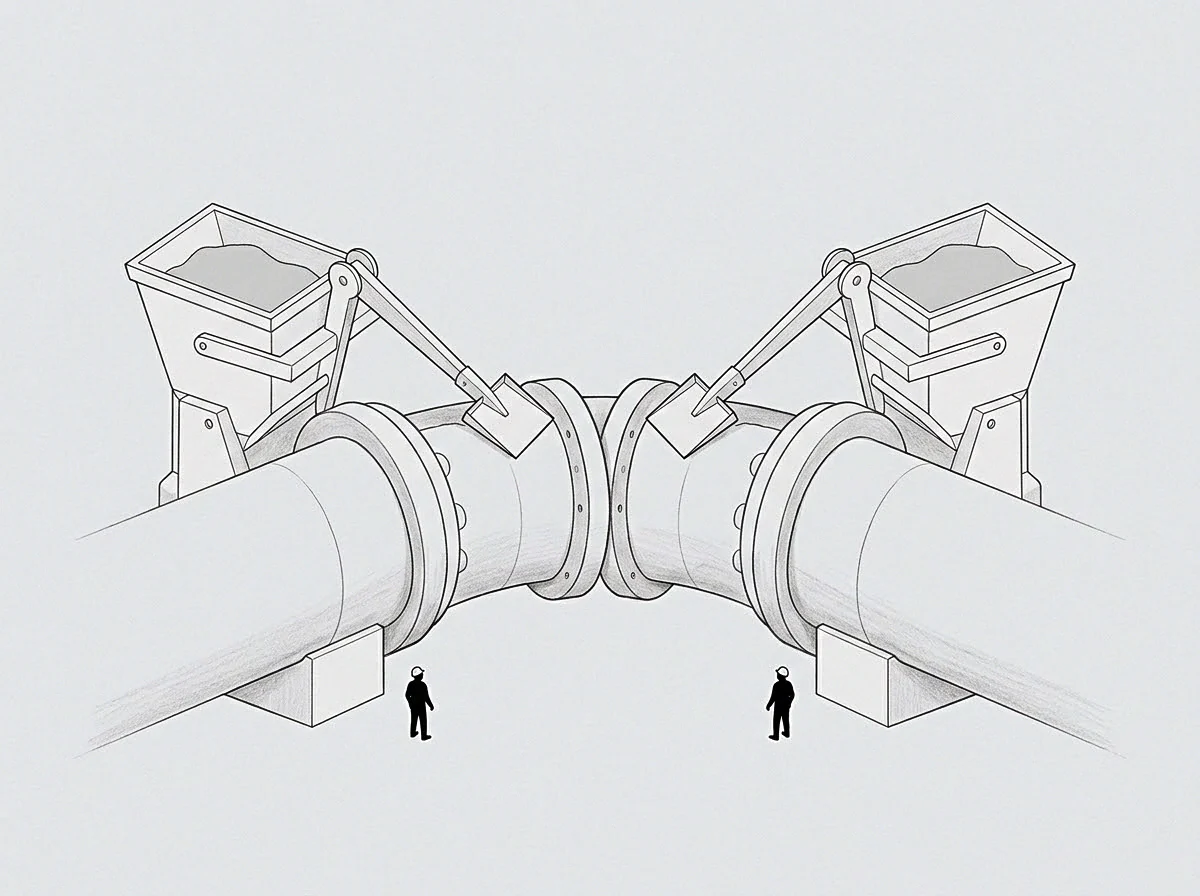
Executive allostatic load accelerates in distributed crises because asynchronous channels eliminate social baseline co-regulation while continuous pings demand uninterrupted threat budgeting.

The human brain budgets metabolic regulation by assuming relational proximity; high-stakes leadership isolates regulators, forcing expensive unassisted self-regulation that accumulates severe allostatic load.

Persistent organizational co-regulation without personal buffering forces executive autonomic systems to absorb environmental volatility as elevated baseline allostatic load.

Subcortical survival circuits prevent secondary cognitive templates from replacing primary autonomic baselines because executive overrides degrade under acute metabolic load.
High allostatic load prioritizes immediate survival metabolism, shutting down the dorsal vagal receptive state necessary to update safety templates.

Relational working model snaps trigger dorsal vagal throttling in primary regulators, requiring structured sensory isolation and micro-paced co-regulation to rebuild neural receptor slots.

Exhaustion of borrowed calm bandwidth causes total breakdown of the regulator template, forcing autonomic disengagement and revealing the biological cost of unbilled co-regulation.
Social baseline theory demonstrates that the brain budgets regulation as a shared economy, making solitary vigilance an expensive deviation from default rest.
Executive leaders absorbing team anxiety without a co-regulating partner exhaust their autonomic baseline, forcing physiological debt and systemic collapse.
Prolonged unilateral responsibility recalibrates neural threat budgets, shifting baseline regulation from shared proximity to expensive solitary defense.
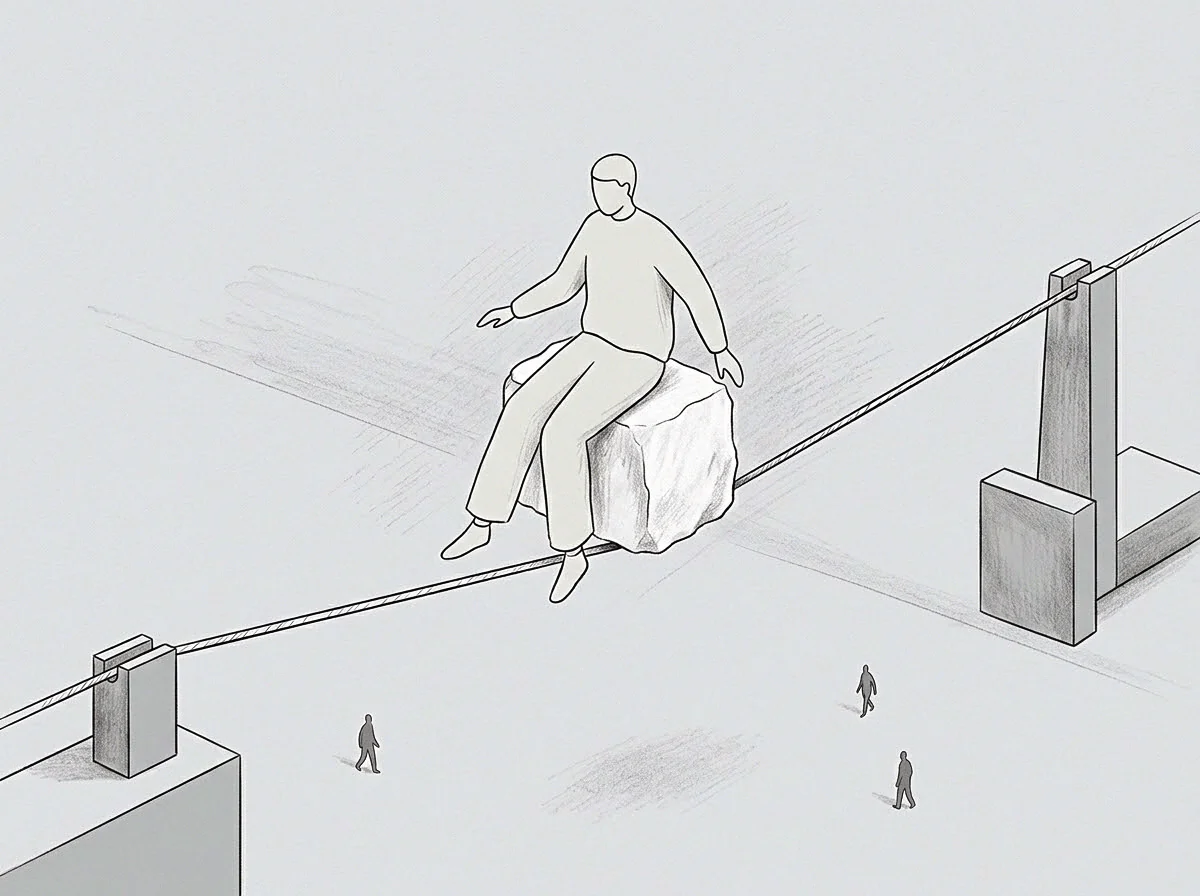
Executive allostatic load drops when organizational protocols enforce hard concurrency limits and distribute physiological coregulation across leadership layers.
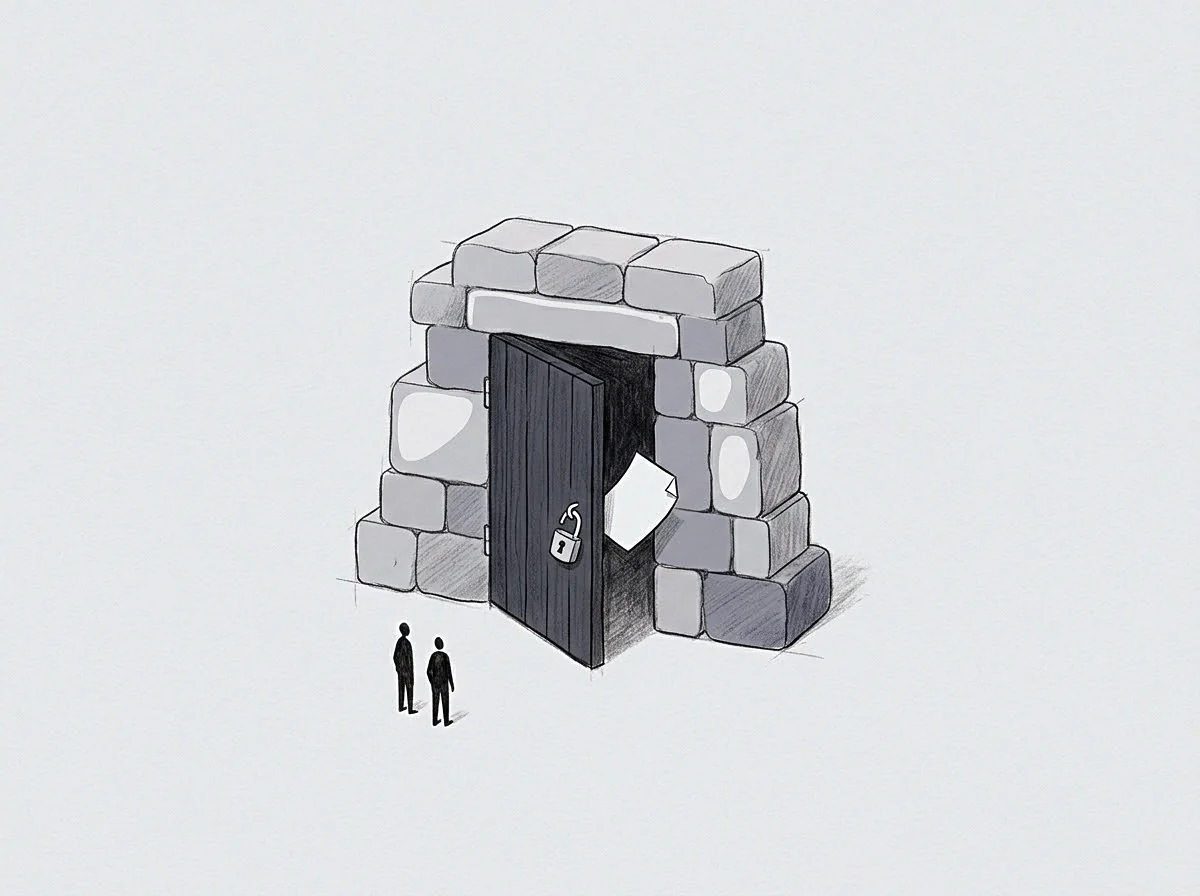
Executive authority under acute threat relies on internal working models that shift bioenergetic regulation costs onto individual leaders.

Earned security in solitary founder seats requires repeated visceral experiences of non-punitive co-regulation that gradually reopen atrophied receptor slots.

Unreciprocated coregulation forces a nervous system to self-regulate alone under load, driving sustained allostatic wear and physiological exhaustion.
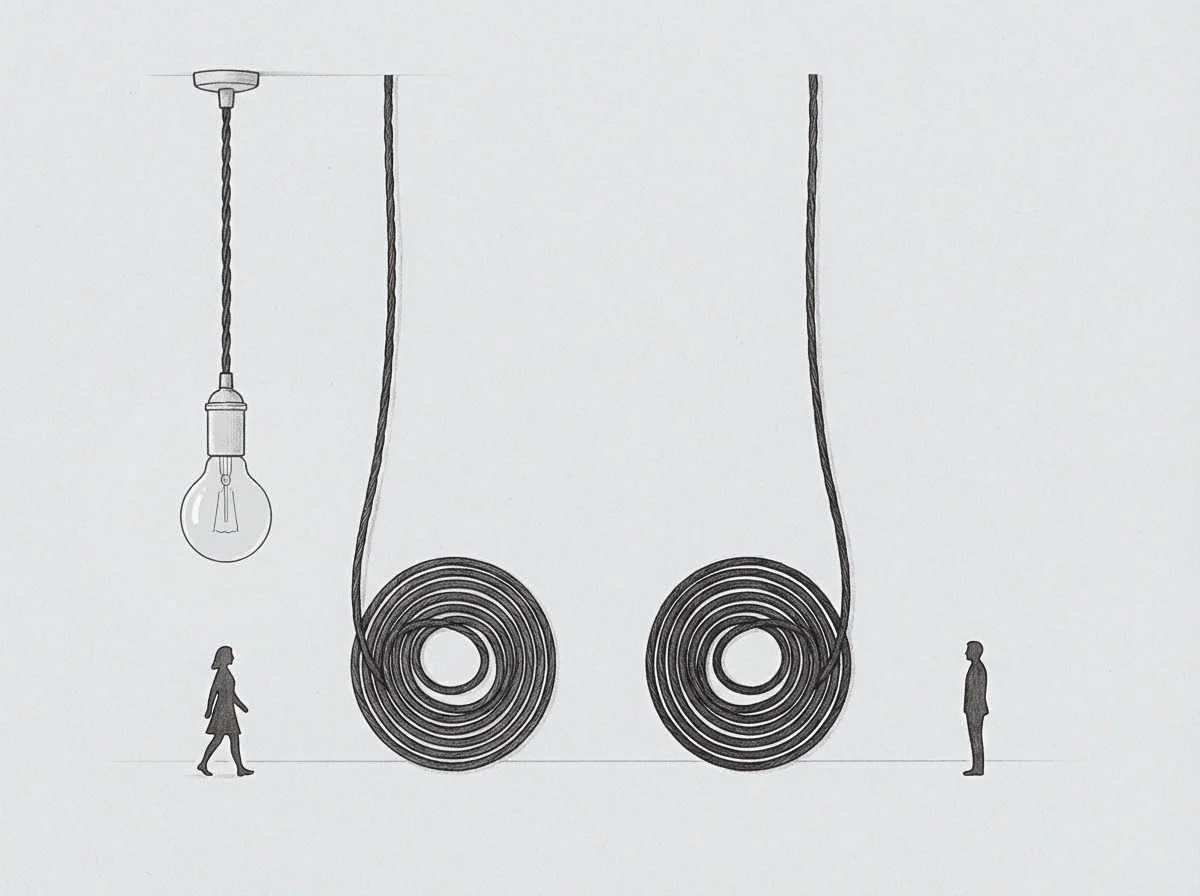
The brain defaults to shared social proximity to conserve energy, rendering solitary self-regulation metabolically expensive and prone to systemic fatigue.

Non-reciprocal relational architecture forces isolated self-regulation, generating high allostatic load that blocks earned security updates until reciprocal co-regulation is introduced.

Primary regulators absorb partner stress through proximity, lowering partner autonomic costs while quiet allostatic expenditure consumes the regulator baseline.
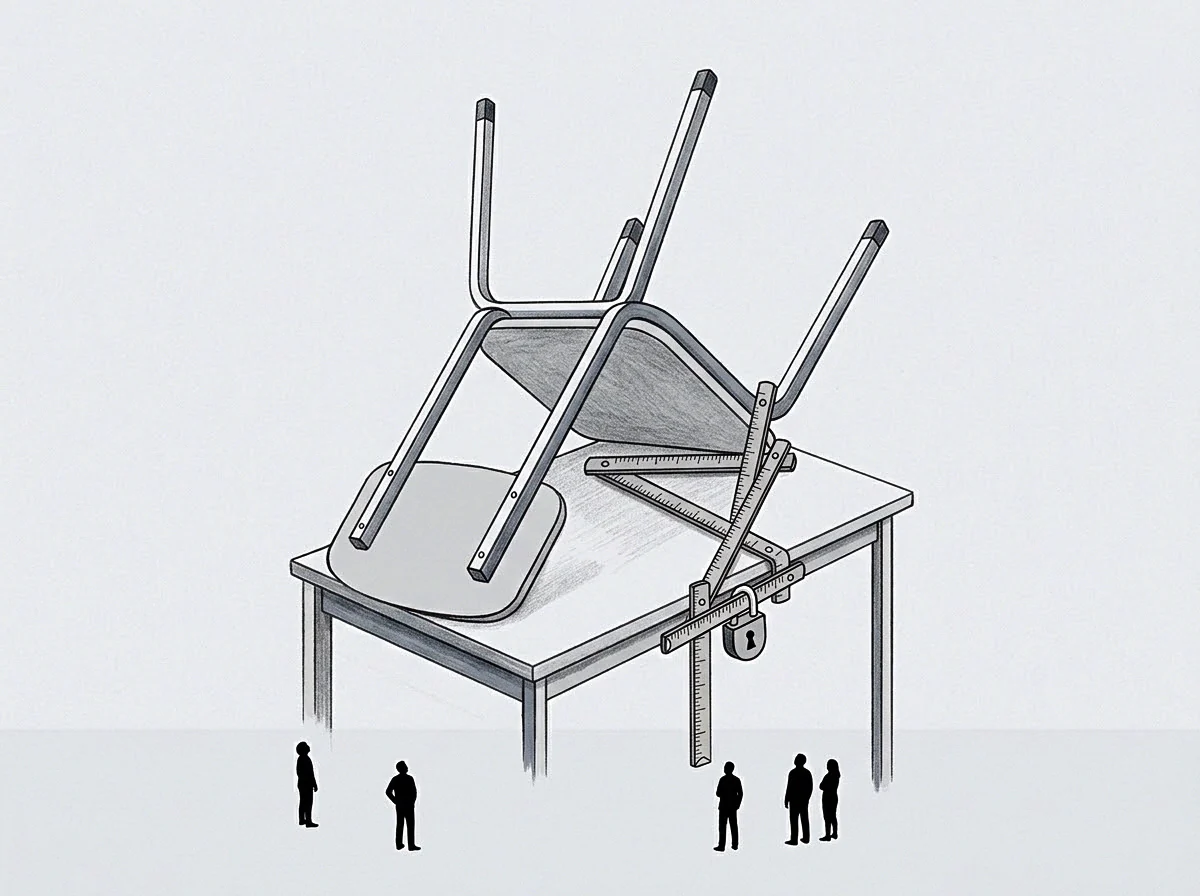
Self-regulation under persistent threat extracts high metabolic energy, whereas proximity to a stable leader transfers regulation costs onto the baseline.
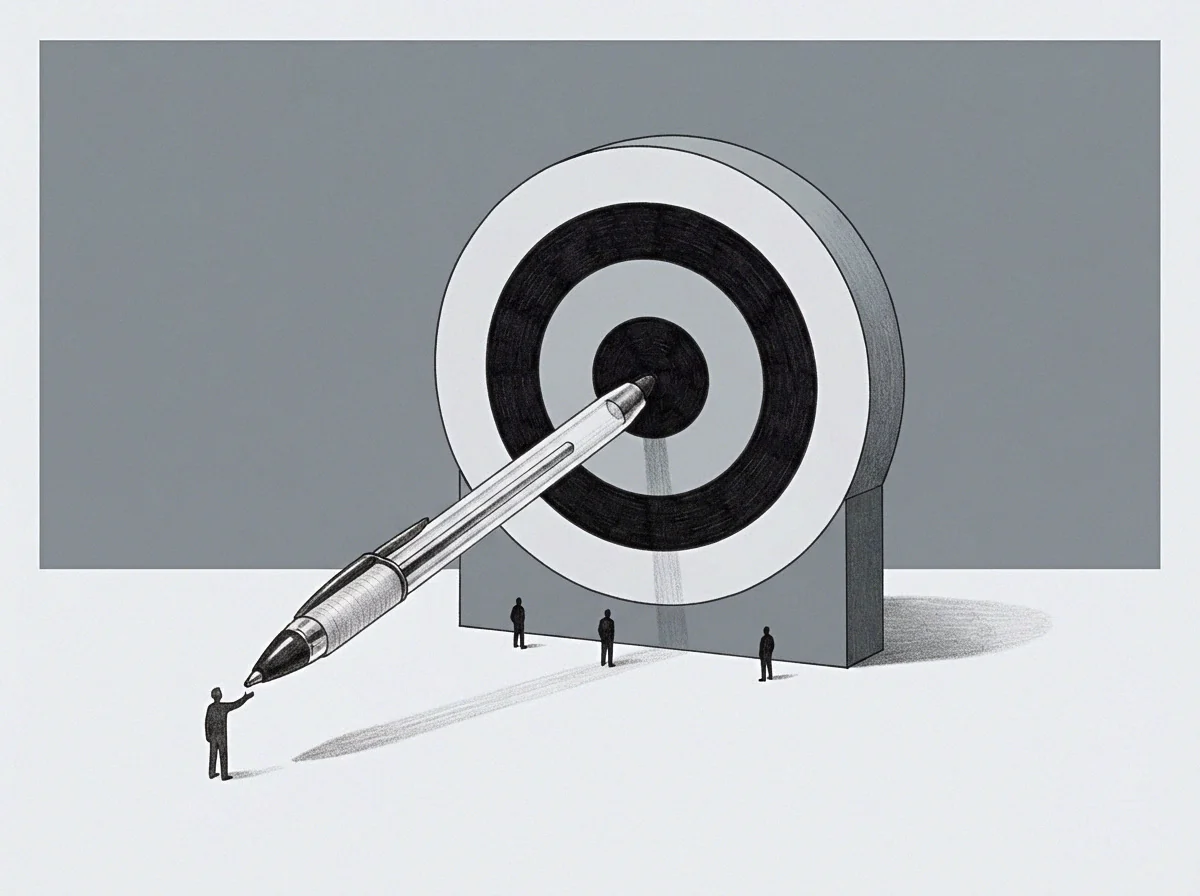
Receptor slot construction replaces solitary executive threat processing with earned security formed through repeated somatic co-regulation experiences.
Executive capacity collapses when leaders absorb team anxiety through unbuffered availability rather than shared physiological baselines.

Social baseline theory demonstrates that proximity to a steady partner lowers individual threat vigilance and prefrontal metabolic cost by sharing regulation.
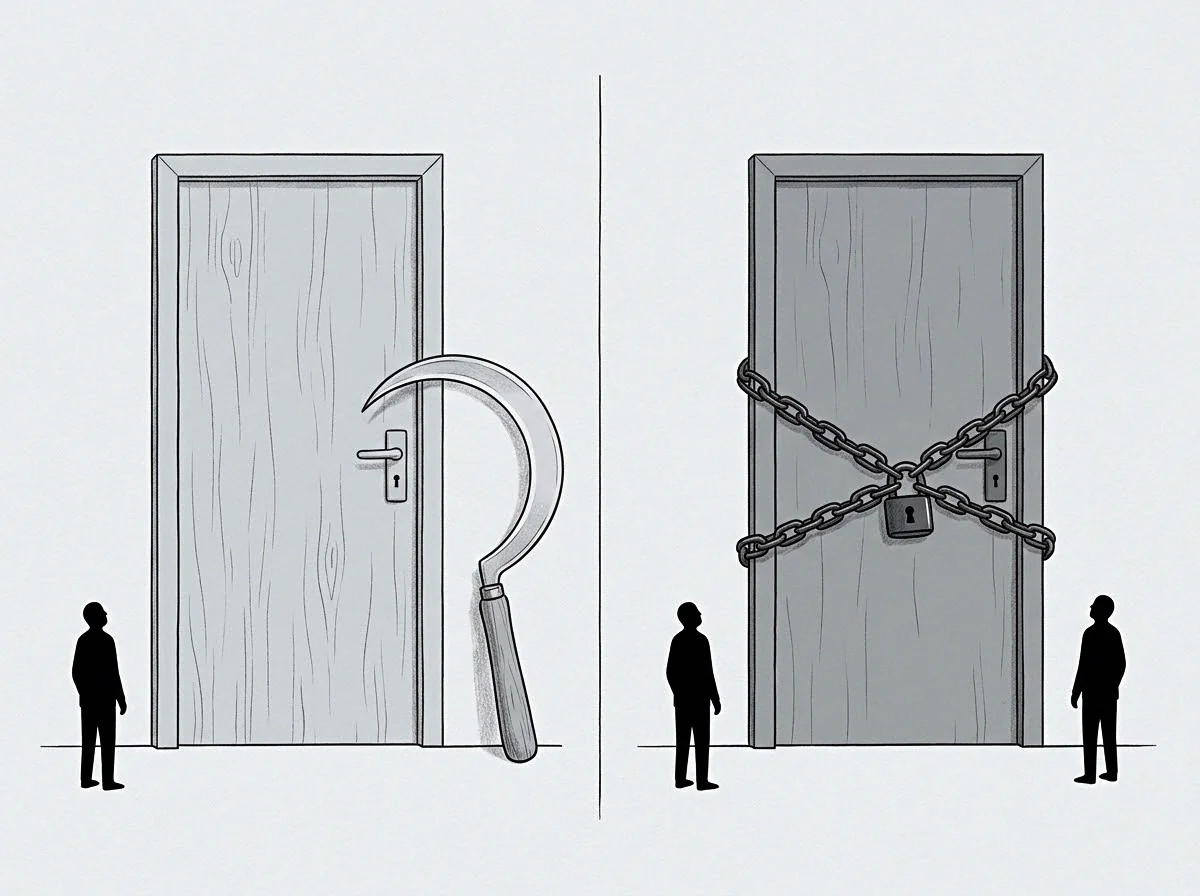
High allostatic load in autonomous executive seats blocks the neural reconsolidation required to update historical security templates without co-regulation.
The terms are written where they belong. Each field holds three desks, and every entry a desk writes raises the terms it uses, each term given a meaning, a mechanism and the places it appears. The record on these pages stays first person and hand made; the fields grow the nomenclature.