

Rebuilding Somatic Safety When Leadership Load Outpaces Capacity
Somatic safety recovers when structural isolation arrests incoming operational load, allowing relational proximity to restore autonomic resilience over time.
Somatic safety recovers when structural isolation arrests incoming operational load, allowing relational proximity to restore autonomic resilience over time.

Structural latency differences arise when biological tissue regeneration rates fail to match real-time relational demands, forcing systemic metabolic debt.
Chronic enterprise strain represses oxytocin receptors via sustained cortisol load; rebuilding them demands prolonged, unpressured co-regulation without demand.
Resetting baseline nervous system tone requires shifting from expensive solitary allostatic defense to bounded co-regulation and enforced operational limits.
Extended solitary building dismantles social baseline regulation, forcing the nervous system into high-cost vigilance that updates only through calm physical proximity.

Extended solitary command recalibrates neural threat setpoints, creating a persistent sympathetic lag that outlasts the objective crisis by months.
Prolonged solitary strain forces the autonomic nervous system to classify proximity as a threat, raising baseline vigilance until low-demand presence updates the internal working model.
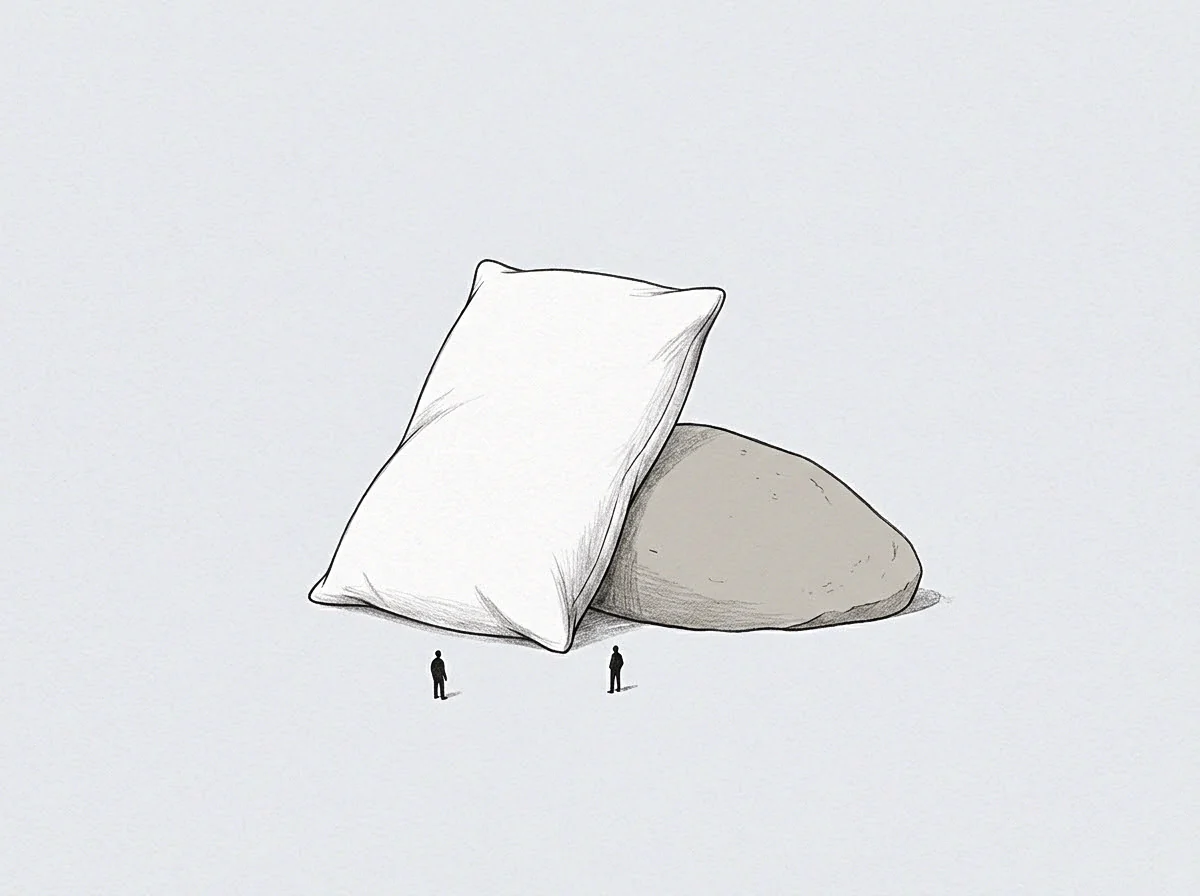
Chronic autonomic exhaustion destroys the neural capacity for social engagement, rendering founding partners biologically unable to execute sustainable relational renegotiation.
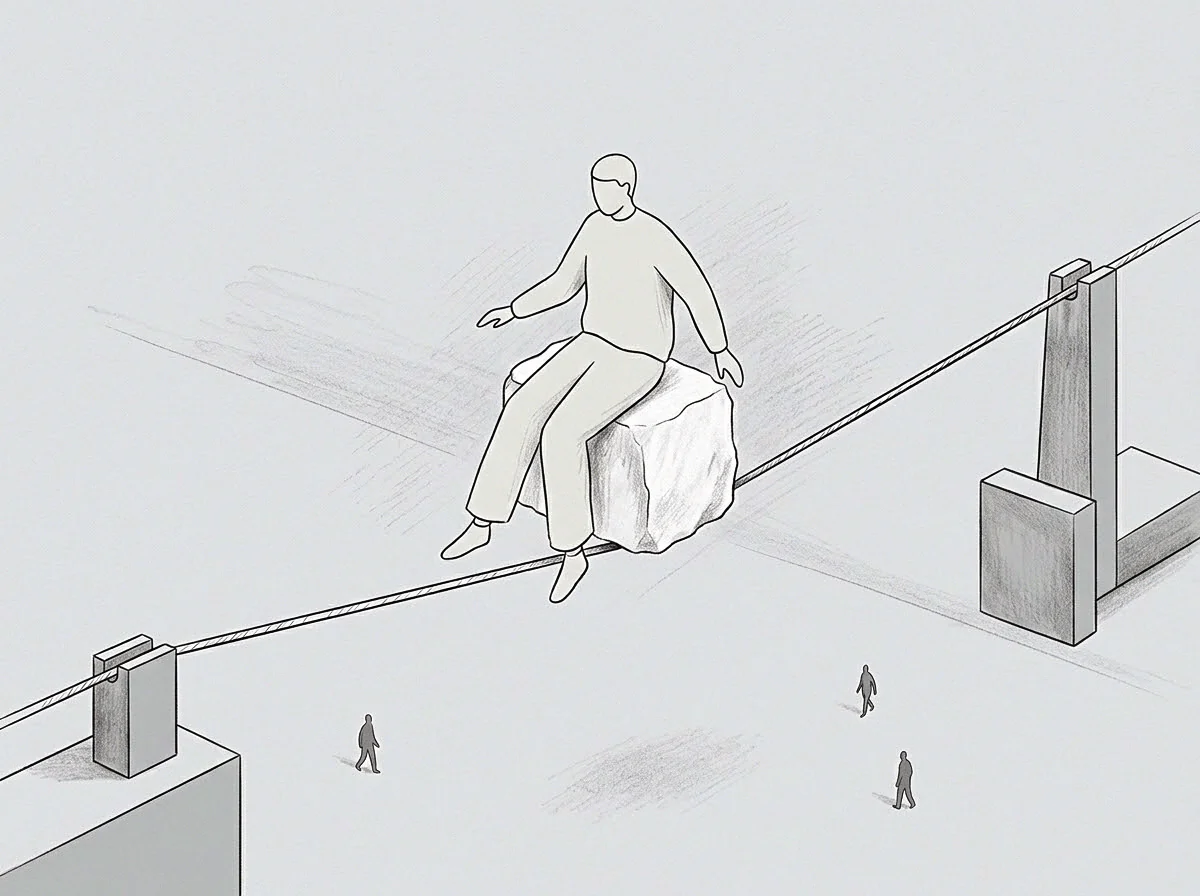
Asymmetric regulatory burden appears when one partner absorbs operational volatility while the other unconsciously borrows stability to maintain personal focus.

Solitary venture liability forces persistent sympathetic activation and vagal brake failure, transferring metabolic stability to unexposed partners at heavy autonomic cost.

Proximity to an unmoving leader allows panicking teams to borrow autonomic stability under enterprise threat, shifting metabolic survival costs onto one nervous system.
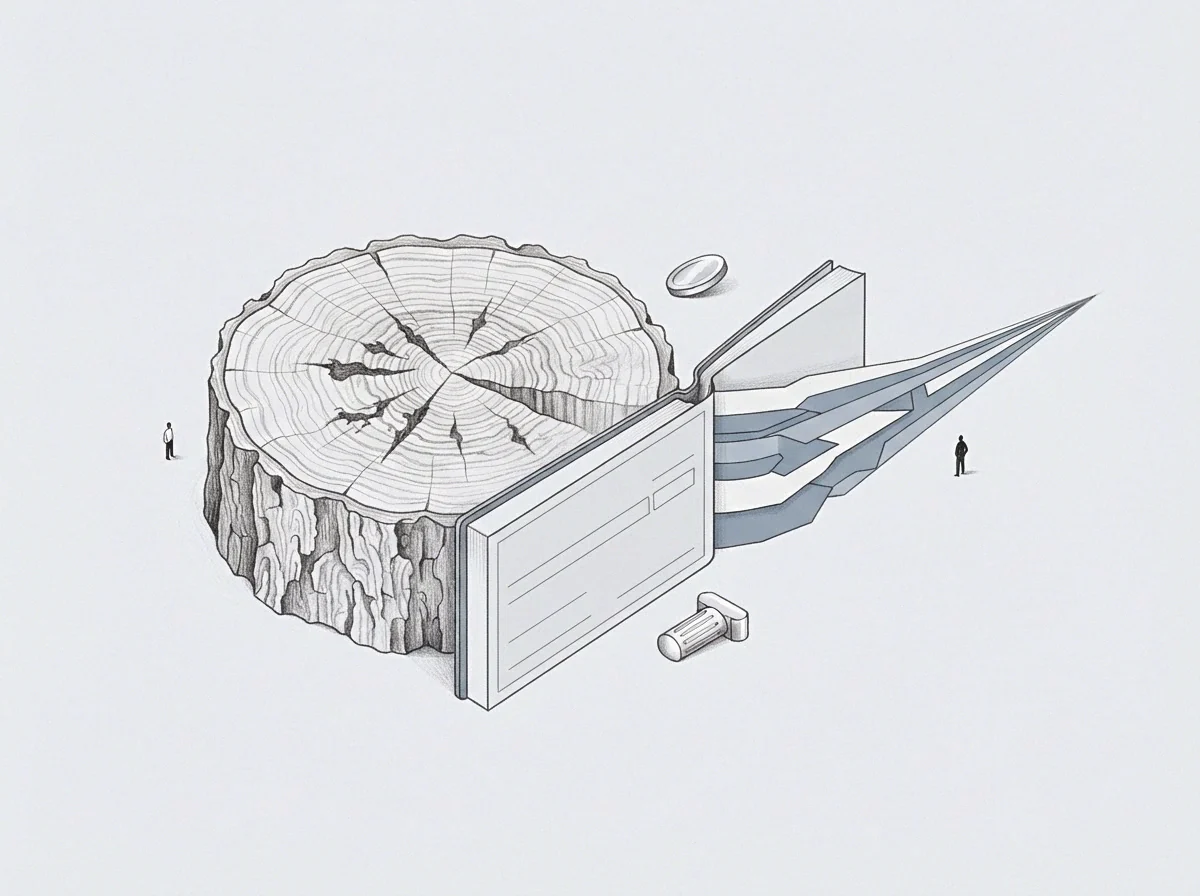
Repeated enforcement of mechanical external limits stops organizational metabolic extraction and builds earned security by updating the executive attachment model.
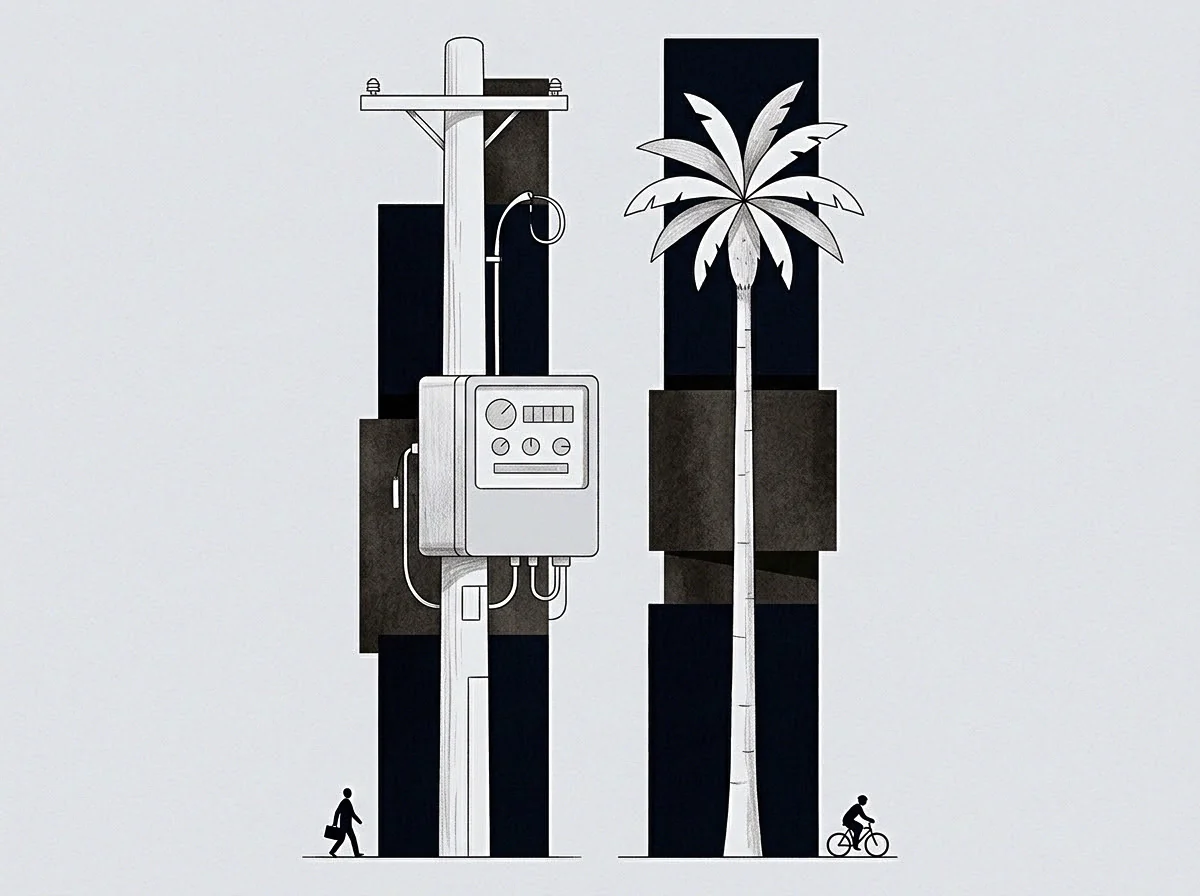
Allostatic load in solitary venture leaders stems from unreciprocated down-regulation of organizational panic through an isolated prefrontal cortex.
Human brains budget threat assuming proximity to reliable peers; scaling distributed teams removes this baseline, dumping crushing allostatic debt onto founders.
Structural governance distributes operational risk across multiple nodes by enforcing non-negotiable intake limits, latency buffers, and partitioned authority.

Operational leaders develop real regulatory capacity only when executives cease absorbing systemic shocks and permit direct exposure to operational friction.

Unexamined working models of unilateral holding convert peer calmness into threat signals, preventing somatic down-regulation during shared co-regulation protocols.
A stated operational limit forces distributed problem resolution by halting the passive metabolic absorption of collective threat by a single steady colleague.
Repeated exposure to contingent co-presence during operational threat recalibrates neural budgets and constructs an earned regulatory template.
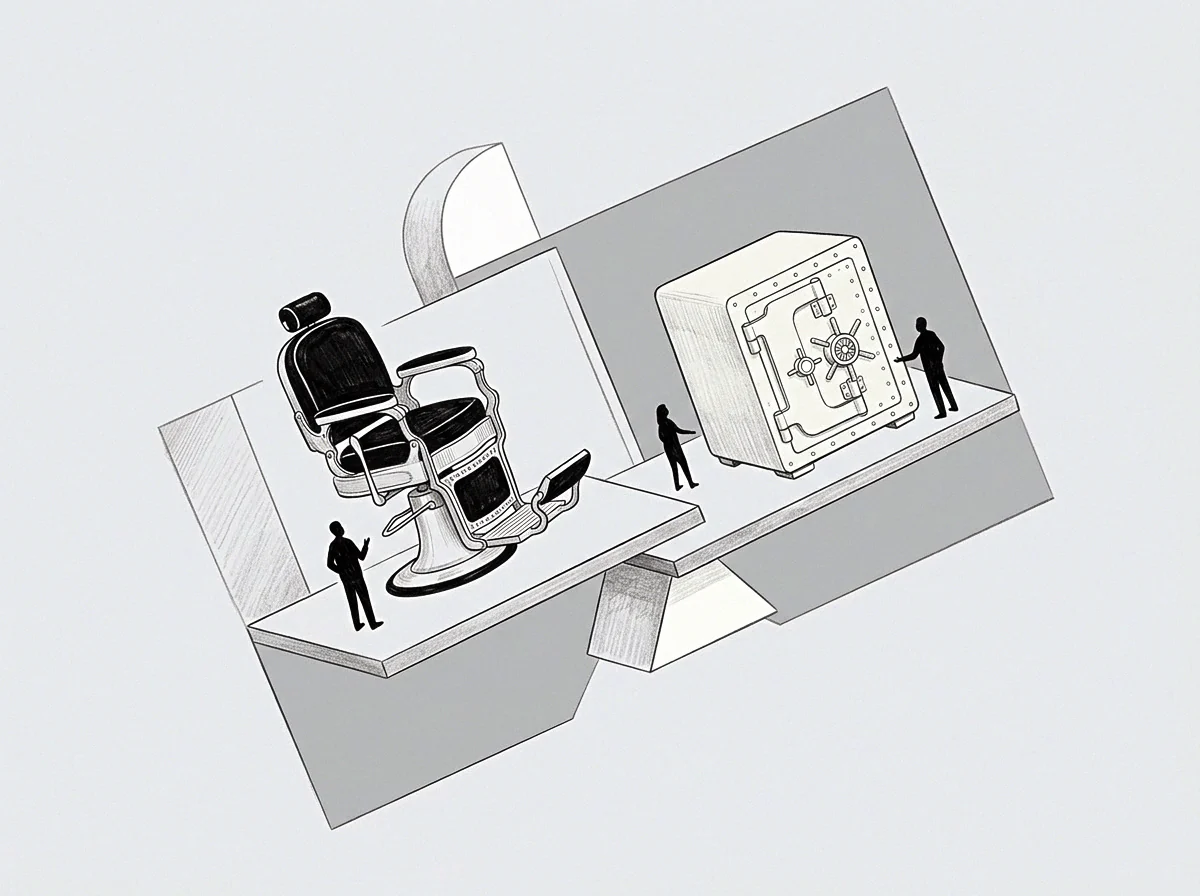
Borrowed calm functions as an energetic subsidy that depletes the allocator while allowing surrounding teams to operate without registering structural risk.

Earned security updates backward working models through repeated experiences of reliable co-regulation, redistributing executive metabolic load to shared baseline infrastructure.

Human autonomic systems conserve energy through physical proximity, setting an absolute biological limit on how many decisions one body can stabilize.

Rapid organizational scaling overloads executive autonomic reserves by substituting peer co-regulation with solitary, asymmetric metabolic maintenance.
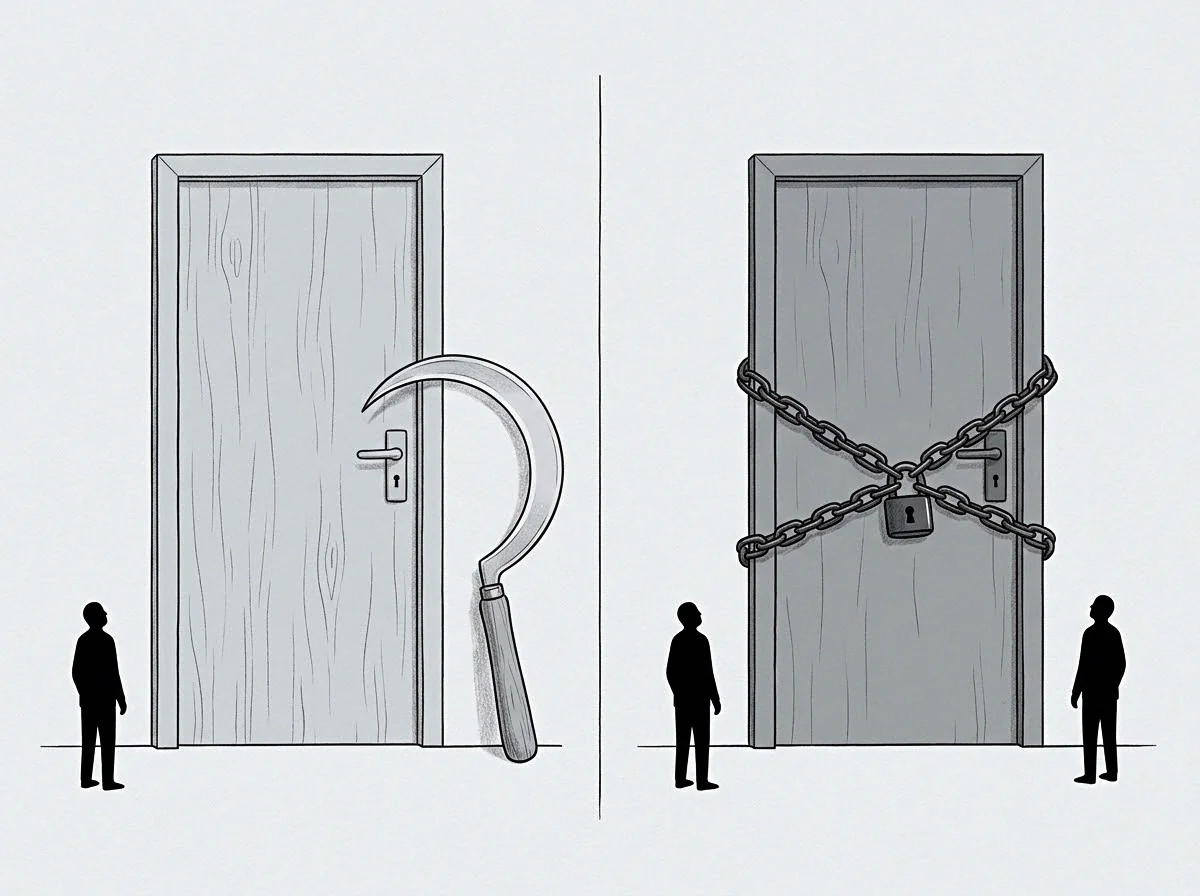
Executive concurrency limits emerge from biological working memory constraints when organizations offload systemic regulatory demands onto an isolated leader.
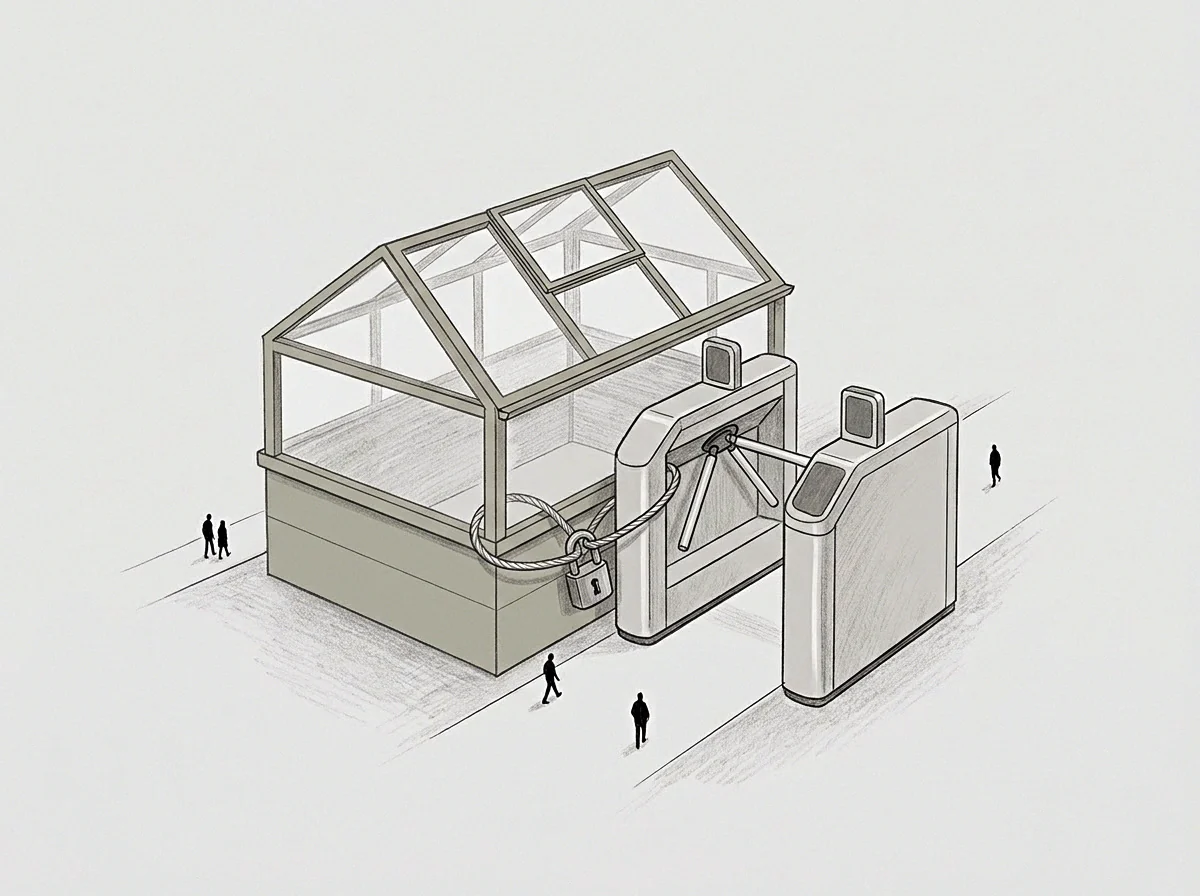
Local co-regulation capacity expands only when experienced leads absorb peripheral nervous system load through physical presence and explicit intake limits.

Asymmetrical executive teams stabilize when the primary regulator converts unspoken physiological holding into explicit structural limits and measured latency.
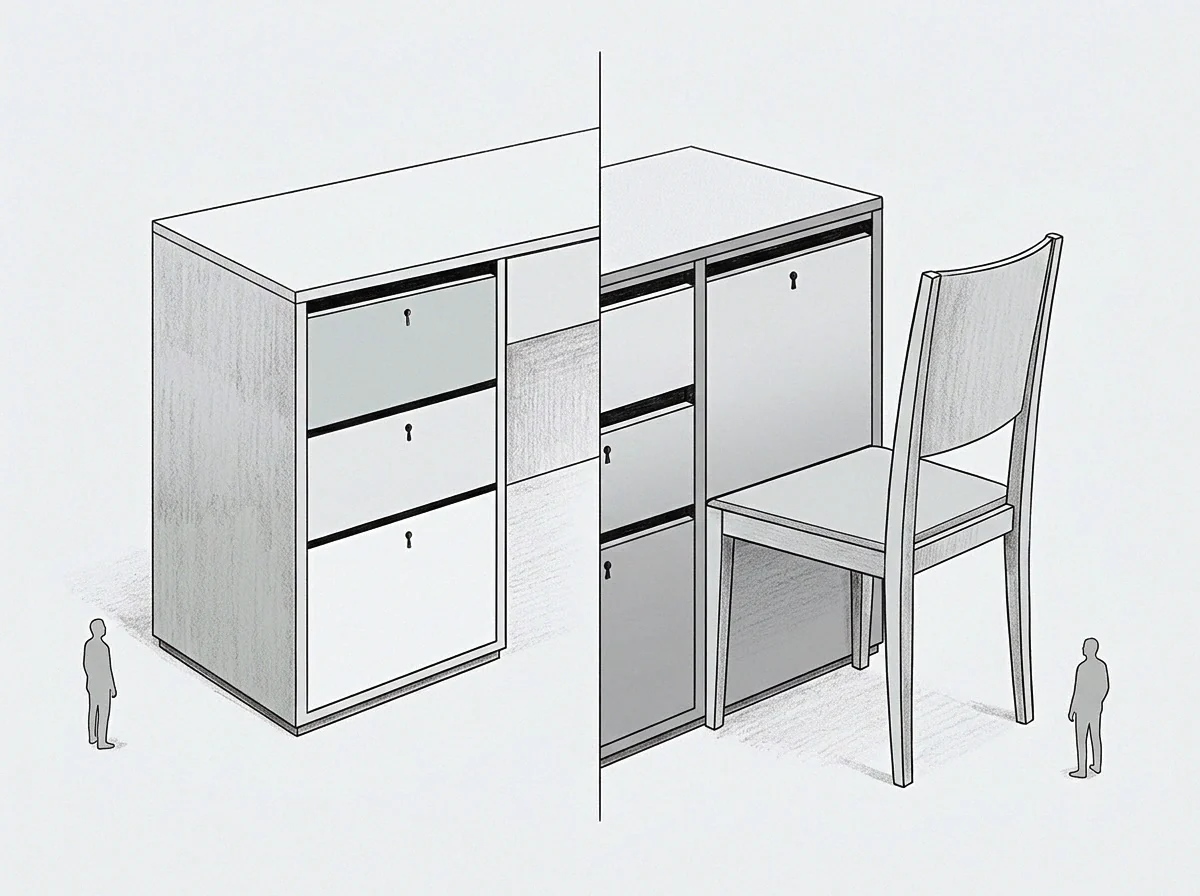
Physical co-presence lowers neural vigilance by distributing regulation costs across stable bodies, reducing solitary allostatic load.
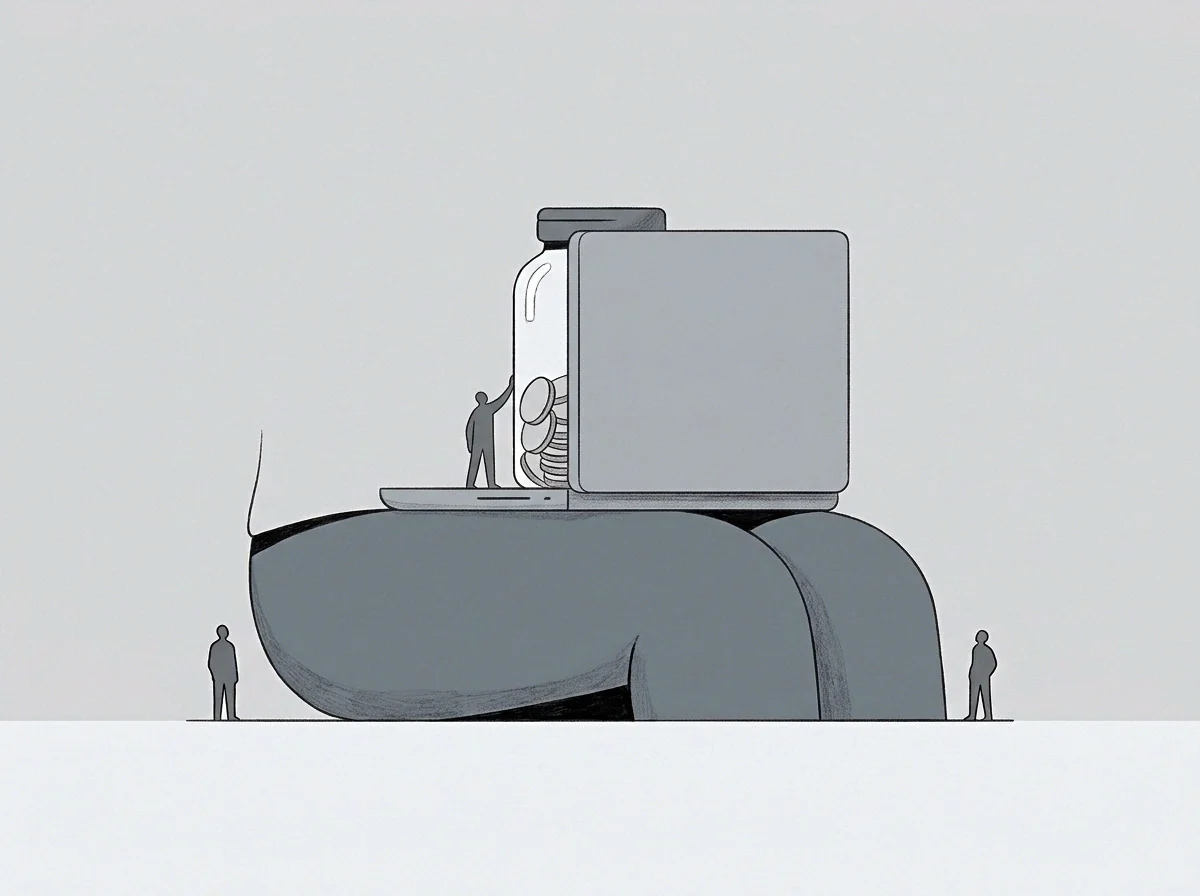
Autonomic recovery requires replacing solitary metabolic threat vigilance with repeated non-demanding physical co-regulation to restore parasympathetic tone.
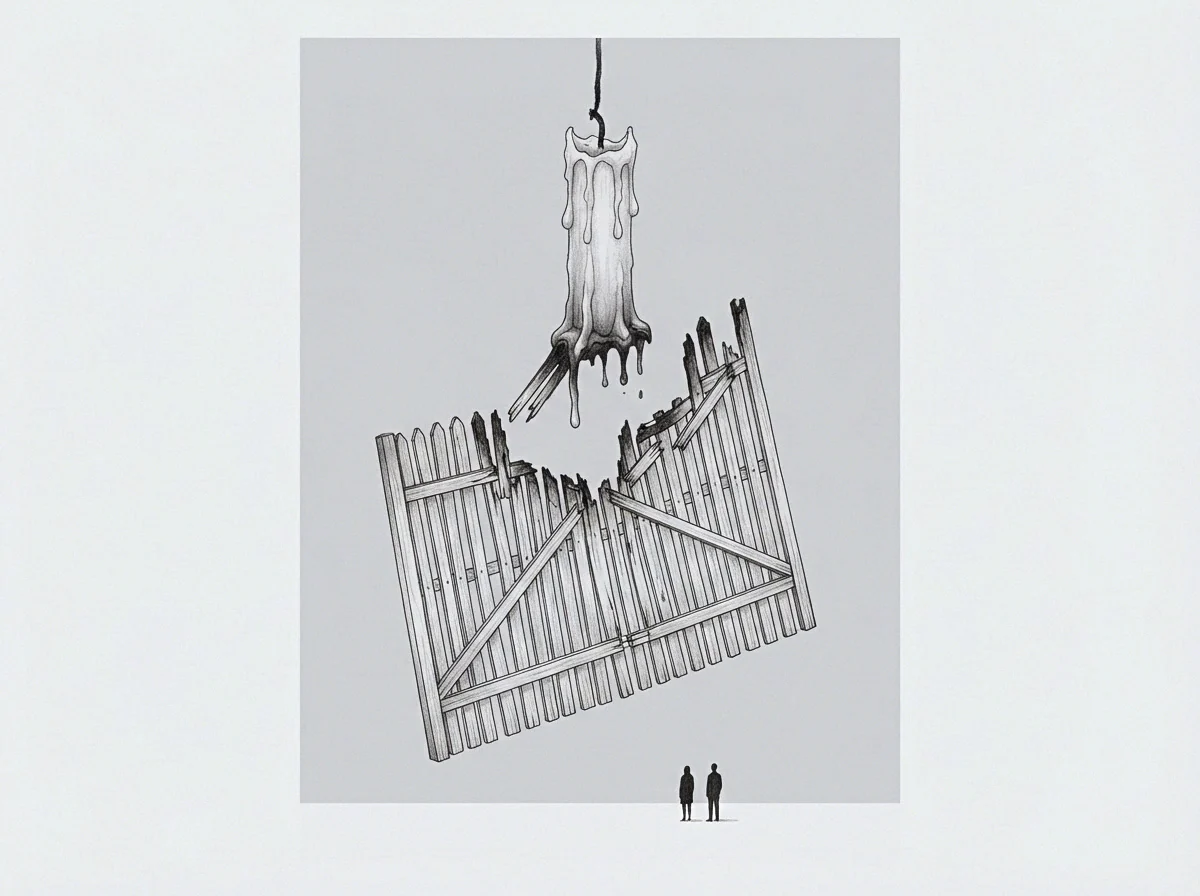
Autonomic depletion during home transitions occurs when external operational demands suddenly vanish, exposing unmasked sympathetic exhaustion before parasympathetic deceleration can engage.
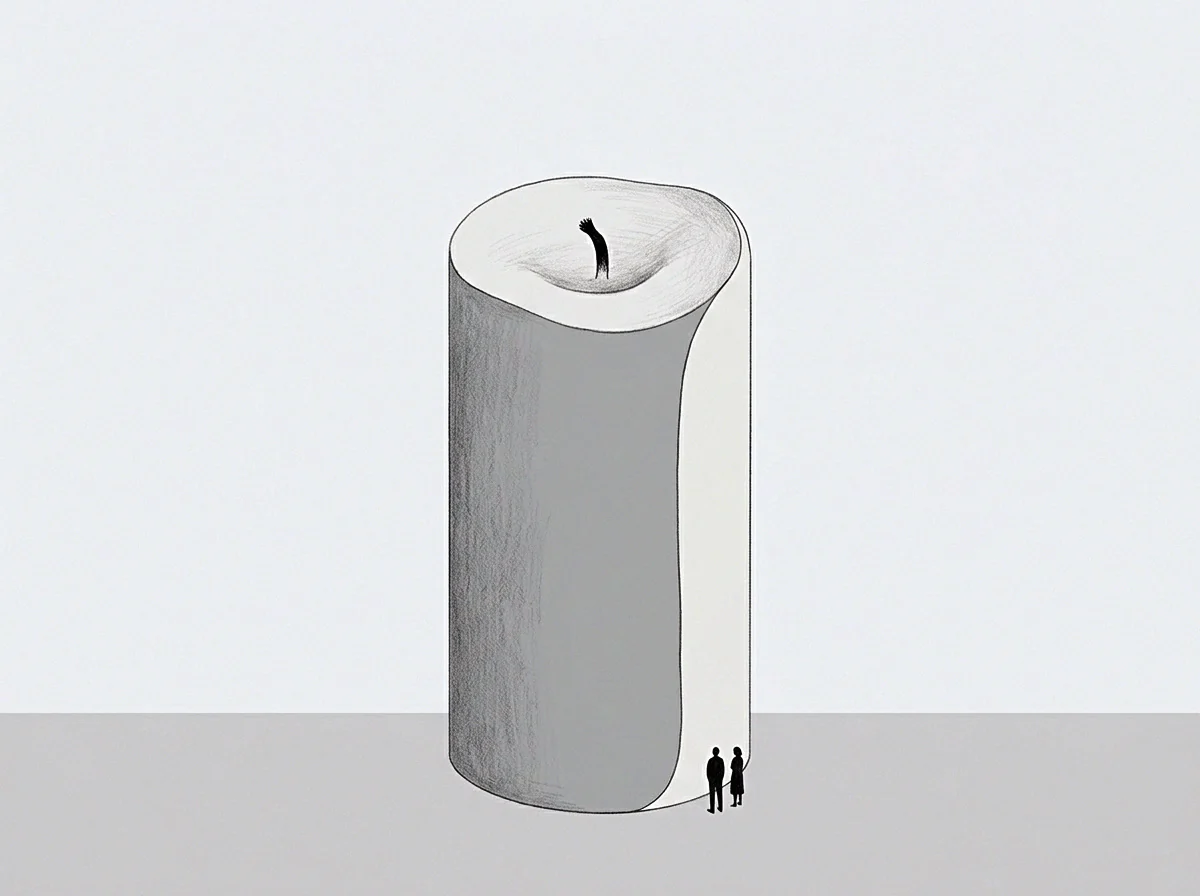
Sustained operational load down-regulates co-regulatory receptors, requiring micro-dosed physical presence to update the baseline template.
The terms are written where they belong. Each field holds three desks, and every entry a desk writes raises the terms it uses, each term given a meaning, a mechanism and the places it appears. The record on these pages stays first person and hand made; the fields grow the nomenclature.