

The Brain Budgets Regulation As If A Reliable Other Is Present
The human brain budgets threat and regulation assuming a reliable other is present, making solitary self-regulation the body's most expensive metabolic mode.
The human brain budgets threat and regulation assuming a reliable other is present, making solitary self-regulation the body's most expensive metabolic mode.

Solitary self-regulation forces the prefrontal cortex to fund threat mitigation from internal metabolic stores without the energy savings of physical proximity.

Prolonged isolation dismantles autonomic receptive capacity by down-regulating vagal circuits, converting co-regulation into a perceived metabolic threat.
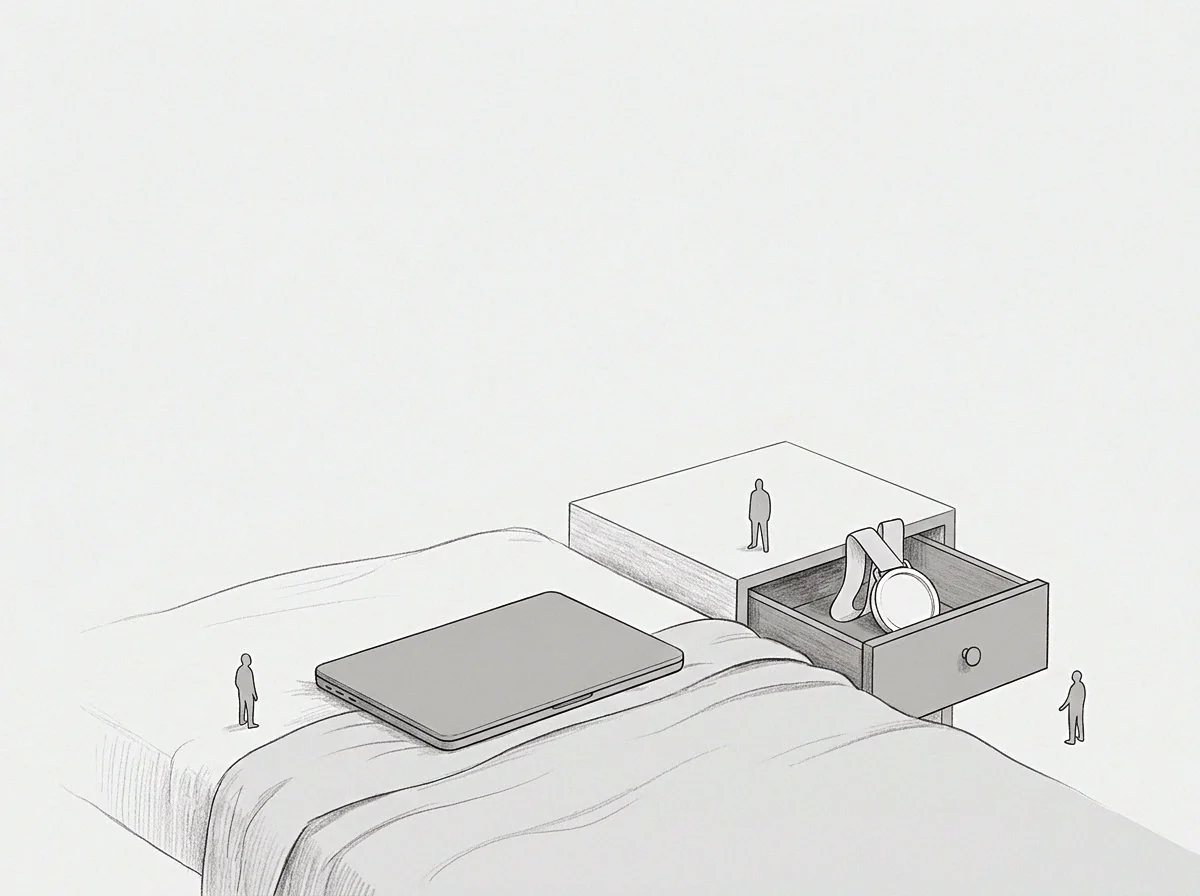
Shared social proximity lowers biological threat monitoring expenditure, while solitary leadership regulation transfers the metabolic tax entirely to the central anchor.
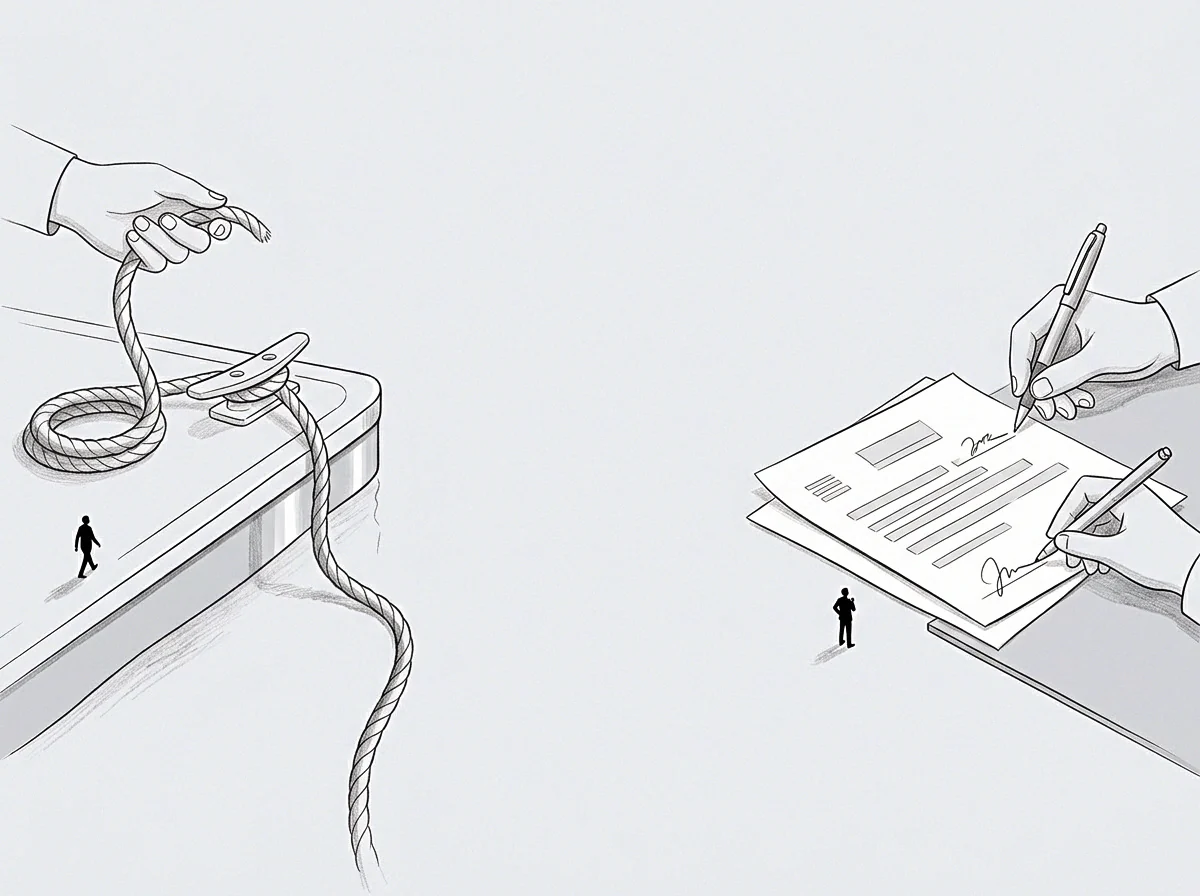
Extended solo operation down-regulates receptive vagal capacity, requiring gradual, non-verbal micro-exposures to safe proximity to restore co-regulation.

Re-entering relational proximity after solitary load triggers sudden parasympathetic withdrawal, forcing expensive metabolic expenditure to fuel unneeded vigilance.
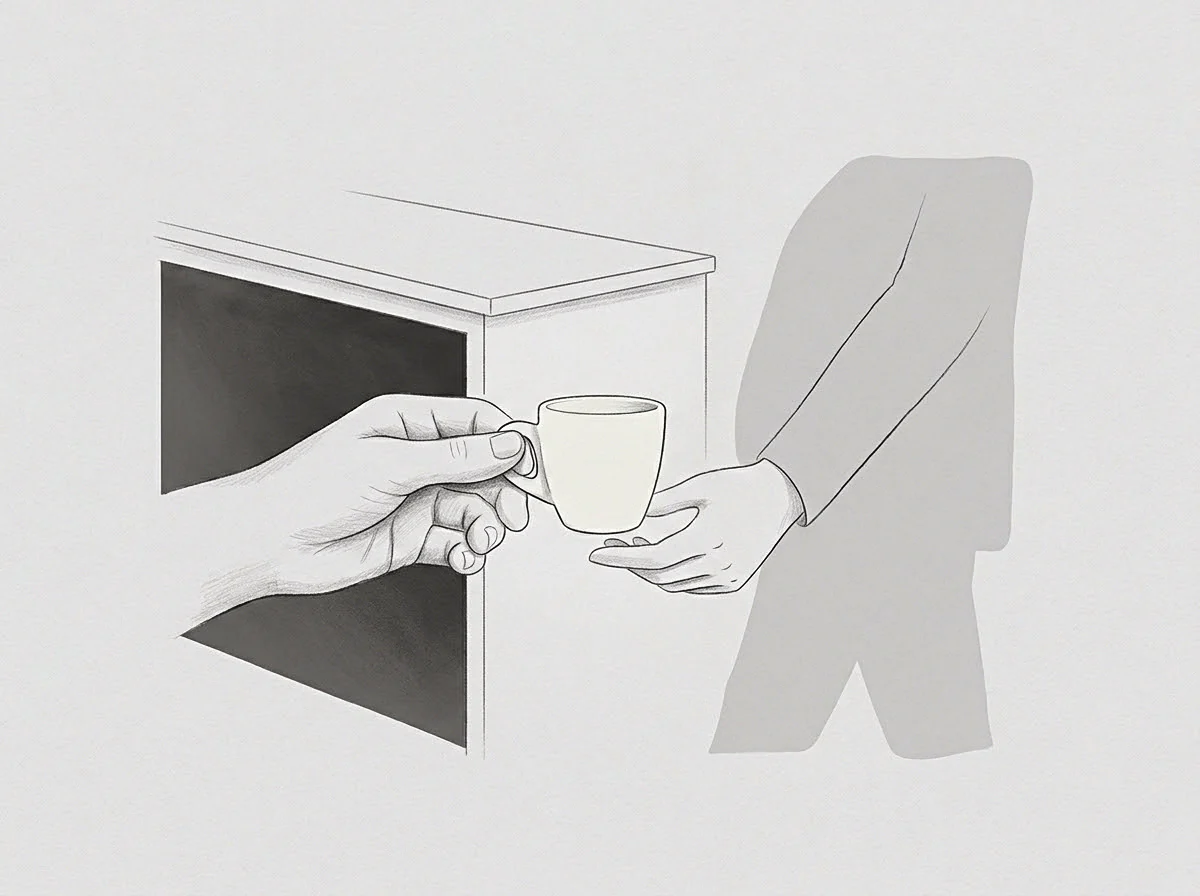
Scaling increases solitary threat appraisal, degrading relational models unless unilateral load absorption shifts toward distributed co-regulation.

Executive load forces solitary metabolic threat budgeting, whereas earned security restores social baseline function to share regulation across peers.

Unilateral relational regulation exhausts prefrontal metabolic reserves, inducing allostatic overload when executive support lacks bioenergetic reciprocity.
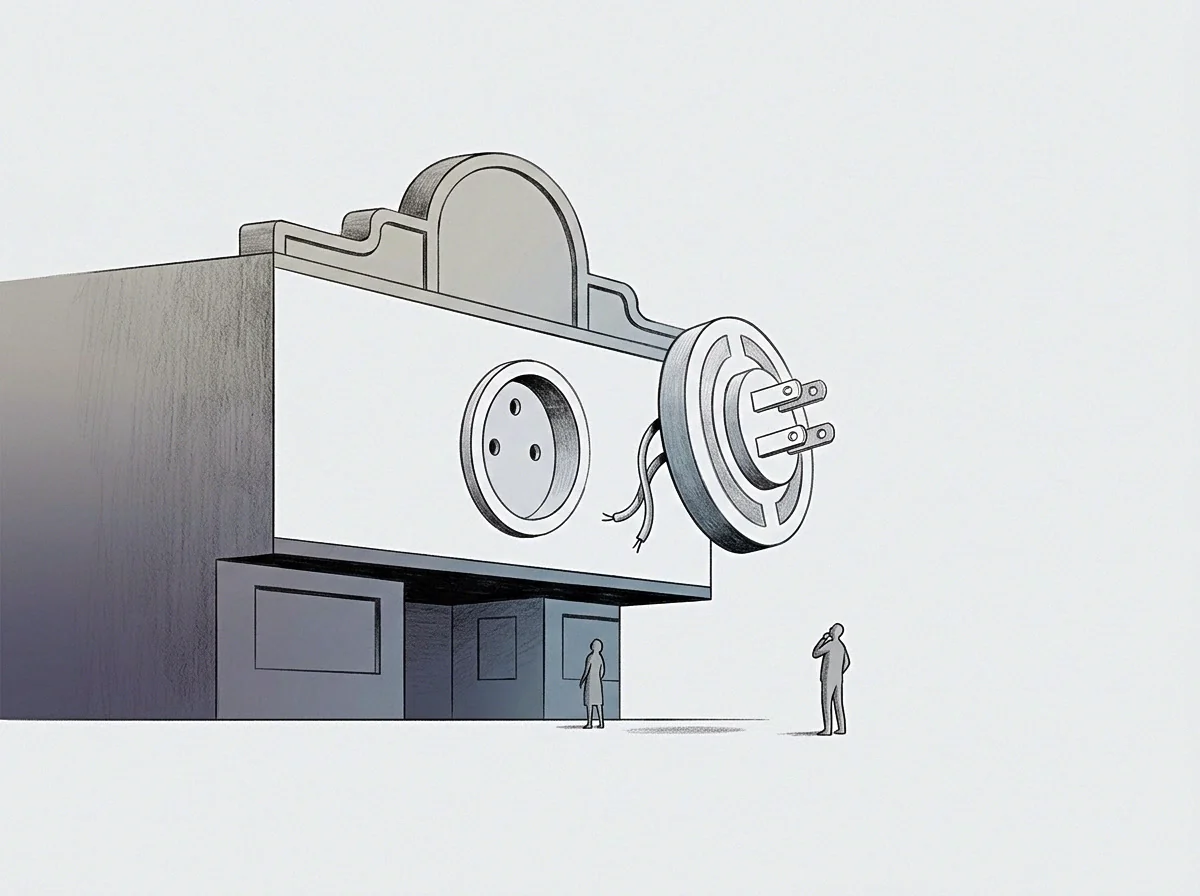
Extended solo building forces the nervous system into high-cost solo regulation, requiring repeated sensory proximity to rebuild capacity for co-regulation.
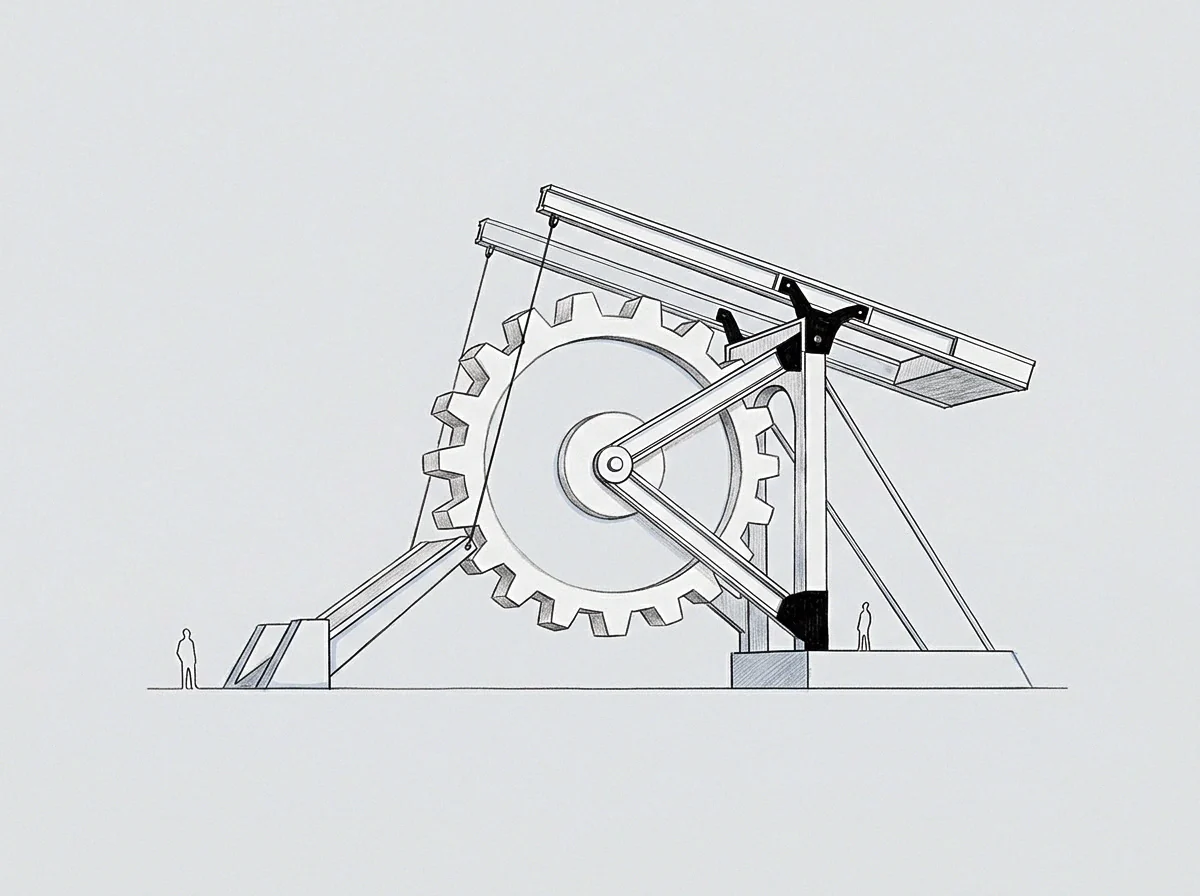
Extended solitary operation shifts the neural baseline, converting human proximity from a metabolic discount into an energetic cognitive tax.
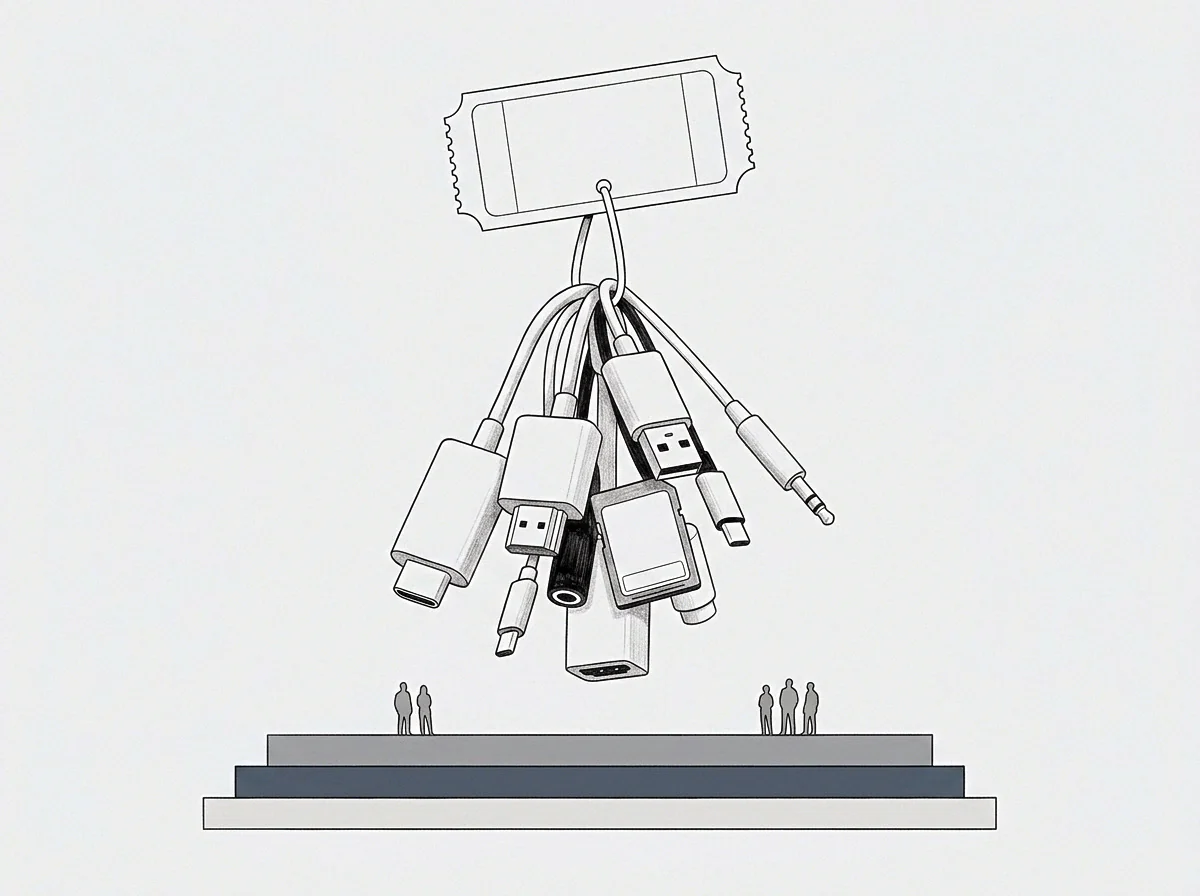
High sustained work load delays parasympathetic recovery upon entering home environments, converting domestic proximity into acute sympathetic expense.
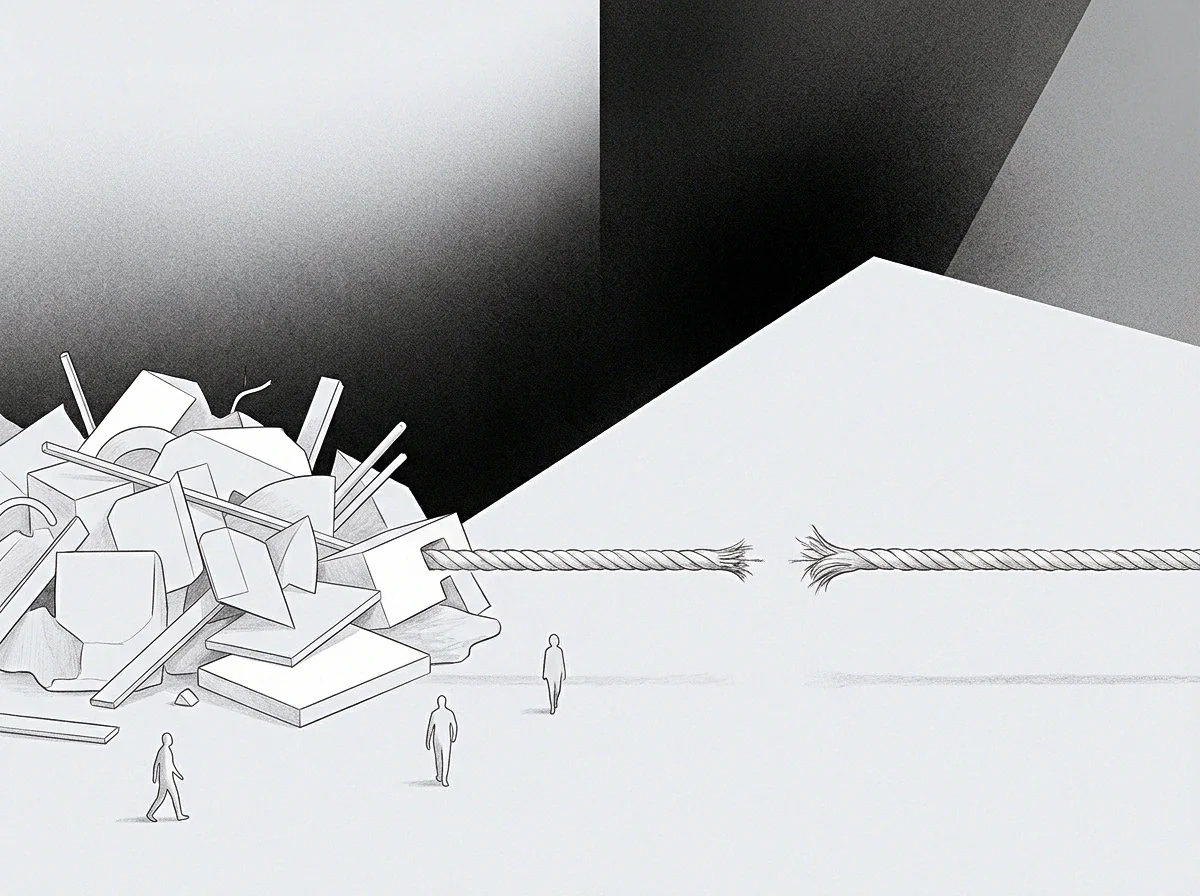
Solitary leadership forces the nervous system to fund regulation through solo metabolic expense, requiring repeated low-stakes proximity to rebuild vagal tone.
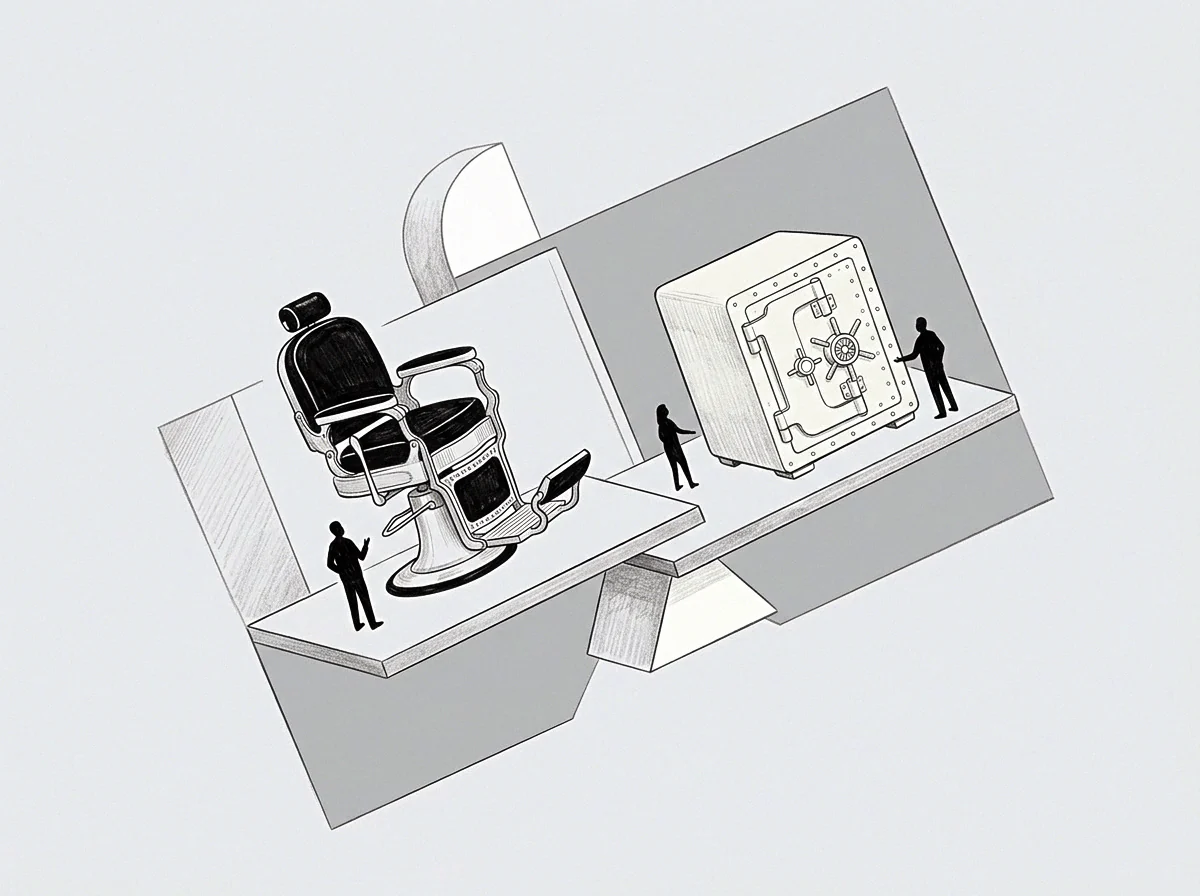
Unilateral load absorption exhausts executive neural reserves; updating internal working models requires earned security through reciprocal co-regulation.
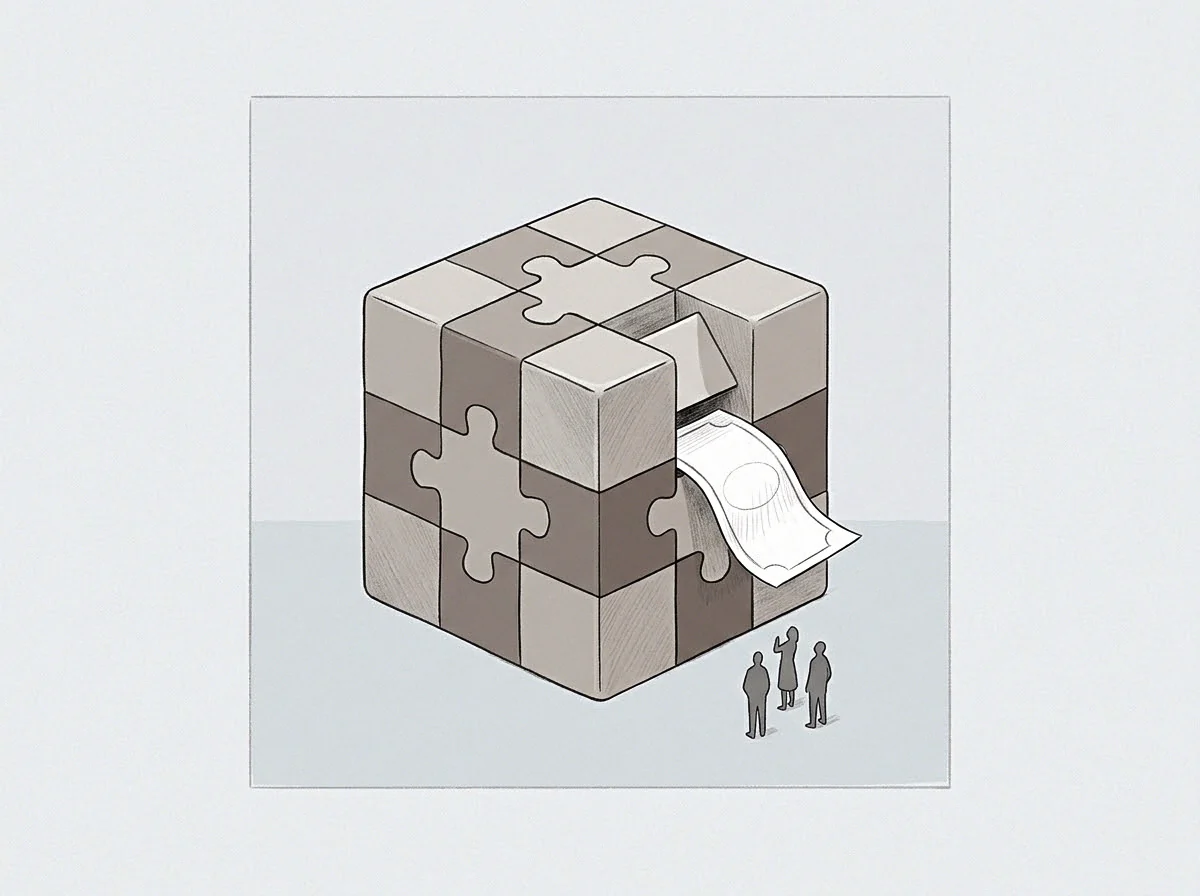
Carrying operational tension without co-regulation elevates baseline threat calculations, forcing the nervous system to spend high metabolic energy on solo risk management.
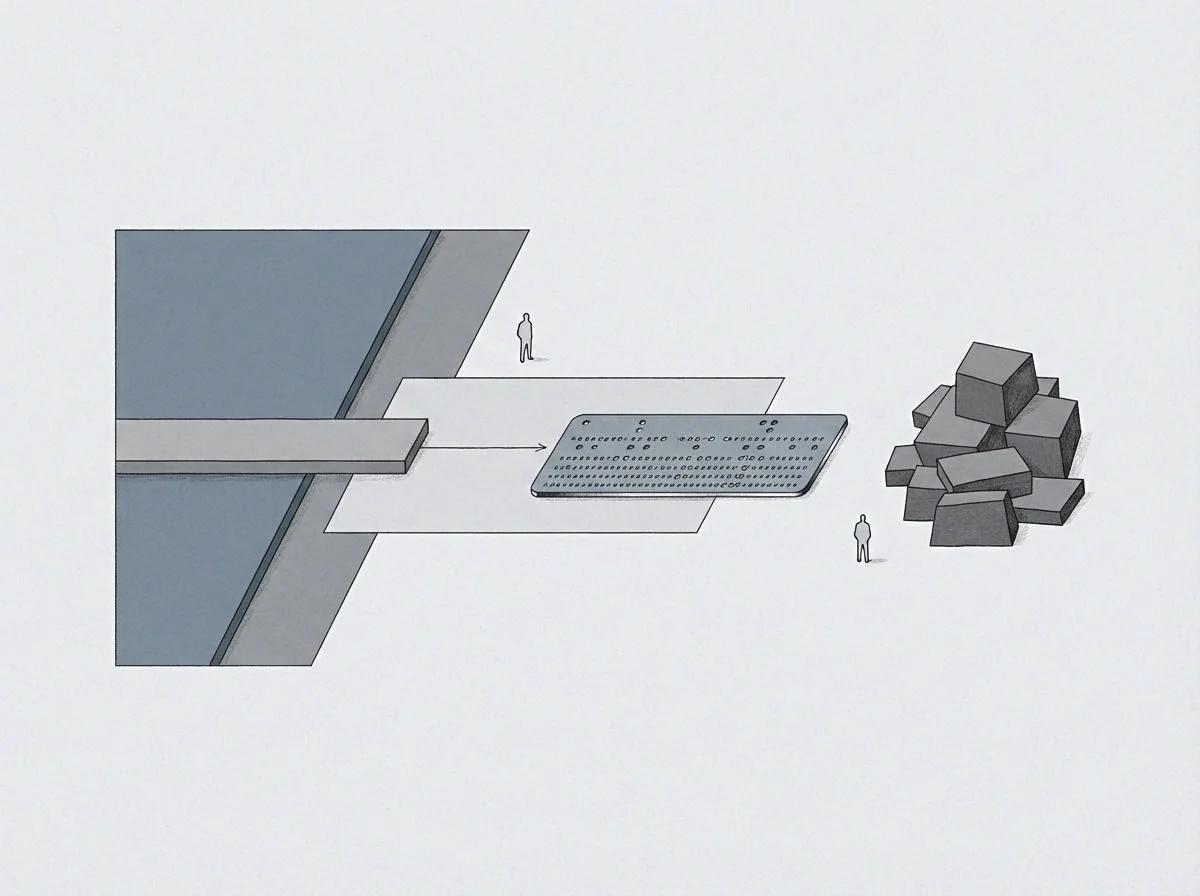
Isolated leaders absorbing peripheral threat without reciprocal regulation incur high metabolic costs that exhaust prefrontal capacity and autonomic headroom.

Autonomic threat detection operates milliseconds faster than cortical insight, requiring repeated visceral co-regulation under pressure to rewire somatic function.
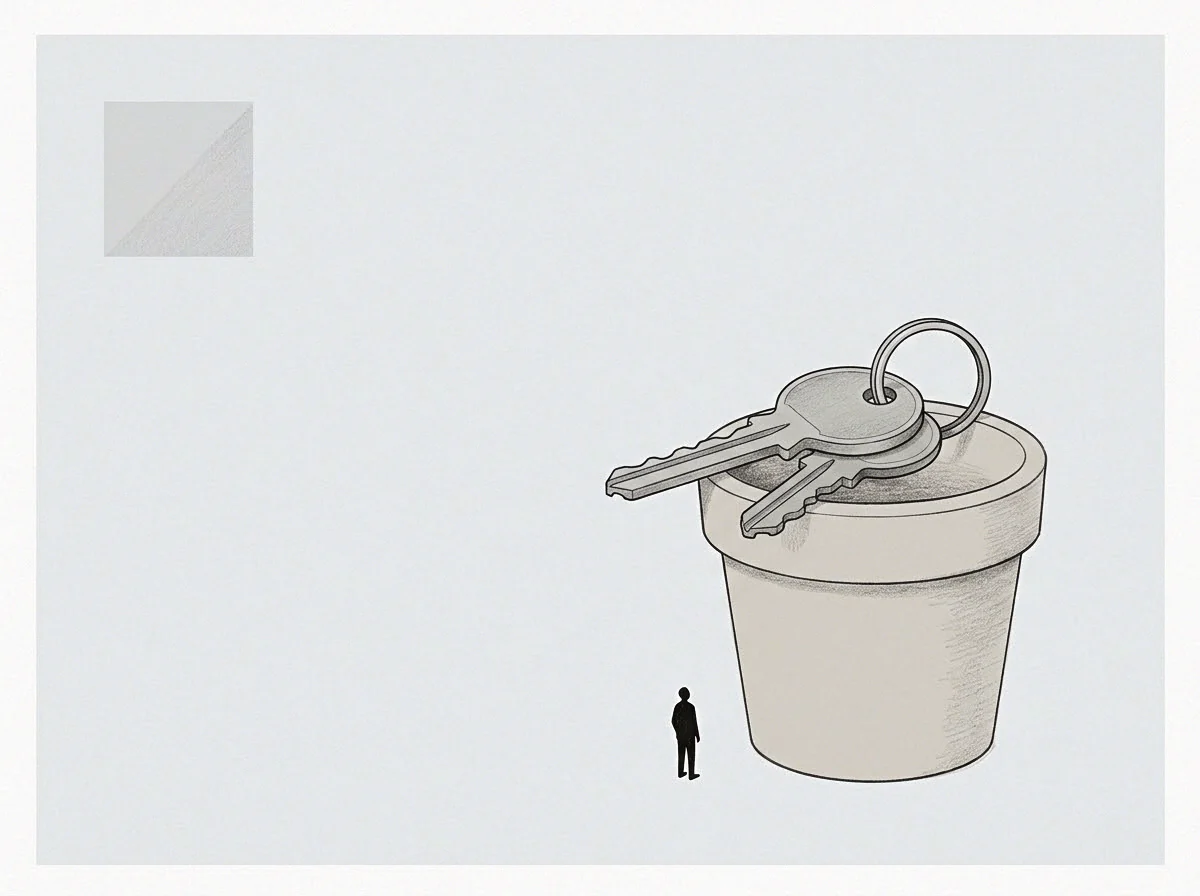
Solitary building shifts the neural baseline from low-energy social buffering to expensive independent hypervigilance, accumulating unsustainable allostatic load.
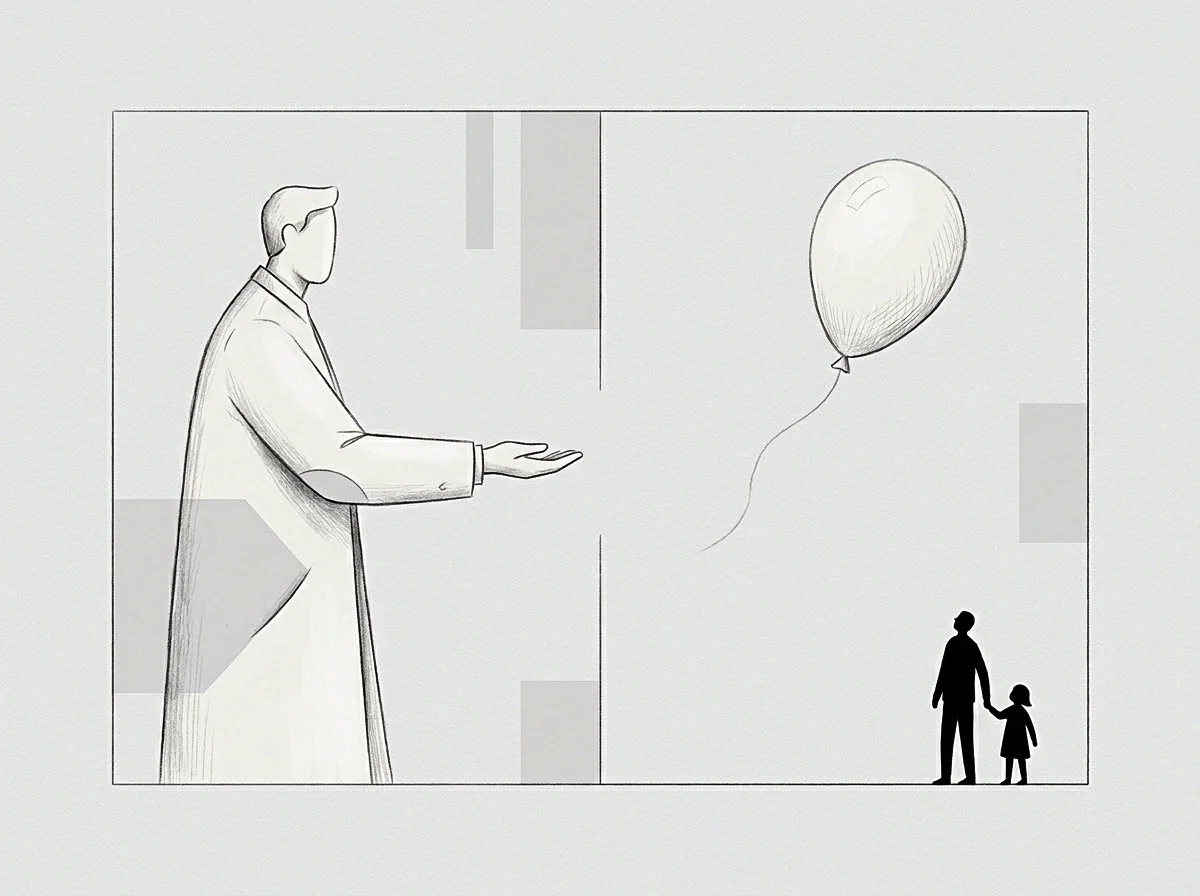
Repeated low-demand physical proximity reactivates the ventral vagal brake by lowering metabolic threat prediction and restoring autonomic baseline regulation.

Internal working models govern executive regulation budgets by dictating whether stress is shared through co-regulation or paid individually via allostatic load.

Solitary nervous system regulation increases metabolic baseline expenditure by treating isolation as an active threat requiring continuous sympathetic throttling.

Severe physiological depletion shifts neural threat processing to solitary self-regulation, forcing acquired relational models to collapse into habitual operational templates.

Isolated nervous systems process domestic physical contact as vigilance tasks, causing continuous cardiovascular strain instead of low-cost autonomic rest.

Executive nervous systems collapse in corporate crises because biological co-regulation cannot scale unilaterally across dozens of panicking subordinates.

High executive stress shuts down relational receptors by forcing continuous solo regulation, requiring bounded micro-exchanges to rebuild passive autonomic intake.

Allostatic load escalates when executive teams rely on a single leader for regulation, which alters metabolic budgeting until explicit operational limits distribute threat processing.
Receptor permeability calibration lowers executive self-regulation costs by enabling co-regulatory baseline updating across high-pressure leadership coalitions.
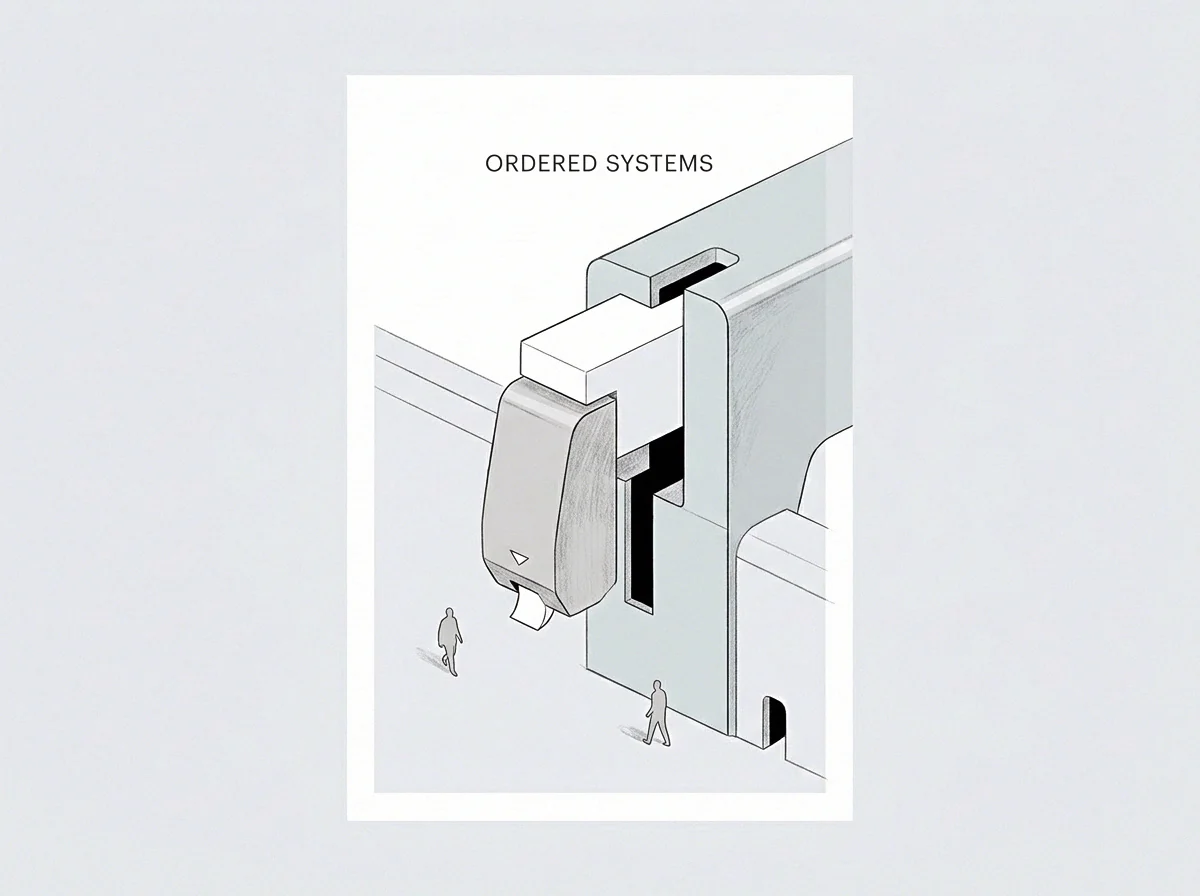
Solo hypervigilance maintains high metabolic regulation costs until repeated somatic micro-exchanges build an internal receptor slot for mutual co-regulation.
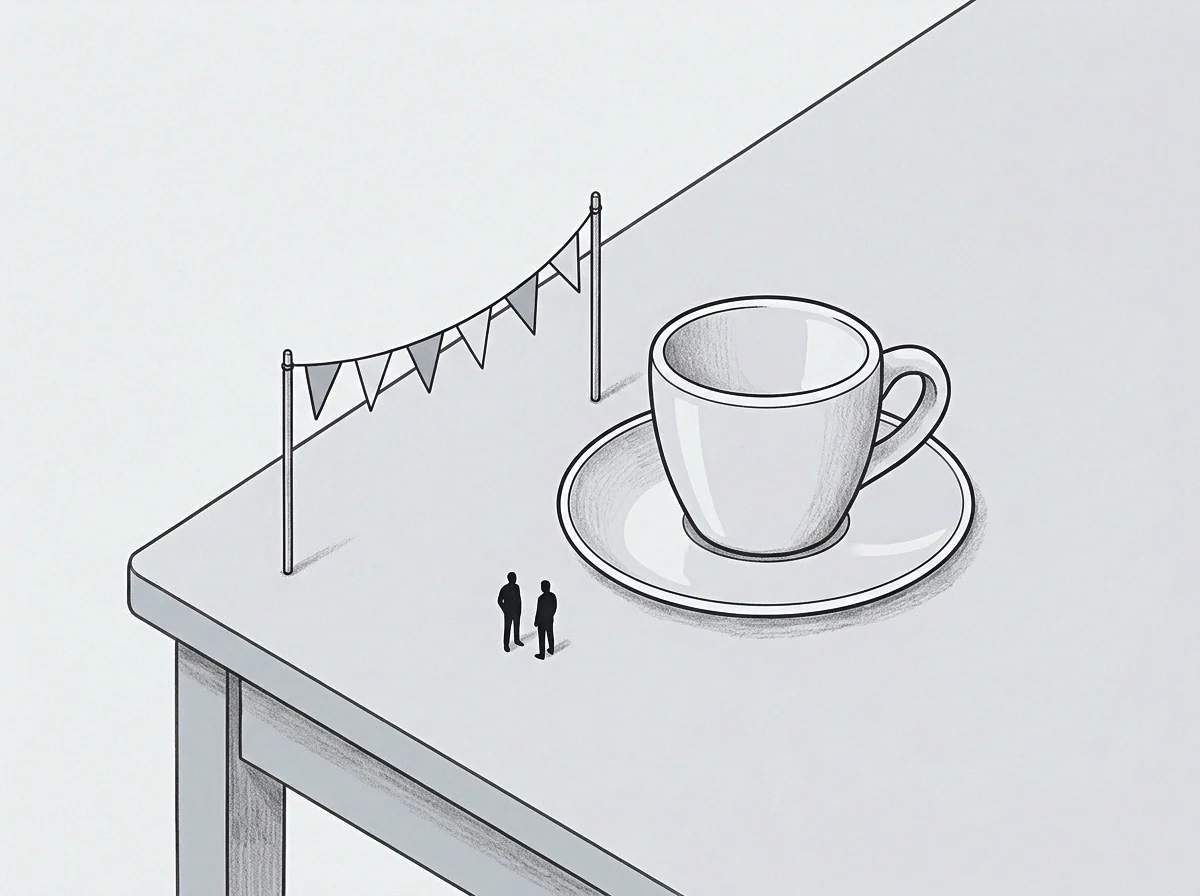
Extended operational leadership inverts the regulator template, causing external coregulation offers to register as cognitive load rather than physiological relief.

Extended isolation forces the nervous system to down-regulate autonomic reactivity to conserve metabolic energy when external co-regulation is absent.
The terms are written where they belong. Each field holds three desks, and every entry a desk writes raises the terms it uses, each term given a meaning, a mechanism and the places it appears. The record on these pages stays first person and hand made; the fields grow the nomenclature.