
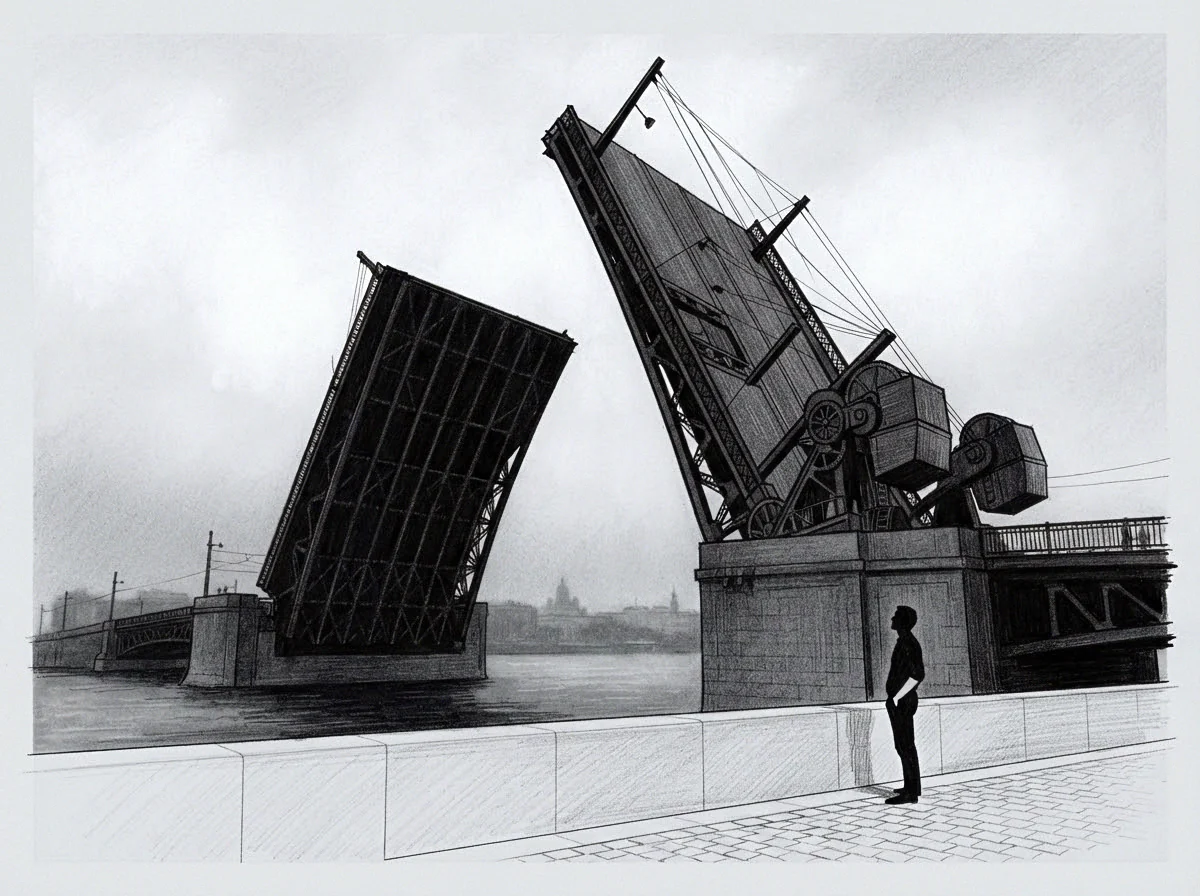
Setting Friction Protocols For Upward Escalations In Fast Teams
Upward escalation friction protocols mandate structured trade-off submissions and async delay buffers, preventing local teams from transferring cognitive load upward.
Upward escalation friction protocols mandate structured trade-off submissions and async delay buffers, preventing local teams from transferring cognitive load upward.
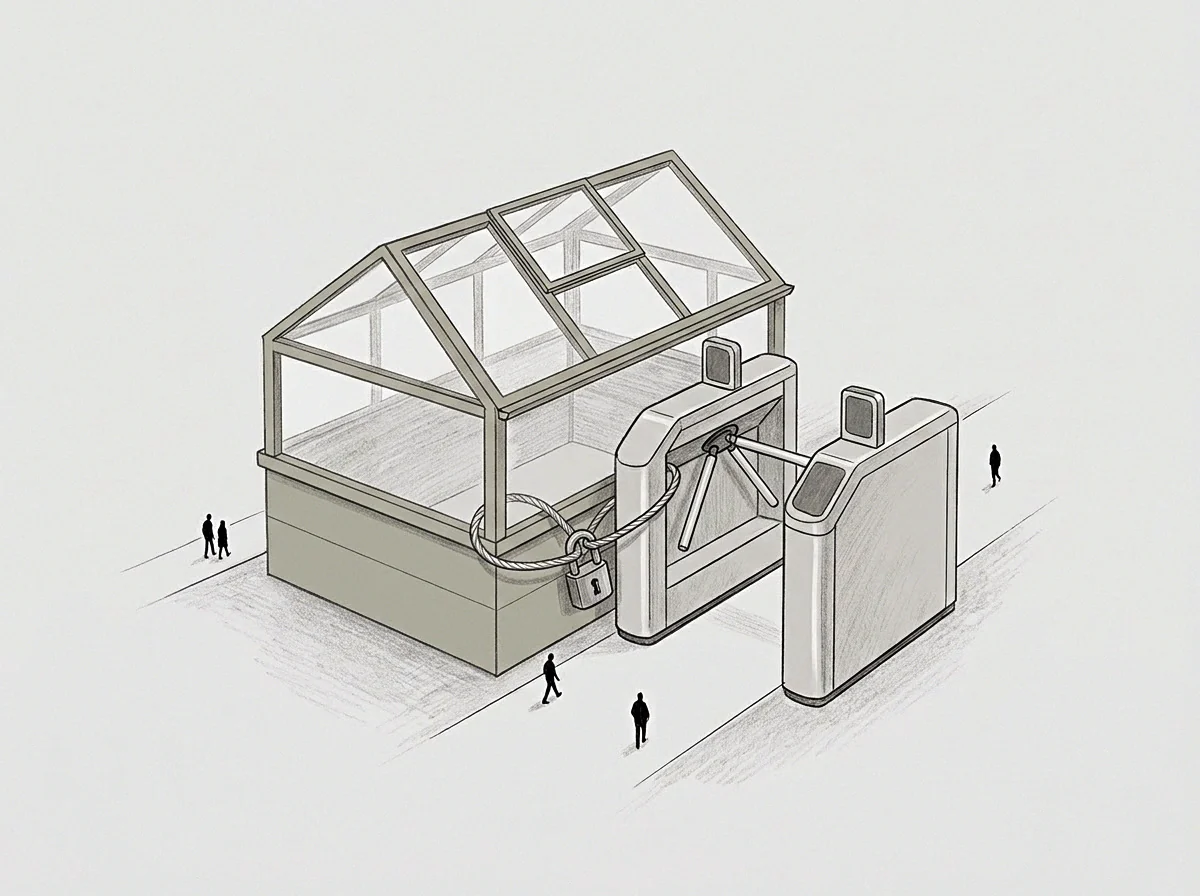
Delegation gates protect executive capacity during headcount growth by enforcing explicit operational criteria before escalating decisions to headquarters.

Unstated authority constraints fail during operational expansion because surging volume exceeds founder regulatory capacity, causing decision latency and systemic paralysis.
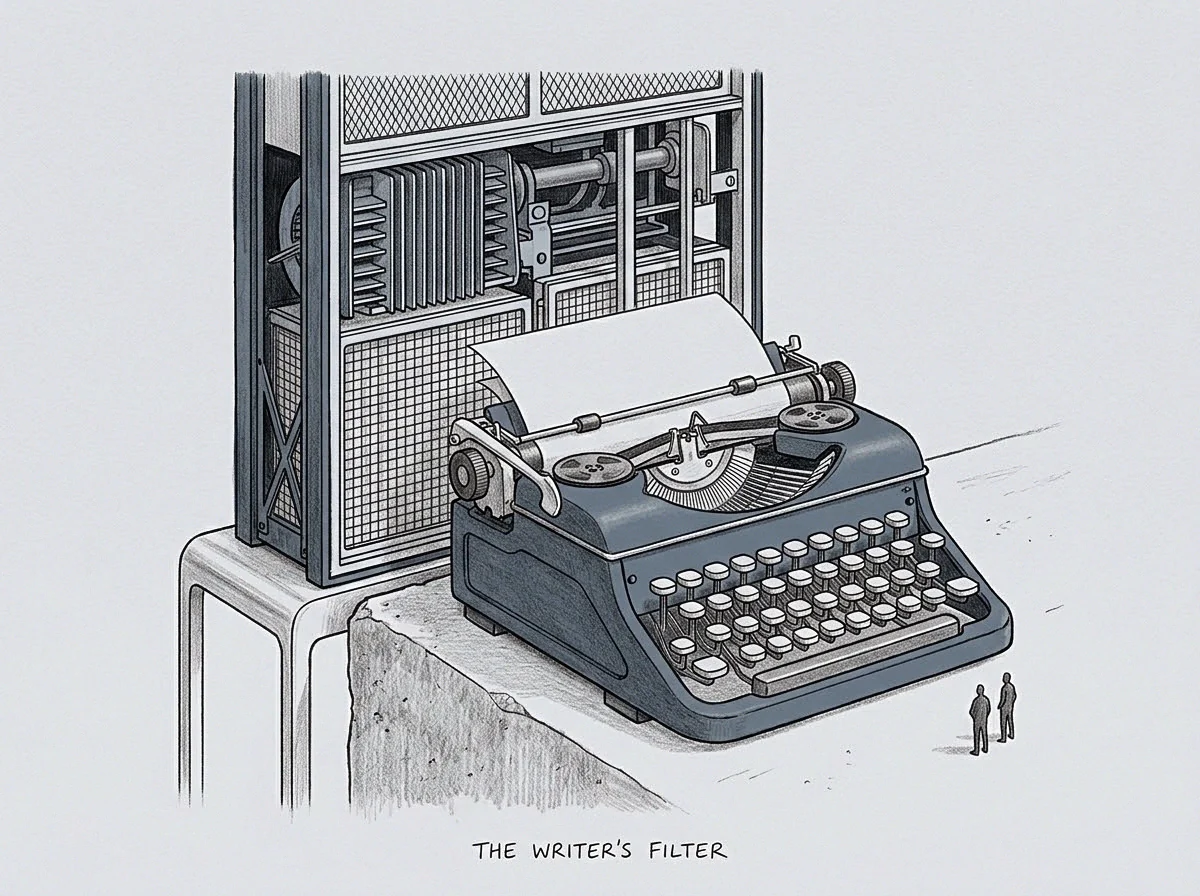
Executive capacity limits require hard filter architectures and explicit parameter terms to delegate authority down to proxy leaders under load.
Unspoken relational load transfers across executive seats until explicit terms transform personal endurance into structural operational limits.

Stated limits replace person-level regulation with structural terms, stopping load transfer before operational capacity fails under sustained systemic demand.
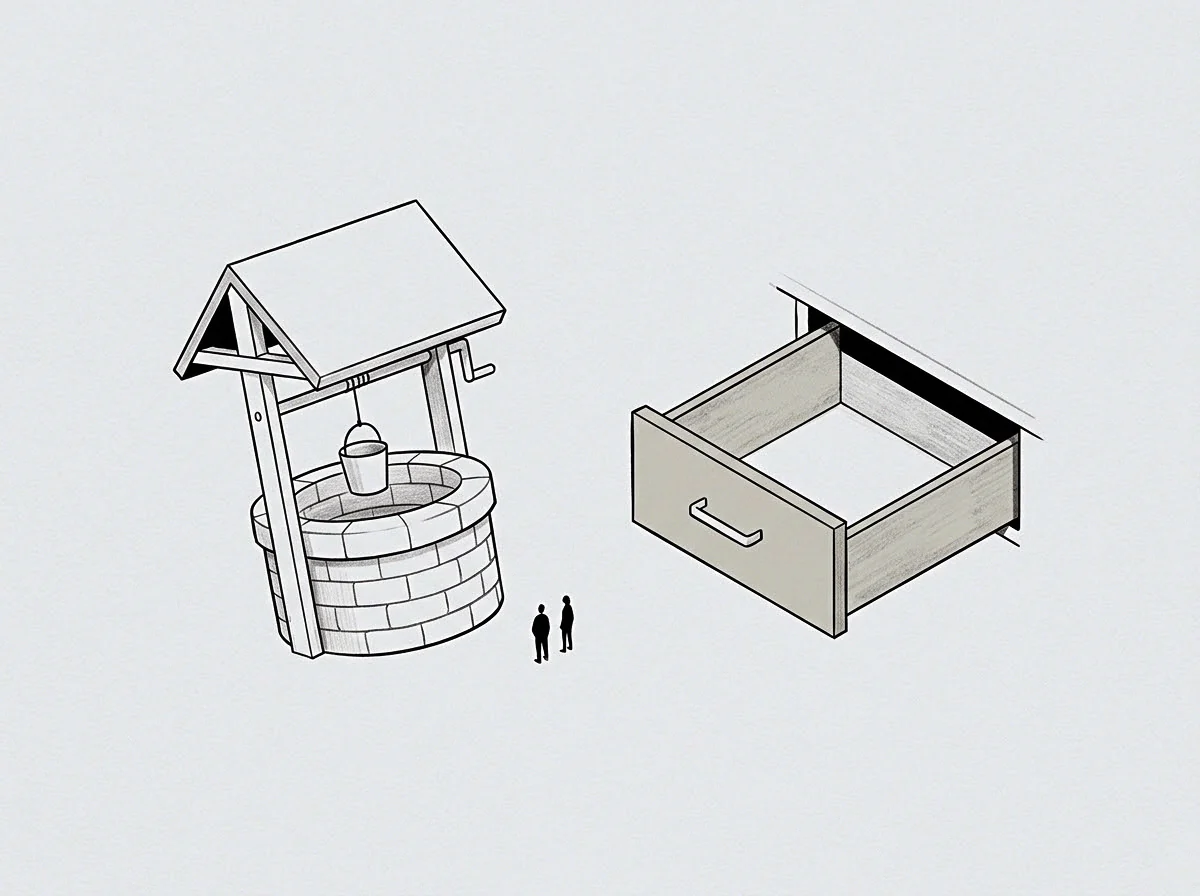
Structural governance protocols shield executive cognitive bandwidth by establishing strict escalation thresholds and mediated interfaces that deflect operational load.

Executive boundaries transfer unmediated load during scaling until explicit terms establish rigid structural stops and isolate residual operational strain.
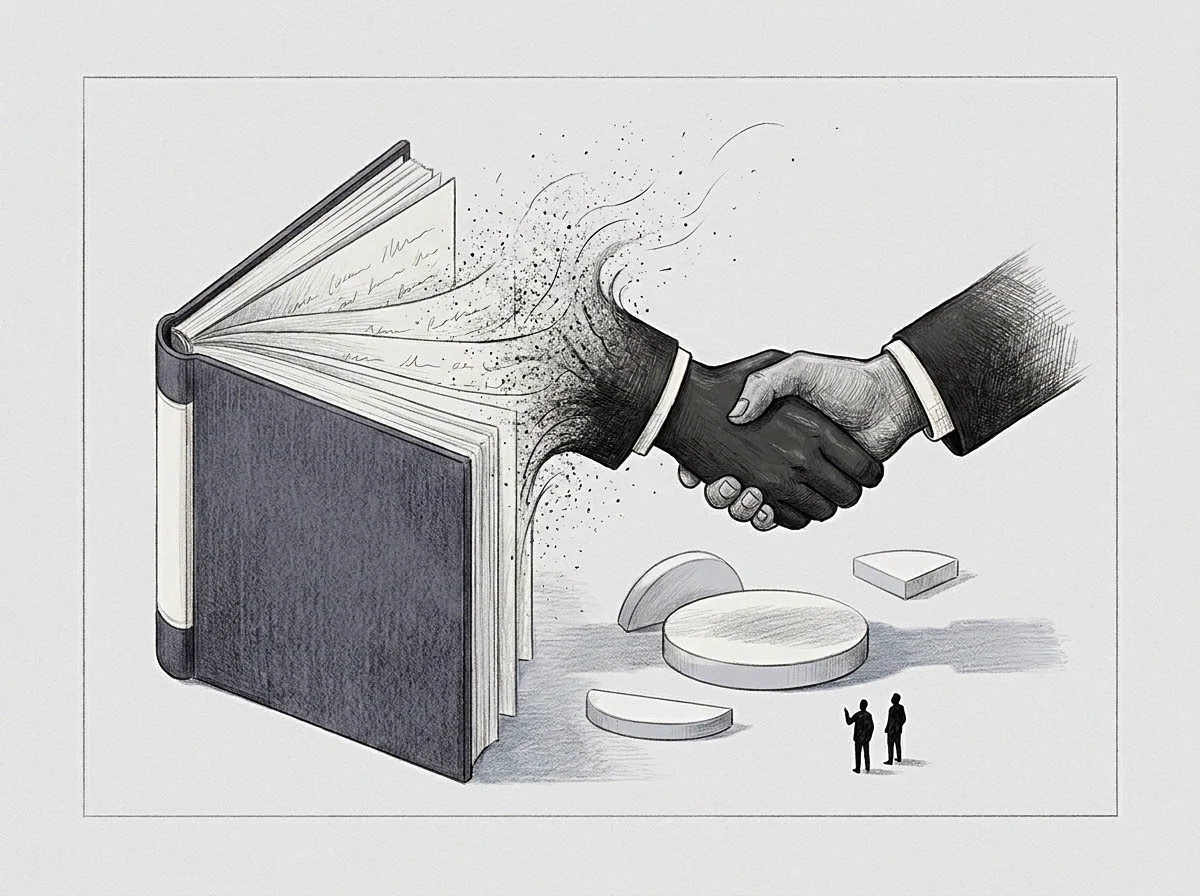
A governance term transfers live volume away from personal executive stamina only when threshold breaches activate automated deflection rather than consultation.

Executive discretion in silent covenants is held by executing actions directly and rerouting informal shareholder inquiries to formal board dockets.

Downstream autonomous execution accelerates incoming volume while funneling concentrated edge cases to human supervisors, causing cognitive collapse without hard limits.

Formal operating constraints protect human nodes in distributed capital networks by mechanizing transaction latency and boundaries before biological exhaustion.

A stated capacity wall establishes an operational intake limit before workload transfers, forcing collaborative systems to route surplus demand elsewhere.

Structural corporate deficiencies transfer directly into human physiology when organizational buffers are absent, terminating in autonomic threshold failure.

Resolving co-founder operational failures requires converting unstated capacity limits into explicit governance pacts that halt informal load transfer.

Stated operating limits function as structural walls that reallocate load, ending implicit emotional absorption across pressurized executive partnerships.
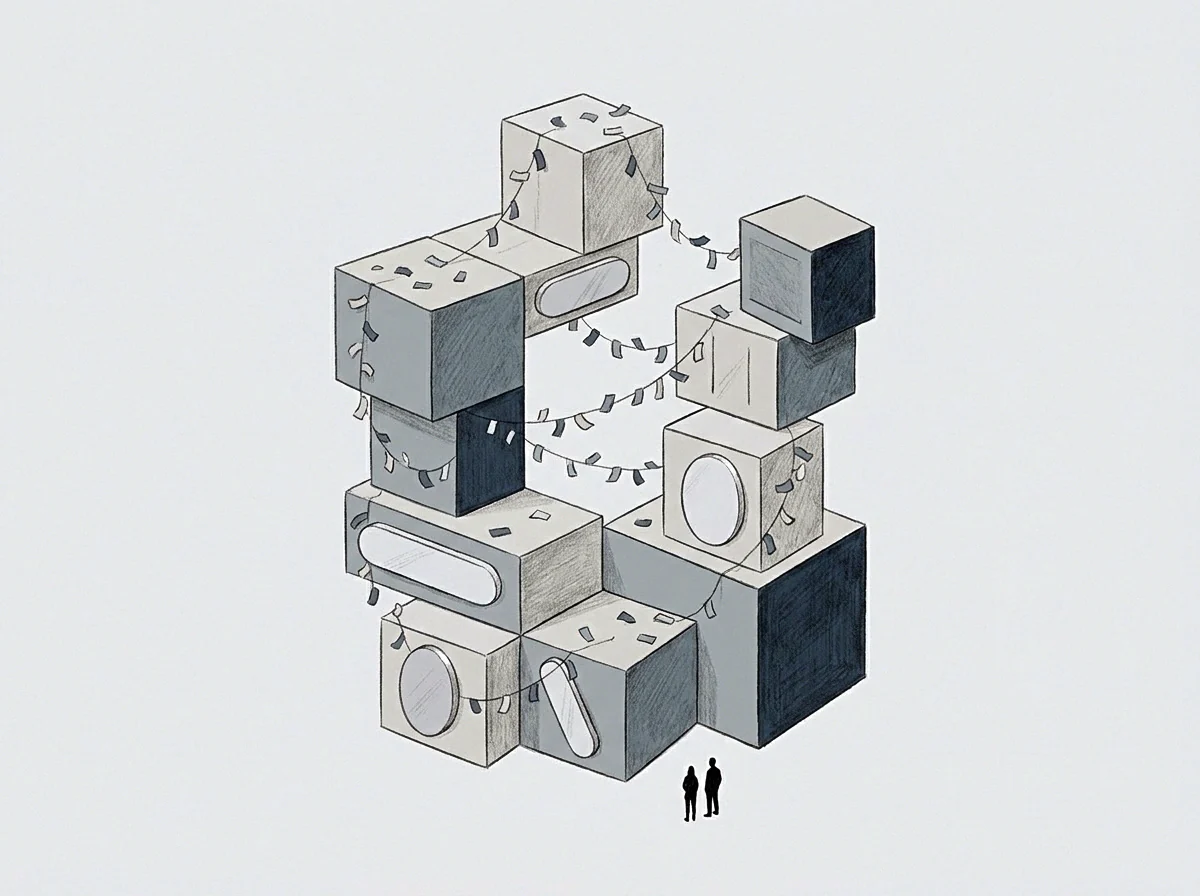
State gated task routing restricts execution intake to verified physiological reserves, arresting load transfer through impersonal mechanical boundaries.
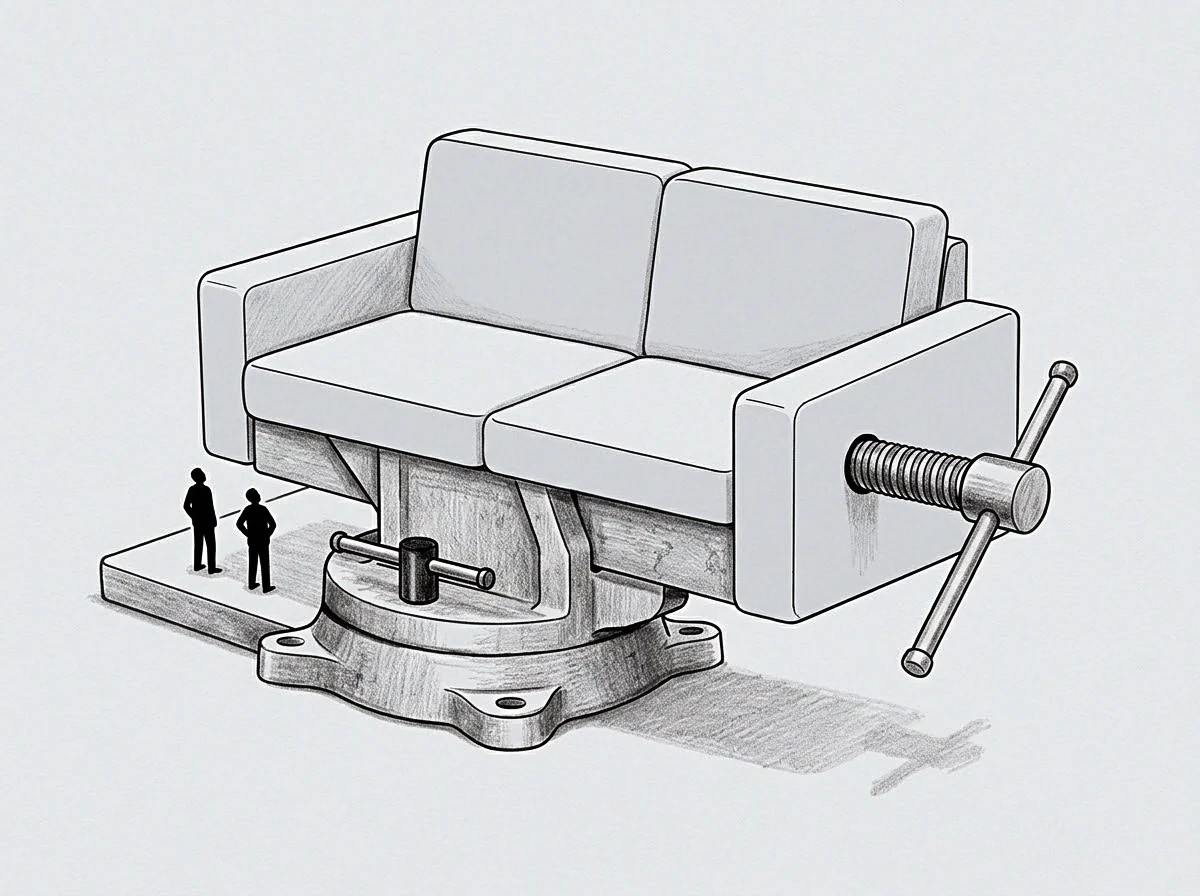
Structural separation removes an executive from direct production tasks, isolating enterprise governance authority from daily tactical operations.

Capacity partitioning protects executive reserves under high operational load by replacing personal tolerance with mechanical boundaries and throttles.

Operational decay ceases when founder authority transfers from informal human co-regulation to deterministic, metric-bounded proxy governance bodies.

Contractual operating limits replace individual stamina by turning operational limits into non-negotiable legal and mechanical constraints across layers.
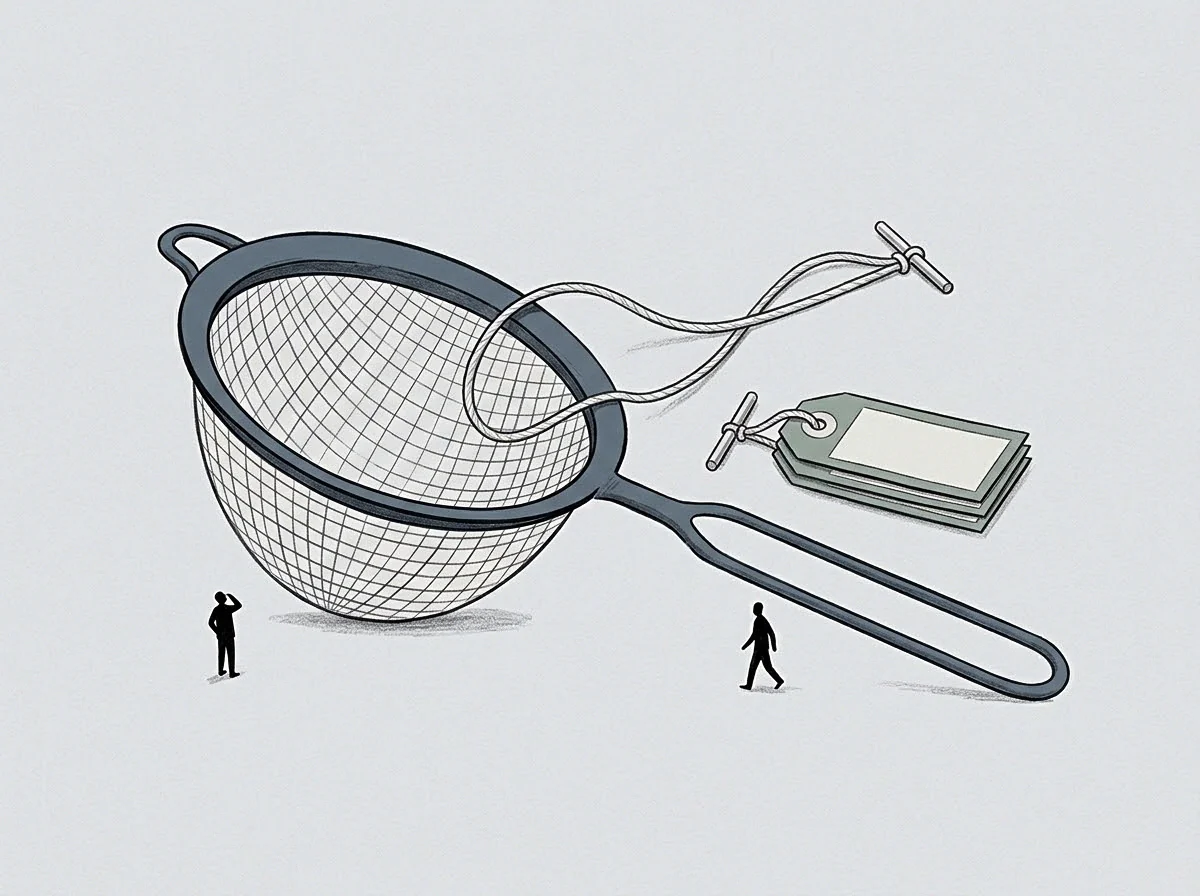
Asynchronous filter structures preserve executive headroom during outages by converting intrusive escalations into batch updates at enforced physical boundaries.
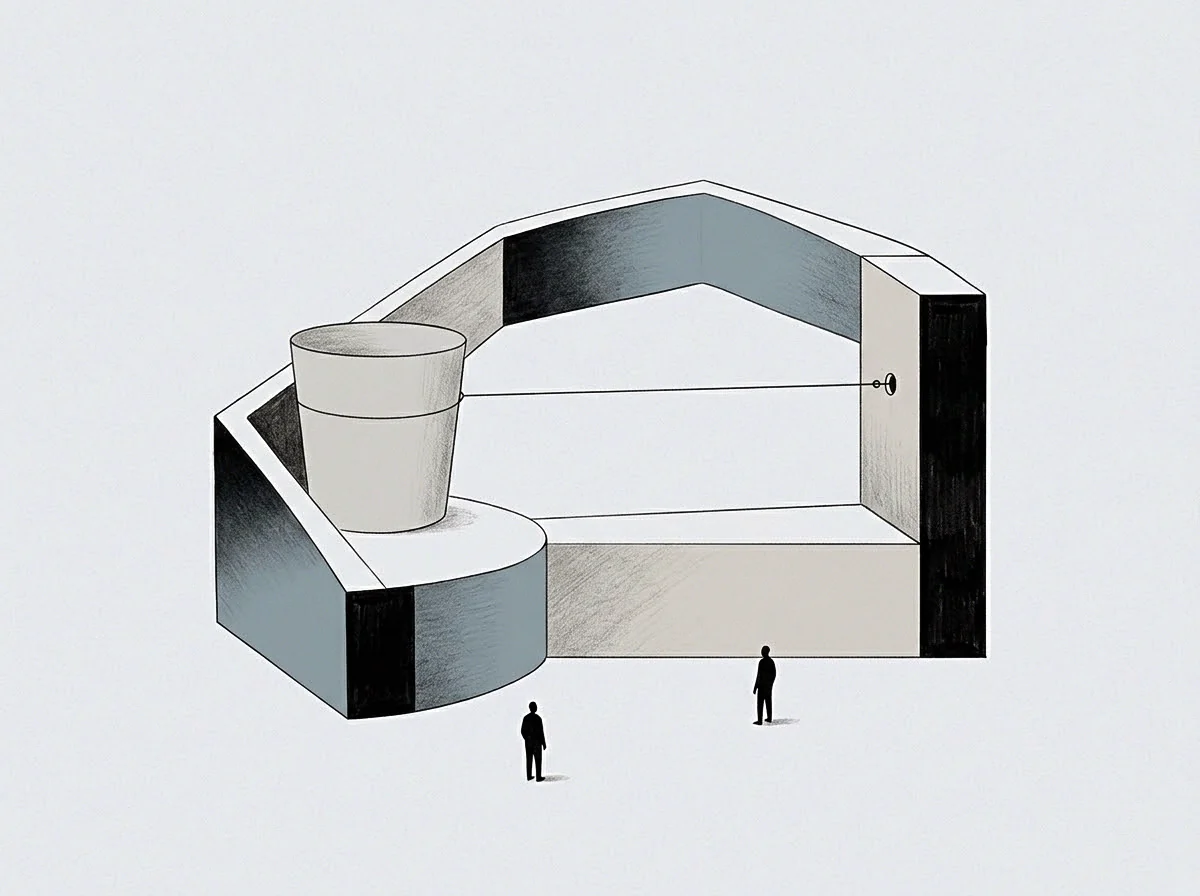
Counterparties adapt to enforced latency boundaries by probing alternative channels, consolidating query payloads, and shifting toward internal problem resolution.
The terms are written where they belong. Each field holds three desks, and every entry a desk writes raises the terms it uses, each term given a meaning, a mechanism and the places it appears. The record on these pages stays first person and hand made; the fields grow the nomenclature.