

Managing Executive Allostatic Load During Distributed Operational Crises
Distributed operational crises increase executive allostatic load by eliminating co-regulatory baseline inputs and multiplying asynchronous threat appraisals.
Distributed operational crises increase executive allostatic load by eliminating co-regulatory baseline inputs and multiplying asynchronous threat appraisals.

Solitary executive threat appraisal forces autonomic hyper-vigilance, depleting metabolic energy budgets until co-regulatory relational baseline structures restore systemic efficiency.

The human brain budgets metabolic regulation by assuming relational proximity; high-stakes leadership isolates regulators, forcing expensive unassisted self-regulation that accumulates severe allostatic load.

Lateral peer support reduces executive stress load by substituting solitary baseline self-regulation with low-cost social co-regulation between equals.

Persistent organizational co-regulation without personal buffering forces executive autonomic systems to absorb environmental volatility as elevated baseline allostatic load.

Structural damping protects central executive autonomic capacity by introducing operational friction that dissipates environmental volatility before it reaches prefrontal neural networks.
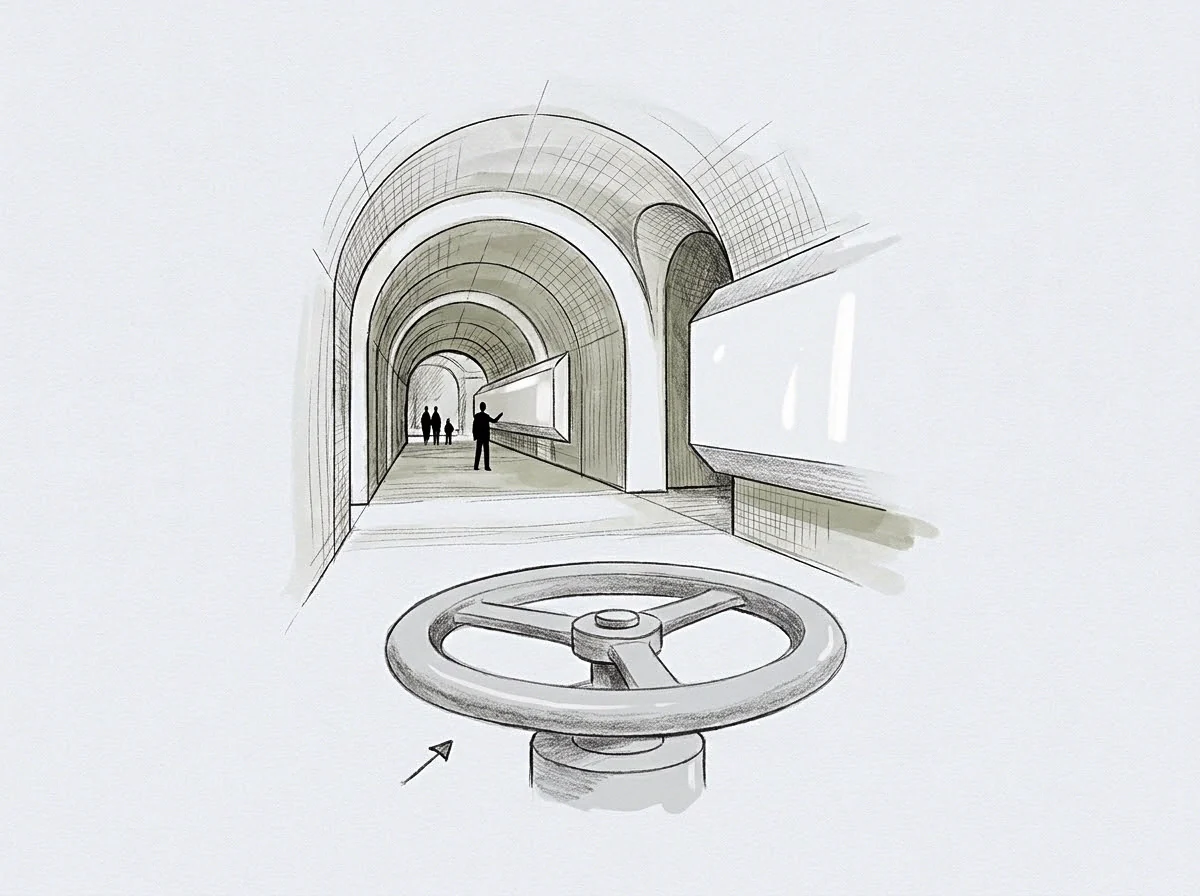
Physiological stress in leadership teams transfers through autonomic resonance, requiring explicit structural throttles and relational co-regulation to prevent executive burnout.

Subcortical survival circuits prevent secondary cognitive templates from replacing primary autonomic baselines because executive overrides degrade under acute metabolic load.
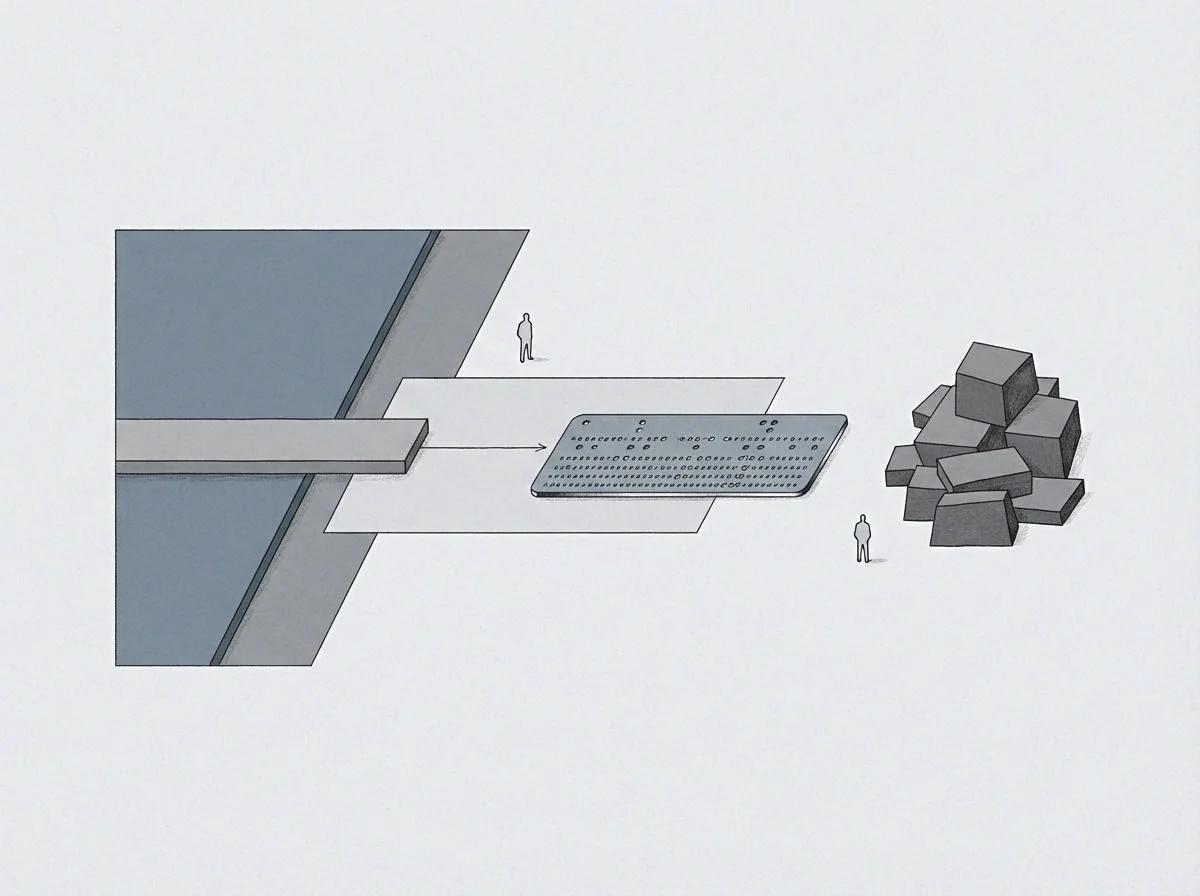
High allostatic load prioritizes immediate survival metabolism, shutting down the dorsal vagal receptive state necessary to update safety templates.

Sustained stress floods neural circuits with glucocorticoids, silencing oxytocin receptors and blocking the brain from receiving social regulation inputs.

Relational working model snaps trigger dorsal vagal throttling in primary regulators, requiring structured sensory isolation and micro-paced co-regulation to rebuild neural receptor slots.

Exhaustion of borrowed calm bandwidth causes total breakdown of the regulator template, forcing autonomic disengagement and revealing the biological cost of unbilled co-regulation.
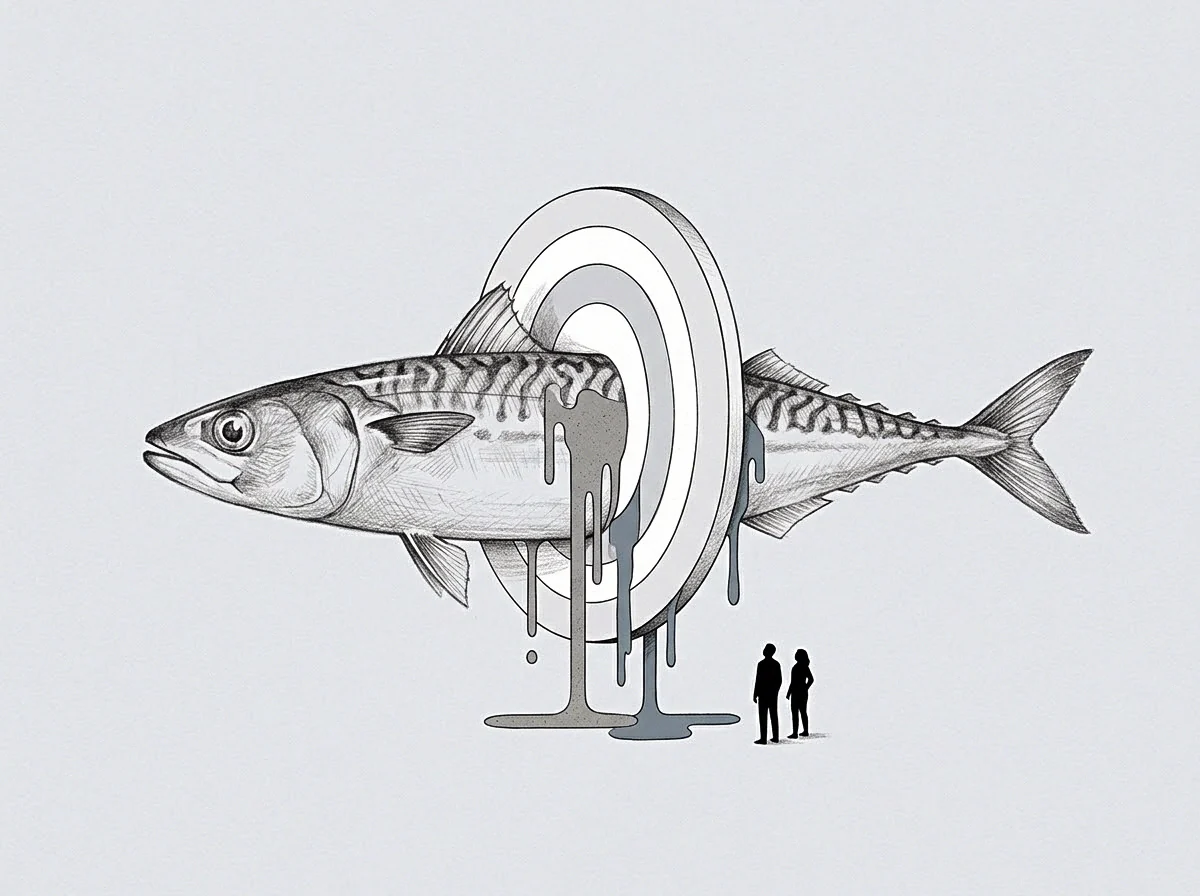
Social baseline theory demonstrates that the brain budgets regulation as a shared economy, making solitary vigilance an expensive deviation from default rest.

Chronic physiological strain forces the brain to shunt scarce metabolic fuel away from expensive prefrontal social circuits, degrading relational capacity.
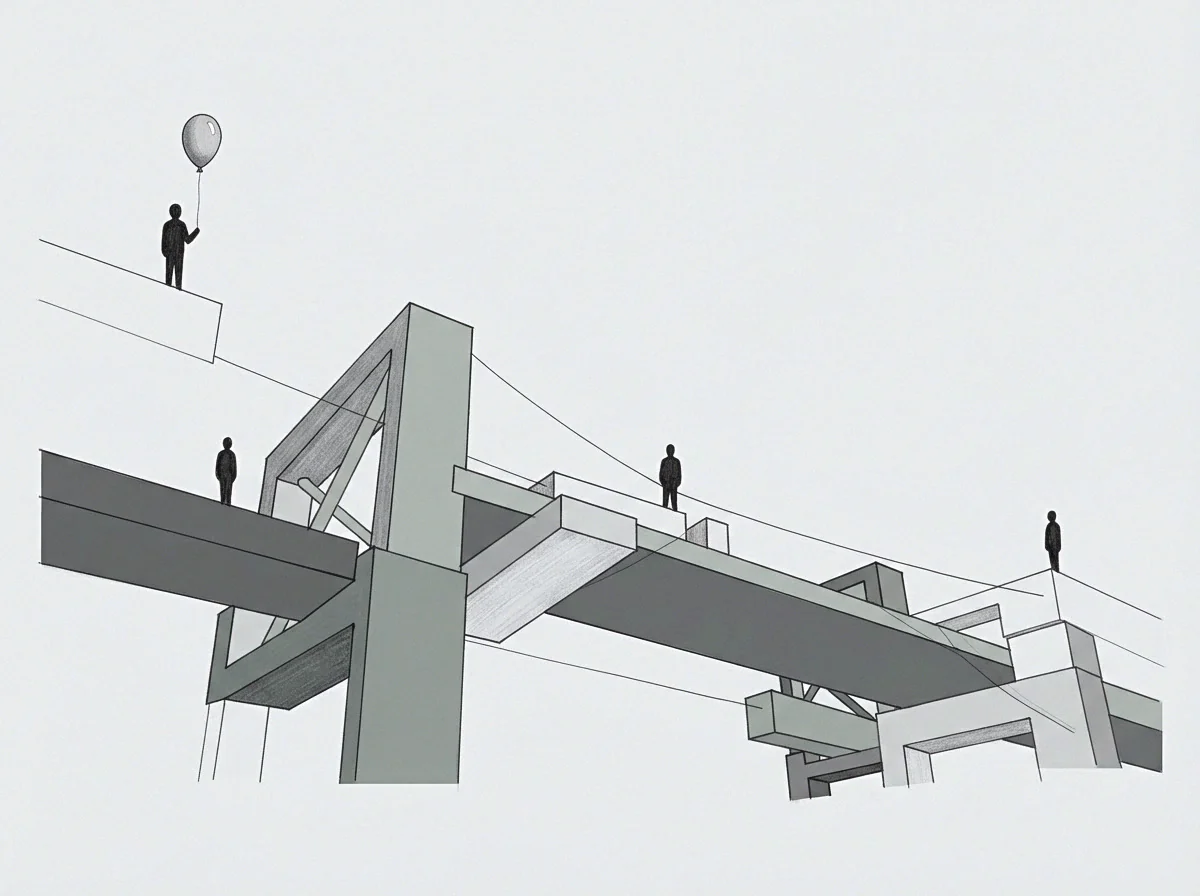
Executive leaders absorbing team anxiety without a co-regulating partner exhaust their autonomic baseline, forcing physiological debt and systemic collapse.
The terms are written where they belong. Each field holds three desks, and every entry a desk writes raises the terms it uses, each term given a meaning, a mechanism and the places it appears. The record on these pages stays first person and hand made; the fields grow the nomenclature.